
Choosing between a weekend Park Connector Network (PCN) ride and a daily commute in Singapore means balancing lightweight, quick-access storage with high-capacity, secure, and weather-resistant gear protection. Rhinowalk offers a wide range of modular bike bags, but the ideal choice depends on your specific route, cargo requirements, and bicycle type. By evaluating your daily cargo weight, frame clearance, and weatherproofing needs, you can select a bag setup that keeps your ride stable and your belongings dry.
While both riding scenarios involve pedaling, they demand completely different gear configurations. A weekend leisure ride focuses on endurance, comfort, and hydration, whereas a daily commute centers on utility, cargo protection, and quick transitions from the bike rack to the office. Understanding these differences prevents you from carrying unnecessary weight or finding yourself without essential tools when far from home.
Understanding Your Cycling Scenarios: PCN Leisure vs. Daily Commute
Weekend rides along the Park Connector Network are typically leisure-focused, spanning longer distances but requiring minimal heavy cargo. On these scenic paths, your primary needs are hydration, small snacks, sun protection, a lightweight windbreaker, and basic repair tools. Because you are navigating shared paths with pedestrians, joggers, and other cyclists, keeping your bicycle nimble, lightweight, and narrow is essential for safety and maneuverability.
Products mentioned in this guide
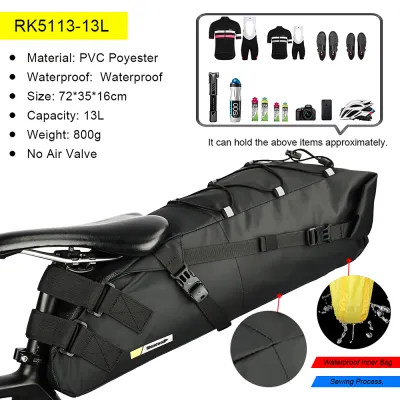
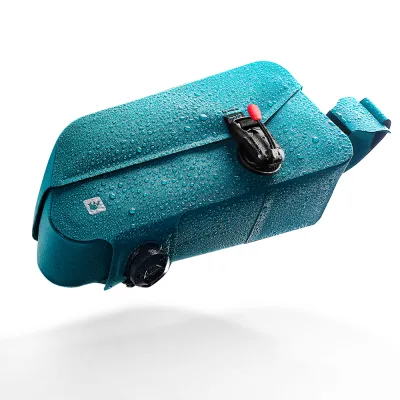
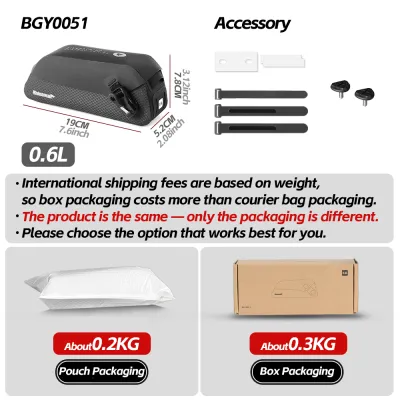
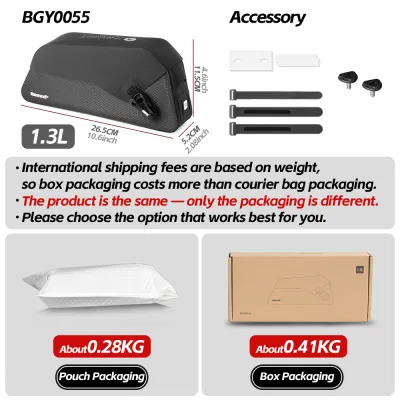
Prices are valid at publication and may change. Please refer to the product page for the latest price.
Daily commuting presents a different set of challenges, requiring you to transport work essentials through urban traffic and varying road conditions. Your cargo often includes a laptop, tablet, change of clothes, lunchbox, and personal documents. These items are not only heavier but also highly sensitive to impact and moisture, demanding a secure mounting system and robust structural protection.
Additionally, commuting requires quick transitions. When you park your bicycle at a transit hub or office rack, you need a bag system that detaches in seconds so you can carry your valuables inside. A bag permanently strapped to the frame is highly inconvenient for daily utility, whereas a quick-release pannier or handlebar bag with a shoulder strap fits seamlessly into a professional routine.
Key Selection Criteria for Rhinowalk Bags
When evaluating different Rhinowalk bags, capacity is your first major decision point. Small saddlebags and top tube bags ranging from 0.5 to 2 liters are excellent for carrying keys, cards, and tire levers. For daily commuting, you will generally need a capacity of 10 to 25 liters, which is typically found in rear panniers or large convertible handlebar bags that can accommodate bulkier items.

Mounting styles directly affect how your bicycle handles, especially when carrying heavier loads. Saddlebags sit tucked behind the seat post, minimizing wind resistance but offering limited space. Frame bags utilize the empty triangle of your frame, keeping the center of gravity low and stable, though they can block access to water bottle cages. Handlebar bags offer excellent accessibility on the go but can slow down steering response if overloaded.
Weather resistance is a critical factor due to sudden tropical downpours. When reviewing bag specifications, look closely at the materials and construction methods. Bags made from TPU or PVC-coated polyester with high-frequency welded seams offer superior water protection compared to stitched nylon with standard zippers. For daily commuters carrying electronics, verifying these waterproof ratings is a non-negotiable safety check.
Material durability determines how well the bag resists daily wear and tear. High-denier fabrics, such as 500D or 1000D polyester, provide excellent abrasion resistance against accidental scrapes, bike rack friction, and rough handling. If your daily route involves tight parking spaces or public transport transfers, prioritizing heavy-duty materials will extend the lifespan of your gear.
Matching Bag Styles to Your Primary Ride
For the weekend PCN rider, a combination of a compact top tube bag and a sleek saddlebag is often the most efficient setup. This configuration keeps the sides of your bicycle completely clear, reducing the risk of snagging on trailside foliage or brushing against other path users. A top tube bag sits directly in front of you, allowing you to grab your phone for navigation or a quick photo without needing to dismount.
For the daily commuter, a rear rack pannier is the gold standard for carrying heavy loads comfortably. Placing the weight on a rear rack prevents your back from sweating under a heavy backpack and keeps your upper body relaxed during long rides. Many commuting-focused panniers feature dedicated laptop compartments, internal organizers, and quick-release mounting clips that lock securely onto standard rack rails.
Weight distribution plays a vital role in bicycle stability and rider safety. Overloading a front handlebar bag can make steering heavy and unpredictable, which is dangerous when navigating tight corners on shared paths. If you must carry heavy items, distribute the weight evenly across dual rear panniers or keep it centered within a frame bag to maintain predictable handling and braking performance.
Can One Rhinowalk Bag Handle Both Scenarios?
If you want a single bag that transitions from weekday commutes to weekend leisure rides, look for versatile crossover features. Some Rhinowalk models are designed as convertible hybrid bags, such as a handlebar bag that quickly transforms into a crossbody shoulder sling, or a rear pannier that converts into a comfortable backpack once detached from the rack.
However, a hybrid approach always involves trade-offs. A large, durable commuting pannier will feel unnecessarily bulky and heavy on a breezy weekend ride where you only need to carry a phone and a spare tube. Conversely, a sleek, aerodynamic frame bag designed for leisure riding will lack the structured compartments and volume required to transport a laptop and office attire safely.
To decide whether to invest in one multi-purpose bag or two specialized options, evaluate your weekly riding ratio. If you commute four days a week and only ride the PCN occasionally, a medium-sized, quick-detach handlebar bag offers the best balance of utility and portability. If your weekend rides are long and frequent, keeping a small, permanent saddlebag for emergency tools and using a dedicated pannier for workdays is the most practical solution.
Pre-Purchase Checks and Fitment Verification
Before purchasing any bike bag, you must physically measure your bicycle to ensure a secure and safe fit. Frame triangles vary wildly between road bikes, mountain bikes, and compact folding bikes. If you are choosing a frame bag, measure the internal clearance of your frame triangle and compare it to the bag’s dimensions to ensure it will not interfere with your water bottles or rear suspension linkage.
Handlebar and seat post clearances are equally important. Ensure there is sufficient vertical space between the bottom of a handlebar bag and the top of your front tire, especially on smaller frame sizes or bikes with front suspension forks. A bag that rubs against a spinning tire can damage the fabric and cause a sudden, dangerous wheel lockup.
For rear panniers, heel clearance is a critical safety factor that is often overlooked. If your bicycle has short chainstays, your heels may strike the front of the pannier during your pedal stroke. To prevent this, measure the distance from your pedal axle to the rear rack rails, and look for panniers with adjustable mounting hooks that allow you to slide the bag further back on the rack.
Frequently Asked Questions (FAQ)
How do I clean my Rhinowalk bag after a muddy PCN ride?
To clean your bag safely, wipe down the exterior with a soft, damp cloth and mild soapy water. Avoid using harsh chemical detergents, bleach, or machine washing, as these can strip away the protective TPU or PVC waterproof coatings. Always air-dry the bag completely in a shaded, well-ventilated area away from direct sunlight to prevent UV degradation of the fabric and seams.
Are Rhinowalk bags fully waterproof for heavy tropical downpours?
While many Rhinowalk bags feature water-resistant fabrics and sealed zippers that easily handle light showers, only models with fully welded seams and roll-top closures are designed to withstand heavy tropical downpours. For critical electronics like laptops and phones, always verify the specific product’s waterproof rating and consider using an internal dry bag or a dedicated rain cover as an extra layer of defense during intense storms.
Community discussion
Share your experience or ask a question. Comments are reviewed before publication.