
Finding the ideal right-hand golf glove requires balancing tactile feedback, longevity, and all-day comfort. Because no single material or design dominates every playing condition, comparing top options means evaluating how specific features align with your swing mechanics, local weather, and hand shape. Left-handed golfers, who wear a glove on their right hand, must pay close attention to how different brands construct their right-hand models, as availability and design nuances can vary compared to standard left-hand gloves. By focusing on material performance, structural reinforcement, and fit checks, you can select a glove that secures your grip and supports consistent club control.
Understanding Right-Hand Glove Fit and Player Needs
A right-hand golf glove is primarily worn by left-handed golfers, as the glove goes on the lead hand—the hand positioned at the top of the club grip. However, some right-handed golfers also choose to wear gloves on both hands to prevent blisters, manage sweat, or maintain a consistent feel in humid conditions. Regardless of which hand you wear it on, the glove serves as the critical interface between your body and the club, making a precise fit essential for preventing slippage and hand fatigue.
To achieve a proper fit, the glove must feel like a second skin. There should be no excess material bunching up in the palm when you wrap your hand around the grip, nor should there be loose fabric at the fingertips. At the same time, the glove must not restrict your fingers from flexing fully. If you feel excessive tension across the knuckles or if the closure tab barely reaches across the back of your hand, the glove is too small, which can lead to premature tearing and restricted blood flow.
Products mentioned in this guide
![[FIT39] CLASSIC Right Hand Golf Glove White Base Non Slip Stretchable Durable Washable Antimicrobial Speedy Dry Japans Top Seller](https://img.lazcdn.com/g/p/210b36bcaff0381269af8e6e2d7879c0.png_400x400q80.png_.webp)
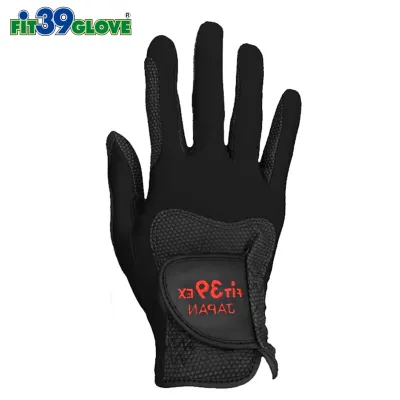
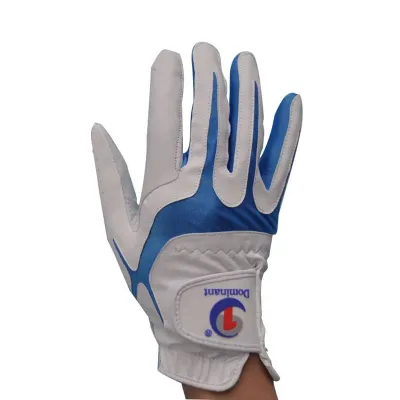
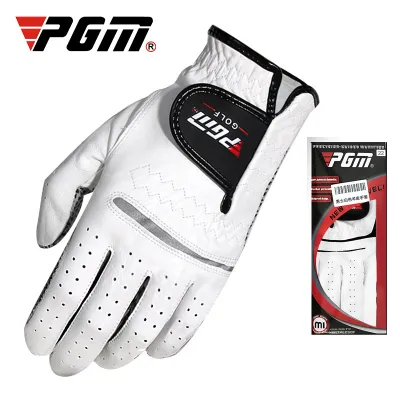
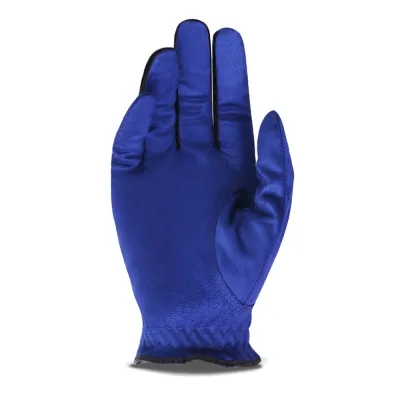
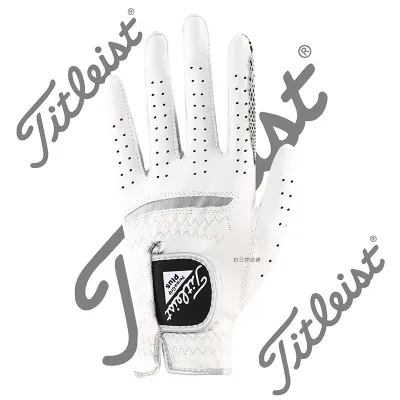
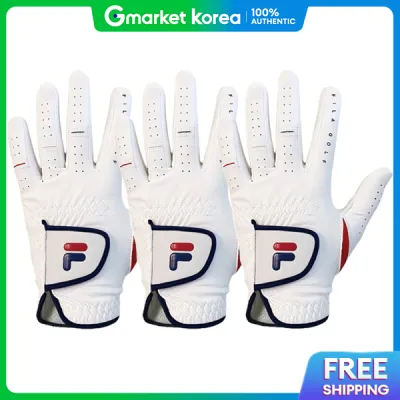
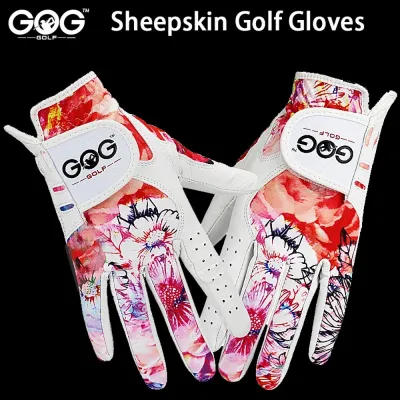
Prices are valid at publication and may change. Please refer to the product page for the latest price.
Before purchasing, you should perform initial sizing checks. Measure the length of your middle finger and the circumference of your hand just below the knuckles, excluding the thumb. Compare these measurements against the specific manufacturer’s sizing chart, as sizing standards can vary slightly between brands. Many brands also offer “cadet” sizing, which features slightly shorter fingers and a wider palm, providing an alternative fit for players who find standard sizes too long in the fingers.
Evaluating Grip: Material Choices and Weather Performance
Grip performance is highly dependent on the materials used in the glove’s construction. Premium Cabretta leather is widely regarded as the standard for tactile feedback and dry-weather tackiness. This soft sheepskin leather molds to the unique contours of your hand over time, offering an exceptionally close connection to the club. However, natural leather is highly susceptible to moisture, meaning it can become slick when wet and stiff after drying, making it less suitable for rainy days or intense humidity.

For players facing high humidity, frequent rain, or heavy perspiration, synthetic blends and hybrid designs offer a more consistent grip. Synthetic microfiber materials are engineered to maintain their structure and slip resistance even when saturated. Many synthetic gloves incorporate specialized textures or silicone patterns on the palm to enhance friction. Hybrid gloves often place premium leather on the palm and thumb for feel, while using synthetic materials on the back of the hand and fingers to manage moisture and improve flexibility.
When evaluating grip quality in person or checking product specifications, look for key physical indicators. Examine the surface texture of the palm; a high-quality glove will have a consistent, fine-grain texture without rough patches. Check the thickness of the palm padding, as excessively thick padding can reduce club feel, while too thin a layer may wear through quickly. Finally, verify how the material retains its tackiness after initial break-in by checking if the surface remains supple and responsive after a few practice swings.
Assessing Durability: Construction Details and Wear Patterns
A golf glove’s lifespan is determined by its construction quality and how it interacts with your swing. When comparing brands, pay close attention to the stitching techniques. High-quality gloves feature double-stitched seams in high-stress areas, particularly around the thumb and the lower heel of the palm. Look for reinforced patches in these zones, as they absorb the majority of the friction generated during the swing and prevent the material from wearing through prematurely.
Your individual swing mechanics and physical habits also play a significant role in glove wear. Players with high swing speeds or those who grip the club too tightly will naturally experience accelerated wear. If you notice your gloves consistently wearing out or tearing in the lower palm, it often indicates that the club is moving or twisting in your hand during the swing, or that your grip pressure is excessively high. Adjusting your grip technique can help extend the life of your glove.
It is important to distinguish between normal material break-in and premature degradation. Over time, natural leather will stretch slightly and show signs of discoloration from sweat and dirt, which is normal. However, premature degradation includes issues like stitching unraveling after only a few holes, the Velcro closure losing its grip, or the material tearing at the knuckles during a standard swing. Checking user feedback regarding seam integrity and closure durability can help you avoid brands prone to these early failures.
Comparing Comfort: Breathability, Flexibility, and Closure Systems
Maintaining hand comfort throughout a four-hour round requires effective temperature regulation and flexibility. In warm, humid climates, such as Singapore’s tropical weather, breathability is a primary concern. Look for gloves that feature extensive perforation patterns along the sides of the fingers and across the back of the hand. Many modern designs also incorporate mesh panels or moisture-wicking synthetic fabrics in key areas to facilitate airflow and allow heat to escape.
Flexibility is equally crucial for reducing hand fatigue and ensuring an unrestricted swing. High-quality gloves integrate stretch zones, often made of Lycra or spandex, across the knuckles and finger joints. These flexible inserts allow the glove to expand and contract naturally as you open and close your hand, preventing the material from pulling tight and restricting your club hinging. A glove that moves with your hand reduces the effort required to maintain a secure grip, allowing for a more relaxed swing.
The closure system is the final component of glove comfort. Most golf gloves utilize an adjustable hook-and-loop strap, which allows you to customize the tightness across the back of your hand. When evaluating this feature, check that the tab is wide enough to distribute pressure evenly without digging into your wrist. Some minimalist or modern designs offer slip-on styles with elastic cuffs, which eliminate the bulk of a strap but offer less adjustability. Choose the system that provides a secure, slip-free fit without creating pressure points.
Decision Framework: Matching Glove Features to Your Playing Style
To select the right-hand golf glove that best suits your needs, consider how your typical playing conditions and personal preferences align with different glove characteristics. If you prioritize maximum club feel, play primarily in dry weather, and prefer a traditional fit that molds to your hand, a premium Cabretta leather glove is the ideal choice. Keep in mind that leather requires careful maintenance and is more vulnerable to sweat and rain, so you may need to rotate multiple gloves during a round in humid conditions.
If your priority is extended durability, or if you frequently play in wet, humid, or unpredictable weather, synthetic or hybrid materials are highly recommended. These gloves offer superior moisture management, dry quickly without losing their shape or softness, and generally provide a longer lifespan at a lower cost per round. They are excellent for practice sessions on the driving range, where high-volume hitting can quickly wear down delicate leather.
For players who experience excessive hand sweat or regularly play in heavy precipitation, specialized rain gloves or a two-glove setup may be necessary. Rain gloves, often sold in pairs, actually increase their grip as they become wetter, utilizing specialized microfiber materials that lock onto the club grip. Alternatively, keeping a dedicated synthetic glove for humid days and a premium leather glove for dry days allows you to adapt to changing course conditions.
Before purchasing any glove in bulk, always verify the sizing consistency of the brand. Buy a single glove first to test the fit, flexibility, and comfort during actual play. Additionally, check the retailer’s return and exchange policies, especially when purchasing online, to ensure you can easily swap the glove if the fit is not perfect.
Frequently Asked Questions (FAQ)
How should I clean and store my golf glove to extend its life?
To clean your golf glove, gently hand-wash it using cold water and a mild soap, avoiding harsh detergents that can strip natural oils from leather. Do not machine wash or tumble dry the glove, as the heat and agitation will ruin the material. After washing, gently reshape the glove and let it air dry flat or hang it in a shaded, well-ventilated area away from direct sunlight or heat sources, which cause leather to crack and shrink. Store your glove flat in its original packaging or use a dedicated glove hanger to maintain its shape between rounds.
Do I need to wear a glove on both hands?
Most golfers wear a single glove on their lead hand—the right hand for left-handed players—to maximize the feel and feedback in their trail hand while securing their grip. However, wearing gloves on both hands is highly beneficial if you suffer from blisters, have sensitive skin, or struggle to maintain a secure grip due to heavy hand sweat or wet weather. Ultimately, the choice depends on your personal comfort and grip security, and trying both setups can help you determine what works best for your swing.
How do I know if my golf glove is too small or too large?
A golf glove is too small if you feel restricted when closing your hand, experience excessive tension across the knuckles, or if the closure tab cannot close comfortably. This tightness can cause the seams to split and restrict blood circulation. Conversely, a glove is too large if you notice excess fabric bunching in the palm when gripping the club, loose material at the fingertips, or if the glove shifts and slides during your swing. A properly fitting glove should feel snug and secure, with no loose areas or restrictive tension.
Community discussion
Share your experience or ask a question. Comments are reviewed before publication.