
Direct Answer: Rigid vs Elastic Knee Tape
Choosing between rigid and elastic knee tape depends entirely on whether your joint requires physical immobilization or dynamic movement support. Rigid tape acts as a mechanical block to restrict joint movement, making it the preferred choice for stabilizing unstable joints or protecting acute injuries. In contrast, elastic tape stretches to move with your body, offering mild support and sensory feedback without locking the joint.
While both options can assist with knee discomfort, they serve completely different roles in your athletic toolkit. Rigid tape prioritizes structural stability, whereas elastic tape focuses on mobility and muscle awareness. It is important to remember that knee tape is a supportive aid; it does not replace professional medical diagnosis, structured rehabilitation, or proper athletic training.
Understanding the Mechanics: Rigid vs Elastic Tape
To make an informed choice, you must understand how these materials interact with your skin and joints. Rigid athletic tape, often made of woven cotton with a zinc oxide adhesive, is completely non-stretch. When applied tightly around the knee, it creates a physical barrier that limits extreme ranges of motion. This mechanical restriction is highly effective at preventing lateral shifting or hyperextension, but it also limits your natural stride and agility.
Products mentioned in this guide
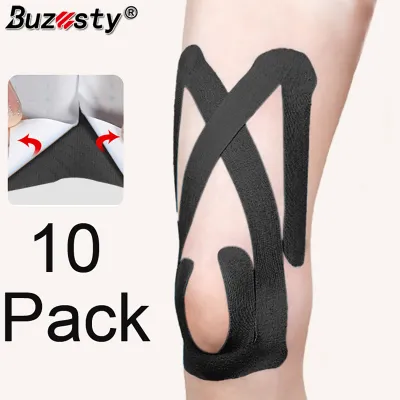
![[SG In Stock]KT Tape Kinesiology Sports Tape Elastic Relief Strain Patch Athletic Recovery Fitness Bandages(5m x 5cm)](https://img.lazcdn.com/g/p/201bd310695cb4cc6262a0ebf59d5efa.jpg_400x400q80.jpg_.webp)
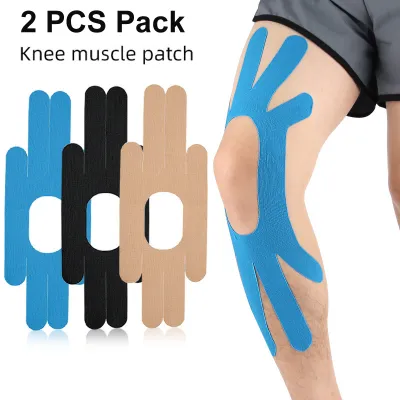

Prices are valid at publication and may change. Please refer to the product page for the latest price.

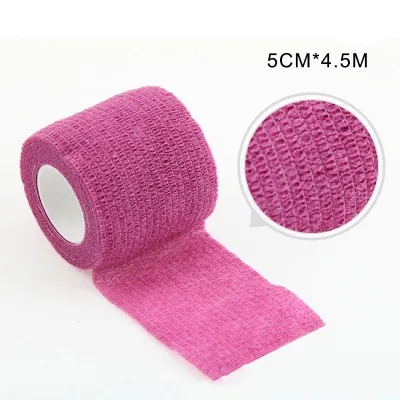
Elastic tape, commonly known as kinesiology tape or cohesive elastic bandages, is engineered with elastic fibers that allow it to stretch up to 140% or more of its original length. Instead of blocking movement, it pulls gently on the skin when you move. This action stimulates sensory receptors, providing what is known as proprioceptive feedback. This feedback helps your brain track joint positioning and muscle activation during dynamic movements.
Adhesive properties and breathability also differ significantly between the two types. Rigid tape typically uses a heavy, continuous adhesive layer that provides maximum grip but can trap sweat and moisture, potentially irritating the skin during long sessions. Elastic tape is usually woven with wave-like adhesive patterns designed to let the skin breathe and allow sweat to evaporate. This makes elastic tape more suitable for multi-day wear or high-humidity environments, such as outdoor training sessions in Singapore.
Matching Tape Type to Your Sport and Injury Profile
Selecting the right tape requires analyzing the physical demands of your activity alongside your current physical condition. A mismatch can either leave your joint vulnerable to injury or unnecessarily restrict your athletic performance.
When to Choose Rigid Tape
Rigid tape is the standard choice for high-impact, collision, or pivoting sports where sudden, unpredictable forces act on the knee. Activities like rugby, football, netball, and basketball require rapid changes of direction that can put immense stress on the ligaments. If you are returning to play after an acute ligament sprain, such as an MCL or LCL strain, rigid tape provides the external reinforcement needed to protect healing tissues from unnatural twisting.
However, rigid tape comes with distinct limitations that you must verify before application. Because it restricts natural movement, over-applying the tape can alter your running mechanics and potentially transfer stress to your ankles or hips. Additionally, rigid tape requires precise anatomical anchoring to be effective. If applied incorrectly, it can slip quickly once you begin to sweat, losing its stabilizing properties entirely.
When to Choose Elastic Tape
Elastic tape is designed for endurance, repetitive-motion, or track sports where maintaining a full, natural range of motion is essential. Runners, cyclists, triathletes, and swimmers benefit from the lightweight feel of elastic tape, which supports muscle fatigue reduction and joint awareness without altering stride or stroke mechanics. It is also highly useful for managing mild strains, patellar tracking issues, or general joint discomfort during long-distance training.
The primary limitation of elastic tape is that it offers no mechanical block against joint displacement. It cannot prevent a severe ligament sprain or stabilize a structurally compromised joint. Furthermore, its effectiveness relies heavily on applying the correct tension during application. Applying too much tension can cause skin irritation or blisters, while too little tension renders the tape ineffective, turning it into an expensive sticker.
Application, Comfort, and Skin Safety Checks
Proper skin preparation is vital for both tape types to ensure reliable adhesion and prevent painful skin irritation. Before applying any tape, clean the knee area thoroughly with soap and water to remove oils, sweat, and lotions. Ensure the skin is completely dry. If the area has thick hair, trimming or shaving it can significantly improve tape contact and make removal much less painful. For sensitive skin, applying a thin layer of hypoallergenic underwrap before using rigid tape can protect the skin barrier.
Safe removal techniques are just as important as the application process to avoid skin tears and damage. Rigid tape should be removed with extreme care, using bandage shears to cut along natural body contours or peeling it off slowly while supporting the skin with your other hand. Never rip rigid tape off quickly. For elastic tape, which uses a strong acrylic adhesive, peeling it off dry can tear the skin. It is best to saturate the tape with baby oil or cooking oil, wait a few minutes for the adhesive to break down, and then gently peel it off in the direction of hair growth.
You must monitor your skin and joint sensation continuously while wearing any tape. Stop using the tape and remove it immediately if you experience itching, burning, redness, or blistering under the taped area. Additionally, if you feel numbness, tingling, coldness in your foot, or notice any skin discoloration, the tape may be applied too tightly and restricting your blood flow. Remove it immediately to prevent tissue damage.
Decision Framework: Which Knee Tape Should You Choose?
To finalize your choice, evaluate your specific physical needs against this practical framework:
Choose Rigid Tape if:
- You require a physical, mechanical block to prevent lateral joint movement or hyperextension.
- You are recovering from an acute ligament injury and need maximum stability to return to activity safely.
- You participate in high-impact, collision, or pivoting sports where joint twisting is a constant risk.
Choose Elastic Tape if:
- You need mild support and muscle awareness while maintaining your full, natural range of motion.
- You are managing mild muscle fatigue, minor patellar tracking issues, or general joint discomfort.
- You participate in endurance sports like running or cycling where repetitive movement is the primary demand.
Verify first if:
- You are unsure of the severity of your knee pain or suspect a structural tear; always consult a physiotherapist or sports medicine professional before applying tape.
- You have sensitive skin or known adhesive allergies; check product labels for latex-free, hypoallergenic options, and perform a small patch test before full application.
Frequently Asked Questions (FAQ)
Can I wear knee tape all day?
While some elastic tapes are designed to withstand water and can be worn for multiple days, it is generally best to limit wear time to avoid skin irritation. Rigid tape should only be worn during the specific activity or match and removed immediately afterward, as its strong adhesive and lack of breathability can quickly cause skin maceration. If you experience heavy sweating, remove any tape after your workout, clean the skin thoroughly, and allow it to breathe before reapplying.
Does knee tape weaken the joint over time?
Knee tape itself does not weaken your joint, but relying on it as a permanent structural crutch can lead to muscle weakness if you neglect active rehabilitation. Tape should always be treated as a temporary tool to assist you during recovery or high-demand activities. To maintain long-term joint health and stability, you must combine taping with targeted strengthening, mobility, and balance exercises prescribed by a professional.
Is it better to use a knee sleeve instead of tape?
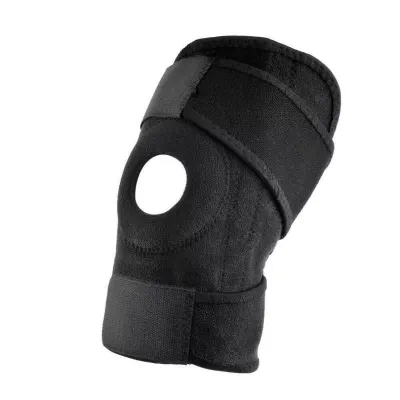
The choice between a knee sleeve and tape depends on the level of customization and convenience you need. Knee sleeves are excellent for general compression, warmth, ease of use, and long-term reusability, making them ideal for mild, chronic discomfort. However, tape offers a highly customized, adjustable application that can target specific ligaments or muscle groups in a way that a uniform, slip-on sleeve cannot match.
Community discussion
Share your experience or ask a question. Comments are reviewed before publication.