
Choosing between a rigid and a flexible finger splint for sports protection depends entirely on whether your finger requires complete immobilization or supportive mobility. There is no single option that suits every athletic scenario. A rigid splint acts as a physical barrier and structural lock, making it the primary choice when you must prevent a healing joint from bending or twisting. Conversely, a flexible splint offers compression and mild stabilization, allowing you to maintain the grip and tactile feedback necessary for active play.
In sports, a finger injury can sideline you quickly if not managed with the correct gear. Selecting the wrong type of support can either expose an unstable joint to further damage or unnecessarily restrict your performance. By understanding how these two distinct designs function under athletic stress, you can make an informed decision that protects your hand while supporting your return to the court, field, or climbing wall.
The decision process involves evaluating the nature of your sport, the severity of the injury, and your current stage of recovery. While a rigid splint is often essential during the initial, acute phase of healing, transitioning to a flexible alternative is a common progression as you rebuild strength and mobility. This guide breaks down the structural differences, sport-specific applications, and critical safety checks to help you select the right finger support for your needs.
Products mentioned in this guide
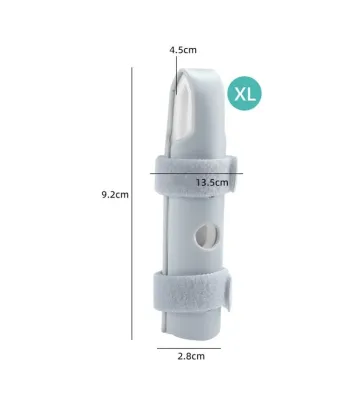
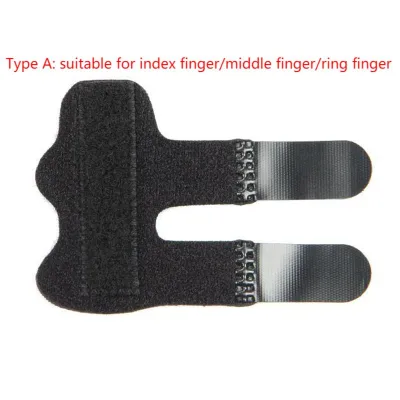
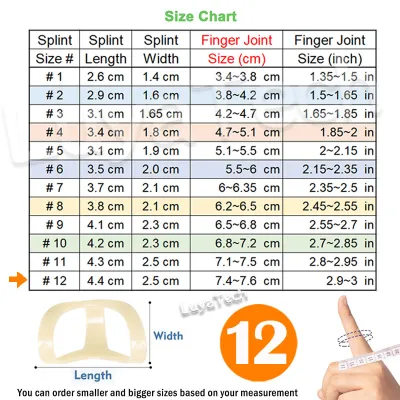
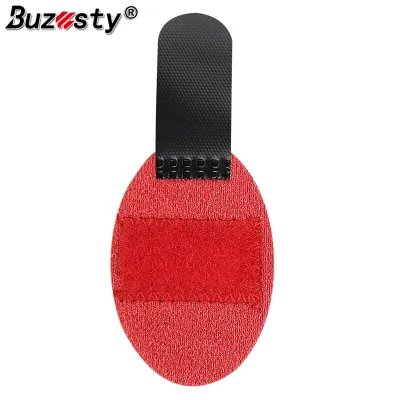
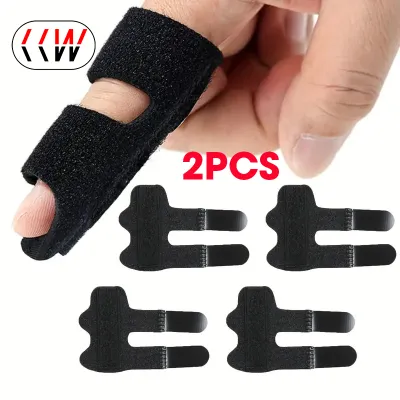
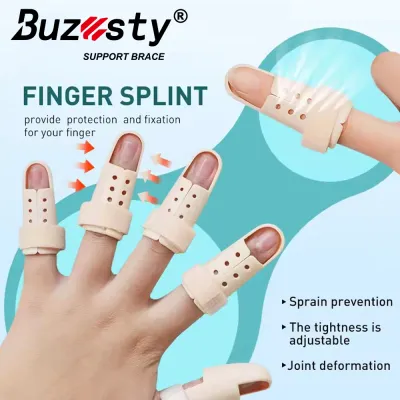
Prices are valid at publication and may change. Please refer to the product page for the latest price.
Structural Differences Between Rigid and Flexible Splints
To make an accurate choice, you must first understand how these two categories of splints are engineered. Their structural differences dictate not only how much your finger can move but also how the rest of your hand functions during physical activity.
Rigid splints are designed with a primary focus on immobilization. They typically feature a solid core made from materials like malleable aluminum, hard plastics, or stiff resins. These materials do not bend under normal athletic forces, effectively locking the affected joint in a straight or slightly curved position. When using a rigid splint, you should check the manufacturer’s specifications to verify which joints (the distal, middle, or proximal phalanges) the device is designed to isolate. Because they restrict movement so thoroughly, rigid splints significantly alter your hand mechanics, reducing your overall grip strength and eliminating tactile feedback from the splinted finger.
Flexible splints, on the other hand, prioritize compression and dynamic support. They are constructed from pliable, elastic materials such as neoprene, knitted fabrics, or silicone blends. Instead of blocking movement entirely, these splints wrap tightly around the finger to provide external stabilization while allowing the joints to bend and flex. This compression helps manage localized swelling and increases proprioception—your body’s awareness of the joint’s position. Because the materials are flexible, you retain a functional range of motion, allowing you to grip equipment, feel the ball, and maintain relatively normal hand mechanics during your sport.
The trade-off between these two designs is straightforward: rigid splints offer maximum protection at the expense of mobility, while flexible splints offer moderate support while preserving your ability to perform complex hand movements. Understanding this balance is key to matching the splint to your specific athletic demands.
Matching Splint Types to Your Sport and Recovery Stage
Different sports place unique demands on your hands, meaning a splint that works effectively for one activity might be highly impractical or even dangerous for another. Additionally, your physical recovery timeline should dictate which level of support is appropriate.

In high-impact or collision sports, such as basketball, netball, rugby, or martial arts, the risk of direct impact, jamming, or hyperextension is exceptionally high. In these environments, a rigid splint is often necessary to shield a vulnerable joint from sudden, forceful contact. For instance, if you are defending a pass or blocking a shot, a rigid aluminum or plastic splint can prevent the finger from being forced backward. However, you must ensure that any rigid external splint complies with the safety regulations of your sport’s governing body, as hard materials can sometimes pose a risk to other players.
For grip-dependent or precision sports, such as rock climbing, racket sports, golf, or gymnastics, a rigid splint is often highly restrictive. In these activities, your ability to feel the surface, wrap your fingers securely around a handle, or hold onto small edges is critical. A flexible splint or a compression sleeve is generally more appropriate here, as it provides lateral stability to the joint without locking it. This allows you to maintain the necessary grip strength and tactile sensitivity to perform precise movements safely.
Your recovery phase is another crucial factor in this decision. Immediately following a minor injury, or during the acute phase of healing, a rigid splint is typically recommended to keep the tissues still and allow inflammation to subside. As the joint stabilizes and you receive clearance from a healthcare professional, you can gradually transition to a flexible splint. This return-to-play phase uses the flexible support as a safety net, offering reassurance and mild stabilization as you rebuild muscle strength and joint flexibility.
To simplify your choice, use this basic decision framework: select a rigid splint if your primary goal is maximum joint restriction to protect a highly unstable or healing finger. Select a flexible splint if you require dynamic movement, need to maintain a strong grip, and are in the later stages of active recovery.
Essential Fit, Material, and Comfort Checks
Once you have determined the appropriate category of splint, you must evaluate the specific design features of individual models. A poorly fitting or poorly constructed splint can cause secondary issues, such as skin damage or restricted circulation, which can hinder your recovery.
Adjustability and sizing are the most critical factors for both safety and comfort. Look for splints that feature adjustable strap configurations, such as hook-and-loop fasteners, which allow you to customize the tension. The splint must fit securely enough to stay in place during vigorous movement, but it should never be so tight that it restricts healthy blood flow. When trying on a splint, ensure that the straps do not pinch the skin or bunch up in the creases of your joints, as this can lead to discomfort within minutes of starting a game.
Moisture management is another vital consideration, especially when playing in warm, humid climates like Singapore or during high-intensity workouts. Sweaty skin trapped under a non-breathable material can quickly lead to skin maceration, itching, and bacterial growth. Review the product labels and care instructions to identify breathable features, such as perforated neoprene, moisture-wicking linings, or open-air designs. Additionally, check if the splint is hand-washable, as keeping the gear clean is essential for long-term skin health.
Finally, inspect the edge finishing and interior padding of the splint. During repetitive athletic movements, the edges of a splint can rub against your skin, leading to friction blisters or painful pressure points. High-quality splints typically feature soft fabric borders, foam padding along the rigid inserts, or seamless construction. Run your fingers along the inside of the splint before wearing it to ensure there are no sharp plastic edges or rough seams that could irritate your skin during play.
Safety Limits and When to Consult a Professional
While over-the-counter finger splints are highly useful tools for sports protection and minor recovery, they have clear limitations. Using a splint incorrectly or relying on one for a severe injury can lead to long-term joint stiffness, chronic pain, or improper healing.
You must actively monitor your finger for signs of compromised circulation or nerve compression while wearing any splint. Regularly check the tip of your finger for numbness, tingling, a cold sensation, or changes in skin color (such as turning pale or blue). These symptoms are clear indicators that the splint is applied too tightly, is improperly aligned, or is restricting blood flow. If you notice any of these signs, loosen the straps immediately or remove the splint entirely to allow normal circulation to return.
It is also important to understand the scope of self-care when managing finger injuries. Over-the-counter splints are designed to provide temporary support, mild stabilization, and protection for minor sprains or strains. They are not a substitute for professional medical treatment and should not be used to self-treat undisclosed fractures, joint dislocations, or severe ligament tears. Attempting to splint a fractured or dislocated finger without professional alignment can result in permanent deformity and loss of function.
Always establish clear stop conditions for your self-care routine. You should remove the splint immediately and consult a qualified physiotherapist, sports physician, or medical professional if your pain increases, swelling worsens, or if you notice persistent structural instability in the joint. If you experience a sudden loss of sensation or if the finger looks visibly deformed after an impact, seek immediate medical attention rather than attempting to manage the injury with a retail splint.
Frequently Asked Questions (FAQ)
Can I wear a finger splint while swimming or in heavy rain?
Whether you can wear a finger splint in wet conditions depends entirely on the specific materials and construction of the device. Rigid splints made of solid plastic or anodized aluminum with waterproof straps are often highly water-resistant, whereas flexible splints made of standard neoprene or knit fabrics will absorb water and become heavy. Always check the manufacturer’s product label for specific water-safe claims and care instructions. If your splint does get wet, it is crucial to remove it and dry both your skin and the splint thoroughly to prevent skin maceration, irritation, or material degradation.
How tight should a finger splint be during a game?
During athletic activity, a finger splint should fit snugly enough to remain securely in place without sliding, but it must never restrict your circulation. A good rule of thumb is that the splint should feel firm and supportive, but you should not feel any throbbing, tightness, or loss of sensation. You can perform a quick capillary refill check by pressing firmly on the nail bed of the splinted finger until it turns white, then releasing it; the pink color should return within two seconds. If it takes longer, or if your finger feels cold, the splint is too tight and must be loosened.
Is it safe to tape a flexible splint for extra support?
Adding athletic tape over or around a flexible splint is a common practice among athletes seeking extra stability, but it must be done with caution. Applying tape too tightly can easily create a tourniquet effect, restricting blood flow and causing nerve compression during active play. If you choose to combine tape with a flexible splint, always follow specific taping techniques recommended by a sports medic, physiotherapist, or the splint manufacturer. Ensure you apply the tape with light, even tension and recheck your finger’s circulation and mobility immediately after application.
Community discussion
Share your experience or ask a question. Comments are reviewed before publication.