
Selecting the right wrist guard for pain depends on balancing joint immobilization with your daily mobility needs. Rigid wrist guards feature solid splints designed to restrict movement almost entirely, making them suitable for acute injuries, severe sprains, or post-surgical recovery where healing requires absolute rest. In contrast, flexible wrist guards utilize elastic, breathable fabrics to provide compression, warmth, and mild support, allowing you to maintain a wide range of motion during sports, typing, or daily tasks. Choosing the wrong level of support can either delay recovery by allowing too much movement or cause unnecessary stiffness by locking down a joint that needs active rehabilitation.
To make an informed decision, you must evaluate the nature of your discomfort, your daily physical demands, and how much movement your wrist must safely perform. Understanding the distinct roles of rigid and flexible supports ensures you protect your joint without compromising your long-term mobility or comfort.
Assessing Your Wrist Pain and Mobility Needs
Before browsing options, categorize your wrist discomfort to establish a clear baseline. Wrist pain generally falls into two categories: acute and chronic. Acute pain often stems from sudden impacts, falls, or severe sprains that result in immediate swelling, bruising, and an inability to bear weight. These situations typically require strict immobilization to prevent further tissue damage. Chronic pain, on the other hand, develops gradually over time, often presenting as a dull ache, stiffness, or mild throbbing associated with repetitive strain injuries, mild arthritis, or tendonitis.
Products mentioned in this guide
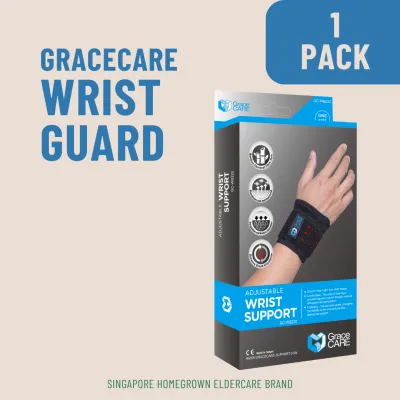
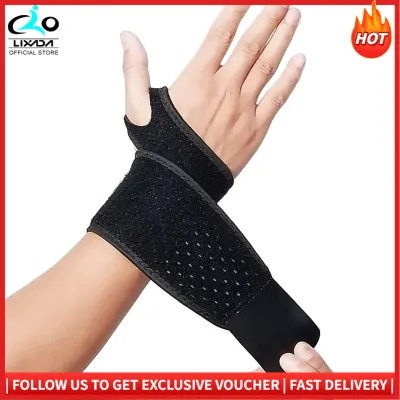
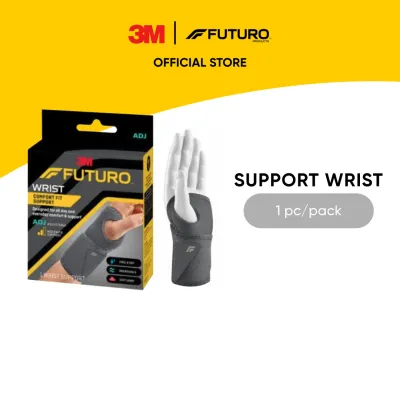
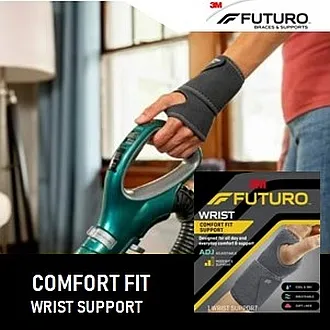
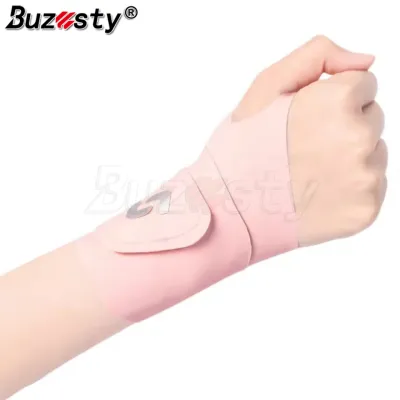
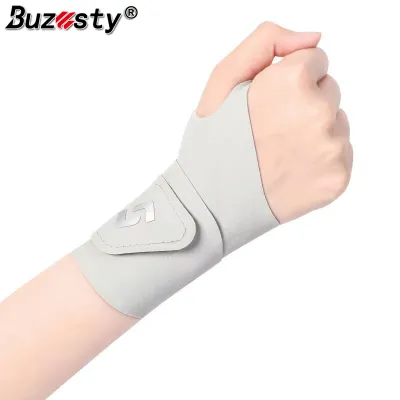

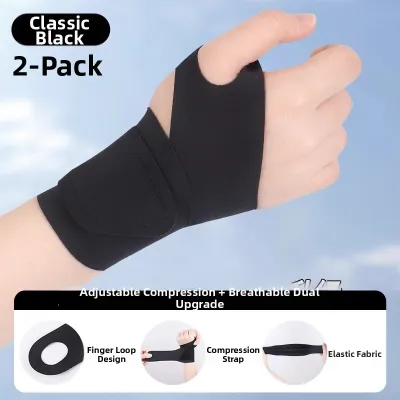
Prices are valid at publication and may change. Please refer to the product page for the latest price.
Next, consider your daily mobility requirements. If your routine involves typing at a desk in an office, lifting weights at the gym, or playing racket sports, your wrist requires a degree of flexibility to perform these tasks safely and comfortably. Restricting movement completely during these activities can place undue stress on surrounding muscles and joints, potentially leading to secondary strain. Conversely, if your work or daily tasks involve heavy manual labor where sudden, uncontrolled wrist twisting is common, a higher level of structural support may be necessary to prevent re-injury.
Observe how your wrist responds to movement. If simple actions like turning a doorknob or holding a cup cause sharp, shooting pain, your joint is signaling a need for temporary rest and stabilization. If the discomfort is more of a persistent stiffness that improves slightly with warmth and gentle movement, mild compression and flexible support are usually more appropriate. Identifying these observable signals helps you determine whether your wrist needs to be locked in place or gently supported during active use.
Rigid Wrist Guards: Maximum Immobilization for Severe Pain
Rigid wrist guards are engineered to provide maximum stability by restricting the joint’s range of motion. The defining feature of these guards is the inclusion of rigid structural components, typically made of pre-shaped metal, aluminum, or hard plastic splints. These splints run along the palm side of the wrist, and sometimes the back of the hand, to physically block flexion and extension. By holding the wrist in a neutral, straight position, these guards take the mechanical load off injured ligaments, tendons, and bones, allowing the body’s natural healing processes to occur without interruption.

These highly supportive devices are ideal for specific, severe scenarios. If you are recovering from a recent fracture, a severe grade-two or grade-three sprain, or post-surgery rehabilitation, strict immobilization is often a non-negotiable requirement. Rigid guards are also highly beneficial during acute flare-ups of chronic conditions like carpal tunnel syndrome, where keeping the wrist straight during high-risk periods—such as overnight—prevents pressure buildup on the median nerve.
However, maximum support comes with distinct trade-offs. Rigid guards are inherently bulky, which can make wearing them under tight clothing or long sleeves difficult. They significantly restrict fine motor tasks, making activities like typing, writing, or handling small tools challenging and frustrating. Additionally, because the rigid materials press firmly against the skin to maintain stability, users must carefully monitor for skin irritation, chafing, or pressure sores. Ensuring the guard features padded linings and adjustable straps can help mitigate these comfort issues during prolonged wear.
Flexible Wrist Guards: Compression for Active Mobility
Flexible wrist guards focus on providing compression, warmth, and mild joint guidance rather than physical immobilization. Constructed from elastic, neoprene, knit, or nylon fabrics, these guards wrap snugly around the wrist joint without the use of rigid splints. The primary therapeutic benefit comes from targeted compression, which helps manage localized swelling and increases blood circulation to the area. This localized warmth can soothe stiff muscles and make the joint feel more supple and ready for movement.
Another key advantage of flexible guards is the enhancement of proprioception—your body’s subconscious awareness of joint position and movement. The constant, gentle pressure of the elastic fabric against your skin provides sensory feedback, reminding you to maintain proper wrist alignment during physical activities. This makes flexible guards highly suitable for managing chronic aches, mild repetitive strain injuries, mild arthritis, or for use during active sports like tennis, gymnastics, or weightlifting where wrist flexibility is essential for performance.
Despite their versatility, flexible guards have clear limitations. They do not provide the structural reinforcement needed to protect a severely compromised joint, meaning they are entirely unsuitable for acute fractures or severe ligament tears. If subjected to high-impact forces, a flexible guard cannot prevent the wrist from bending past its safe physiological limits. Furthermore, during intense, high-impact, or sweaty activities, some flexible sleeves may roll, slip, or bunch up, requiring frequent adjustments to maintain consistent compression and comfort.
Comparing Rigid and Flexible Wrist Guards
To help you visualize the differences between these two support levels, it is helpful to compare their core characteristics side by side. While both types aim to alleviate wrist pain, they achieve this through entirely different mechanical approaches. Rigid guards prioritize structural control and joint rest, whereas flexible guards prioritize compression, warmth, and active movement.
The following comparison table outlines how each guard type performs across key decision-making dimensions:
| Dimension | Rigid Wrist Guards | Flexible Wrist Guards |
|---|---|---|
| Primary Function | Maximum immobilization and joint stabilization | Compression, warmth, and mild joint support |
| Support Level | High to maximum | Low to moderate |
| Mobility Restriction | High; prevents bending and twisting | Low; allows natural range of motion |
| Common Materials | Metal/plastic splints, heavy-duty nylon | Neoprene, elastic knit, spandex blends |
| Ideal Scenarios | Post-surgery, severe sprains, carpal tunnel flare-ups | Mild arthritis, typing, sports, repetitive strain |
| Key Trade-offs | Bulky, limits fine motor tasks, potential chafing | No structural support, may slip during high activity |
When evaluating these dimensions, keep in mind that individual product specifications can vary widely. Material durability, exact compression levels, and specific washing instructions are highly brand-dependent. Always verify these details on the individual product labels and manufacturer specifications to ensure the guard aligns with your daily routine and maintenance preferences.
Decision Framework: Choosing the Right Guard for Your Needs
Selecting the appropriate wrist guard requires a systematic approach based on your current physical condition and daily demands. To simplify this process, you can apply a straightforward conditional matrix to guide your purchase decision:
- Choose a Rigid Guard if: You are recovering from an acute injury, have been advised by a professional to immobilize the joint, experience sharp pain when bending your wrist, or need to prevent wrist flexion during sleep to manage carpal tunnel symptoms.
- Choose a Flexible Guard if: You suffer from mild, chronic aches or stiffness, require a full range of motion for work or sports, want to keep the joint warm during physical activity, or need mild compression to manage minor swelling.
- Choose Neither (and seek professional evaluation) if: Your wrist pain is undiagnosed, accompanied by severe swelling, visible deformity, or intense shooting pain, or if you experience persistent numbness and tingling in your fingers.
Before finalizing your choice, use a practical checklist to verify the guard’s suitability. First, check the sizing chart provided by the manufacturer; an improperly sized guard will either fail to support the joint or cut off circulation. Second, look for adjustable straps that allow you to customize the tension as your swelling subsides or increases throughout the day. Third, inspect the inner lining to ensure the material is soft and breathable, especially if you plan to wear the guard for several hours at a time. Finally, always check the product tags for material composition to avoid known skin allergens, and review the care instructions to ensure the guard can be easily cleaned without losing its shape or elasticity.
Safety Boundaries and When to See a Doctor
While wrist guards are excellent tools for managing discomfort and supporting recovery, they are not a substitute for professional medical care. Relying solely on a brace to treat a serious, undiagnosed injury can lead to improper healing, chronic joint instability, or long-term mobility loss. It is critical to recognize the physical signs that indicate your condition requires immediate medical attention rather than self-treatment.
Monitor your hand and wrist closely while wearing any support device. If you experience observable warning signs such as numbness, persistent tingling, severe swelling, or if your fingers become cold or change color, loosen or remove the guard immediately. These symptoms suggest that the guard is too tight, poorly fitted, or that there is underlying nerve compression or circulatory compromise that must be evaluated by a healthcare professional.
Always remember that wrist guards are designed to assist your recovery, not replace a comprehensive treatment plan. If your wrist pain worsens despite wearing the guard, or if you see no improvement after a couple of weeks of consistent use, stop using the device and consult a doctor or physical therapist. A qualified professional can provide an accurate diagnosis, prescribe targeted physical therapy exercises to rebuild strength, and ensure you are using the correct supportive equipment safely.
Frequently Asked Questions (FAQ)
Can I wear a wrist guard while sleeping?
Yes, you can wear a wrist guard while sleeping, but the choice of guard depends heavily on your specific symptoms and comfort. Rigid wrist guards are frequently recommended for nighttime wear, particularly for individuals managing carpal tunnel syndrome, as they prevent the wrist from bending awkwardly during sleep and reducing pressure on the median nerve. However, it is vital to ensure the rigid guard fits correctly and is not fastened too tightly, as prolonged pressure overnight can lead to skin irritation or localized circulation issues. Flexible guards are generally less suitable for sleeping; because they lack structural support, they can easily bunch up, twist, or restrict blood flow as you move in bed, potentially causing discomfort or waking you up. Always check the manufacturer’s guidelines and consult a healthcare provider for personalized advice on overnight wear.
How tight should a wrist guard feel?
A wrist guard should feel snug and supportive, but never painfully tight or restrictive to your circulation. The standard guideline is to ensure the guard stays securely in place without sliding, while still allowing you to slip a finger comfortably under the straps. After fastening the guard, perform a quick circulation check: press down firmly on one of your fingernails until it turns white, then release it. The natural pink color should return within two seconds; if it takes longer, or if your fingers feel cold, numb, or start to tingle, the straps are too tight and must be loosened immediately. When adjusting the guard, tighten the straps evenly along the length of the brace rather than pulling a single strap excessively, which helps distribute pressure uniformly across the joint and prevents localized discomfort.

Community discussion
Share your experience or ask a question. Comments are reviewed before publication.