
Quick Answer: Is RockTape Worth the Premium?
Kinesiology taping is a common sight across Singapore’s fitness communities, from runners pacing along East Coast Park to lifters training in local gyms. In our hot and humid tropical climate, finding a tape that stays secure against heavy sweat and frequent showers is a constant challenge. The choice between premium options like RockTape and more affordable alternatives often comes down to balancing performance requirements against your personal budget.
The short answer is yes, RockTape is worth the premium, but only if your physical activities and environmental conditions demand it. RockTape is widely recognized for its exceptional adhesive strength and high elasticity, making it highly suitable for intense, high-sweat sports and multi-day wear. If you are engaging in long-distance running, competitive swimming, or high-intensity functional fitness in Singapore’s humidity, the premium price is often justified by the tape’s ability to stay put.
For casual gym-goers, those using tape for short-term recovery, or individuals practicing basic application techniques, cheaper alternatives can offer excellent value. It is also crucial to consider skin sensitivity before purchasing any brand. Always inspect product packaging for hypoallergenic and latex-free certifications, as the strongest adhesives can sometimes trigger adverse skin reactions in sensitive individuals.
Products mentioned in this guide
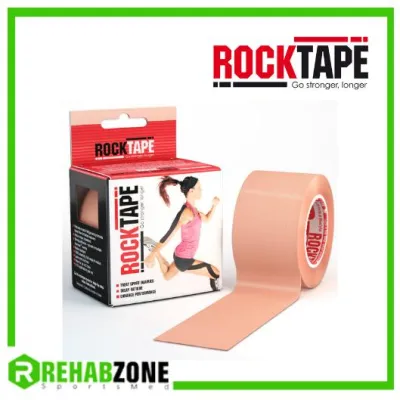
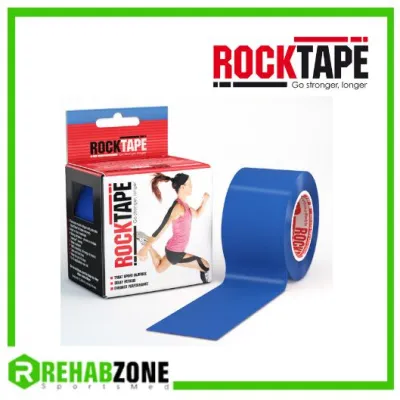
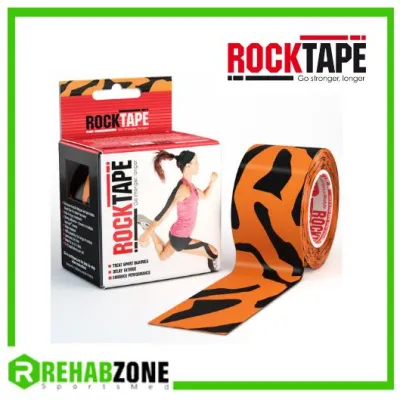
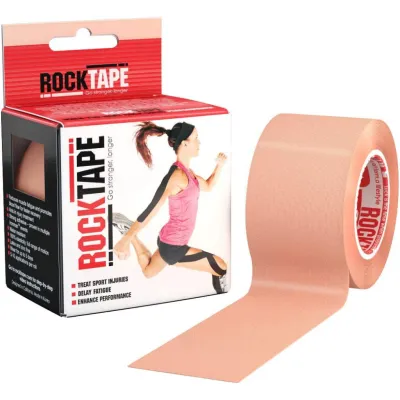
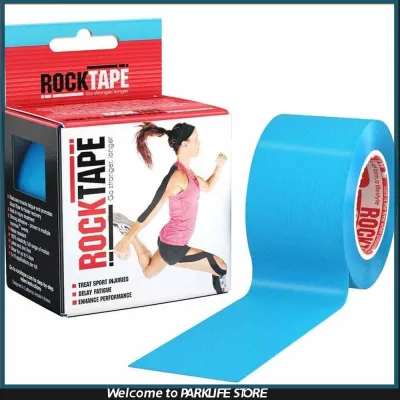
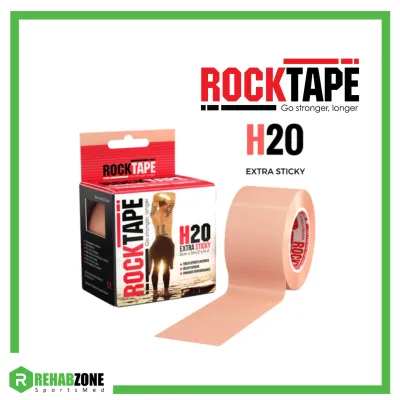
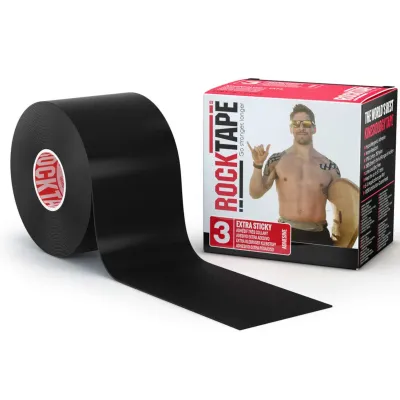
Prices are valid at publication and may change. Please refer to the product page for the latest price.
How to Evaluate Kinesiology Tape Support and Durability
To make an informed purchase, you must understand the physical properties that dictate how a kinesiology tape performs. The first element to evaluate is the material composition. Traditional cotton tapes are highly breathable and comfortable for daily wear, making them a solid choice for general support. Synthetic blends, such as nylon or rayon, typically offer faster drying times and higher snap-back tension, which is highly beneficial for water sports or heavy outdoor workouts.

Elasticity and stretch capacity directly influence how much dynamic support the tape provides without restricting your range of motion. While marketing materials often use vague terms like “maximum stretch,” you should verify the manufacturer’s stated stretch percentage on the technical specifications. High-quality tapes generally offer a stretch capacity of 140% to 180%, allowing them to mimic the natural elasticity of human skin.
The adhesive formulation is another critical factor. Most kinesiology tapes utilize a medical-grade, heat-activated acrylic adhesive rather than rubber-based glues, which minimizes the risk of allergic reactions. However, the density and pattern of the adhesive wave vary significantly between brands. A denser adhesive pattern provides a stronger grip but reduces overall breathability, which can lead to moisture trapping underneath the tape.
Finally, water and sweat resistance determine the tape’s actual lifespan on your body. In Singapore’s climate, a tape with poor water resistance will quickly lose its grip and peel at the edges. Look for product descriptions that explicitly state the expected wear time under wet conditions, and check if the tape is rated for swimming or multi-day use.
RockTape: Features, Fit, and Best Use Cases
RockTape has built its reputation on offering superior stretch and durability under extreme conditions. According to manufacturer specifications, it features an elasticity of up to 180%, which is higher than many standard clinical tapes. This extra stretch allows for greater dynamic tension, making it highly effective for active sports where joints move through extreme ranges of motion.
The primary strength of RockTape lies in its heavy-duty adhesive. It is specifically formulated to withstand intense friction, heavy sweating, and exposure to water. This makes it the ideal choice for outdoor athletes in Singapore, such as trail runners, triathletes, and dragon boat paddlers, who require a tape that will not budge during hours of continuous exertion.
However, this powerful adhesive comes with a notable trade-off. Users with delicate or highly sensitive skin may find that the strong grip causes redness, irritation, or discomfort during removal. To mitigate this risk, it is highly recommended to perform a small patch test. Apply a small, tension-free square of the tape to your inner forearm and leave it on for 24 hours to monitor for any signs of irritation before proceeding with a full application.
To get the most out of RockTape, proper skin preparation is absolutely essential. The skin must be completely clean, dry, and free of oils, lotions, or sunscreen. Shaving or trimming dense body hair in the application area will significantly improve adhesive contact. Additionally, always round the corners of each tape strip with scissors before applying, as rounded edges are far less likely to catch on clothing and peel prematurely.
Alternative Kinesiology Tapes: Budget and Specialty Options
If you do not require the extreme durability of RockTape, the market offers a wide variety of alternative options tailored to different needs. Budget-friendly tapes are widely available and serve as an excellent starting point for beginners. These options are highly cost-effective for practicing complex taping patterns or for short-term use, such as a single workout session or a brief recovery walk.
For individuals prone to skin irritation, sensitive-skin alternatives are a highly practical choice. These tapes are manufactured with a gentler, less aggressive adhesive formulation or utilize organic cotton backings that allow for better skin breathability. While they may not stay attached for multiple days or survive intense swimming sessions, they significantly reduce the risk of contact dermatitis and are much easier to remove painlessly.
When browsing alternatives, you will also need to choose between pre-cut strips and continuous rolls. Pre-cut strips offer unmatched convenience, allowing you to quickly apply standard shapes (like “I” or “Y” strips) without needing scissors. Continuous rolls, on the other hand, provide complete customization. They allow you to cut exact lengths tailored to your specific body dimensions, which minimizes waste and offers better long-term value for regular users.
Comparing Price and Value in Singapore
When shopping for kinesiology tape in Singapore, evaluating value requires looking beyond the initial price tag on the box. Instead, calculate the cost per meter in S$ by dividing the retail price by the total length of the roll. A cheaper roll might seem like a bargain, but if it peels off after a single sweaty workout, you will end up using twice as much tape over time compared to a premium roll that lasts for several days.
To ensure you are getting genuine products, purchase your tape from authorized local sports retailers, official brand stores, or reputable online marketplaces. Counterfeit or low-quality tapes are common on unauthorized digital platforms; these products often use substandard adhesives that can cause severe chemical burns or allergic skin reactions. Buying from trusted sources guarantees that the product has met standard safety and manufacturing quality controls.
Ultimately, the value equation depends on your specific usage patterns. If you only tape your knee occasionally for light recovery walks, a budget-friendly or sensitive-skin tape is the most economical choice. Conversely, if you are training for a marathon or participating in competitive sports where tape failure could disrupt your performance, investing in a premium, high-durability tape like RockTape offers far better practical value.
Final Decision Framework: Which Tape Should You Choose?
To help you make the right choice, use this simple decision framework based on your activity level, skin type, and performance goals:
- Choose RockTape if:
- You engage in high-intensity, high-sweat, or water-based sports.
- You require the tape to stay secure for multiple days (up to 5 days, depending on skin type).
- You need maximum dynamic support and high elasticity for wide ranges of motion.
- You do not have a history of sensitive skin or adhesive allergies.
- Choose alternative brands if:
- You have highly sensitive skin or are taping a child or elderly individual.
- You only need support for short-term activities (less than 24 hours) or light recovery.
- You prefer the quick convenience of pre-cut strips for standard joint applications.
- You are on a tight budget and want to practice different taping techniques.
- Verify and test first if:
- You are unsure how your skin will react to strong adhesives. Always perform a patch test first.
- You are dealing with an acute injury, severe swelling, or chronic joint instability. Kinesiology tape is a supportive accessory, not a medical cure. Always consult a qualified physiotherapist or healthcare professional in Singapore to diagnose your injury and guide your rehabilitation process.
Frequently Asked Questions (FAQ)
How long can I safely leave kinesiology tape on my skin?
You should always refer to the specific manufacturer’s instructions on the packaging, as wear times vary. Generally, high-durability tapes can be left on for 3 to 5 days, while gentler alternatives are designed for 1 to 2 days. However, you must remove the tape immediately if you experience any itching, burning, redness, pain, or blistering under or around the taped area. To remove the tape safely without damaging your skin, apply baby oil or olive oil to saturate the tape, wait a few minutes to dissolve the adhesive, and gently peel it off in the direction of hair growth.
Does the color of the kinesiology tape affect its performance?
No, the color of the tape is purely aesthetic and has no impact on its physical properties, stretch capacity, or adhesive strength. All colors within the same product line of a specific brand are manufactured using identical materials and adhesive formulations. You can choose your tape color based on personal style, team colors, or visibility preferences without worrying about any difference in support or durability.
Can I apply kinesiology tape myself, or do I need a professional?
Basic applications for straightforward areas, such as the calf, hamstring, or quadriceps, can easily be done at home by following official manufacturer video guides or step-by-step tutorials. However, complex joint stabilization (such as the shoulder or ankle) or taping for acute injuries and post-surgical rehabilitation should always be performed or guided by a qualified physiotherapist. Incorrect application tension or placement can restrict circulation or fail to provide the intended support. Remember that equipment and self-taping cannot replace professional medical training and clinical judgment.
Community discussion
Share your experience or ask a question. Comments are reviewed before publication.