
Choosing between rubber bumper plates and cast iron barbell plates is one of the most critical decisions when building a home gym. The right choice depends on your training style, floor protection needs, and space constraints. If your workouts involve dropping the barbell from overhead or shoulder height—such as in Olympic weightlifting or high-intensity functional fitness—rubber bumper plates are essential to prevent damage to your equipment and floor. Conversely, if you focus on traditional powerlifting lifts like squats, bench presses, and deadlifts where the weight is controlled back to the floor, cast iron plates offer a space-saving, cost-effective solution that allows you to load more weight onto the barbell sleeve.
Understanding the Design and Material Differences
To make an informed decision, you must first understand the fundamental physical and material distinctions between these two types of barbell plates. Cast iron plates are constructed from solid poured iron or steel, resulting in a highly dense finished product. This high density allows manufacturers to keep the plates relatively thin. Because they take up minimal space on the barbell sleeve, you can load a substantial amount of weight onto a single bar, which is a primary requirement for heavy strength training.
Rubber bumper plates, on the other hand, consist of a dense rubber core molded around a central steel or brass collar. The rubber can be made from virgin rubber, which is dense and smooth, or recycled crumb rubber, which is softer and has more bounce. To ensure that the barbell lands evenly when dropped, bumper plates of almost all weight increments share a uniform outer diameter, typically 450 millimeters. This means a thin 5-kilogram bumper plate has the same height as a thick 25-kilogram bumper plate, preventing the lighter plates from bending when they hit the ground.
Products mentioned in this guide
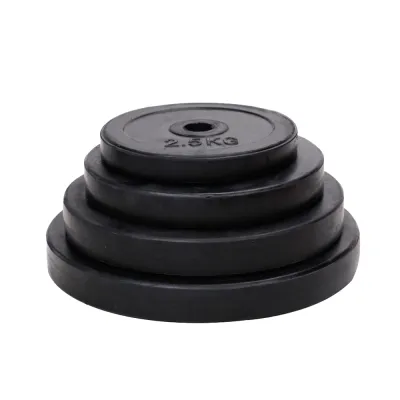
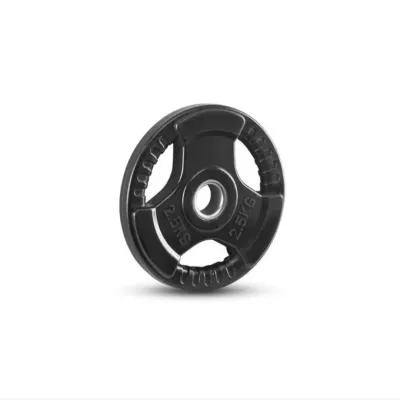
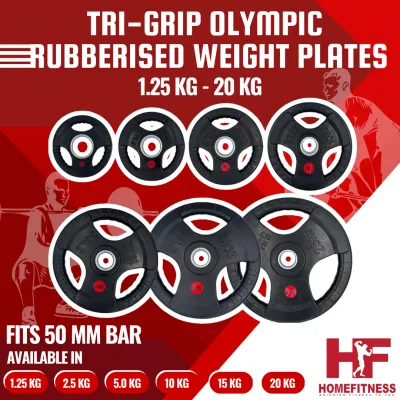
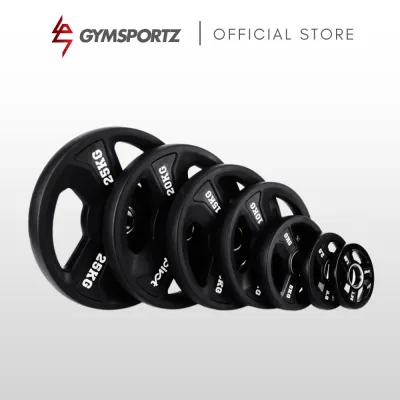
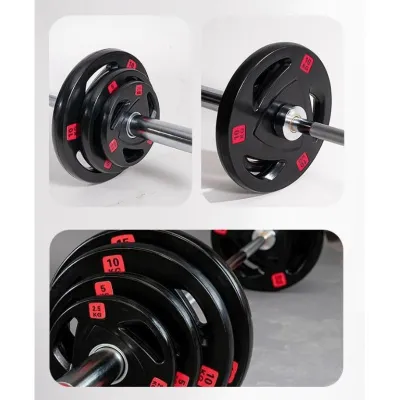
![[INSTOCK] PVC Black Weight Plates / Barbell Plates / Barbell Weights by SGFITNESS (1-15KG) (Sold in PAIRS)](https://img.lazcdn.com/g/p/8202adf63442db736d9447c4a3757c99.png_400x400q80.png_.webp)
Prices are valid at publication and may change. Please refer to the product page for the latest price.
This uniform diameter directly impacts weight distribution and how the barbell behaves during a lift. Because cast iron plates are thin, they sit closer to the center of the barbell. This tight distribution keeps the center of gravity stable and minimizes barbell whip, which refers to the flexing and bending of the bar under heavy loads. Bumper plates, due to their thickness, push the weight further out toward the ends of the barbell sleeves. This outward weight distribution increases barbell whip, a characteristic that Olympic lifters utilize to help transition under the bar, but one that powerlifters often find destabilizing during heavy squats or bench presses.
Aligning Plate Choice With Your Training Style
Your preferred training methodology is the most important factor in determining which barbell plate you should purchase. For Olympic weightlifting movements like the snatch and the clean and jerk, as well as high-intensity functional fitness routines, rubber bumper plates are a safety requirement. These dynamic exercises frequently require you to drop the loaded barbell from overhead or shoulder height. Bumper plates are specifically engineered to absorb this impact, protecting the barbell’s internal sleeve bearings, the floor, and the lifter from dangerous rebounds. Attempting to drop cast iron plates from any height can crack the plates, bend the barbell, and cause severe structural damage to your floor.

For powerlifting and traditional strength training, cast iron plates remain the industry standard. Exercises such as the squat, bench press, and deadlift do not require dropping the barbell from height. Instead, the weight is controlled throughout the entire range of motion. The thin profile of cast iron plates allows advanced lifters to load heavy weights close to the center of the bar, maintaining structural rigidity. Additionally, many lifters prefer the tactile feedback and classic sound of iron plates during a heavy training session.
If your routine focuses on general fitness, bodybuilding, or hypertrophy training, your needs are highly versatile. Many general fitness enthusiasts prefer cast iron plates that feature integrated grip holes, often referred to as tri-grip plates. These cutouts make the plates much easier to pick up off the floor, carry around your workout space, and use for off-barbell exercises such as weighted lunges, plate raises, or abdominal twists. Standard bumper plates rarely feature these grip holes, making them more awkward to handle with one hand during fast-paced workouts.
Assessing Your Home Gym Space and Floor Protection
Setting up a home gym in Singapore requires careful consideration of your housing type and floor structure. In high-density residential buildings like HDB flats or condominiums, structural protection and noise mitigation are paramount. Dropping heavy weights, even when using rubber bumper plates, sends low-frequency vibrations through concrete floors that can easily disturb neighbors and potentially damage floor tiles.
Cast iron plates offer virtually no impact absorption. If you drop an iron plate, the force transfers directly into the floor. To use cast iron safely at home, you must control every repetition back to the ground and invest in high-density rubber gym tiles to prevent cosmetic cracking of ceramic or vinyl flooring. Even with controlled movements, the metal-on-metal contact of cast iron plates sliding on a barbell sleeve creates a distinct noise that can carry through shared walls.
Rubber bumper plates absorb a significant portion of the impact energy, but they do not eliminate vibration entirely. In a high-rise apartment, dropping bumper plates from hip height can still cause disruptive noise for neighbors living below you. Furthermore, the physical thickness of bumper plates means they require larger storage trees or horizontal racks, taking up a larger footprint in a compact spare room or balcony gym. Cast iron plates stack tightly against one another, making them much easier to store in small spaces.
Comparing Durability, Maintenance, and Long-Term Value
Durability and maintenance requirements vary based on material composition and your local training environment. Singapore’s tropical climate and high humidity levels present a constant challenge for gym equipment. Cast iron plates, especially those with basic painted finishes, are highly susceptible to rust if exposed to humid air in non-air-conditioned balcony or garage gyms. To prevent rust, cast iron plates require regular inspection, wiping down to remove sweat, and occasional touch-ups with rust-resistant paint or a light coat of maintenance oil.
Rubber bumper plates do not rust, but they are subject to other forms of environmental and physical degradation. Over time, lower-quality rubber can dry out, crack, or begin to peel, especially if exposed to direct sunlight on a balcony. A common failure point for bumper plates is the separation of the central steel insert from the rubber body, which usually occurs from repeated drops on uneven surfaces. Keeping your bumper plates clean, dry, and stored away from direct sunlight will help preserve the rubber’s integrity.
In terms of long-term value, cast iron plates generally offer a lower price-per-kilogram ratio compared to rubber bumper plates. They are simpler to manufacture and virtually indestructible if used correctly, often lasting a lifetime. Bumper plates represent a higher initial investment but provide the versatility needed for dynamic lifting styles. When purchasing, always check the manufacturer’s warranty terms, particularly regarding how many drops the bumper plates are rated for and whether the warranty covers use on bare concrete or requires a dedicated lifting platform.
Frequently Asked Questions (FAQ)
Can I mix rubber bumper and cast iron plates on the same barbell?
You can mix rubber bumper and cast iron plates on a single barbell, but only under specific conditions and never for exercises where the barbell is dropped. For static lifts like squats or bench presses, mixing plates is safe as long as you load them symmetrically on both sides to maintain balance. However, if you drop a mixed barbell, the cast iron plates will hit the ground first if they have a smaller diameter, transferring uneven shock to the bumper plates. This can crack the iron plates, damage the bumper’s steel insert, or bend the barbell. Always ensure the bumper plates are positioned to take the impact if any ground contact occurs, and consult your equipment manufacturer’s guidelines.
Do I need a lifting platform if I use rubber bumper plates?
While rubber bumper plates absorb a large amount of shock, they do not completely protect your subfloor from heavy, repeated impacts. If you are deadlifting or performing Olympic lifts on a standard concrete or tiled residential floor, a dedicated lifting platform or thick rubber gym mats are highly recommended. The platform distributes the force of the drop across a wider surface area, preventing the concrete underneath from cracking over time and significantly dampening the noise and vibration transmitted through the building structure.
Community discussion
Share your experience or ask a question. Comments are reviewed before publication.