
Selecting the right soundproof mat for a home gym depends entirely on the physical demands of your workouts, as no single material excels at every task. Rubber provides unmatched durability for heavy weights, foam offers affordable joint cushioning for bodyweight exercises, and cork delivers a natural, aesthetic surface for low-impact floor work. Understanding how these materials handle impact, vibration, and wear is key to protecting both your joints and your subfloor.
How to Match Mat Materials to Your Workout Style
Weightlifting and heavy strength training demand flooring that can withstand sudden, high-velocity impacts. When you drop a heavy dumbbell or barbell, the kinetic energy must be absorbed and dispersed rapidly. If a mat is too soft, it will bottom out, allowing the weight to strike the subfloor directly and potentially crack the concrete or damage wooden joists. For these activities, check the manufacturer’s density specifications and prioritize high-density vulcanized or recycled rubber. A thickness of at least 8mm is standard for light lifting, while heavy deadlifts typically require 15mm to 20mm of solid rubber to ensure adequate load-bearing capacity and equipment stability.
High-intensity interval training (HIIT) and high-impact cardio require a careful balance between joint support and energy return. Rapid lateral movements, jump squats, and burpees put significant stress on your ankles, knees, and hips. Foam mats, particularly those made from high-density ethylene-vinyl acetate (EVA), offer excellent initial cushioning that reduces joint fatigue. However, standard foam can sometimes feel too spongy, which reduces stability during quick direction changes and increases the risk of rolled ankles. To prevent this, evaluate the foam’s compression deflection rating or consider a thin, high-density rubber mat over a firm underlayment to get the necessary traction without sacrificing shock absorption.
Products mentioned in this guide
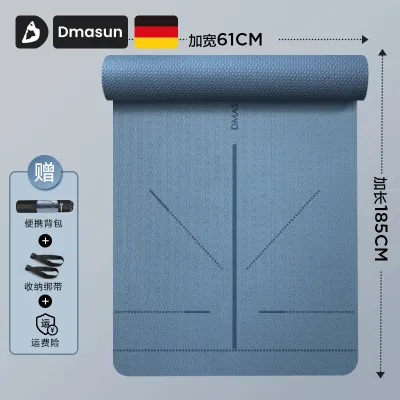
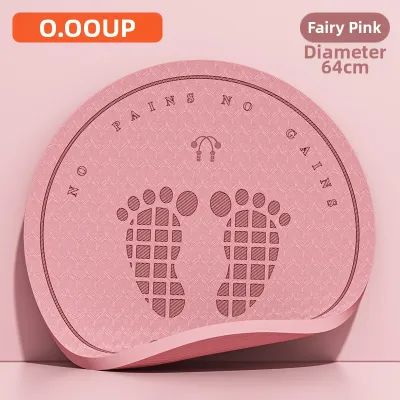
Prices are valid at publication and may change. Please refer to the product page for the latest price.
Yoga, Pilates, and general floor work focus on stability, balance, and comfort during static holds. For these exercises, the surface texture of your mat is just as important as its thickness. Cork is an exceptional material for floor work because its natural texture provides excellent grip that actually improves when slightly damp from sweat. It offers a firm, grounding surface that prevents your hands and feet from sliding during challenging poses. Foam is also a popular, budget-friendly alternative for floor work, providing a soft barrier against cold, hard floors. When choosing foam for yoga or Pilates, look for closed-cell varieties with a textured, non-slip pattern to ensure your hands remain securely in place.
Verifying Impact Absorption and Sound Dampening Claims
When shopping for a soundproof mat, it is easy to get lost in vague marketing promises of complete silence. To make an informed decision, look for standardized acoustic metrics on product specification sheets. The most reliable indicators of performance are the Impact Insulation Class (IIC) and Sound Transmission Class (STC) ratings. The IIC specifically measures how well a material blocks impact sounds, such as footsteps or dropped weights, from traveling through a floor assembly. The STC measures the reduction of airborne sounds, like music or voices. Mats backed by independent laboratory test certifications against these standards offer verifiable proof of their dampening capabilities.

It is a common misconception that a thicker mat always provides superior soundproofing. In reality, thickness and density must work together to address different types of noise. A thick, low-density foam mat will compress completely under a heavy treadmill or weight bench, rendering its sound-dampening properties useless under localized pressure. Conversely, a thinner, high-density rubber mat maintains its structural integrity under heavy loads, continuously absorbing and dispersing vibrations. For heavy gym equipment, a dense, medium-thickness mat is far more effective at preventing structural noise than a thick, soft foam tile.
Your home’s subfloor construction also dictates how much soundproofing assistance you actually need. Concrete subfloors are highly effective at blocking airborne noise but transmit impact vibrations easily throughout the building structure. Suspended wooden floors flex under impact, acting like a drum that amplifies low-frequency thuds. If your gym is built on a wooden subfloor, a single mat may not be enough to isolate the sound. You will need to verify if the manufacturer recommends installing a dedicated acoustic underlayment, such as mass-loaded vinyl or a specialized rubber crumb base, beneath your primary gym mats to decouple the flooring from the building structure.
Durability, Maintenance, and Floor Protection
Rubber is widely regarded as the gold standard for durability in commercial and home gyms alike. It is highly resistant to tearing, gouging, and permanent indentation from heavy power racks, dumbbells, or cardio machines. However, rubber does have practical trade-offs that you must consider before installation. New rubber mats, especially those made from vulcanized rubber, often release a strong, distinct odor known as off-gassing. This smell can persist for several weeks in enclosed, poorly ventilated spaces. Additionally, rubber mats are exceptionally heavy, making them difficult to transport, cut, and lay down without assistance.
Foam tiles are incredibly lightweight, highly portable, and easy to assemble using interlocking puzzle edges. They are also simple to maintain, requiring only a quick wipe down with mild soap and water to remove sweat and dirt. The primary drawback of foam is its limited lifespan under heavy use. Stationary gym equipment will leave permanent, unsightly indentations in foam tiles within a matter of days. High-traction athletic shoes can also scuff, tear, or stretch the foam surface during intense workouts, meaning you will likely need to replace high-traffic sections regularly.
Cork offers a unique set of natural benefits, including built-in antimicrobial properties that resist mold, mildew, and odors. This makes it an excellent choice for humid climates or poorly ventilated basements where sweat accumulation is a concern. However, cork’s moisture resistance is not absolute; standing water can seep into the seams and damage the backing material over time. Furthermore, cork has lower shear strength than rubber. While it handles vertical compression well, repeated high-impact lateral movements or dropping heavy iron plates can cause the natural cork granules to crumble or crack along the edges.
Decision Framework: Which Soundproof Mat Should You Choose?
To finalize your decision, align your choice with your primary workout style, budget, and living constraints.
Choose rubber if your routine centers on heavy free weights, barbell drops, or heavy stationary machinery like treadmills and rowing machines. It offers the necessary floor protection, equipment stability, and long-term wear resistance required for intense strength training.
Choose foam if you prioritize lightweight portability, easy installation, and a budget-friendly way to cover a large floor area. It is ideal for bodyweight cardio, stretching, and temporary workout spaces that need to be packed away after use.
Choose cork if you prefer sustainable, natural materials, perform mostly low-impact floor exercises like yoga or Pilates, and want a warm, visually appealing floor that blends seamlessly into a multi-use living space.
Before making a purchase, verify your local living conditions and building rules. If you reside in a high-rise apartment or condominium with strict strata management noise guidelines, standard retail mats may not prevent complaints from downstairs neighbors. Motorized treadmills, in particular, generate continuous low-frequency motor vibrations that require specialized, high-density vibration isolation pads rather than general-purpose gym mats. Taking the time to verify these details beforehand will ensure your home gym remains a safe, functional, and neighbor-friendly space.
Frequently Asked Questions (FAQ)
Can I layer foam under rubber for better soundproofing?
Layering soft foam beneath heavy rubber is generally not recommended for active workouts. While it might seem like an effective way to increase cushioning, the soft foam base compromises the stability of the top rubber layer. During lateral movements or heavy lifts, the floor can shift or compress unevenly, creating a serious tripping hazard or causing ankle instability. If you require extra dampening, look for engineered dual-durometer mats or use a firm, flat acoustic underlayment specifically rated for gym use. Always check the manufacturer’s installation guidelines to ensure layering does not void the product warranty.
Do soundproof mats completely eliminate noise for downstairs neighbors?
No gym mat can completely eliminate noise in multi-story residential buildings. Soundproof mats are designed to dampen impact noise—the physical vibration of a weight hitting the floor—by converting kinetic energy into heat. They do very little to block airborne noise, such as loud music, shouting, or the mechanical hum of a treadmill motor. To minimize disturbance to downstairs neighbors, you must combine high-density mats with behavioral adjustments, such as avoiding late-night workouts, using bumper plates, and placing heavy cardio equipment near load-bearing walls. If noise limits are strictly enforced by your building’s management, consider consulting an acoustic specialist to measure decibel transfer before setting up heavy lifting stations.
Community discussion
Share your experience or ask a question. Comments are reviewed before publication.