
Finding the right massage ball for foot pain relief depends entirely on your specific symptoms, tissue sensitivity, and comfort tolerance. There is no single “best” material that works for everyone. Instead, the ideal choice is determined by whether you require deep, structural release or superficial sensory stimulation.
Firm rubber massage balls are the premier choice for deep, targeted trigger point therapy. They maintain their shape under your full body weight, allowing you to penetrate deep into the plantar fascia to break up stubborn, chronic knots. Foam massage balls offer a softer, more forgiving surface that distributes pressure broadly. They are ideal for beginners, individuals with highly sensitive feet, or anyone managing an acute flare-up of pain where aggressive pressure would cause further inflammation. Spiky or textured massage balls focus on surface-level stimulation. Rather than reaching deep muscle tissue, their blunt protrusions stimulate skin receptors, boost local blood circulation, and provide sensory feedback, making them excellent for warming up before a workout.
By understanding how these materials interact with your foot anatomy, you can select a recovery tool that safely and effectively addresses your discomfort.
Products mentioned in this guide
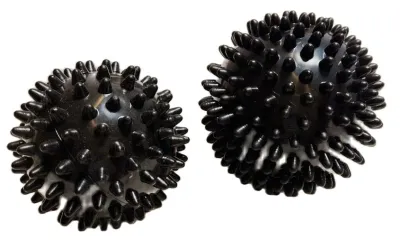
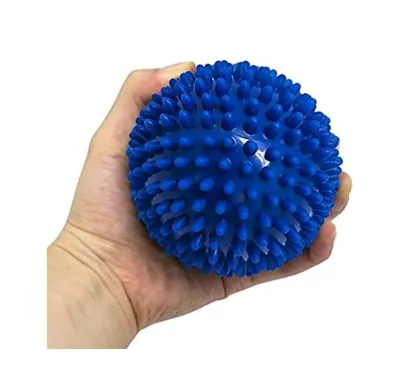
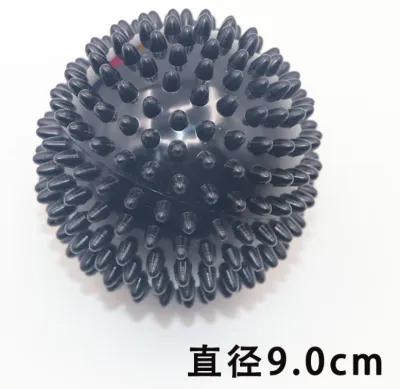
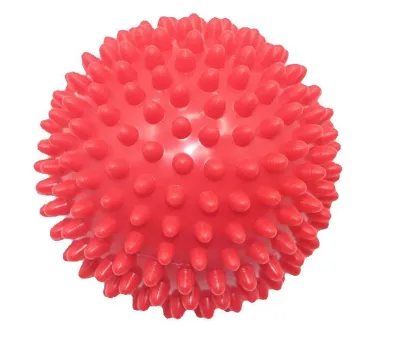
![[Ready Stock] TPE Heavy and Hard Massage Ball / Yoga Ball /Acupressure massage ball / Foot Body Relieve Muscle Fatigue](https://img.lazcdn.com/g/p/b0f628be0d070162f1de88eb59d07cad.png_400x400q80.png_.webp)
Prices are valid at publication and may change. Please refer to the product page for the latest price.
Quick Answer: Which Material is Best for Your Foot Pain?
Choosing the right material comes down to a simple assessment of your current pain level and recovery goals. Because foot tissues vary in sensitivity, a tool that provides relief for one person might cause bruising or pain for another.
If you are dealing with chronic, deep-seated arch stiffness or morning heel pain, a firm rubber ball is the most effective option. Its dense structure provides the mechanical force necessary to reach deep myofascial layers. For those experiencing acute, tender pain, or if you are completely new to self-myofascial release, a foam ball offers a gentle, low-risk starting point. It cushions the foot while still promoting circulation. If your primary goal is to warm up your feet before physical activity, address mild numbness, or improve local circulation, a spiky ball is the ideal choice because it stimulates surface nerves without putting intense pressure on deeper muscles.
How Foot Pain Types Dictate Your Massage Ball for Foot Choice
Foot pain is highly diverse, meaning a one-size-fits-all recovery tool often fails to deliver results. For instance, an active individual in Singapore who frequently runs on hard concrete park connectors will experience a different type of strain than someone who stands all day in thin-soled dress shoes. To find the most effective solution, you must match the physical properties of the massage ball for foot recovery to your specific type of discomfort.

Common foot pain profiles generally fall into three categories. The first is deep myofascial tightness, often characterized by a tight, pulling sensation along the arch or a sharp ache near the heel upon waking. This is typical of chronic plantar fascia tension, where the thick band of connective tissue on the bottom of the foot becomes stiff and restricted. The second profile is general muscle fatigue, which presents as a dull, aching soreness across the entire sole after prolonged standing or high-impact exercise. The third profile involves surface nerve sensitivity or poor circulation, which can manifest as coldness, mild numbness, or a restless sensation in the feet.
Myofascial release works by applying sustained pressure to these restricted tissues, encouraging them to elongate and relaxing the surrounding muscles. The density of the massage ball you choose dictates how deeply this pressure penetrates. If you use a ball that is too soft on deep, chronic knots, the material will simply collapse, failing to reach the restricted tissue layers. Conversely, applying an excessively hard material to an acutely inflamed, highly sensitive foot can cause micro-tears, bruising, and localized swelling, which delays the natural healing process.
Firm Rubber Massage Balls: Deep Tissue and Targeted Relief
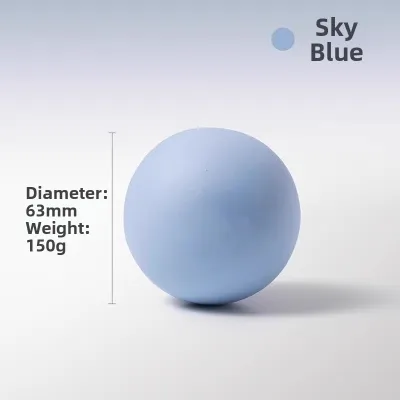
Firm rubber massage balls are designed for deep, focused myofascial release. Typically manufactured from dense, high-grade vulcanized rubber or solid synthetic elastomers, these tools are built to withstand significant downward force without compressing or losing their shape. When you place your foot on a firm rubber ball, the material resists your weight, concentrating the pressure into a highly localized area.
The primary advantage of firm rubber is its exceptional durability and capacity for deep tissue penetration. It allows you to target specific, deep-seated trigger points—often referred to as “knots”—within the intrinsic muscles of the foot and the plantar fascia. The naturally high-friction, grippy surface of rubber also prevents the ball from slipping on smooth indoor flooring, such as polished wood, laminate, or tile, ensuring you can maintain precise control over the placement of the pressure.
However, these benefits come with notable trade-offs. Because firm rubber does not compress, it is highly unforgiving. Using a dense rubber ball requires a relatively high pain tolerance, especially during the first few sessions. If you apply too much weight too quickly, or if you roll over bony structures like the metatarsal joints or the heel bone, you risk causing sharp pain, periosteal irritation, or localized bruising.
This material is best suited for individuals dealing with chronic, long-term foot tightness, thick or rigid arches, and those who have already adapted to lighter forms of massage. It is highly effective for athletes who need to apply substantial body weight to achieve a deep release. To ensure safety, always avoid rolling directly over the heel bone or any areas showing signs of acute swelling, redness, or heat. If you are recovering from a recent injury, consult a physiotherapist or healthcare professional before using a firm rubber ball to avoid exacerbating the condition.
Foam Massage Balls: Gentle Recovery and Comfort
Foam massage balls offer a highly approachable, gentle alternative for foot recovery. Usually crafted from expanded polypropylene (EPP) or high-density ethylene-vinyl acetate (EVA), these balls provide a noticeable degree of “give” or compression when pressure is applied. Instead of forcing your tissue to conform to a hard surface, the foam contours slightly around the shape of your sole.
The main benefit of a foam ball is its forgiving surface, which distributes your body weight across a wider contact area. This significantly reduces the intensity of the pressure, making it comfortable for those with sensitive feet or individuals who are new to self-myofascial release. If you are managing an acute flare-up of foot pain where deep, aggressive pressure is contraindicated, a foam ball allows you to perform gentle, pain-free rolling. This movement helps stimulate lymphatic flow, flush metabolic waste from tired muscles, and encourage relaxation without the risk of causing micro-trauma to already sensitive tissues.
The primary limitation of foam is its inability to address deep, stubborn myofascial restrictions. If you have dense, chronic knots or a highly rigid arch, a foam ball will simply compress under your weight, failing to provide the mechanical force required to release the tissue. Additionally, foam is less durable than rubber. With frequent, heavy standing use, lower-density foam balls can permanently deform, lose their spherical shape, or begin to flake and degrade over time.
Foam is the ideal choice for beginners, individuals with a low pain tolerance, and those looking for a gentle post-workout recovery tool to flush out soreness. To maximize the utility of a foam ball, you can easily adjust the pressure by changing your body position. Start by sitting on a chair and rolling the ball under your foot, applying light downward pressure. If you require a slightly deeper sensation, you can gradually lean forward to transfer more weight through your leg, or carefully transition to a standing position while keeping your other foot firmly planted for support.
Spiky Massage Balls: Surface Stimulation and Circulation
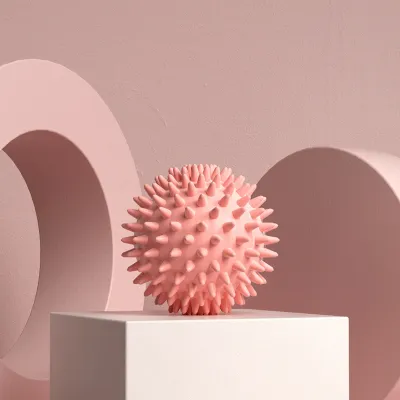
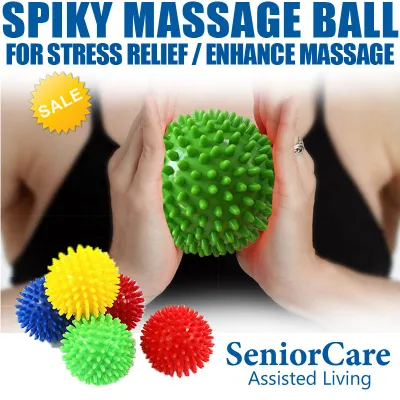
Spiky massage balls, covered in small, blunt protrusions, are designed primarily for sensory stimulation and superficial tissue work rather than deep muscular release. Usually made from hard polyurethane, PVC, or firm rubber, these spikes are engineered to press into the outermost layers of the skin and the superficial fascia that lies just beneath it.
The standout advantage of a spiky texture is its ability to rapidly stimulate local blood circulation and nerve endings. As you roll your foot over the spikes, the localized pressure triggers a mild inflammatory response that dilates blood vessels, bringing a rush of warm, oxygenated blood to the sole of the foot. This intense sensory feedback is highly effective for “waking up” the feet, making spiky balls an excellent pre-workout warm-up tool to improve proprioception and foot mobility before running or jumping. They are also highly valued by individuals who experience mild numbness, cold feet, or sensory fatigue from standing on hard surfaces for long periods.
However, spiky balls have clear structural limitations. The spikes distribute your weight across dozens of tiny points, which actually prevents the ball from sinking into the deeper muscle bellies of the foot. Therefore, they are not an effective tool for breaking up deep, chronic myofascial knots. Furthermore, if you apply excessive standing weight to a hard, spiky plastic ball, the sharp points can easily cause skin irritation, extreme discomfort, or localized bruising.
A spiky ball should be viewed as a specialized tool for circulation and sensory preparation rather than a primary tool for deep recovery. It is best used for quick, light rolling sessions lasting one to two minutes before physical activity. If your primary goal is to relieve deep, structural tension or address a painful knot in the center of your arch, you should opt for a smooth, firm rubber ball instead.
Material Comparison Matrix: Firmness, Texture, and Use Cases
The table below summarizes the physical characteristics and primary applications of each massage ball material to help you quickly identify the right tool for your recovery routine.
| Material Type | Firmness Level | Texture/Feel | Pressure Depth | Pain Tolerance Required | Ideal Foot Condition |
|---|---|---|---|---|---|
| Firm Rubber | High (No give) | Smooth, grippy | Deep / Targeted | High | Chronic tightness, rigid arches, stubborn knots |
| Foam | Medium to Low (Pliable) | Smooth, soft | Shallow / Broad | Low to Medium | Acute soreness, sensitive feet, beginner recovery |
| Spiky | High (Rigid spikes) | Textured, pointed | Superficial / Sensory | Medium | Poor circulation, cold feet, pre-workout warm-up |
Decision Framework: Matching Your Pain to the Right Ball
To make your final decision, evaluate your current symptoms, recovery goals, and physical comfort levels. Matching your specific foot condition to the correct material ensures a safe and effective recovery process.
- Choose Firm Rubber if: You are dealing with chronic, deep-seated arch tightness, have a high pain tolerance, and require targeted trigger point release to break up stubborn myofascial knots.
- Choose Foam if: You are a beginner to self-myofascial release, have highly sensitive feet, or are recovering from an acute flare-up where gentle, broad pressure is needed to soothe tissues without causing irritation.
- Choose Spiky if: Your primary goals are to stimulate surface nerves, boost local blood circulation, warm up your feet before physical activity, or address general sensory fatigue.
- Verify first if: You experience sharp, shooting pain, have been diagnosed with diabetes, peripheral neuropathy, or have a history of foot fractures. In these scenarios, always consult a podiatrist or physiotherapist before initiating any self-myofascial release routine to avoid accidental injury.
Safe Usage Guidelines and When to Stop
Using a massage ball effectively requires adhering to safe usage boundaries to prevent soft tissue damage or bone bruising. Limit your rolling sessions to 1 to 2 minutes per foot. Over-rolling can over-stimulate the nerves and lead to localized inflammation, leaving your feet more tender and sore the next day. Consistency is key; a short, daily rolling session is far safer and more effective than an infrequent, prolonged session.
When rolling, always avoid putting direct, heavy pressure on bony landmarks. The heel bone (calcaneus) and the bony joints at the base of your toes are highly sensitive and lack protective muscle cushioning. Pressing a hard ball directly into these bones can cause painful periosteal bruising. Focus your movements instead on the soft, fleshy arch and the muscular outer edges of the sole.
Pay close attention to your body’s feedback during the session. It is normal to feel a deep, dull ache—often described as a “good hurt”—as tight muscles begin to release. However, if you experience sharp, stabbing, electric, or shooting pain, stop immediately. These are clear warning signs of nerve compression or acute tissue damage. Remember, massage balls are recovery tools, not medical cures. If your foot pain persists for more than a few weeks or worsens despite rest and gentle rolling, seek a professional evaluation from a qualified healthcare provider.
Frequently Asked Questions (FAQ)
How long should I use a massage ball on my foot each day?
You should limit focused rolling to 1 to 3 minutes per foot per session. Over-rolling can lead to tissue irritation, inflammation, or bruising, which hinders your recovery. Consistency is far more effective than duration; performing a short, gentle session once or twice a day is much safer and more beneficial than an infrequent, prolonged session. Always let your comfort levels guide the pressure and duration of each roll.
Is it safe to use a spiky or firm massage ball if I have diabetes?
If you have diabetes or peripheral neuropathy, you must exercise extreme caution. Reduced nerve sensation can mask pain signals, meaning you could easily cause unnoticed skin damage, micro-tears, or deep tissue bruising when using a firm or spiky ball. Always consult your healthcare provider or podiatrist before starting any self-myofascial release routine. Additionally, perform a thorough visual inspection of your feet after every session to check for redness, irritation, or broken skin.
Community discussion
Share your experience or ask a question. Comments are reviewed before publication.