
Setting up a home gym in a Housing & Development Board (HDB) flat requires balancing fitness goals with the realities of high-density vertical living. When choosing a 5kg weight plate, the material you select directly affects your flooring, your relationship with your downstairs neighbours, and your storage space. Bumper plates, rubber-coated plates, and cast iron plates each offer distinct mechanical properties that suit different training styles and HDB configurations.
For most HDB residents, rubber-coated 5kg weight plates offer the most practical balance of noise dampening, floor safety, and space efficiency. They provide a protective barrier that reduces impact noise during controlled lifts while remaining thin enough to maximize barbell sleeve space. Bumper plates offer superior noise reduction and floor protection due to their thick, shock-absorbing design, but their bulkiness severely limits how many plates you can load onto a standard barbell. Cast iron plates are highly compact and the most budget-friendly option, but they produce sharp, high-frequency metal-on-metal clanking and present a high risk of cracking ceramic floor tiles. If you choose cast iron, investing in heavy-duty, high-density rubber gym flooring is an absolute necessity to prevent structural damage and noise complaints.
How Rubber, Iron, and Bumper Plates Perform in an HDB
To choose the right plate material, you must understand how these products interact with the physical structure of a standard Singaporean apartment. Noise transmission, floor impact, spatial footprint, and climate resilience are the primary factors to evaluate.
Products mentioned in this guide
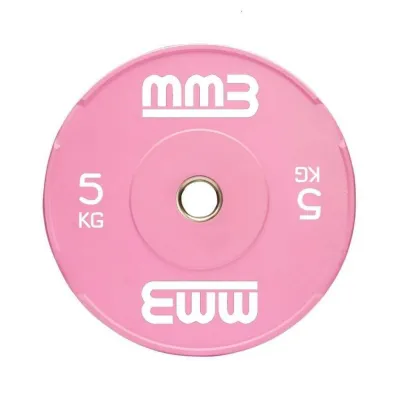
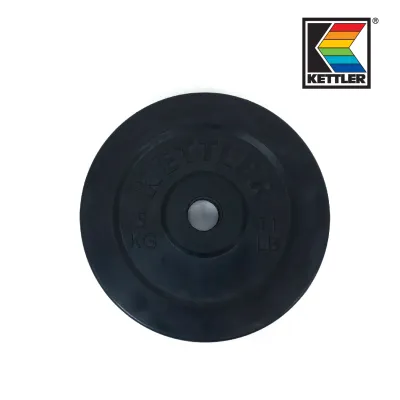
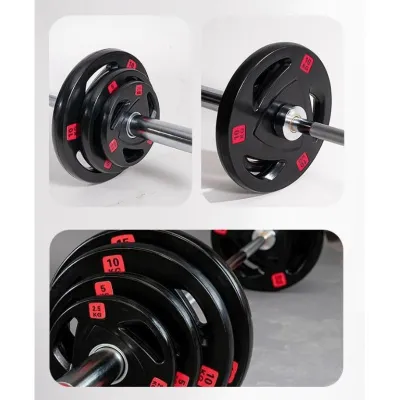
Prices are valid at publication and may change. Please refer to the product page for the latest price.
Noise Reduction and Neighbour Impact
In an HDB flat, structural noise is the primary source of friction between neighbours. HDB blocks are constructed using reinforced concrete slabs, which are highly efficient at transmitting low-frequency impact vibrations. When a weight plate makes contact with the floor, the kinetic energy converts into structural vibration that travels down through the concrete floor into the ceiling of the unit below. This is known as structure-borne noise, and it is far more difficult to block than airborne noise.
Bumper plates are engineered from high-density vulcanized rubber or polyurethane, designed specifically to absorb and dissipate kinetic energy. When a barbell loaded with 5kg bumper plates is set down, the elastomeric material deforms slightly, extending the deceleration time of the impact and lowering the peak force transmitted to the floor. This makes bumper plates the quietest option, converting sharp impacts into a dull, low-frequency thud that is less likely to disturb neighbours.
Rubber-coated plates consist of a solid cast iron core encased in a thin layer of rubber or polyurethane. While this outer layer prevents the sharp metal-on-metal clanking when plates slide against each other on a barbell sleeve, it provides limited impact absorption. The thin rubber coating dampens high-frequency noise but does little to stop the heavy structural vibrations of a sudden drop.
Cast iron plates offer zero shock absorption. Any impact with the floor or another plate results in a sharp, metallic ring and an immediate transfer of kinetic energy directly into the building structure. This high-frequency sound easily penetrates walls and floors, making cast iron highly disruptive in a quiet HDB estate. Even with controlled lowering, the minor adjustments and re-centering of a barbell loaded with iron plates will create a persistent clanking sound. Regardless of the material you choose, controlled lowering is mandatory for home training; no residential equipment can fully offset the impact of a completely dropped barbell.
Floor Protection and Drop Tolerance
HDB flats typically feature ceramic tiles, homogeneous tiles, luxury vinyl tiles (LVT), or engineered wood parquet flooring. Ceramic and homogeneous tiles are brittle and highly susceptible to cracking under point-load impacts. Vinyl and parquet are softer but can easily suffer deep indentations, tears, or scratches when subjected to heavy, hard objects.
A 5kg weight plate might seem light, but if dropped from height or set down unevenly, the force concentrated on its edge can easily exceed the fracture threshold of a standard ceramic tile. Cast iron plates concentrate their entire mass onto a thin, rigid metal edge. If a cast iron plate slips or is dropped flat, the localized stress on the flooring is immense, making tile cracks almost inevitable without thick protective barriers.
Rubber-coated plates mitigate this risk by providing a softer contact surface. The rubber coating acts as a cushion, distributing the force of localized impacts across a slightly wider surface area and preventing direct metal-on-tile contact. This significantly reduces the risk of surface scratching and minor chipping on ceramic or vinyl floors.
Bumper plates offer the highest level of floor protection. Because 5kg bumper plates are manufactured to the same outer diameter as heavier plates (typically 450mm), they distribute their weight over a much larger surface area. The wider edge and pliable rubber compound absorb the localized shear stress, preventing the concentrated point-loading that damages subfloors. However, 5kg bumper plates are thin relative to their large diameter, making them prone to bending or “tacoing” if dropped individually on a barbell. They should always be handled with care and paired with appropriate lifting techniques.
Thickness, Barbell Space, and Storage
HDB flats are known for their compact rooms, where every square meter of floor space must be optimized. This spatial constraint extends directly to your lifting equipment and storage racks. The physical dimensions of your 5kg weight plate determine how easily you can store your gear and how much weight you can eventually load onto your barbell.
Because 5kg bumper plates must match the standard 450mm Olympic diameter while remaining relatively light, they are often disproportionately thick. A typical 5kg bumper plate can range from 25mm to over 30mm in thickness. If you plan to progress your lifts, these thick plates will quickly consume the usable sleeve space on your barbell, limiting the maximum load you can lift. Furthermore, storing large-diameter bumper plates requires substantial vertical or horizontal rack space, which can crowd a small spare bedroom or study.
In contrast, cast iron and rubber-coated 5kg plates are highly compact. A standard cast iron 5kg plate is generally less than 20mm thick and has a much smaller diameter (typically around 200mm to 230mm). This compact profile allows you to stack multiple plates closely together, preserving barbell sleeve space for heavier weights as your strength progresses.
Rubber-coated plates are slightly thicker than cast iron due to the protective outer layer, but they remain far more compact than bumper plates. They offer an ideal compromise, allowing you to load your barbell efficiently while keeping your storage footprint minimal. You can easily slide rubber-coated plates under a bed or stack them neatly in a corner rack without dominating the room.
Durability, Rust, and Odour in Humid Climates
Singapore’s tropical climate features high relative humidity, often exceeding 80% year-round. This moisture-rich environment poses unique maintenance challenges for gym equipment, particularly in homes without continuous air conditioning.
Cast iron is highly susceptible to oxidation. Uncoated or poorly painted cast iron plates will inevitably develop surface rust when exposed to humid air. This rust can stain hands, clothing, and flooring. To prevent oxidation, cast iron plates require regular maintenance, including wiping them down with a dry cloth after workouts and occasionally applying a thin coat of mineral oil or 3-in-1 oil. They must be stored in dry, well-ventilated indoor areas, away from open windows or damp service yards.
Rubber-coated plates protect the underlying iron core from moisture, significantly reducing the risk of rust. However, cheaper rubber plates often utilize recycled rubber bound with polyurethane adhesives, which can emit a strong, unpleasant chemical odour (off-gassing). In a small, enclosed HDB bedroom, this smell can quickly become overwhelming, especially when the room is closed up for air conditioning. High-quality virgin rubber or polyurethane plates minimize this odour but come at a higher price point.
Bumper plates made from high-grade virgin rubber or dense urethane are highly resistant to both rust and moisture degradation. They do not require oiling and maintain their structural integrity well in humid conditions. However, standard rubber materials can degrade, harden, or crack if left in direct sunlight, such as on an unshaded HDB balcony or next to a bright window. Keeping them indoors and away from direct UV exposure is essential for long-term durability.
Decision Framework: Choose Based on Your HDB Setup
To make the right choice, evaluate your training style, budget, and the specific physical layout of your HDB flat.

- Choose Bumper Plates if: You perform dynamic Olympic weightlifting movements, such as cleans, jerks, and snatches, or powerlifting deadlifts where the barbell must be returned to the floor quickly. Noise reduction and absolute floor protection are your primary concerns, and you have downstairs neighbours sensitive to impact sounds. You also need to have a dedicated lifting platform or thick rubber tiles to support the wide diameter of the plates.
- Choose Rubber-Coated Plates if: You focus on general strength training, bodybuilding, or hypertrophy work using controlled, slow eccentric movements (e.g., squats, bench presses, overhead presses). You need to maximize the space on your barbell sleeves to allow for future strength progression without running out of room, and you want a compact, low-maintenance setup that is easy to store in a small room or closet.
- Choose Cast Iron Plates if: You are working with a strict budget and want the lowest cost-per-kilogram for your strength equipment. You prefer the traditional feel and sound of iron lifting, have ample barbell sleeve space, and are willing to invest heavily in thick, professional-grade floor mats to completely isolate the weights from your HDB floor tiles.
- Verify first if: Your HDB tenancy agreement or estate guidelines contain specific clauses regarding home business use or heavy equipment installations. While standard 5kg plates and typical home gym setups (under 150kg total weight) rarely exceed residential structural loading limits (typically 150kg per square meter for HDB flats), it is always prudent to distribute your equipment weight evenly across the room and avoid concentrated heavy storage in a single corner.
Beyond the Plates: Essential Floor Protection for HDB Flats
No matter which 5kg weight plate material you choose, relying solely on the plate’s coating to protect your home is a major mistake. Even a rubber bumper plate dropped from knee height can crack a ceramic tile if the subfloor is uneven or if the impact force is concentrated. Proper gym flooring is a mandatory investment for any HDB home gym.
Cheap, lightweight ethylene-vinyl acetate (EVA) foam tiles—often sold as colorful play mats—are highly inadequate for weight training. Under the weight of a loaded barbell or even a heavy dumbbell rack, EVA foam compresses completely, losing all its shock-absorbing capacity. Once compressed, it transfers almost 100% of the impact force directly to the tiles below, rendering it useless for floor protection.
Instead, opt for high-density, vulcanized rubber mats. These are often sold as heavy-duty interlocking gym tiles or solid rubber rolls (similar to commercial horse stall mats). For an HDB gym, a minimum thickness of 15mm is highly recommended, while 20mm to 25mm provides superior vibration isolation. These dense rubber mats absorb the high-velocity impact energy and distribute it horizontally across the mat, preventing point-loading damage to your subfloor.
Before laying down your mats, verify that your HDB floor is level. Uneven tiles can create small air gaps beneath the rubber mats. When a weight hits a spot directly above an air gap, the tile is subjected to bending stress, which significantly increases the risk of cracking. Ensure your mats are laid flat and tightly interlocked to create a seamless, protective barrier.
Frequently Asked Questions (FAQ)
Can I use cast iron plates on HDB tiles without a mat?
You should never use cast iron plates directly on bare HDB tiles, even if you plan to set them down with extreme care. Cast iron is completely rigid, meaning any contact concentrates the entire weight onto a tiny surface area. Even a gentle tap can chip the glaze of ceramic tiles or cause structural hairline cracks that expand over time. Always use a high-density rubber mat of at least 15mm thickness to protect your flooring.
Will rubber weight plates smell up my small HDB bedroom?
Yes, cheaper rubber-coated or bumper plates can release volatile organic compounds (VOCs) that produce a strong, pungent rubber smell. In a small, unventilated HDB bedroom, this odour can quickly become overwhelming. To prevent this, unbox new rubber plates in a well-ventilated area, such as a service yard or balcony, and let them air out for several days before bringing them inside. Alternatively, look for plates made from premium polyurethane (PU) or virgin rubber, which are virtually odourless.
Are 5kg bumper plates too thick for a standard barbell?
Standard 5kg bumper plates are designed to match the 450mm diameter of heavier plates, which makes them very thin relative to their height. To prevent them from bending or warping when dropped, manufacturers often make them wider (usually 25mm to 30mm thick). This added thickness can quickly crowd a standard barbell sleeve, limiting your ability to add more weight as you progress. If you need to load multiple plates, compact rubber-coated or cast iron plates are a much more space-efficient choice for the 5kg increment.
Community discussion
Share your experience or ask a question. Comments are reviewed before publication.