
Selecting sports eyewear requires aligning frame design and lens technology with the physical and environmental demands of your sport. For athletes navigating cycling, running, and triathlon, choosing the right rudy project sunglasses involves balancing distinct performance priorities. Cyclists require expansive fields of vision, aerodynamic wind protection, and seamless helmet integration. Runners demand lightweight, bounce-free frames with exceptional ventilation to combat sweat-induced fogging. Triathletes must find a versatile middle ground that transitions smoothly from high-speed bike legs to high-impact runs under shifting light conditions. By understanding how frame geometry, adjustable grip systems, and advanced lens technologies interact, you can select eyewear that enhances both safety and performance.
Identifying the Core Eyewear Demands of Your Sport
Each athletic discipline subjects your face to unique physical forces and environmental hazards. In cycling, high speeds generate continuous wind resistance that can dry out your eyes, cause tearing, or carry airborne debris like dust, insects, and road grit. To counter this, cyclists require a wrap-around shield design that acts as a physical barrier. Furthermore, when riding in an aggressive, aerodynamic position—such as down in the drops or on aero bars—your head is tilted forward, forcing your gaze upward. This position requires sunglasses with an unobstructed upper frame boundary and a wide, panoramic field of view, ensuring you can spot oncoming traffic or road hazards without your vision being blocked by the frame’s top rim.
Running introduces a different set of physical dynamics, characterized by continuous vertical oscillation and high-impact strides. Here, frame stability is paramount; any minor slippage can disrupt focus and cause skin irritation over long distances. Because runners move slower than cyclists, they benefit less from natural wind cooling, which increases the accumulation of body heat and sweat around the face. This makes maximum ventilation a critical requirement. Minimalist, semi-rimless, or fully open frames are often preferred for running because they allow heat to escape upward and outward, preventing the lenses from fogging up during intense efforts in humid environments, such as running along Singapore’s coastal park connectors.
Products mentioned in this guide
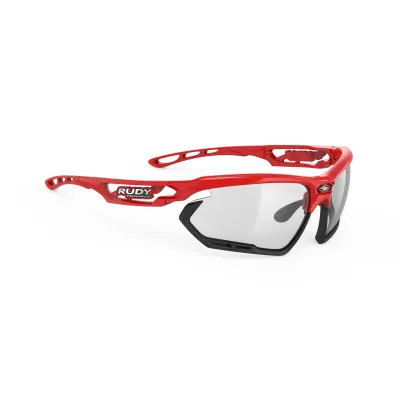
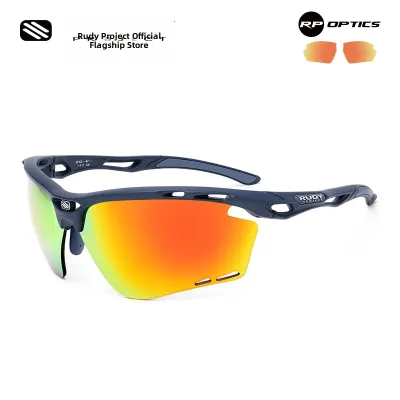
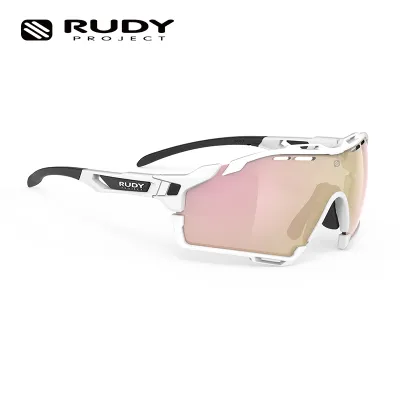
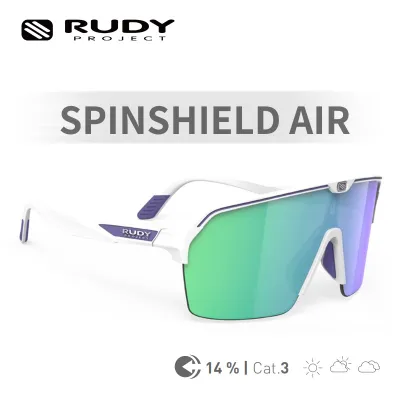
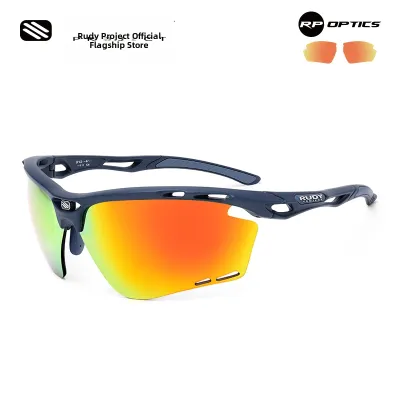
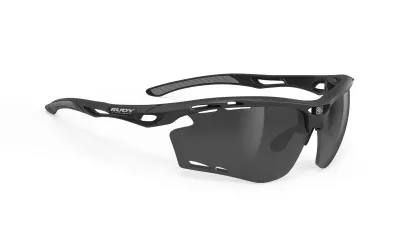
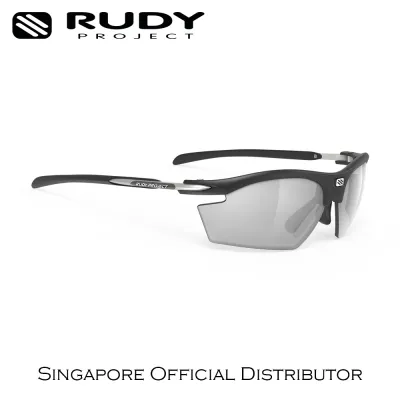
Prices are valid at publication and may change. Please refer to the product page for the latest price.
Triathlon introduces the complex challenge of multi-sport transitions, where a single piece of gear must perform across changing physical states. During the transition from swim to bike (T1), your hands may be wet, your heart rate is elevated, and you must rapidly secure your eyewear before mounting your bicycle. The sunglasses must fit securely immediately, without requiring fussy adjustments. Additionally, triathlons often span several hours, starting in the dim light of dawn and continuing into the harsh glare of midday under the intense Singapore sun. This progression demands optical versatility, requiring lenses that can adapt to changing UV levels or frames that allow quick lens swaps to maintain optimal visibility throughout the race.
Matching Rudy Project Sunglasses: Frame Fit, Grip, and Stability to Your Activity
The effectiveness of sports eyewear depends heavily on how well the frame conforms to your unique facial structure. Rudy Project sunglasses are recognized for their highly customizable fit systems, which allow athletes to fine-tune the contact points on the nose and temples. Adjustable nose pads, constructed from soft, hypoallergenic materials, can be widened or narrowed to alter how high the frame sits on your face. This adjustment is crucial for managing airflow; pushing the frame slightly further from your face increases ventilation, while pulling it closer enhances wind protection. Flexible, adjustable temple tips can be bent in any direction, allowing you to wrap them securely behind your ears to prevent the sunglasses from sliding forward when you sweat heavily or look downward.

When evaluating frame geometry, you must choose between full-wrap shields and minimalist designs based on your primary activity. Full-wrap shields feature a single, continuous lens that curves around the contours of your face, offering maximum coverage and protection against lateral wind and debris. This design is highly beneficial for high-speed cycling, as it minimizes turbulence behind the lens. Conversely, minimalist frames—often featuring dual lenses and semi-rimless designs—prioritize weight reduction and airflow. These lighter frames are highly suited for running, where minimizing overall weight reduces pressure on the nose bridge and temple area, and the open-bottom design allows sweat to drip clear of the frame rather than pooling along the lower rim.
Helmet compatibility is another critical factor that you must verify physically before committing to a specific frame model. The temples of your sunglasses must integrate cleanly with your cycling or triathlon helmet’s retention system and straps. If the temples are too long or thick, they can collide with the helmet’s rear dial or side adjusters, creating painful pressure points behind your ears or causing the sunglasses to push forward on your nose. When testing the fit, put your helmet on first and fasten the straps securely, then slide the sunglasses on. Ensure the temple arms slide smoothly either over or under the straps according to your preference, and check that the top edge of the frame does not knock against the lower brow of the helmet when you tilt your head back to look up the road.
Selecting Lens Technology and Tint for Variable Conditions
The optical performance of your sunglasses directly affects your reaction times and visual comfort on the road or trail. One of the primary decisions you will face is choosing between photochromic lenses and fixed-tint lenses. Photochromic options, such as Rudy Project’s ImpactX lenses, feature light-sensitive molecules that automatically darken when exposed to ultraviolet (UV) radiation and clear up when UV exposure decreases. This dynamic adaptation is highly advantageous for multi-hour events, trail runners moving in and out of forested canopies, or triathletes starting their race at dawn. Fixed-tint lenses, on the other hand, provide a consistent level of light transmission and are ideal for predictable, bright environments where light levels remain stable throughout your activity.
Lens tint selection should be guided by your typical training terrain rather than aesthetic preference alone. Different tints alter how your eyes perceive contrast and depth. For instance, red, orange, or brown tints are highly effective at filtering blue light, which enhances contrast and makes it easier to spot subtle road hazards, such as potholes, loose gravel, or uneven pavement surfaces. These high-contrast tints are particularly valuable for high-speed cycling and trail running, where split-second decisions are required. Conversely, grey or green tints provide neutral color transmission, reducing overall brightness without altering natural colors, making them comfortable for prolonged use in bright, open areas like coastal roads or running tracks.
Impact resistance is a vital safety specification that must not be overlooked, especially for high-speed cycling where kicked-up stones or low-hanging branches pose a direct threat to your eyes. High-quality sports lenses are engineered from shatterproof polymers designed to flex or absorb impact without splintering into dangerous shards. When selecting your eyewear, treat impact resistance as a non-negotiable safety check and verify that the specific model meets international safety standards for high-velocity impact protection. Never assume that all sports lenses offer the same level of physical protection; always consult the manufacturer’s technical specifications to confirm the exact certification level.
Polarization is another key lens feature that requires careful consideration based on your sport. Polarized lenses are highly effective at eliminating horizontal glare, such as light reflecting off wet roads, car hoods, or bodies of water. While this is highly beneficial for triathletes swimming and running near open water, polarization can introduce challenges for cyclists. Polarized filters can distort or completely black out the liquid crystal displays (LCD) on bike computers, GPS units, and electronic shifting screens when viewed from certain angles. Additionally, polarization can reduce the visible glare from wet patches or oil slicks on the asphalt, making it harder to spot slick, hazardous surfaces on the road. Carefully weigh these trade-offs against your reliance on digital displays and your typical riding conditions.
Cross-Sport Compatibility: Evaluating Multi-Sport Viability
For triathletes and multi-sport athletes, purchasing separate pairs of sunglasses for cycling and running is not always practical or desirable. However, finding a single model that excels in both disciplines requires navigating a series of design compromises. A large, aerodynamic cycling shield provides excellent wind protection on the bike, but its added surface area and weight can feel cumbersome, hot, and prone to bouncing during a high-impact run. Conversely, an ultra-lightweight, highly ventilated running frame may allow too much wind to reach your eyes at high cycling speeds, causing dryness and tearing. To find the right balance, look for hybrid designs that offer a medium-sized shield or semi-rimless frame, providing adequate wind protection without sacrificing airflow and weight savings.
Interchangeable lens systems offer an excellent way to bridge the gap between different sports and lighting conditions. Many Rudy Project models feature quick-release mechanisms that allow you to swap lenses in seconds. This utility allows you to use a high-coverage, dark or polarized lens for the high-speed bike leg under intense sunlight, and then quickly swap to a lighter, high-contrast, or photochromic lens for the run leg if the route moves into shaded park connectors or if the weather turns overcast. When evaluating interchangeable systems, look for designs that do not require excessive force to swap, as fragile frames or lenses can be damaged if forced incorrectly.
Transition efficiency is another critical factor for triathletes, where every second in the transition area counts. Your sunglasses must be easy to handle, put on, and adjust even when your hands are wet or shaking from exertion. Avoid frames with overly complex temple designs or loose parts that can catch on helmet straps or hair. Additionally, consider how easily the sunglasses can be stored when not in use. Some athletes prefer frames that can be securely slotted into the front or rear vents of their cycling helmet during climbs or when transitioning, while others require a compact frame that can be slipped quickly into a tri-suit pocket without risk of bending or breaking.
Maintenance, Fog Management, and Safety Boundaries
Proper care and maintenance are essential for preserving the optical clarity and extending the lifespan of your sports sunglasses. Fogging is a common issue, particularly in humid tropical environments or during steep, slow climbs where airflow is minimal. To manage fogging safely, utilize the adjustable features of your frame to position the lenses slightly further from your forehead, increasing the gap for hot air to escape. If persistent fogging remains an issue, apply only manufacturer-approved anti-fog sprays or pre-treated microfiber wipes. Avoid using household detergents, saliva, or unapproved chemicals, as these can permanently damage the sensitive anti-reflective, scratch-resistant, or hydrophobic coatings applied to the lens surfaces.
When cleaning your sunglasses, always follow a safe, multi-step process to prevent scratching the lenses. High-speed outdoor activities inevitably coat your eyewear in fine grit, salt from sweat, and dust. Wiping a dry lens with a cloth—even a microfiber one—can grind these abrasive particles into the lens surface, creating permanent micro-scratches that degrade visual clarity over time. Always rinse the sunglasses under cool, clean running water first to wash away loose grit. Use a mild, pH-neutral soap if necessary to cut through sweat oils, rinse thoroughly, and then gently pat the lenses dry with a clean microfiber pouch or cloth designed specifically for sports optics. Never use paper towels, t-shirts, or abrasive materials.
Finally, it is vital to recognize the safety boundaries of sports eyewear. While high-quality, impact-resistant lenses provide a crucial layer of physical protection against debris, wind, and UV radiation, they are not a substitute for active situational awareness, proper athletic training, or certified safety gear. No pair of sunglasses can compensate for poor visibility in extreme weather, and they cannot protect against high-energy collisions. Always check the manufacturer’s specifications to understand the optical limits of your lenses, including their light transmission category and suitability for low-light or night riding. If your lenses become deeply scratched, cracked, or structurally compromised in a fall, replace them immediately to ensure your vision and protection remain uncompromised.
Frequently Asked Questions (FAQ)
Do I need polarized lenses for cycling and running?
While polarized lenses are excellent for reducing glare from wet roads and open water, they are not always necessary or ideal for land-based sports. Polarization can make it difficult to read LCD screens on bike computers and sport watches, and it may mask slick road hazards like oil patches or wet spots. Consider your reliance on digital displays and your typical route conditions before choosing polarized options.
How should Rudy Project sunglasses fit with a cycling helmet?
To ensure a safe and comfortable fit, the temple arms of your sunglasses should slide cleanly under or over your helmet’s retention straps without pressing into your head. The top frame of the sunglasses should not touch or knock against the lower brow of the helmet when you look up. Always perform a physical check with your specific helmet model before riding.
Can I use running sunglasses for the cycling leg of a triathlon?
Yes, but running-specific sunglasses often feature smaller, more open frames designed for ventilation rather than wind deflection. At high cycling speeds, these minimalist designs may allow wind to get behind the lenses, leading to dry, watering eyes. If you plan to use one pair for both legs, prioritize a hybrid model that offers sufficient wind coverage.
Community discussion
Share your experience or ask a question. Comments are reviewed before publication.