
Selecting the ideal Rudy Project sports sunglasses requires matching the specific environmental challenges of your sport with the brand’s technical frame and lens specifications. Because different athletic pursuits present unique demands—ranging from high-speed wind protection in cycling to rapid light transitions in trail running—no single model serves as a universal solution. By evaluating your primary activity’s visual and physical requirements, you can systematically filter options by lens technology, frame adjustability, and safety certifications to find a pair that enhances both performance and protection.
Identify Your Sport's Core Visual and Physical Demands
Every outdoor activity presents a distinct set of environmental obstacles that directly impact your vision and comfort. For high-speed sports like cycling, wind resistance and airborne debris protection are paramount, requiring a frame design that shields the eyes from drying drafts and stray gravel. Conversely, water and snow sports introduce intense, multi-directional glare, demanding specialized light-filtering capabilities.
Physical movement patterns also dictate structural requirements. High-impact sports, such as trail running, subject your body to continuous vertical oscillation, which can cause loose sunglasses to bounce or slide down your nose. Sweat production further complicates this, as moisture compromises the grip of standard plastic frames. Additionally, you must consider how your eyewear interacts with other gear like helmets or running caps.
Products mentioned in this guide
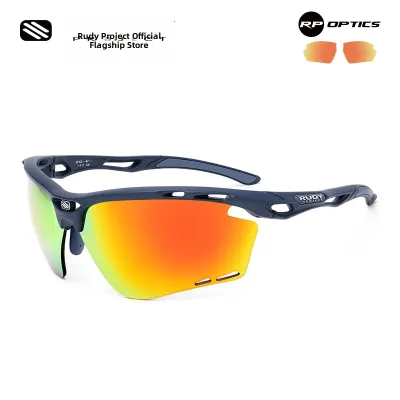
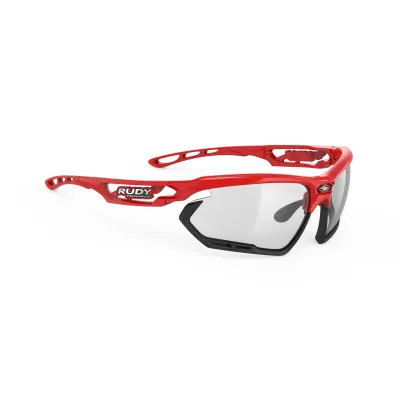
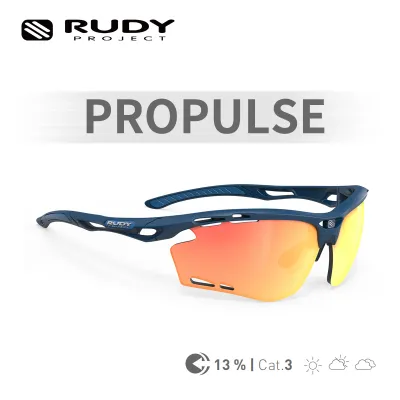
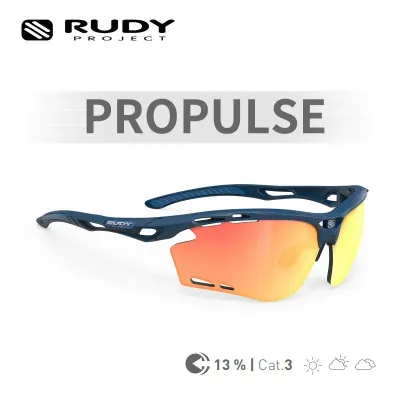
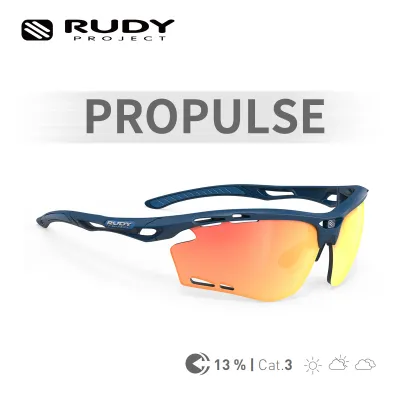
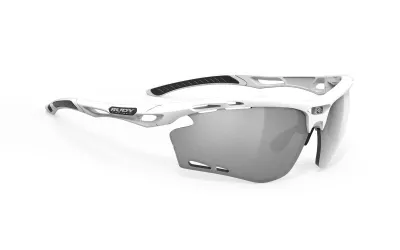
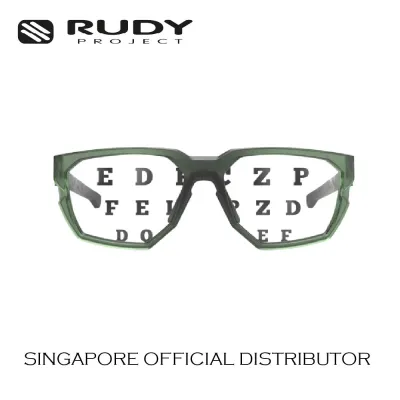
Prices are valid at publication and may change. Please refer to the product page for the latest price.
Ultimately, your primary visual goal should guide your selection. If you transition between dense forest cover and open ridges, your priority is rapid contrast adaptation to read changing terrain. If you spend hours on open asphalt, your main objective is reducing blinding glare to prevent fatigue. Defining these boundaries ensures you invest in eyewear that actively supports your performance.
Key Rudy Project Features to Evaluate
When browsing the Rudy Project catalog, look past marketing terminology and focus on verifiable technical specifications. Official product spec sheets provide critical data regarding impact resistance standards, optical clarity ratings, and UV protection levels. Ensuring a model meets recognized international safety standards for high-velocity impacts is crucial for sports where flying debris or accidental falls are constant risks.

Beyond safety certifications, physical adaptability determines how well the sunglasses perform on your face. Look closely at product descriptions for adjustable nose pads and temple tips. These components allow you to fine-tune the distance between the lens and your face, which is vital for managing airflow and preventing the lenses from resting on your eyelashes.
Lens Technologies and Tint Selection
Selecting the right lens configuration requires analyzing your typical training environment’s lighting consistency. Photochromic lenses, which automatically adjust to UV exposure, are highly beneficial for variable conditions like dawn-to-dusk rides or trails with alternating canopy cover. For sports played under consistent, bright sunlight, fixed-tint lenses offer stable light reduction without the delay of photochromic transitions.
Lens tints serve as functional tools to enhance depth perception. Contrast-enhancing tints, such as rose, amber, or brown, filter specific wavelengths of light, making it easier to spot subtle changes in trail surfaces or potholes under overcast skies. When evaluating these options, verify the manufacturer’s documentation to confirm exact light transmission percentages and ensure complete UVA and UVB protection.
Frame Fit, Grip, and Adjustability
To maintain stability during intense physical exertion, sports frames rely on specialized materials that grip the skin even when wet. Look for models featuring hydrophilic rubber compounds on the nose bridge and temple tips, which increase grip as sweat production rises. This prevents the frame from sliding forward during high-impact movements.
Adjustable frame components allow you to eliminate localized pressure points that cause headaches during multi-hour activities. By bending the temple tips, you can distribute the frame’s weight evenly across your ears and nose. Proper adjustment also helps position the frame to maximize peripheral vision, ensuring thick rims do not block your awareness of trail hazards.
Finally, pay close attention to the frame’s ventilation design and overall weight. Lightweight materials reduce the physical load on your nose bridge, while integrated air vents along the brow or lenses promote continuous airflow. This ventilation is critical for preventing fogging, especially during low-speed, high-exertion climbs.
Matching Specifications to Specific Activities
To narrow down your choices, you must translate technical features into a checklist of non-negotiable criteria tailored to your specific sport. Rather than relying on generic recommendations, use these criteria to filter the brand’s offerings based on the physical realities of your training environment. Additionally, always ensure that your chosen eyewear integrates seamlessly with any mandatory safety gear, as a mismatch can compromise the protective capabilities of both your sunglasses and your helmet.
Cycling and Triathlon
For cycling and triathlons, high-speed aerodynamics and a wide field of view are critical. Look for wraparound, single-lens shield designs that provide uninterrupted peripheral vision and robust protection against wind, road spray, and debris. The upper frame must not obstruct your line of sight when riding in an aggressive, aerodynamic drop position.
Stability is also key when riding over uneven road surfaces or during rapid triathlon transitions. Ensure your selected model features secure, non-slip grip systems on both the temples and the nose pad to keep the glasses locked in place. Additionally, check that the temple arms fit comfortably alongside your cycling helmet’s retention system without pushing the helmet out of its safe position.
Running and Trail Running
Running subjects your body to continuous vertical impacts, making frame weight and bounce prevention primary concerns. For road and trail running, prioritize ultra-lightweight, minimalist frame designs, such as rimless or semi-rimless models, which reduce weight and maximize downward vision. Aggressive, textured grip zones on the nose piece and temple tips are essential to prevent shifting with every stride.
Trail runners face rapidly changing light conditions when moving in and out of forested areas. For these environments, high-contrast tints or fast-acting photochromic lenses help you instantly identify roots, loose rocks, and sudden elevation changes in dappled light. Choosing a semi-rimless design also ensures your lower peripheral vision remains unobstructed, allowing precise foot placement on technical terrain.
Water Sports and Snow Activities
Environments dominated by water or snow present extreme visual challenges due to intense, reflected glare and high UV exposure. For water sports, polarized lenses filter out horizontal light reflections from the water’s surface, allowing you to see beneath the surface and judge depth accurately. However, polarized filters can make it difficult to read digital instrument screens, so verify equipment compatibility beforehand.
In high-altitude snow environments, the risk of snow blindness requires maximum UV protection and comprehensive physical coverage. Look for wrap-style frames or models supporting removable side shields to block peripheral light and wind-driven ice crystals. When selecting eyewear for cold-weather sports, verify that the frame material maintains flexibility in freezing temperatures and that the lenses feature an anti-fog coating.
How to Verify Fit and Compatibility Before Buying
Before purchasing, perform a physical fit test to ensure the sunglasses are compatible with your facial structure and existing gear. Put the sunglasses on and smile broadly; the lower edge of the frame or lenses should not rest on your cheeks, which causes the glasses to push upward and fog. Next, look upward and blink to confirm your eyelashes do not make contact with the inner lens surface.
Test the sunglasses while wearing the exact helmet, hat, or headband used during your sport. Ensure there are no overlapping parts that pinch your temples or lift the sunglasses off your nose. If you wear a cycling helmet, practice docking the sunglasses into the helmet’s front ventilation ports to verify secure storage.
For athletes requiring vision correction, verify prescription compatibility. Many models support prescription integration through direct-in-frame lenses, optical docks, or Rx inserts. Because these systems affect weight, ventilation, and peripheral vision, consult an authorized optical dealer to determine which solution fits your corrective needs.
Frequently Asked Questions (FAQ)
Can I use the same pair for multiple sports?
Yes, you can often use a single pair of sports sunglasses for multiple activities, provided the model features interchangeable lenses and highly adjustable frames. For instance, a pair with adjustable nose pads and temples can easily transition from road running to casual cycling. However, specialized environments like open water or high-altitude snow demand specific optical features, such as polarization or side shields, which may not be suitable or safe for other sports like trail running or road cycling.
How do I maintain the lenses and frames?
To preserve the optical coatings and structural integrity of your sports eyewear, always rinse them with lukewarm water after use to remove sweat, salt, and grit. Avoid using abrasive fabrics, paper towels, or household glass cleaners, as these can permanently scratch the lenses or degrade protective coatings. After rinsing, gently dry the lenses with a clean microfiber cloth and store the sunglasses in a rigid protective case to prevent the frame from warping or getting damaged when not in use.
Community discussion
Share your experience or ask a question. Comments are reviewed before publication.