
Running in Singapore means dealing with a unique microclimate. The combination of high ambient temperatures, often exceeding 30°C, and relative humidity that frequently approaches 100% during early morning or evening runs, places extreme demands on your gear. When you run, your body relies on the evaporation of sweat to cool down. In a highly humid environment, this evaporation process slows down significantly, making heat dissipation difficult.
If your running bag is made of heavy, non-breathable materials, it acts as a thermal barrier, trapping heat and moisture directly against your torso. This trapped sweat does not just cause discomfort; it leads to severe chafing, skin irritation, and accelerated dehydration. Furthermore, Singapore’s weather is famous for sudden, intense tropical downpours. A passing Sumatra squall can drench you within minutes, risking damage to your phone, keys, or nutrition.
To run comfortably along the rail corridor or around Marina Bay, you need a carrying solution designed specifically for these conditions. The ideal running bag must balance maximum ventilation with smart moisture management, ensuring you stay cool while protecting your essentials from both external rain and internal sweat.
Products mentioned in this guide
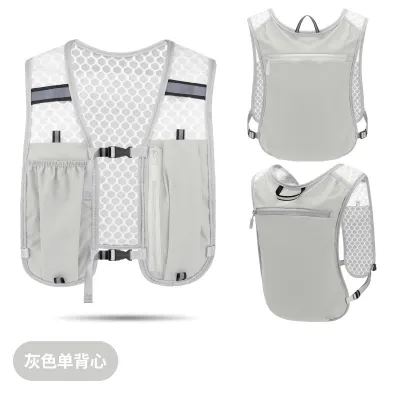
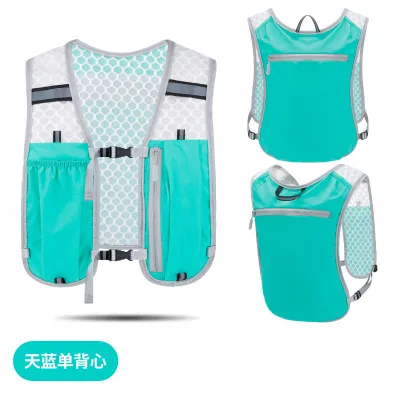
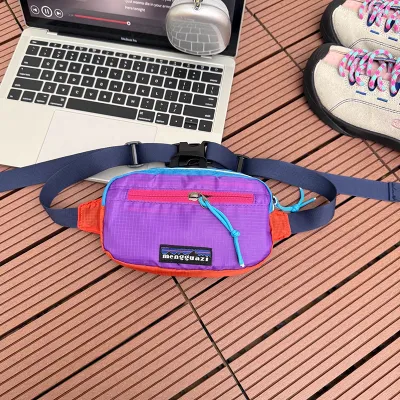
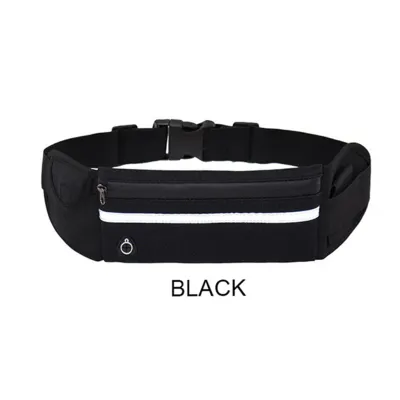
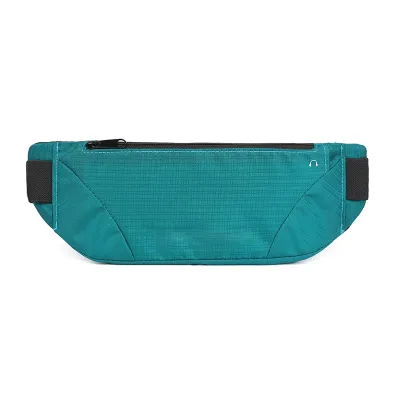
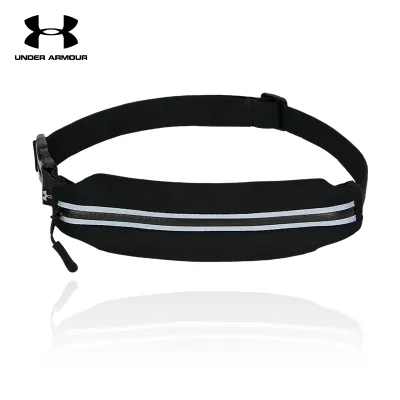
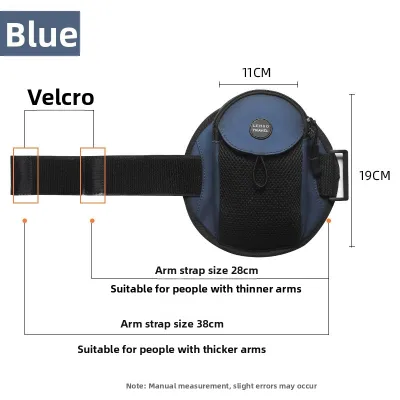
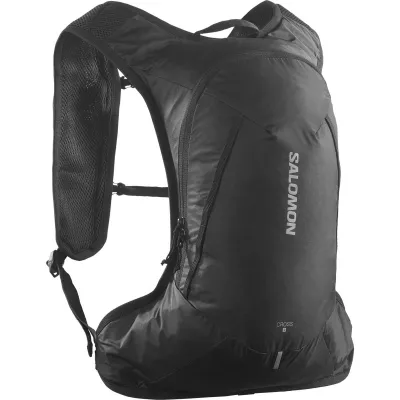
Prices are valid at publication and may change. Please refer to the product page for the latest price.
Fabric Choices: Balancing Breathability and Weather Protection
Airflow Mesh and Moisture-Wicking Panels
To maximize ventilation, look closely at the materials used in the high-contact zones of the pack, such as the shoulder straps, back panel, and chest harness. Open-weave mesh is the primary defense against heat buildup. These fabrics feature visible, porous gaps that allow air to flow freely through the material, facilitating convective cooling as you move.
When evaluating a running bag, do not rely solely on generic marketing terms like “breathable.” Instead, check the manufacturer’s technical specifications for terms like “3D air mesh,” “hydrophilic fiber blends,” or specific moisture-wicking treatments. Hydrophilic fabrics actively pull sweat away from your skin and spread it across a larger surface area on the outer layer of the fabric, allowing it to evaporate more quickly even in humid conditions.
However, there is a distinct trade-off when relying heavily on open mesh. While a highly porous mesh panel offers excellent airflow, it provides absolutely zero protection against rain, trail dust, or your own heavy sweat. If a mesh pocket sits directly against your back, any moisture from your body will seep straight through the fabric and damp the items inside. Therefore, the best designs utilize mesh strategically in high-sweat zones while using more protective fabrics for the main storage compartments.
Water-Resistant Coatings vs. Fully Waterproof Shells
Choosing the right outer fabric requires understanding the difference between water-resistant coatings and fully waterproof shells. Many running bags feature fabrics treated with a Durable Water Repellent (DWR) finish. DWR is a chemical coating applied to the exterior fibers of materials like ripstop nylon or polyester. It causes water to bead up and roll off the surface, which is highly effective during light tropical drizzles.
Because the fabric base remains porous, DWR-treated bags retain a high degree of breathability, allowing heat to escape from the main compartment. This prevents the interior of the bag from becoming a humid microclimate during high-intensity efforts.
In contrast, fully waterproof bags are constructed from heavy materials like Thermoplastic Polyurethane (TPU) coated nylon and often feature roll-top closures and welded seams. While these bags offer absolute protection against torrential downpours, they are generally unsuitable for long runs in Singapore’s humidity. A fully waterproof barrier works both ways: it keeps rainwater out, but it also traps hot air and condensation inside.
The moisture evaporating from your hydration bladder or damp clothing will have nowhere to escape, turning the inside of your pack into a humid chamber that can damage electronics just as easily as rain. For most runners, a DWR-treated lightweight nylon pack paired with small, individual dry bags or silicone pouches for sensitive electronics offers the best balance of weather protection and breathability.
Structural Designs That Minimize Sweat and Chafing
Ventilated Back Panels and Suspension Systems
The physical construction of the back panel determines how much air can circulate between your body and the load you are carrying. One highly effective design is the suspended mesh, or “trampoline,” back panel. This system uses a lightweight frame to tension a mesh sheet, creating a physical gap of several centimeters between the bag’s main body and your back.

This gap allows air to flow freely across your spine, significantly reducing heat buildup. The trade-off, however, is that suspending the load away from your back shifts your center of gravity outward. For fast-paced trail running or technical terrain, this can cause the bag to sway or feel unstable, which may affect your running posture.
An alternative approach is the use of channeled EVA foam or 3D honeycomb mesh pads. Instead of suspending the pack, these designs place the bag directly against your back but utilize deep, molded grooves or channels cut into the foam. These channels act as natural chimneys, allowing hot air to rise and escape while cooler air enters from the sides.
The honeycomb structure provides structural support and cushions the load without compressing flat against your skin. When shopping, physically inspect the depth of these channels; shallow grooves will compress under the weight of a full hydration bladder, eliminating the airflow path.
Harness Fit, Strap Padding, and Bounce Control
The design of the harness and shoulder straps is critical for preventing chafing when your skin is softened by constant sweat. Look for wide, ergonomically shaped shoulder straps made from perforated foam or open mesh. Wide straps distribute the weight of the bag across a larger surface area of your shoulders and chest, reducing pressure points.
Perforations within the foam are essential, as solid foam straps will quickly trap sweat, leading to painful friction burns along your collarbones and ribs. The straps should feel soft to the touch and flex easily to match your body’s natural movements.
To minimize chafing, the bag must remain perfectly stable against your body. Any movement or “bounce” as you run creates friction, which is highly destructive to damp skin. Dual sternum straps—adjustable straps that clip across your chest—and side bungee compression systems are vital for securing the load.
These adjustment points allow you to fine-tune the fit as your hydration bladder empties and the volume of the bag changes. Additionally, inspect the edges of the harness; high-quality running bags feature seamless construction or flatlock stitching along the borders of the straps to ensure there are no rough seams rubbing against your neck or underarms.
A Practical Pre-Purchase Checklist for Humid Conditions
Before investing in a running bag for Singapore’s demanding climate, use this targeted checklist to verify its construction and suitability:
- Seam and Zipper Inspection: Examine the zippers closely. Standard metal zippers will quickly corrode when exposed to salty sweat and high humidity. Look for coated, water-resistant zippers, such as YKK AquaGuard, which feature a polyurethane laminate to keep water out and prevent the zipper teeth from sticking or rusting. Check if the interior seams are taped or bound to prevent water ingress during sudden showers.
- Hydration Compatibility: Consider how you prefer to carry water. If you use a hydration bladder, ensure the bag features an insulated sleeve and a dedicated routing port for the tube. In hot weather, an uninsulated bladder will quickly warm up from your body heat. Alternatively, look for front harness pockets designed for soft flasks. Soft flasks are highly popular in humid climates because they compress as you drink, preventing sloshing, and are significantly easier to remove, clean, and dry thoroughly after a run.
- Weight and Capacity Match: Choose a bag with a capacity that matches your target distance. For short to medium road runs, a minimalist vest with a 2-liter to 5-liter capacity is usually sufficient. Over-packing a larger bag compresses the internal ventilation channels and forces the heavy fabric closer to your skin, destroying the bag's built-in airflow features. Keep the empty weight of the pack as low as possible to reduce the physical workload on your body.
- Care Label Review: Regular washing is non-negotiable in tropical climates. Sweat contains salt, sebum, and bacteria that will degrade elastic fibers and break down water-resistant coatings over time. Check the care label to ensure the bag can be easily hand-washed. Avoid bags that require specialized dry cleaning or have rigid, non-removable frames that make thorough washing difficult.
Cleaning and Drying Routines to Prevent Mold and Odors
- Immediate Post-Run Care: Do not leave your damp running bag in a gym bag or locker after your run. As soon as you return home, empty all compartments, open every zipper, and turn the bag inside out if the design allows. This immediate action releases trapped heat and moisture, preventing the rapid growth of mold and mildew in Singapore's warm indoor environments.
- Washing Protocol: To preserve the structural integrity of the technical fabrics, hand-wash your running bag in cool water using a mild, non-detergent soap or a specialized technical fabric wash. Gently massage the shoulder straps and back panel to release embedded salt crystals and body oils. Never use harsh household bleach or fabric softeners, as these chemicals will strip away Durable Water Repellent (DWR) coatings and damage the elasticity of the mesh panels.
- Drying Conditions: Hang the bag to dry in a well-ventilated, shaded indoor area or a balcony with good airflow. Avoid placing the bag in direct, intense tropical sunlight. While UV rays can kill bacteria, prolonged exposure to harsh sunlight will prematurely degrade synthetic fibers, crack waterproof coatings, and fade colors. Never place a technical running bag in a high-heat tumble dryer, as the heat can melt adhesives and warp the structural foam panels.
Frequently Asked Questions (FAQ)
Is a standard hiking hydration pack suitable for running in high humidity?
While hiking packs offer ample storage space, they are generally not recommended for running in high humidity. Hiking packs are typically constructed from heavier, thicker fabrics and feature dense foam padding that traps significant amounts of body heat. Their looser fit is designed for walking, meaning they will bounce excessively during the dynamic up-and-down motion of running. This bounce, combined with sweat-softened skin, leads to severe chafing. Dedicated running vests with minimalist, highly perforated harnesses are much better suited for managing sweat and maintaining core temperature.
What is the best way to remove sour sweat smells from a running vest?
To eliminate persistent sweat odors without damaging technical fibers, soak your running vest in a basin of cool water mixed with a cup of distilled white vinegar or a specialized sports detergent. Let it soak for 15 to 30 minutes to break down the buildup of bacteria and body oils. Rinse the vest thoroughly with clean, cold water to remove all soap residue. Ensure the bag is completely dry before storing it in a closed wardrobe, as any lingering dampness in Singapore’s humid climate will quickly invite mildew.
Community discussion
Share your experience or ask a question. Comments are reviewed before publication.