
Quick Answer: Is There a Single "Best" Brand?
Finding the perfect running pouch is a highly individualized process because no single brand or design fits every runner’s body shape, sweat rate, and gear requirements. The ideal choice depends heavily on how you balance gear weight, fabric breathability, and stability. While some runners swear by the snug, uniform compression of continuous tubular bands, others require the highly adjustable, ventilated structure of mesh-winged pouches to stay comfortable over long distances.
Instead of searching for a one-size-fits-all brand, the most effective approach is to evaluate running pouches based on their design categories and material technologies. Tubular seamless belts offer excellent pressure distribution and minimal chafing but can trap heat if the fabric is too dense. Conversely, structured mesh pouches provide superior localized airflow and secure heavy items well but rely on straps or buckles that can occasionally cause friction. Understanding these trade-offs allows you to select the precise gear configuration that matches your specific running style and environmental conditions.
What Actually Determines Breathability and Comfort?
To objectively evaluate any running pouch, you must look closely at its technical specifications, fabric composition, and construction methods. These structural elements dictate how the pouch interacts with your body under the dynamic stress of running.
Products mentioned in this guide
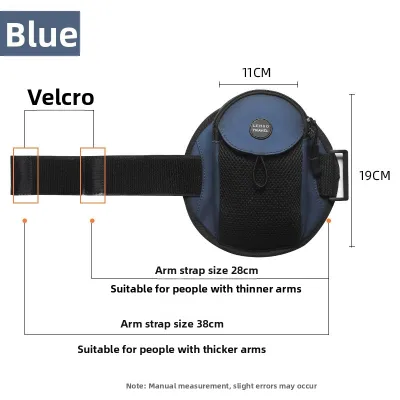
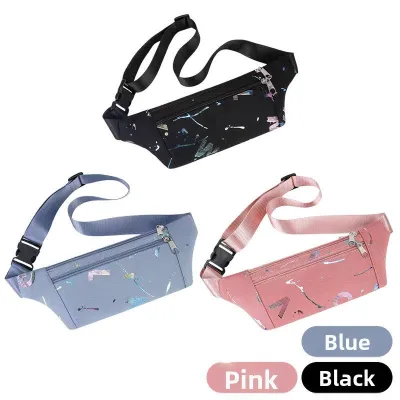
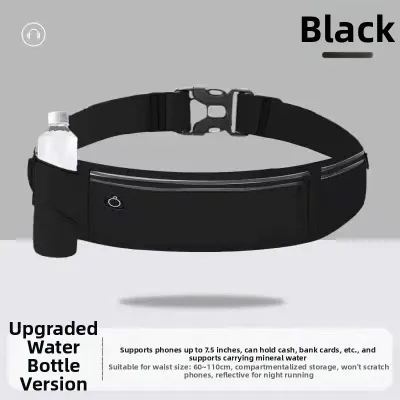
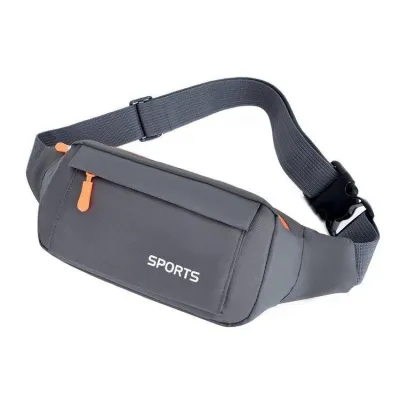
Prices are valid at publication and may change. Please refer to the product page for the latest price.

Material Composition
The choice of fiber determines how a running pouch handles moisture and heat. Most high-performance pouches utilize a blend of synthetic materials, each offering distinct physical properties:
- Nylon-Spandex Blends: Nylon provides exceptional durability and a soft hand-feel, while spandex (elastane) delivers the necessary stretch and recovery. However, nylon can absorb a small amount of water (around 4% of its weight), which can slightly slow down drying times in saturated environments.
- Polyester Mesh: Polyester is highly hydrophobic, absorbing less than 1% of its weight in water. When woven into an open mesh, it allows air to flow directly to the skin while pushing sweat outward via capillary action, making it the premier choice for maximum ventilation.
- Neoprene: Often used for water-resistant compartments, neoprene is a closed-cell synthetic rubber. While it provides excellent structure and cushions the body against hard objects like keys or phones, it is completely non-breathable and will trap heat and sweat against your skin.
Construction Methods
How the fabric panels are joined plays a critical role in preventing skin irritation. Seamless tubular knitting uses specialized circular knitting machines to create a continuous band of fabric, entirely eliminating internal seams. This design minimizes high-friction pressure points. In contrast, paneled construction uses flatlock or overlock stitching to connect different fabrics, such as a solid front pocket to a mesh backing. While paneled designs allow manufacturers to target breathability precisely where it is needed, any raised seam can act like fine sandpaper against the skin over long distances if the pouch is not perfectly fitted.
Skin-Contact Layers
The inner lining of the pouch—the layer resting directly against your shirt or bare skin—must prioritize moisture-wicking and friction reduction. Premium pouches feature specialized backings with textured, micro-grooved patterns that lift the fabric slightly off the skin, creating micro-channels for airflow. Some brands also incorporate thin silicone grippers along the interior borders to prevent the pouch from riding up. While highly effective at maintaining stability, these silicone strips can trap sweat and cause localized skin irritation on sensitive individuals during long, hot runs.
Fit and Tension Distribution
Comfort is directly tied to how a pouch manages the physics of bounce. When you run, your body experiences vertical oscillation. If a running pouch is loose, it moves out of sync with your hips, creating dynamic friction and a high risk of chafing. To prevent this, a pouch must distribute tension evenly across its entire contact area. Wide, elasticized bands distribute weight across the pelvic bones, reducing localized pressure and allowing you to breathe comfortably without feeling constricted around the abdomen.
Comparing Popular Running Pouch Designs
Running pouches generally fall into three design categories. Each handles heat dissipation, sweat management, and gear stability differently.
Tubular Seamless Belts
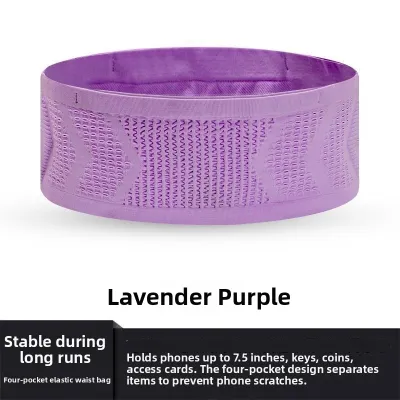
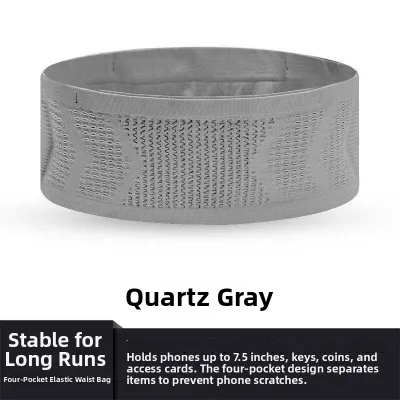
Tubular seamless belts are designed as continuous loops of elastic fabric that you pull up over your legs to sit flat on your hips. Because they lack buckles, plastic adjusters, or heavy zippers, they offer a exceptionally low-profile fit that can easily be worn under a t-shirt.
- Breathability: Moderate to high. Because these belts wrap completely around your waist, they cover a large surface area. If the fabric is too thick or dense, the belt acts like an extra layer of clothing, trapping body heat around your midsection. However, high-quality models utilize lightweight, highly breathable knit patterns that facilitate decent airflow.
- Comfort and Fit: Excellent. The absence of hardware eliminates localized pressure points and chafing risks. The continuous elastic tension holds items flat against the body, distributing weight evenly around your circumference.
- Capacity Limits: Best suited for lightweight, flat items such as soft flasks, energy gels, and keys. Bulky or heavy items can stretch the fabric outward, causing the belt to sag or bounce if it is not sized perfectly.
Structured Mesh and Zipper Pouches
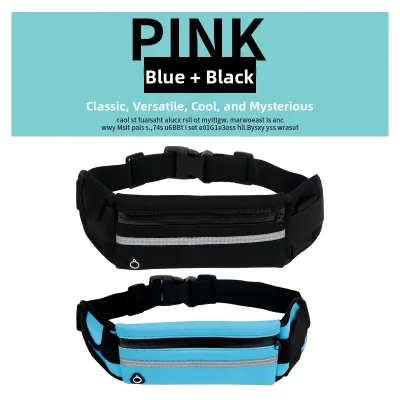
These pouches feature a distinct storage compartment—often made of weather-resistant fabric—supported by breathable mesh side wings and secured with an adjustable waist strap.
- Breathability: High. By utilizing open-weave spacer mesh along the hips and back, these designs minimize the amount of fabric touching your skin. This allows heat to escape rapidly from the sides of your waist, making them feel significantly cooler during high-intensity efforts.
- Comfort and Fit: Highly adjustable. The presence of an adjustable buckle or hook-and-loop strap allows you to fine-tune the tension on the fly as your stomach expands and contracts with deep breathing. However, the buckle and strap edges can occasionally rub against the skin if the pouch shifts during a run.
- Capacity Limits: High. The structured nature of the central pocket prevents heavier items, such as large smartphones or rigid water bottles, from sagging or bouncing, keeping the load centered and stable.
Neoprene and Elastic Band Pouches
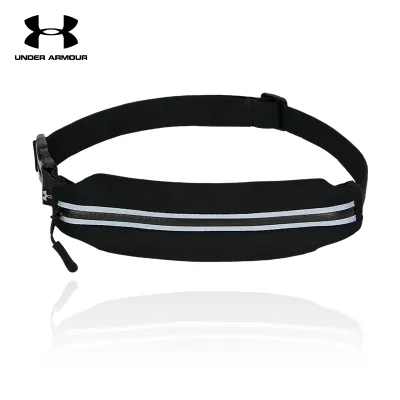
This classic design consists of a small, expandable pouch made of neoprene or thick elastic fabric, attached to a narrow, adjustable elastic belt.
- Breathability: Low. The neoprene or dense fabric pocket acts as a complete barrier to air and moisture. Sweat will inevitably pool behind the pocket, creating a damp hot spot on your lower back or abdomen.
- Comfort and Fit: Moderate. Because the contact area of the pocket is relatively small, the overall heat retention is localized. However, the narrow elastic straps can cut into the waist or twist during movement, requiring frequent adjustments to prevent bouncing.
- Capacity Limits: Moderate. While the pockets can expand to hold surprisingly large items, the narrow strap design is prone to bouncing when loaded with heavy gear, as it lacks the surface area to distribute weight effectively.
Design Comparison Summary
| Design Type | Breathability Level | Comfort & Chafe Risk | Best Use Case |
|---|---|---|---|
| Tubular Seamless Belts | Moderate to High | Low (No hardware or seams) | Long, steady road runs with evenly distributed light gear |
| Structured Mesh Pouches | High (Excellent lateral airflow) | Moderate (Buckles/straps may rub) | Carrying heavier items like large smartphones and keys |
| Neoprene Elastic Pouches | Low (Traps heat under pouch) | Low to Moderate (Small contact area) | Short runs, light gear, or wet weather protection |
Choosing a Running Pouch for Singapore's Humid Climate
Running in Singapore presents unique physiological challenges. With average temperatures hovering around 27°C to 32°C and relative humidity levels frequently exceeding 80%, your body’s primary cooling mechanism—sweat evaporation—is severely compromised. In these conditions, gear selection must adapt to handle extreme moisture saturation.
The Shift from Breathable to Fast-Drying
In high-humidity environments, air permeability alone is not enough. When sweat cannot evaporate into the saturated air, it pools on your skin and saturates your running gear. A running pouch that is merely “breathable” but slow-drying will quickly become waterlogged, heavy, and saggy. This excess moisture also softens your skin (a process known as skin maceration), making it highly vulnerable to friction, tearing, and severe chafing.
Therefore, you must prioritize materials with exceptional moisture-wicking and fast-drying capabilities. Look for lightweight polyester meshes or high-gauge nylon-spandex fabrics engineered with hydrophobic treatments that actively push water away from your body, allowing the fabric to dry as quickly as the ambient humidity permits.
Materials and Designs to Avoid
When running in tropical climates, certain materials can quickly become a liability. You should exercise caution with the following configurations:
- Thick Neoprene Pouches: Unless you absolutely must protect non-waterproof electronics from heavy rain, avoid thick neoprene. It holds sweat against your skin, raising your local body temperature and causing discomfort.
- Cotton-Blend Elastic Bands: Cotton absorbs up to 25% of its weight in water and dries incredibly slowly. A cotton-blend band will quickly become a heavy, soggy sponge that stretches out of shape and rubs against your hips.
- Wide, Non-Mesh Backings: Avoid pouches with wide, solid plastic or heavy fabric backings that rest directly against your lower back without any ventilation channels.
Care and Maintenance for Humid Environments
Singapore’s warm, humid climate creates the perfect breeding ground for bacteria, mold, and mildew. Sweat contains salts, lipids, and urea, which accumulate in the synthetic fibers of your running pouch and degrade its elasticity over time if not properly managed.
To extend the life of your running pouch and prevent persistent odors, rinse it thoroughly in fresh, cold water immediately after every run to remove corrosive salt deposits. Wash the pouch regularly using a mild, sports-specific detergent that targets bacteria without damaging synthetic fibers. Avoid using fabric softeners, as they leave a waxy coating on the fibers that clogs the microscopic pores of technical fabrics, permanently ruining their moisture-wicking capabilities.
Always dry your running pouch in a well-ventilated, shaded area. Avoid placing it in direct, intense tropical sunlight for extended periods, as ultraviolet (UV) radiation can degrade the elastane fibers, causing the pouch to lose its stretch and recovery properties prematurely.
Decision Framework: Which Pouch Should You Choose?
To make your final decision, evaluate your specific running profile, gear requirements, and physical sensitivities against the available designs.
Choose a Tubular Seamless Belt if:
- You prefer a minimalist, "barely-there" feel and want to wear your pouch discreetly under your running shirt.
- Your typical gear load is light and flat, consisting of a smartphone, a few energy gels, and a house key.
- You are highly prone to chafing from plastic buckles, adjustment clips, or coarse stitched seams.
- You prefer a snug, compression-style fit that distributes weight evenly across your entire pelvic structure.
Choose a Structured Mesh Pouch if:
- You run in extreme heat and humidity and require maximum airflow around your hips to stay cool.
- You need to carry heavier or bulkier items, such as a large-format smartphone, a rigid water bottle, or a heavy key ring, and require absolute bounce control.
- You want the ability to adjust the tightness of your belt on the fly during a run without having to step out of the belt.
- You require quick, structured access to your gear via secure zippers or dedicated external loops.
- Expect to pay broad price bands of S$35 to S$75 for high-quality, durable models in Singapore retail stores.
Choose an Elastic Band Pouch if:
- You only need to carry a single small item, like a key or an emergency card, and want to minimize skin contact as much as possible.
- You are looking for an affordable, straightforward storage solution for short, casual runs.
- Verification Step: Always verify the manufacturer's moisture-wicking claims and ensure the inner lining of the pocket is smooth and non-abrasive before purchasing.
Critical Verification Checks Before Your First Run
Before heading out on a long training run, perform these essential quality and safety checks:
- Check for Skin Sensitivities: If you have sensitive skin, inspect the interior of the pouch for exposed silicone grip strips or rough heat-sealed labels. Test the pouch on a short, low-intensity walk first to ensure these elements do not cause contact dermatitis or irritation.
- Verify Fit with Gear Loaded: Load the pouch with the exact gear you plan to carry and run in place for 30 seconds. If the pouch bounces, sags, or slides up to your waist, adjust the tension or try a smaller size. Equipment cannot replace proper fit and sizing.
- Inspect Zipper and Hardware Function: Ensure all zippers glide smoothly and buckles snap securely. In humid climates, metal zipper pulls can corrode; look for plastic or cord pulls to ensure long-term durability.
Frequently Asked Questions (FAQ)
How do I prevent my running pouch from chafing in humid weather?
To prevent chafing in high humidity, start by ensuring your running pouch is sized correctly; a fit that is too loose allows the fabric to slide and rub against your skin, while a fit that is too tight can pinch and trap moisture. Apply a high-quality, water-resistant anti-chafe balm to high-friction areas around your waist and hips before your run. Always ensure both your skin and the pouch’s inner lining are completely dry before putting it on. Additionally, wearing your pouch over the waistband of your running shorts or tights—rather than directly against bare skin—provides an extra protective barrier that significantly reduces friction.
Can I wash my running pouch in a washing machine without ruining the elasticity?
Yes, you can machine wash most running pouches, but you must take specific precautions to protect the delicate elastic fibers. Always place the pouch inside a mesh laundry bag to prevent the straps from tangling or stretching around the washing machine’s agitator. Use cold water and select a gentle or delicate cycle with a mild detergent. Never use fabric softeners or bleach, as these chemicals break down elastane and clog moisture-wicking pores. Finally, always air-dry the pouch in a well-ventilated, shaded area; never put it in a tumble dryer, as high heat will melt or warp the elastic fibers, permanently ruining the fit.
Does a tighter running pouch mean better comfort?
No, excessive tightness does not equal better comfort and can actually hinder your running performance. While a pouch must be snug enough to prevent bouncing, it should never restrict your diaphragmatic breathing or compress your abdomen to the point of causing gastrointestinal discomfort during a run. The ideal fit should feel like comfortable compression—firm enough to hold your gear securely against your pelvic bones, but loose enough that you can easily slide two fingers under the band. If you feel restricted when taking deep breaths, or if the band leaves deep red indentations on your skin, the pouch is too tight and should be adjusted or sized up.
Community discussion
Share your experience or ask a question. Comments are reviewed before publication.