
Choosing the right liquid chalk for indoor climbing involves balancing grip performance with skin health and gym compatibility. While traditional loose chalk remains popular, liquid chalk has become a staple in modern indoor climbing gyms due to its ability to limit airborne dust and provide a long-lasting base layer of friction. However, not all formulas are created equal. Some products prioritize rapid drying times, while others focus on skin preservation or maximum tackiness in humid conditions.
To find the safest and most reliable liquid chalk for your climbing sessions, you must evaluate how different alcohol bases, drying agents, and additives interact with your skin and the gym environment. Understanding these variables allows you to select a formula that supports your climbing performance without causing painful skin damage or violating local gym policies.
Evaluating Safety and Reliability in Gym Liquid Chalk
To determine which liquid chalk formulas are safe for your skin and reliable on the wall, you must look closely at their chemical composition. The primary active ingredient in liquid chalk is magnesium carbonate, suspended in an alcohol base. When applied, the alcohol evaporates, leaving a uniform coating of dry chalk across the creases of your hands. The type of alcohol used, the presence of secondary drying agents, and the inclusion of skin conditioners dictate how the formula behaves.
Products mentioned in this guide
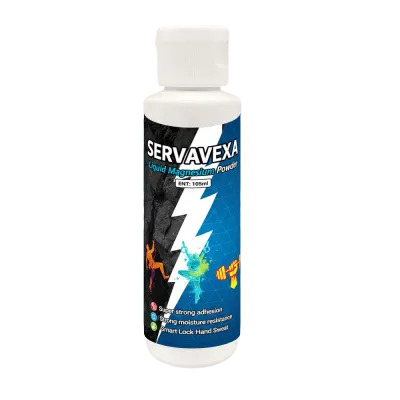
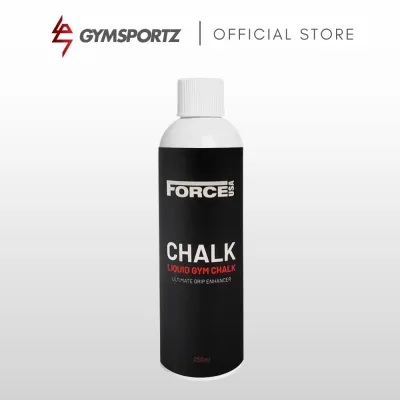
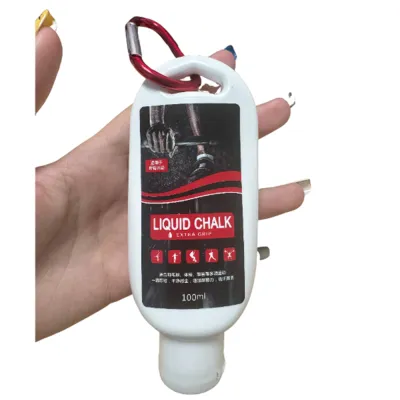
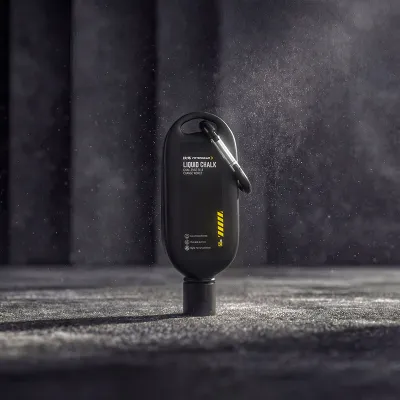
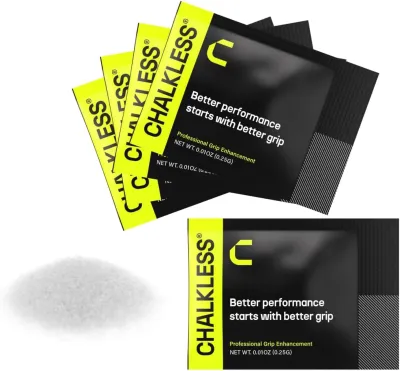
Prices are valid at publication and may change. Please refer to the product page for the latest price.
Alcohol Types and Concentrations
Most liquid chalks utilize either isopropyl alcohol or ethyl alcohol (ethanol) as their solvent. Isopropyl alcohol evaporates exceptionally fast, which is highly convenient mid-session. However, it is highly dehydrating and can strip the skin of its natural lipids, leading to premature cracking and dryness if used frequently. Ethyl alcohol is slightly gentler on the skin barrier but may take a few seconds longer to dry completely. Formulas with alcohol concentrations exceeding 70% dry the fastest and offer mild sanitizing properties, but they carry a higher risk of irritating sensitive skin or open cuts.
Skin-Conditioning Agents and Allergens
To counteract the harsh drying effects of alcohol, some manufacturers incorporate skin conditioners such as aloe vera, silica, or mild cosmetic binders into their formulas. While these ingredients help maintain skin elasticity and prevent painful skin tears (commonly known as flappers), they can sometimes compromise friction if present in high concentrations.
Another critical ingredient to watch for is rosin, also known as colophony. Rosin is a natural pine resin added to many high-endurance liquid chalks to increase tackiness and grip longevity. While highly effective for preventing slips, rosin is a known contact allergen. Climbers with sensitive skin or existing eczema may experience redness, itching, or contact dermatitis when using rosin-infused formulas.
Reliability on the Wall
A reliable liquid chalk must dry to a consistent, non-flaky texture that does not turn into a slippery paste when your hands begin to sweat. High-quality formulas use ultra-pure magnesium carbonate that binds tightly to the skin, providing a reliable friction barrier that lasts through long sequences of moves. Lower-quality formulas often contain cheap fillers or excessive binders, which can cause the chalk to pill, flake off prematurely, or feel greasy under high pressure.
Gym-Friendly Considerations
Indoor climbing gyms favor liquid chalk because it keeps the air cleaner and reduces the load on ventilation systems. However, certain liquid chalk formulas can be detrimental to the gym itself. Formulas containing high amounts of rosin or sticky resins leave a stubborn, glassy residue on holds, particularly on fiberglass volumes and dual-texture holds. This residue is difficult to brush off and can permanently polish the holds, ruining the texture for other climbers. Many modern gyms have implemented specific guidelines regarding resin-heavy chalks, making it essential to choose a formula that respects the shared indoor environment.
Trusted Liquid Chalk Brands by Formula and Climbing Need
Rather than searching for a single “best” product, it is more practical to evaluate established climbing brands based on their formulation strategies. Different brands design their liquid chalks to target specific skin profiles, climbing disciplines, and environmental conditions.

Gentle Formulas for Sensitive Skin
Climbers who suffer from naturally dry skin, eczema, or frequent skin tears should look for formulas designed to minimize moisture loss and avoid harsh allergens.
- Friction Labs (Secret Stuff Alcohol-Free): This brand is widely recognized for using high-purity magnesium carbonate with minimal additives. Their alcohol-free variant uses a water-based suspension instead of isopropyl alcohol. It is exceptionally gentle on the skin and does not cause the intense stinging or drying associated with standard liquid chalks. The trade-off is a significantly longer drying time, requiring you to apply it well before you start climbing.
- Black Diamond (Liquid White Gold): This formula balances moderate alcohol content with pure magnesium carbonate, omitting heavy resins or artificial fragrances. It provides a clean, soft chalk barrier that is less prone to causing deep skin cracking, making it a reliable choice for daily training sessions.
- Rosin-Free Alternatives: When shopping for sensitive skin, always check the product label to ensure it is explicitly rosin-free. Rosin-free formulas may require more frequent reapplication during long, intense sessions, but they significantly reduce the risk of allergic reactions and skin irritation.
High-Endurance Formulas for Humid Conditions
For climbers dealing with naturally sweaty hands or training in humid indoor environments, standard chalk can dissolve or rub off within a few moves. High-endurance formulas utilize resins to create a resilient, moisture-resistant base layer.
- Camp (Liquid Chalk): Camp offers a robust formula that provides a highly durable coating. It is designed to withstand heavy sweating, making it popular among climbers who tackle long lead climbs or high-intensity bouldering circuits where stopping to re-chalk is not an option.
- Mammut (Liquid Chalk): Known for its excellent staying power, Mammut's liquid chalk formula incorporates mild binding agents that help the magnesium carbonate adhere tightly to the skin. It performs exceptionally well in warm, humid gyms, resisting the softening effect of sweat.
- The Trade-Offs of Resin: While these high-endurance formulas keep your hands dry for longer, they require more effort to wash off after climbing. They also leave a heavier residue on gym holds, meaning you must be diligent about brushing the holds after your climbing attempts to maintain good gym etiquette.
Fast-Drying All-Rounders for Versatile Use
If you do not have highly sensitive skin or excessively sweaty hands, a versatile, fast-drying formula offers the best balance of convenience, friction, and ease of use.
- Petzl (Power Liquid): Petzl's formula is a classic choice for gym climbers. It dries almost instantly upon application, leaving a clean, uniform layer of high-friction chalk. It is highly reliable for transitioning quickly between bouldering and lead climbing without creating a thick, restrictive buildup on your hands.
- Metolius (Liquid Super Chalk): Metolius combines their popular loose chalk formula with a fast-evaporating alcohol base. It provides a dry, crisp texture that climbers appreciate for technical vertical climbing. It contains no heavy resins, making it easy to wash off and gentle on gym holds.
- Packaging and Usability: When selecting an all-rounder, pay attention to the bottle design. Petzl and Metolius both utilize secure, squeeze-bottle designs with precise nozzles that prevent accidental spills in your gear bag and allow you to dispense the exact amount needed without waste.
Matching the Right Formula to Your Skin and Climbing Style
Selecting the ideal liquid chalk requires a clear understanding of your personal physiology and the specific demands of your climbing style.
Skin Type Assessment
Your skin’s natural moisture level is the most critical factor in determining which formula will keep your hands safe and functional.
- Naturally Dry or Thin Skin: If your hands are prone to peeling, cracking, or developing painful splits near the fingernails, avoid high-isopropyl formulas and those containing rosin. Stick to alcohol-free creams or gentle, rosin-free formulas. Focus on preserving your skin barrier, as dry skin is highly susceptible to tearing under friction.
- Sweaty Hands (Hyperhidrosis): If your hands sweat heavily even in cool conditions, you will benefit from a high-performance, alcohol-based formula with a small amount of rosin or specialized drying agents. The alcohol helps dry out active sweat glands temporarily, while the resin provides a hydrophobic barrier that prevents sweat from immediately dissolving the chalk.
- Normal or Calloused Skin: If your skin is well-conditioned and balanced, standard fast-drying all-rounders will provide excellent performance. You can adjust your application frequency based on the ambient temperature and the intensity of your session.
Climbing Style Alignment
Different climbing disciplines place different demands on your chalk barrier.
- Bouldering: Bouldering involves short, high-intensity sequences where immediate, maximum friction is paramount. Since you can easily reapply chalk and brush holds between attempts, a fast-drying, high-purity formula without heavy resins is ideal. This keeps the holds clean and allows you to maintain a precise feel for the rock or plastic.
- Lead and Top-Rope Climbing: Long routes require a chalk barrier that can endure several minutes of continuous climbing. Because chalking up mid-route can be difficult or exhausting, applying a high-endurance, resin-infused liquid chalk as a base layer before you tie in ensures your hands stay dry all the way to the anchors.
Proper Application Technique
No matter which brand you choose, the reliability of liquid chalk depends heavily on how you apply it. Follow these steps to ensure a consistent, long-lasting barrier:
- Clean Your Hands: Wash your hands with soap and water before your session to remove dirt, natural skin oils, and remnants of hand moisturizer, which can prevent the chalk from adhering properly.
- Shake the Bottle: Liquid chalk suspensions can settle over time. Shake the bottle vigorously for several seconds to ensure the magnesium carbonate and alcohol are thoroughly mixed.
- Apply a Small Amount: Dispense a small, coin-sized dollop onto one palm. A common mistake is using too much, which results in a thick, gooey layer that takes too long to dry and easily flakes off.
- Spread Evenly: Quickly rub your hands together, coating your palms, fingers, and the spaces between your fingers. Avoid rubbing too vigorously once the alcohol begins to evaporate, as this can roll the drying chalk into small clumps.
- Allow to Dry Completely: Keep your hands open and still for 15 to 30 seconds. Let the alcohol evaporate fully before you touch any climbing holds. Touching holds while the chalk is still damp ruins the friction barrier and transfers wet paste to the holds, making them slippery for everyone.
Gym Etiquette and Safe Application Practices
Using liquid chalk responsibly ensures a safe, clean, and pleasant environment for yourself and your fellow climbers.
Preventing Drips and Spills
Liquid chalk can be messy if handled carelessly. Always keep the bottle capped tightly when not in use. Avoid leaving open bottles on the gym mats where they can be stepped on and squeezed, resulting in large, difficult-to-clean spills. If you clip a bottle to your harness for longer climbs, double-check that the cap is fully secured and cannot pop open during a fall or dynamic movement. Clean any dried chalk buildup from the nozzle regularly to ensure a tight seal.
Protecting Gym Holds and Volumes
Over-application of liquid chalk, especially formulas containing rosin, can quickly ruin the texture of gym holds. When resin-heavy chalk mixes with sweat and friction, it creates a slick, polished layer that fills in the micro-texture of plastic and wooden holds. To prevent this, use liquid chalk sparingly and always brush the holds with a clean climbing brush after your attempts. This is particularly important on wooden holds, which are highly porous and easily damaged by excessive moisture and chemical additives.
Ventilation and Safety
Because liquid chalk contains high concentrations of flammable alcohol, safety precautions are necessary. Never apply liquid chalk near open flames, heaters, or sparking equipment. Always apply it in well-ventilated areas of the gym. Avoid using it in cramped, enclosed spaces like locker rooms or small stretching areas, as inhaling concentrated alcohol fumes can cause dizziness or respiratory discomfort. If you experience skin irritation, redness, or burning upon application, wash your hands immediately with soap and water and discontinue use of that specific formula.
Frequently Asked Questions (FAQ)
Is liquid chalk allowed in all indoor climbing gyms?
While many indoor climbing gyms actively encourage or even mandate the use of liquid chalk to improve air quality and reduce airborne dust, policies can vary. Some gyms ban loose chalk entirely, permitting only liquid chalk or chalk balls. Conversely, some facilities restrict or ban liquid chalks that contain high concentrations of rosin or sticky resins because these additives can polish and damage their holds. Always consult your local gym’s posted rules or ask the staff at the front desk before using a new liquid chalk product.
Can I mix liquid chalk with loose chalk?
Yes, mixing the two is a very common and effective technique known as layering. Many climbers apply a thin layer of liquid chalk at the start of their session or before a specific climb, let it dry completely to form a durable base layer, and then use a light dusting of loose chalk from a chalk bag for quick, mid-route top-ups. This hybrid approach provides the long-lasting sweat resistance of liquid chalk combined with the immediate, dry texture of loose chalk. Avoid over-applying both, as a thick, cakey buildup can actually decrease friction and cause your hands to slip.
How do I safely remove liquid chalk residue from my hands?
To remove liquid chalk without damaging your skin, wash your hands thoroughly with warm water and a mild, non-stripping soap as soon as you finish climbing. Avoid using harsh scrubbing pads or abrasive soaps, as your skin is already stressed and micro-abraded from climbing. After washing, apply a dedicated climbing salve, beeswax-based hand cream, or a heavy moisturizer. This helps restore the skin’s natural lipid barrier, promotes faster healing of cuts and worn spots, and prevents the deep, painful cracking that can sideline you from future climbing sessions.
Community discussion
Share your experience or ask a question. Comments are reviewed before publication.