
When purchasing climbing protection gear, the most critical safety certifications to look for are the CE mark, the European Norm (EN) standards, and the UIAA safety label. These markings indicate that your harnesses, ropes, carabiners, and other climbing equipment have undergone rigorous testing to withstand the forces of a fall. However, even the most highly certified gear cannot replace proper training, sound judgment, and experienced climbing partners. Before heading to your local indoor gym or tackling outdoor routes like those at Dairy Farm Quarry, you must understand how to read these labels and verify that your equipment is genuine and suited for your specific climbing discipline.
Understanding Key Safety Marks on Climbing Gear (CE, UIAA, EN)
To navigate the world of climbing safety, you must first understand the baseline legal requirements. The CE (European Conformity) mark is a mandatory conformity marking for products sold within the European Economic Area, and it serves as the legal baseline for Personal Protective Equipment (PPE). A similar mark, the UKCA (UK Conformity Assessed), serves a comparable purpose in Great Britain. When you see a CE mark on a carabiner or a harness, it indicates that the manufacturer declares the product meets all essential health and safety requirements of the relevant European PPE regulations.
While the CE mark is a legal baseline, the UIAA (International Climbing and Mountaineering Federation) safety label is a specialized, globally recognized standard developed specifically for mountaineering and climbing. The UIAA standards are created by a dedicated commission of climbers, safety experts, and manufacturers. In many cases, UIAA standards require gear to meet even stricter performance criteria or undergo more demanding testing protocols than the baseline European standards. For climbers, a UIAA label provides an extra layer of assurance that the gear is designed to handle the unique, dynamic forces of climbing.
Products mentioned in this guide
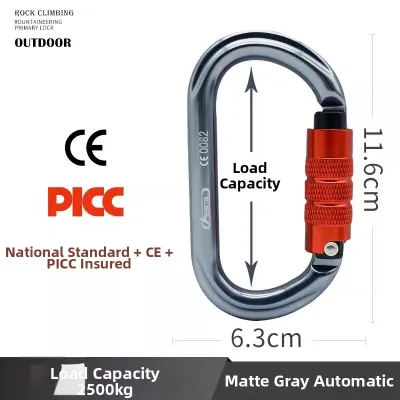
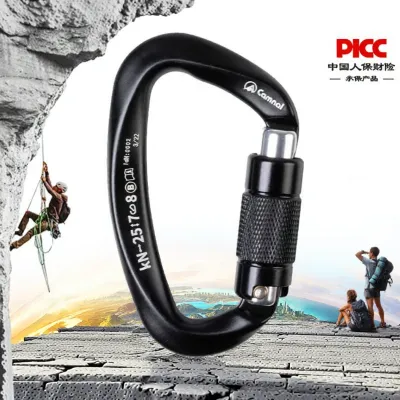
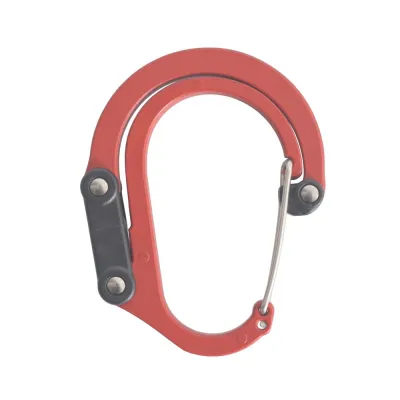
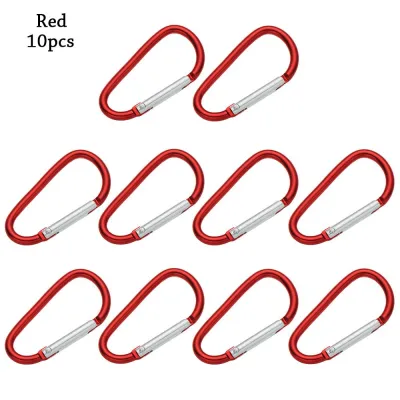
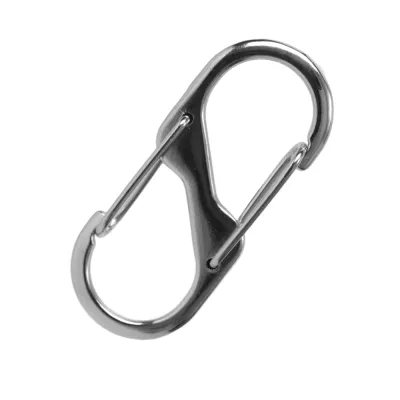
Prices are valid at publication and may change. Please refer to the product page for the latest price.
To understand exactly how a piece of gear was tested, you must look at the EN (European Norm) numbers. These numbers refer to specific testing protocols harmonized across Europe for different types of climbing equipment. For example, EN 12275 governs connectors like carabiners, while EN 892 applies to dynamic mountaineering ropes. These standards dictate precise requirements for tensile strength, gate openings, impact force absorption, and sheath slippage. By matching the EN number on your gear to the corresponding equipment type, you can verify that the tool was tested under the correct parameters for its intended use.
How to Verify Safety Labels on Your Climbing Equipment
Verifying the safety markings on your gear requires a careful physical inspection of the product, its packaging, and its permanent tags. Reputable manufacturers stamp, engrave, or stitch these safety labels directly onto the equipment. For instance, on a climbing harness, you should find a durable fabric tag sewn into the waist belt or leg loops displaying the CE mark, the UIAA logo, and the specific EN standard. On metal hardware like carabiners or belay devices, these markings are typically laser-etched or stamped directly into the metal body.

Beyond the physical product, you should always check the manufacturer’s official documentation. Every certified piece of PPE must be accompanied by user instructions and a Declaration of Conformity. This document is often available for download on the manufacturer’s official website and links the specific batch or serial number of your gear to the official test results. If a seller cannot provide this documentation, or if the manufacturer’s website does not list a Declaration of Conformity for that specific model, you should treat the gear with extreme caution.
For high-risk, life-saving equipment classified as Category III PPE, look for a four-digit number printed directly next to the CE mark. This four-digit code identifies the specific “notified body”—an independent, accredited testing laboratory that audits the manufacturer’s quality control systems and production facilities. For example, a mark like “CE 0123” or “CE 0082” indicates that a specific, recognized European laboratory is actively monitoring the production quality of that gear. The absence of this four-digit number on load-bearing climbing equipment is a major red flag that suggests the product may not be legally certified for life-safety applications.
Which Standards Apply to Different Protection Tools
When building your climbing kit, it is vital to know which standards apply to different categories of gear. Load-bearing items—such as harnesses, dynamic ropes, carabiners, active protection like cams, passive protection like nuts, and helmets—must carry specific PPE certifications. For example, dynamic ropes should conform to EN 892, while harnesses must meet EN 12277. These certifications ensure that the core components of your safety chain can reliably absorb and distribute the forces generated during a lead fall.
In contrast, non-load-bearing accessories and general other climbing equipment may not carry these life-safety certifications. Items like chalk bags, gear loops, route-setting wrenches, or basic gear storage backpacks are not designed to hold a climber’s weight and therefore do not require EN or UIAA PPE markings. It is crucial not to confuse general outdoor accessories with certified protection tools. Never use an accessory carabiner—often marked with “Not for Climbing”—for any load-bearing application, as these items are only rated for holding light accessories like water bottles or shoes.
Always consult the manufacturer’s intended use guidelines to ensure the gear’s certification matches your specific climbing discipline. A helmet certified for industrial work (such as EN 397) may not provide the side-impact protection required for climbing, which is covered under EN 12492. Similarly, static ropes certified under EN 1891 are designed for abseiling, caving, and rescue work, but they must never be used for lead climbing because they lack the elasticity needed to safely absorb the impact of a fall. Matching the specific certification to your activity is a fundamental step in managing risk.
What Certifications Do Not Cover: Inspection and Retirement
While safety certifications provide peace of mind at the point of purchase, they do not guarantee ongoing safety once the gear is in use. A certification mark simply confirms that the product passed initial factory and design tests under controlled laboratory conditions. It cannot protect you if the gear is subsequently damaged, modified, stored incorrectly, or used past its expiration date. The responsibility for maintaining the integrity of your safety chain rests entirely on your shoulders through regular inspection and proper care.
In tropical climates like Singapore, environmental factors can accelerate the degradation of climbing gear. High humidity, intense UV exposure from outdoor climbing walls, and salt air near coastal areas can weaken nylon webbing and corrode metal components faster than in cooler, drier climates. You must perform a thorough visual and tactile inspection of all your gear before every single climbing session. Feel your ropes for flat spots, stiff sections, or core shots; inspect harnesses for frayed stitching or faded webbing; and check metal gates and rivets for smooth operation, rust, or hairline cracks.
Establishing clear retirement conditions is essential for your safety. You must immediately retire any load-bearing gear that has been subjected to a severe fall, even if there is no visible damage, as internal micro-fractures or core damage may not be visible to the eye. Additionally, soft goods like slings, harnesses, and ropes have a strict maximum lifespan—typically up to ten years from the manufacture date under ideal storage conditions, and significantly less with regular use. Replacing a worn sling may only cost around S$15 to S$30, which is a small price to pay for peace of mind. If your gear shows signs of chemical exposure, severe abrasion, or if you cannot verify its complete history, it must be permanently decommissioned and destroyed to prevent accidental reuse.
Frequently Asked Questions (FAQ)
Is UIAA certification legally required for climbing gear?
No, UIAA certification is not a legal requirement for selling climbing gear in most regions. In the European Union and other markets that follow similar regulatory frameworks, the CE mark and compliance with EN standards are the legal baselines required to sell Personal Protective Equipment. However, because the UIAA standards are developed specifically by and for the global climbing community, many reputable manufacturers choose to meet both CE/EN and UIAA standards. When purchasing gear, look for both marks to ensure the highest level of safety testing, and always verify any specific gear requirements set by your local climbing gym or guiding service.
What should I do if my climbing gear has no visible certification marks?
If your climbing gear lacks clear, legible certification marks or traceable manufacturing information, you should stop using it immediately for any load-bearing application. Missing labels can indicate that the gear is counterfeit, uncertified, or has suffered extreme wear that has erased critical safety information. If the gear is relatively new and you suspect the physical tag has simply faded or peeled off, contact the manufacturer directly with the product’s batch or serial number to verify its certification status. When in doubt, always err on the side of caution and retire the gear; your life is worth far more than the cost of a replacement carabiner or sling.
Community discussion
Share your experience or ask a question. Comments are reviewed before publication.