
Choosing a reliable signaling device is a fundamental step in preparing for any outdoor or athletic activity. A whistle safety tool is a critical, non-negotiable component of any athletic first aid kit or personal safety gear because sound carries significantly further than the human voice. When an athlete is fatigued, injured, or in shock, shouting quickly becomes exhausting and ineffective. A high-quality whistle requires minimal lung capacity to produce a piercing sound that can cut through environmental noise, such as rushing water, heavy wind, or dense foliage.
However, not all whistles are created equal. The whistle you choose must match your specific sport, environment, and physical conditions. A whistle designed for a dry, indoor basketball court will perform poorly if submerged during a kayaking trip or exposed to freezing mountain rain. Understanding the distinct differences between whistle designs ensures that your emergency signaling device works reliably when you need it most.
Pealess vs. Pea vs. Electronic: Understanding Whistle Safety Mechanics
To select the right whistle safety gear, you must first understand how different mechanical designs operate under pressure. The traditional pea whistle contains a small, spherical “pea” (typically made of cork, synthetic plastic, or wood) inside a hollow chamber. When you blow into the mouthpiece, the air forces the pea to spin rapidly, interrupting the airflow to create a distinctive, warbling trill. While this classic design produces a highly recognizable sound, it has significant vulnerabilities in outdoor sports. If dirt, sand, or mud enters the chamber, the pea can easily jam, rendering the whistle silent. Furthermore, in cold climates, moisture from your breath can freeze the pea to the inner wall, while shared use can turn the chamber into a breeding ground for bacteria.
Products mentioned in this guide
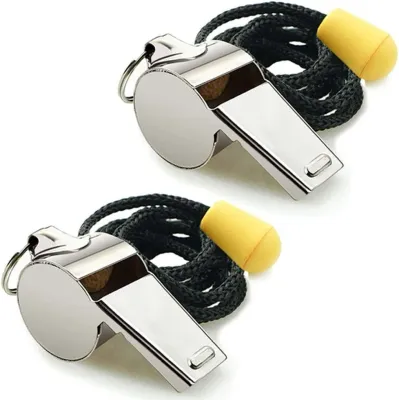
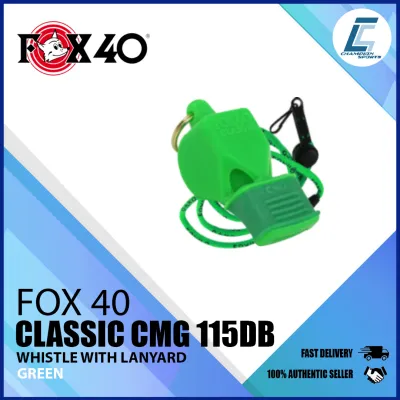
![[SG SELLER] Lifeguard Whistle Lanyard Loudest Pea-Less Rubber Mouth Grip Air Hockey Puck Coaches Referee Whistles Sports](https://img.lazcdn.com/g/p/b10f515d0cbec9460e8dccf87cb54c8d.png_400x400q80.png_.webp)
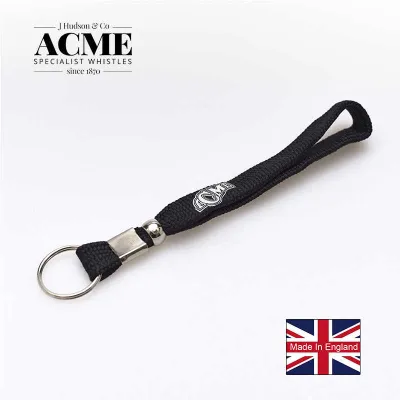
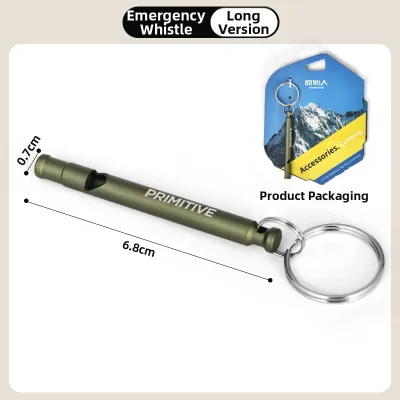
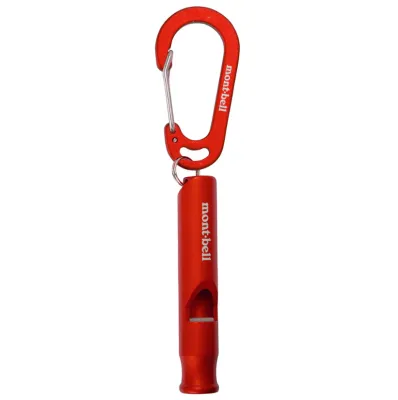
Prices are valid at publication and may change. Please refer to the product page for the latest price.
Pealess whistles solve these reliability issues by eliminating moving parts entirely. Instead of a physical pea, these whistles use precisely engineered internal chambers to split the air stream and generate sound waves. Because there is nothing to clog, freeze, or jam, pealess models are highly favored for extreme outdoor environments. They drain water instantly, function reliably in freezing temperatures, and are much easier to clean and sanitize.
Electronic whistles represent a modern alternative that replaces lung power with battery power. By pressing a button, you trigger a consistent, high-decibel electronic tone. This design is highly beneficial for coaches, referees, or injured athletes who may lack the lung capacity to blow a traditional whistle. However, electronic models introduce electronic failure points. They rely entirely on battery life, can fail in extreme cold, and are highly vulnerable to water damage unless they carry a certified waterproof rating.
Best Whistle Types for Specific Sports Environments
Matching your whistle to your specific sporting environment is crucial for ensuring your signal can be heard over ambient noise. Different activities present unique physical challenges, from high-altitude winds to water submersion.

Outdoor Trails and Hiking
When navigating remote trails, dense forests, or alpine ridges, your primary challenge is distance. Sound must travel through thick vegetation, overcome howling winds, and cross deep valleys to reach rescue teams. For these environments, a high-decibel pealess whistle is the gold standard. Look for multi-chamber designs that produce multiple frequencies simultaneously, as these discordant tones are easier for the human ear to locate over long distances.
Avoid using pea whistles on the trail. Dust, mud, and organic debris from your backpack or the trail can easily enter the whistle chamber and disable the rolling pea. Additionally, if you hike in high-altitude or cold-weather environments, the moisture from your breath can freeze the pea in place within seconds. For optimal safety, attach your pealess whistle directly to your hydration pack’s sternum strap or keep it in an easily accessible pocket of your hiking first aid kit, rather than buried deep inside your backpack.
Water Sports and Kayaking
Water sports present a highly demanding environment where equipment is constantly wet, and the sound of rushing water or crashing waves can easily drown out distress signals. In these conditions, a self-draining pealess whistle is absolutely mandatory. Standard pea whistles fail almost instantly when waterlogged because water traps the pea against the chamber wall, preventing it from spinning and producing sound.
If you use an electronic whistle for water sports, you must verify that the manufacturer explicitly rates the device as fully waterproof and submersible, rather than merely water-resistant. Even then, mechanical pealess whistles remain the most reliable choice for marine environments because they do not rely on batteries that can short-circuit. Always secure your whistle to your Personal Flotation Device (PFD) using a marine-grade lanyard or a secure clip. This ensures the whistle remains accessible even if you are separated from your vessel or find yourself swimming in rough water.
Team Field Sports and Refereeing
On the playing field, the primary goal of a whistle is immediate, authoritative communication to manage the game or signal for medical assistance. Traditional referees often prefer pea whistles because the classic trill sound is highly distinct and easily recognized by players amidst the noise of a crowded pitch. The warbling tone allows for expressive signaling, helping referees convey different levels of urgency.
However, for team first aid kits and general sports safety, pealess models are increasingly preferred. In fast-paced sports like soccer, rugby, or field hockey, a medical responder needs a whistle that delivers an instant, sharp blast without any “chatter” delay. Furthermore, pealess whistles are far more hygienic. Because they lack internal moving parts, they can be thoroughly sanitized between uses, making them safer for shared team kits where multiple coaches or trainers might need to use the same safety whistle.
Cross-Scenario Compatibility: Can One Whistle Do It All?
For multi-sport athletes who participate in trail running, kayaking, and field sports, the question of whether a single whistle can serve all purposes is highly practical. A high-quality, dual-chamber or triple-chamber pealess whistle is the closest option to a universal safety tool. Its lack of moving parts makes it impervious to water, mud, and cold, while its high-decibel output is loud enough to cut through both wilderness wind and stadium noise.
However, relying on a single whistle for every activity carries risks. A whistle permanently clipped to your PFD for kayaking is easily forgotten when you pack your gear for a weekend mountain hike. For optimal safety, the best practice is to treat your whistle as a dedicated component of each specific gear setup. Keep one marine-grade pealess whistle permanently attached to your PFD, another high-decibel trail whistle secured to your hiking pack, and a backup whistle stored inside your primary sports first aid kit.
This redundant approach ensures that you are never left without a signaling device due to a packing oversight. It also allows you to select specialized models where necessary—such as an electronic whistle for a team sports kit where multiple people might need to signal without sharing mouthpieces, and a rugged, high-frequency pealess model for remote wilderness exploration.
How to Attach, Clean, and Maintain Your Safety Whistle
A safety whistle is only useful if it is immediately accessible and functions perfectly when an emergency arises. Proper attachment, regular cleaning, and consistent maintenance are essential to keep your whistle safety gear in peak operational condition.
When attaching your whistle, choose a method that matches your activity’s physical demands. For field sports and refereeing, always use a breakaway lanyard. This safety feature ensures that if the lanyard is pulled forcefully during a collision or fall, it will release instantly to prevent a choking hazard. For water sports and hiking, secure the whistle to your PFD or backpack strap using a heavy-duty plastic clip or a coiled, marine-grade lanyard that keeps the device close to your mouth without dangling loosely where it can snag on branches or equipment.
Cleaning your whistle is vital for both hygiene and performance. After exposure to saltwater, mud, or trail dust, rinse the whistle thoroughly with fresh, clean water to remove salt crystals and grit. For sanitizing, especially with shared team whistles, wash the mouthpiece and internal chambers with warm, soapy water or a mild, food-safe sanitizing solution. Avoid using harsh chemical solvents that could degrade the plastic or synthetic materials of the whistle body.
Finally, establish a routine maintenance check before every trip or sports season. For electronic whistles, test the battery strength and carry spare batteries in your first aid kit. For pealess whistles, inspect the internal chambers visually to ensure no dirt, lint, or small insects have nested inside, as even minor obstructions can significantly alter the pitch and volume of your distress signal.
Frequently Asked Questions (FAQ)
How loud should a safety whistle be for outdoor emergencies?
For outdoor emergencies, a safety whistle should ideally produce a sound level between 110 and 120 decibels. Open, windy, or heavily forested environments absorb sound quickly, requiring a higher decibel output to cut through the ambient noise compared to an indoor gymnasium. Dual-chamber or triple-chamber designs are highly effective because they produce multiple frequencies simultaneously, creating a discordant sound that is easier for human ears to locate over long distances without requiring extreme lung pressure.
Can I use a standard sports whistle for water sports?
Using a standard pea whistle for water sports is highly discouraged because waterlogging will cause the internal pea to stick to the chamber wall, rendering the whistle silent. While a standard pealess whistle will function when wet, it is best to use a marine-grade or self-draining pealess whistle specifically designed to clear water instantly. If you choose an electronic whistle, you must verify that the manufacturer rates it as fully waterproof and submersible before taking it on the water.
What is the universal distress signal using a whistle?
The internationally recognized universal distress signal consists of three short, sharp blasts on your whistle, lasting about one second each, followed by a one-minute pause. Repeat this pattern continuously until help arrives. If you hear a response, it will typically be two blasts. Using a whistle to signal for help is far more effective than shouting, as it conserves your physical energy and breath while producing a sound that carries significantly further.
Community discussion
Share your experience or ask a question. Comments are reviewed before publication.