
Quick Answer: Is Salomon the Most Breathable Running Belt?
Salomon running belts offer excellent breathability due to targeted mesh panels and perforated designs, making them highly effective for moisture management. However, whether they are the “most” breathable option depends on the competing design. Minimalist strap belts cover less skin and inherently feel cooler, though they offer very little storage and can bounce. Conversely, continuous tube-style belts wrap the entire waist in solid fabric, which can trap more heat despite their stretch.
Salomon is the optimal choice for ventilation when carrying gear over medium-to-long distances. Its engineered 3D mesh creates structural air gaps that keep sweat from pooling, providing a stable, highly ventilated platform. If you need a high-capacity belt that will not turn into a hot, wet sponge, Salomon’s technical designs are among the best available.
How Running Belt Breathability Actually Works
To understand how a running belt performs, it is essential to look at the physical mechanics of textile ventilation and moisture management. Breathability in athletic gear is the result of three distinct physical pillars: material porosity, structural design, and physical fit. When these three elements are correctly engineered, they work together to keep the runner’s skin dry and cool.
Products mentioned in this guide
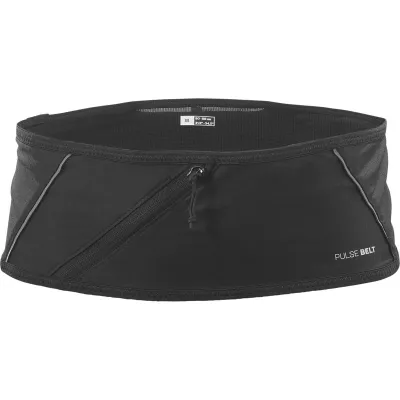
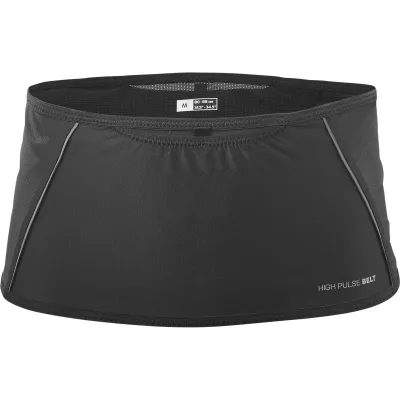
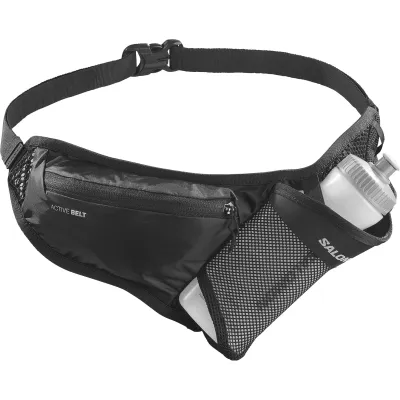
![[Gift with Min Purchase] SALOMON GIFT ACS POUCH2/HIGH PULSE BELT Official Store](https://img.lazcdn.com/g/p/ba7a3c4d80b32c0849f0518ea8aa0c49.jpg_400x400q80.jpg_.webp)

Prices are valid at publication and may change. Please refer to the product page for the latest price.

Material porosity refers to the actual physical gaps within the fabric weave. Stiff, tightly woven synthetic fabrics or solid materials like neoprene act as physical barriers to airflow, trapping heat and evaporated sweat. In contrast, open-structured meshes allow air to pass directly through the material, which is crucial for convective cooling.
The second pillar is structural design, which dictates how the belt manages moisture once it is absorbed. There is a critical difference between ventilation (allowing air to pass through) and moisture-wicking (using capillary action to pull liquid sweat away from the skin to the outer surface of the fabric where it can evaporate). High-performance running belts often combine these two properties by using multi-layer fabrics. An inner layer wicks the sweat away from the skin, while a highly ventilated outer layer exposes that moisture to the surrounding air for rapid evaporation.
Finally, the physical fit of the belt directly influences how these material properties perform. A running belt must sit snugly against the body to prevent bouncing, but this compression can sometimes work against breathability. If a belt is too tight, the fabric is pressed flat against the skin, eliminating the micro-air gaps that allow air to circulate. When a belt is properly fitted, the fabric maintains a tiny, dynamic boundary layer of air between your skin and the gear, which is essential for preventing friction-induced heat and chafing.
Salomon Running Belts: Breathability and Moisture Management Profile
Design and Material Features
Salomon’s approach to running belt design focuses heavily on technical fabric selection. The brand frequently utilizes a combination of multi-layer 3D mesh and highly elastic, perforated synthetic fabrics. The 3D mesh is particularly noteworthy because it features a three-dimensional structure that physically holds the outer layer of the belt away from the skin. This design creates a permanent channel for airflow, even when the belt is loaded with gear and tensioned around the waist.
In addition to the structural mesh, Salomon incorporates targeted perforated zones in areas that experience high sweat accumulation, such as the lower back. These laser-cut perforations allow heat to escape directly from the body’s primary heat-generation zones. The primary fabrics are typically high-quality polyester and polyamide blends mixed with elastane for stretch. These synthetic fibers are inherently hydrophobic, meaning they do not absorb water into the fiber itself; instead, they funnel moisture along the surface of the thread to the exterior of the belt, preventing the heavy, waterlogged sensation common with lower-grade materials.
Performance in Humid and Hot Climates
In high-humidity environments, such as the tropical climate of Singapore, the physical laws of evaporation change. When the air is saturated with moisture, sweat cannot evaporate easily from the skin, which can lead to overheating and chafing. Under these conditions, a running belt’s ability to manage moisture becomes a critical comfort factor.
Salomon’s open-mesh structures perform well in humid conditions because they do not rely solely on passive evaporation. Instead, the motion of the runner’s body forces air through the porous mesh, creating a mechanical ventilation effect that helps clear the saturated boundary layer of air next to the skin. However, runners must recognize that in extreme heat and humidity, no fabric can completely prevent sweat accumulation. Any waistband will retain some heat and moisture during an intense run. When testing a new Salomon belt in these conditions, pay close attention to your skin comfort during your first few runs; observe whether the belt dries relatively quickly during walking breaks and check for any signs of friction or chafing along the waistband line.
Comparing Salomon to Other Popular Running Belt Styles
Salomon vs. Tube-Style Fabric Belts
Tube-style running belts consist of a continuous 360-degree loop of stretchy fabric, typically made from solid spandex, nylon, or lycra. While they excel at holding items flat against the body and distributing weight evenly around the waist, they present distinct trade-offs when it comes to ventilation and heat management.
Because tube belts wrap completely around the torso without any physical breaks or structural air channels, they cover a large surface area of skin with a solid, compressive layer of fabric. In warm weather, this continuous band acts as an insulator, trapping body heat and sweat. Salomon belts, by contrast, utilize an adjustable, panel-based construction. Rather than relying on a solid sheet of fabric, Salomon integrates distinct mesh panels and open-structured webbing. This targeted design ensures that while the load-bearing sections of the belt remain secure, the surrounding areas are left open to the air, resulting in a much cooler feel and significantly less sweat buildup.
Salomon vs. Minimalist Strap and Band Belts
Minimalist running belts generally consist of a simple, narrow elastic strap with a small, expandable pouch. These belts represent the absolute minimum in terms of skin coverage. Because they cover so little of the body, they inherently offer the highest level of airflow and feel the coolest during short, fast runs.
However, this minimalist design comes with a performance trade-off when it comes to carrying capacity and stability. If you attempt to carry a modern smartphone, a soft flask of water, and a few energy gels in a minimalist belt, the weight will cause the narrow strap to bounce with every stride. This constant movement creates intense friction against your clothing or skin, leading to localized heat spots and chafing. Salomon belts are designed for runners who need to carry actual gear. By using a wider, more structured band made of highly breathable mesh, Salomon distributes the weight of your items across a larger area to eliminate bounce, while using engineered ventilation to offset the increased skin coverage.
Salomon vs. Traditional Pouch and Buckle Belts
Traditional running belts often feature a heavy, stiff pouch made of neoprene or thick nylon, secured by a narrow webbing strap and a plastic buckle. These belts are durable and water-resistant, but they are notoriously poor performers when it comes to breathability and moisture management.
Neoprene is a synthetic rubber that is completely non-porous; it does not allow air to pass through and does not wick sweat. When you wear a neoprene pouch belt, a solid barrier is placed against your lower back or abdomen, creating a localized sweat spot where moisture pools rapidly and cannot escape. This trapped moisture quickly saturates your running shirt and can cause severe skin irritation. Salomon’s modern designs represent a complete departure from these stiff pouches. By replacing heavy, non-breathable materials with body-hugging, highly ventilated athletic mesh, Salomon ensures that moisture is constantly moved away from your skin, making their belts a vastly superior choice for runners prioritizing comfort.
Key Factors to Verify Before You Buy
When shopping for a new running belt, it is easy to get overwhelmed by marketing claims. To make an informed decision, you should look past the promotional descriptions and verify the actual physical specifications of the product. Taking a few deliberate steps before your purchase can save you from the discomfort of a poorly ventilated belt.
First, check the manufacturer’s official material composition on the product label or the online specifications page. Look for high-performance synthetic blends containing polyester and polyamide for durability and moisture-wicking, combined with elastane for stretch. Look for explicit mentions of designated mesh zones, 3D mesh, or perforated panels. Avoid belts made primarily of solid neoprene or untreated nylon fabrics, as these materials inherently restrict airflow and will trap heat during your runs.
Second, assess the physical width of the belt and its storage layout. A wider belt is excellent for distributing weight and carrying larger items like a soft flask, but a wider band naturally covers more skin surface area. You must balance your need for storage with your personal sweat profile and the climate you run in. If you primarily run short distances in hot, humid conditions, a narrower belt with targeted mesh panels may be more comfortable than a wide, high-capacity trail belt.
Finally, verify the retailer’s return or exchange policy before making your purchase. Breathability and fit are highly subjective and depend on your unique body shape, running gait, and sweat rate. A belt that feels comfortable in an air-conditioned store may perform differently when loaded with gear during a humid outdoor run. Ensure you have the option to return or exchange the belt if you discover that the fit causes excessive sweating, bouncing, or chafing during your initial trial runs.
How to Choose the Right Belt for Your Run
Selecting the perfect running belt requires a realistic assessment of your typical running distance, the gear you must carry, and your personal tolerance for heat. No single belt is perfect for every runner or every workout, so understanding the trade-offs of each design will help you make the right choice.
Choose Salomon if:
- You are training for long-distance road runs, trail runs, or marathons where you need to carry multiple items, such as a 250ml or 500ml soft hydration flask, energy gels, a phone, and a lightweight windbreaker.
- You require a high level of stability and want to eliminate bounce without resorting to a heavy, non-breathable pouch.
- You run in warm or humid climates and want a belt engineered with advanced 3D mesh and targeted ventilation zones to maximize airflow and sweat evaporation.
- You are willing to invest in premium, technical fabrics that maintain their shape and moisture-wicking properties over hundreds of kilometers of training.
Choose Tube-Style Belts if:
- Your runs are of moderate length, and you prefer a sleek, low-profile design that fits smoothly under or over your running shirt.
- You want 360-degree storage distribution, allowing you to tuck items in anywhere around your waist.
- You prefer an even, compressive feel and do not mind a slightly warmer sensation around your torso in exchange for absolute stability and zero bounce.
- You typically run in cooler climates or do not sweat heavily around your midsection.
Choose Minimalist Bands if:
- Your workouts consist of short, fast runs, track sessions, or races where you only need to carry bare essentials, such as a single key, an ID card, and a small phone.
- Your absolute top priority is maximizing skin exposure to keep as cool as possible, with zero extra fabric wrapping around your waist.
- You want the lightest possible gear setup and are highly sensitive to any feeling of restriction or compression around your stomach.
- You do not plan on carrying any liquids or heavy items that would cause a narrow strap to bounce and chafe.
Frequently Asked Questions (FAQ)
How do I wash a Salomon running belt to maintain its breathability?
To preserve the technical properties of your Salomon running belt, proper care is essential. After a sweaty run, hand wash the belt in cool water or place it in a mesh laundry bag and run it on a gentle cycle in your washing machine. Always use a mild, sports-specific liquid detergent that is formulated to clean synthetic fabrics without leaving residues. You must strongly avoid using fabric softeners or dryer sheets; these products leave a thin, waxy coating over the synthetic fibers, which clogs the tiny pores of the mesh and permanently destroys the fabric’s moisture-wicking and breathable capabilities. Finally, always hang the belt to air dry in a shaded, well-ventilated area, as the high heat of a tumble dryer can warp the elastic fibers and damage the structural mesh.
Does a tighter running belt reduce breathability?
Yes, overtightening your running belt can significantly reduce its ability to ventilate and manage moisture. While a running belt must be snug to prevent bouncing, pulling it too tight compresses the multi-layer 3D mesh directly against your skin. This compression eliminates the micro-air gaps and channels designed to let air circulate and sweat evaporate, effectively trapping heat and moisture against your body. To optimize both comfort and performance, aim for a secure but comfortable fit: the belt should be tight enough to hold your gear firmly in place while you run, but loose enough that you can easily slide two fingers under the band without feeling restricted. This allows the technical fabric structures to function exactly as engineered.
Community discussion
Share your experience or ask a question. Comments are reviewed before publication.