
Choosing the right hydration system is one of the most critical decisions for a trail runner. When comparing the Salomon soft flask with prominent competitors like HydraPak and Naked, there is no single brand that outshines the others in every scenario. The ideal choice depends heavily on your specific hydration vest pocket dimensions, your preferred bite valve mechanism, and how you balance weight against long-term durability.
Soft flasks have largely replaced rigid bottles in the trail running community because they compress as you drink. This compression eliminates the distracting sloshing sound of water and prevents air from entering the flask, which significantly reduces bounce on the trail. However, because different brands design their flasks to pair with specific gear ecosystems, finding the perfect match requires looking closely at physical dimensions, material construction, and usability features.
Core Design and Hydration Vest Compatibility
The physical shape of a soft flask determines how comfortably it rides on your chest or waist. Salomon soft flasks are highly recognized for their tapered or conical bottoms, particularly in their Speed flask variations. This design is engineered specifically to slide effortlessly into the narrow, vertical front pockets of Salomon hydration vests. The rigid, pointed base acts as a guide, allowing you to reinsert a full flask mid-run without struggling against tight mesh fabric.
Products mentioned in this guide
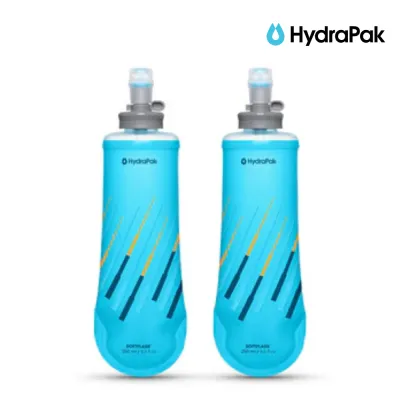
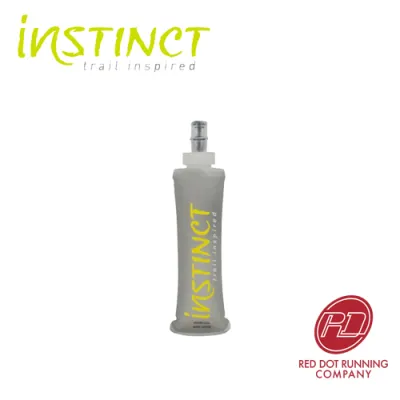
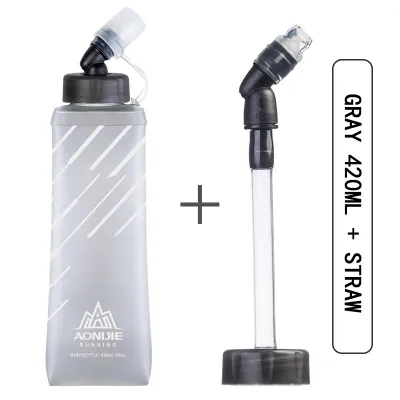
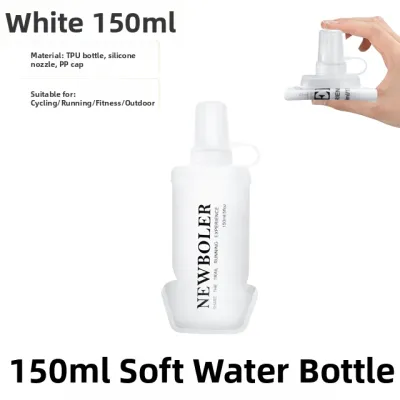
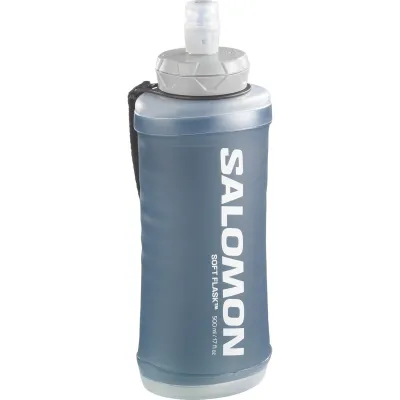
Prices are valid at publication and may change. Please refer to the product page for the latest price.
In contrast, HydraPak offers a wider variety of general form factors, including classic cylindrical shapes and contoured designs. Because HydraPak is the primary manufacturer behind many outdoor brands’ hydration systems, their standalone flasks are designed with universal compatibility in mind. They often feature flat or slightly rounded bases that sit stably in a broader range of third-party vest pockets. Naked soft flasks focus on a highly flexible, low-profile shape. These are designed to conform closely to the body, making them exceptionally well-suited for tight-fitting running waist bands or compression vests where minimizing bulk is the primary goal.
When a flask does not match your vest’s pocket dimensions, you run the risk of excessive bounce or discomfort. A flask that is too tall for its pocket will protrude upward, potentially flopping against your collarbone or chin with every stride. Conversely, a flask that is too short or narrow can slip deep into the pocket, making the bite valve difficult to access without stopping or awkwardly contorting your neck. Before purchasing, always measure the height and width of your vest’s front pockets when empty and when stretched. Compare these measurements to the manufacturer’s fully expanded flask dimensions to ensure a secure, bounce-free fit.
Material, Weight, and Durability Checks
Evaluating the physical resilience of a soft flask is essential for avoiding leaks on remote trails. Most premium soft flasks are constructed from Thermoplastic Polyurethane (TPU), a material favored for its elasticity, strength, and lightweight properties. When shopping, verify that the flask is certified BPA-free and PVC-free by checking the product packaging or manufacturer specifications. Some brands also utilize RF-welded seams (radio frequency welding) to fuse the TPU sheets together, creating a bond that is theoretically stronger than the material itself.

There is an inherent trade-off between ultra-lightweight, minimalist designs and rugged durability. Minimalist flasks, such as those in Salomon’s S/Lab range or Naked’s lightweight lines, use thinner TPU walls to shave off every possible gram. While this makes them incredibly light and easy to pack down when empty, they are more vulnerable to punctures from sharp objects like keys, trail debris, or even friction against coarse vest mesh over hundreds of kilometers. If you frequently run on rugged, overgrown trails where branches or rocks might snag your gear, opting for a flask with slightly thicker TPU—such as HydraPak’s standard models—provides a safer margin of error.
Before heading out on any long-distance run, especially in hot and humid environments where dehydration is a serious risk, perform a quick physical inspection of your flasks. Fill the flask with water, seal the cap, and apply gentle pressure to check for micro-tears along the welded seams. Pay close attention to the transition zone where the flexible TPU meets the rigid plastic neck, as this area experiences the most stress during twisting and filling. Additionally, inspect the material for any cloudiness, stiffness, or discoloration, which can indicate UV degradation or chemical breakdown from improper storage.
Usability: Bite Valves, Flow Rate, and Maintenance
The drinking experience on the trail can make or break your running rhythm. Bite valves are designed to allow hands-free hydration, but their mechanisms vary significantly between brands. Salomon flasks often feature high-flow bite valves equipped with a twist-lock or push-pull mechanism. This manual lock is highly effective at preventing accidental leaks when the flask is compressed inside a tight vest pocket or packed tightly in a travel bag. HydraPak utilizes self-sealing valves, such as their Blaster valve, which automatically seals after every sip to prevent dripping without requiring you to manually twist the valve open or closed. Naked flasks generally employ simple, high-flow bite valves designed for rapid fluid delivery with minimal biting effort.
Flow rate is a critical factor during high-exertion moments. When running up steep climbs, your breathing is heavy, and you cannot afford to spend several seconds sucking water through a restrictive valve. A high-flow valve allows you to take quick, efficient sips without disrupting your breathing pattern. It is highly recommended to test the flow rate of a new flask at home while mimicking your running posture to ensure you can drink comfortably without choking or spilling water.
Proper maintenance is crucial for extending the lifespan of your soft flasks and preventing the growth of mold, which thrives in warm, humid climates. The ease of cleaning is largely determined by the width of the flask’s mouth. Wide-mouth designs, common on HydraPak flasks and Salomon’s Speed models, make it simple to insert bottle brushes, add ice cubes, or pour in hydration powders without spilling. Narrow-neck designs require more patience and a specialized slim brush. After every run, rinse the flask with warm water and mild soap. To dry it completely, insert a clean kitchen utensil (like a whisk or spatula) to keep the internal TPU walls from sticking together, and hang it upside down in a well-ventilated area. Some runners also store their completely dry flasks in the freezer to prevent any bacterial growth between runs.
Decision Framework: Choosing Your Trail Running Bottle
To select the right trail running bottle for your specific needs, consider the following condition-based guidelines:
Choose Salomon if:
- You primarily wear Salomon hydration vests, as their tapered flask shapes are specifically engineered to integrate seamlessly with these pocket designs.
- You prefer a manual twist-lock valve mechanism to guarantee zero leaks when your vest is fully packed or compressed.
- You value a rigid, conical base that allows for rapid, hassle-free bottle transitions at aid stations.
Choose HydraPak if:
- You use a variety of different vest brands and need a highly versatile, universally compatible flask shape.
- You prioritize robust durability and want a slightly thicker TPU construction that resists punctures on rugged trails.
- You prefer a wide-mouth opening for easy cleaning, drying, and adding ice or drink mixes.
Choose Naked if:
- You prefer a minimalist, ultra-lightweight setup and carry your hydration in a running waist band or a highly snug compression vest.
- You want a flexible flask that conforms closely to your body shape to eliminate bounce during fast, short-to-medium distance runs.
- You prefer a simple, high-flow valve that requires minimal effort to operate under high cardiovascular stress.
Verify first if: Before making a final purchase, always verify the exact dimensions of your hydration vest pockets against the fully expanded measurements of the flask. If you are purchasing in Singapore, check with local authorized retailers regarding warranty terms, as some manufacturers offer generous guarantees against seam splits or manufacturing defects, which can save you money over time.
Frequently Asked Questions (FAQ)
Can I use a Salomon soft flask in a non-Salomon hydration vest?
Yes, Salomon soft flasks can be used in non-Salomon hydration vests, but compatibility depends entirely on the physical dimensions of the vest pockets. Because many Salomon flasks feature a tapered or elongated shape, they may slide easily into narrow pockets but could sit too low or loose in wider, shallower pockets from other brands. To ensure a proper fit, measure the height and width of your vest’s pockets when fully stretched, and compare those dimensions to the flask’s specifications when filled to capacity.
How do I prevent my soft flask from tasting like plastic?
To eliminate the plastic taste common in new TPU soft flasks, wash the flask thoroughly with warm water and mild dish soap before your first use. For persistent tastes, fill the flask with warm water, add a teaspoon of baking soda or a squeeze of lemon juice, and let it sit for several hours before rinsing it out completely. Always check the manufacturer’s guidelines to ensure you do not use harsh chemicals or boiling water, which can damage the TPU material or weaken the welded seams.
Community discussion
Share your experience or ask a question. Comments are reviewed before publication.