
Evaluating the technical specifications of the Saros 20 is the most reliable way to determine if this cardio machine aligns with your fitness level, physical stature, and training goals. Rather than relying on generic marketing claims, analyzing concrete metrics like motor horsepower, running deck dimensions, and structural weight limits allows you to predict how the machine will perform under daily stress. Whether you are preparing for high-intensity interval training or looking for a reliable platform for low-impact recovery walks, matching these technical details to your specific workout habits ensures a safer, more effective exercise routine.
Decoding Motor Power for Your Daily Routine
When examining the motor specifications of the Saros 20, the most critical distinction to make is between continuous duty horsepower (CHP) and peak horsepower (PHP). Continuous duty horsepower represents the motor’s ability to maintain a consistent power output under a continuous load without degrading performance or overheating. In contrast, peak horsepower only measures the absolute maximum power the motor can generate for a brief, unsustainable burst. For daily fitness routines, you should always base your decisions on the CHP rating, as this is the metric that dictates how the machine handles sustained exercise sessions.
The continuous horsepower rating directly influences the types of activities the machine can support over the long term. If your primary goal is steady-state walking or light jogging, a lower CHP rating is generally sufficient to keep the belt moving smoothly. However, if your routine involves high-speed running or intense interval sessions, a more robust CHP rating is necessary. A stronger motor prevents the belt from lagging or stuttering when your foot makes contact with the deck, which is crucial for maintaining a natural running stride and preventing joint strain.
Products mentioned in this guide
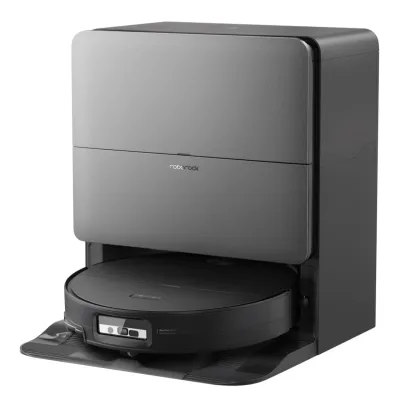
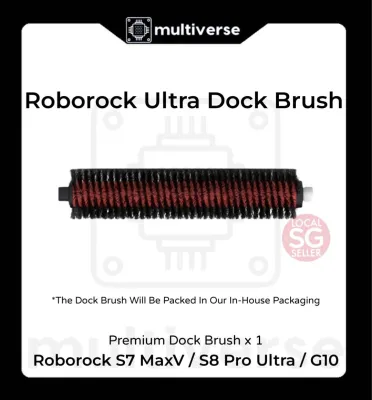
Prices are valid at publication and may change. Please refer to the product page for the latest price.
Operating any treadmill motor beyond its intended capacity can lead to premature wear and electrical issues. If multiple users in a household plan to use the machine consecutively, or if a user’s weight is near the upper limits of the machine’s capacity, the motor must work significantly harder. To prevent overheating, always review the manufacturer’s guidelines regarding consecutive usage limits and cool-down periods. Adhering to these operational boundaries ensures the internal components remain within safe thermal limits during your workouts.
Assessing the Running Surface and Incline Capabilities
The dimensions of the running belt on the Saros 20 are fundamental to both your safety and your overall workout comfort. Stride length naturally increases as your pace accelerates from a walk to a full sprint, requiring a longer deck to prevent your feet from accidentally striking the front motor cover or slipping off the rear roller. Before starting a high-speed program, verify the physical length and width of the running surface to ensure you have adequate clearance. A wider belt also provides a crucial lateral safety margin, allowing you to drift slightly side-to-side without stepping onto the non-slip side rails.

Incline capabilities serve as an excellent tool for escalating cardiovascular demand without increasing the mechanical impact on your joints. By elevating the deck, you shift the workload to your posterior chain, targeting the calves, hamstrings, and glutes more intensely than flat-surface training. When reviewing the incline specifications, check whether the machine offers electronic adjustments that can be controlled dynamically during a workout, or if it requires manual pre-setting before you begin. Understanding the maximum incline percentage allows you to tailor your hill-climbing simulations to your current cardiovascular endurance level.
Beyond the physical dimensions, the deck’s cushioning technology plays a vital role in joint protection. Running on a rigid surface transfers significant shock up through your ankles, knees, and hips. Most modern cardio machines incorporate elastomeric dampers or shock-absorbing zones beneath the running belt to mitigate this force. You should consult the user manual to locate these cushioning zones and understand how they distribute impact, which is particularly important for runners recovering from joint injuries or those training for long-distance events.
Understanding Weight Capacity and Frame Stability
A treadmill’s weight capacity is a direct indicator of its structural integrity and manufacturing quality. It is important to distinguish between the stated maximum user weight capacity and the total structural limit of the frame. The maximum user weight is a dynamic rating calculated by the manufacturer to account for the downward force exerted by a running user, which can be up to two to three times their actual body weight. The structural limit, on the other hand, refers to the static load the frame can support without bending or collapsing.
To preserve the longevity of the drive motor, rollers, and walking belt, it is highly recommended to maintain a conservative safety margin below the maximum rated weight capacity. Operating a machine close to its absolute limit increases friction between the belt and the deck, which forces the motor to draw more electrical current and accelerates wear on the control board. Keeping your body weight comfortably below the maximum limit ensures smoother belt tracking, quieter operation, and a significantly longer lifespan for the machine’s mechanical parts.
You can verify the physical stability of the machine by examining its frame materials and base footprint. Heavy-gauge steel frames and wider stabilizer feet offer superior resistance to rocking and shaking during high-intensity workouts. A machine with a larger footprint and a higher net weight will naturally feel more anchored to the floor, reducing unwanted vibrations that can disrupt your balance or cause excessive noise in a shared living space.
How to Verify the Exact Specifications of Your Saros 20
To ensure you are working with accurate technical data, you should physically inspect your specific unit rather than relying on general online descriptions. Locate the manufacturer’s data label, which is typically printed on a silver or white sticker positioned near the power switch, the base of the frame, or the front stabilizer bar. This label contains the exact model number, serial number, electrical requirements, and manufacturing date, providing an indisputable reference point for your machine’s identity.
Once you have noted the exact model number, cross-reference it directly with the official user manual or the manufacturer’s official website. This step is crucial because manufacturers frequently release updated iterations or regional variations of the same model name. A version designed for one region might feature different motor configurations or voltage requirements than a version sold elsewhere.
Avoid relying on third-party retail listings or online marketplaces for precise technical specifications. These external sources often contain typographical errors, outdated information, or generalized specifications that do not reflect the exact engineering of your specific unit. Verifying your details directly through official brand documentation is the only way to guarantee compatibility for replacement parts, accessories, and warranty service.
Frequently Asked Questions (FAQ)
Does a higher motor power always mean a better workout on the Saros 20?
A higher peak horsepower rating does not automatically guarantee a superior workout experience. The quality of your exercise session depends on how well the motor’s continuous duty (CHP) rating matches your specific training style and body weight. A moderate, high-efficiency motor that delivers consistent torque is far more beneficial for steady running than a high-peak motor that struggles to maintain speed under a continuous load. Focus on finding a machine with a continuous rating that comfortably supports your primary exercise pace.
Can I adjust the Saros 20 incline manually if the electronic incline fails?
If the electronic incline mechanism on your machine fails to respond, you should never attempt to force the deck up or down manually. Motorized incline systems rely on a precise linear actuator and gear assembly that can be permanently damaged if subjected to manual force, which will also void your manufacturer’s warranty. Instead, immediately consult the troubleshooting section of your user manual or contact a qualified technician to diagnose the electrical or mechanical issue safely.
Community discussion
Share your experience or ask a question. Comments are reviewed before publication.