
Choosing between diving gear and snorkeling gear comes down to a simple question: do you want to look down at the underwater world from the surface, or do you want to live inside it for an hour? Snorkeling gear is highly accessible, requiring minimal setup to let you float and observe shallow reefs. Scuba diving gear, on the other hand, is a complex life-support system designed to let you breathe deep underwater, requiring formal training and a larger financial commitment.
For most beginners, starting with basic snorkeling equipment is the most practical way to build water confidence. If you find yourself constantly trying to dive deeper on a single breath or wishing you could stay down longer, that is your cue to consider scuba gear. Assessing your personal goals, budget, and comfort level in the water will help you decide whether to stick to the surface or invest in the training and equipment needed to go deep.
Assess Your Water Activity Goals and Depth Requirements
Your choice of gear is dictated by where you plan to spend your time in the water. Snorkeling is primarily a surface-level activity where you breathe atmospheric air through a tube while floating face-down. This setup limits your exploration to the top few meters of water, as you must hold your breath if you want to dive down briefly to get a closer look at a reef. It is ideal for calm, shallow bays, lagoons, and clear coastal waters where sunlight easily penetrates to reveal marine life.
Products mentioned in this guide
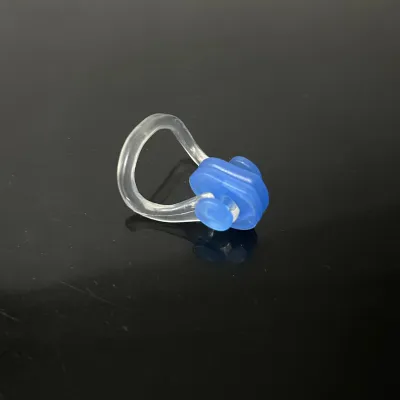
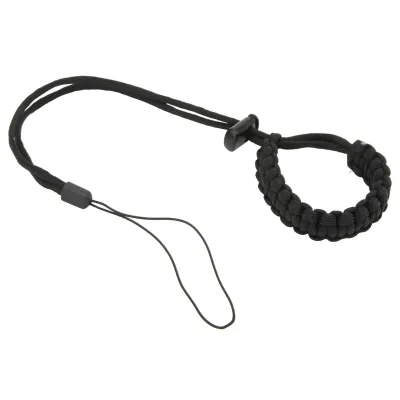
Prices are valid at publication and may change. Please refer to the product page for the latest price.
Scuba diving removes these depth and time constraints by allowing you to carry your own breathing gas supply. With a pressurized cylinder and regulator, you can remain submerged at depths of 18 meters or more for up to an hour, depending on your air consumption and dive profile. This allows you to explore deep-water environments, vertical walls, shipwrecks, and underwater caverns that are completely inaccessible from the surface.
However, descending into deeper water introduces physical challenges that require specific physical fitness and comfort. As you descend, water pressure increases rapidly, requiring you to actively equalize the pressure in your ears and sinuses. While snorkelers only need basic swimming skills and comfort in shallow water, divers must be highly confident in deep water, capable of managing buoyancy, and physically fit enough to handle currents while carrying heavy equipment.
Evaluate Your Training and Certification Status
The most critical boundary between snorkeling and scuba diving is the requirement for formal training. Snorkeling requires no license, certification, or formal instruction. As long as you possess basic swimming abilities, can float comfortably, and know how to clear water from your snorkel, you can safely enjoy the activity. It is a self-paced sport that you can pick up quickly with a bit of practice in a shallow pool or calm beach.

In contrast, scuba diving gear is life-support equipment that cannot be safely operated without formal certification from a recognized training agency. Obtaining a certification involves studying dive physics, physiology, and equipment operation, followed by confined water pool sessions and open-water evaluation dives. This training teaches you how to manage your air supply, control your ascent rate, and handle underwater emergencies.
Attempting to use scuba equipment without proper training carries severe physiological risks. Breathing compressed air at depth exposes your body to increased nitrogen absorption, which can lead to decompression sickness if you ascend too quickly. Additionally, holding your breath while ascending with compressed air can cause serious lung overexpansion injuries. Certification ensures you understand these risks and possess the practical skills to prevent them.
Compare the Core Equipment Differences and Maintenance Needs
The physical complexity of the gear is another major factor to consider. A snorkeling setup is remarkably simple, consisting of just three main items: a mask, a snorkel tube, and a pair of fins. This lightweight combination fits easily into a backpack or carry-on bag, making it highly portable for travel. Maintenance is straightforward, requiring only a quick rinse with fresh water after use and storage away from direct sunlight to preserve the silicone seals.
A complete scuba diving rig is far more complex and heavy. It includes a buoyancy control device (BCD), a regulator set to deliver air from the tank, a pressurized cylinder, a weight system to counteract buoyancy, and a dive computer to monitor depth and nitrogen levels. This gear requires meticulous post-dive care, including thorough freshwater rinsing of all internal valves, proper drying, and annual professional servicing by certified technicians to ensure the regulator and BCD function reliably.
Transporting scuba gear also presents logistical challenges. A full set of dive gear can easily weigh over 15 kilograms, which can exceed airline baggage limits and require specialized padded bags. If you live in a compact home, such as an apartment in Singapore, storing bulky dive gear, wetsuits, and fins in a dry, cool place to prevent mold and material degradation requires dedicated storage space.
Calculate the Financial Commitment and Rental Alternatives
The financial investment required for these two activities varies significantly. A high-quality snorkeling set is relatively inexpensive, making it an affordable entry point for anyone interested in water sports. For a modest sum in S$, you can purchase a durable mask, snorkel, and fins that will last for years with basic care. Because there are no ongoing licensing or air-fill costs, snorkeling remains highly cost-effective over time.
Scuba diving involves a much higher financial commitment. Beyond the initial cost of a certification course, purchasing a full set of personal dive gear represents a substantial investment of several hundred or even thousands of S$. For occasional divers who only go underwater once or twice a year during holidays, renting heavy equipment like BCDs, regulators, and tanks from local dive centers is often the most practical and economical choice.
When planning your budget, it is essential to factor in the recurring costs associated with scuba diving. Even if you own your gear, you must pay for boat charters, professional guide fees, tank refills, and destination park permits to access dive sites. Furthermore, life-support equipment requires regular professional inspection and servicing, which adds an ongoing maintenance cost to your hobby that snorkelers never have to face.
Make Your Final Decision: When to Upgrade or Stick to the Surface
To make your final decision, evaluate your current comfort level, budget, and long-term interest in underwater exploration. Snorkeling is the most practical choice if you prefer casual, low-stress trips, want to travel light, or wish to keep your expenses minimal. It allows you to enjoy vibrant marine life at your own pace without the need for rigorous training or complex equipment checks.
You should consider upgrading to scuba diving if you find yourself frustrated by the limitations of the surface. If you want to stay down longer to photograph marine life, explore deep structures like wrecks, or experience the feeling of weightlessness in deep water, it is time to look into dive training. Readying yourself for this transition means being prepared to invest the time required for certification and the budget needed for safe gear operation.
If you are still undecided, a practical transitional step is to sign up for a guided try-dive or “Discovery Scuba Diving” session. These programs allow you to experience breathing underwater in a controlled, shallow environment under the direct supervision of an instructor, without committing to a full certification course. This hands-on experience will give you the clarity you need to decide whether to stick to the surface or dive into the deep end.
Frequently Asked Questions (FAQ)
Can I use a snorkeling mask for scuba diving?
While some high-quality snorkeling masks may look similar to dive masks, they are generally not suitable for scuba diving. Scuba masks are specifically constructed with tempered glass lenses to withstand the increased pressure at depth without shattering. They also feature high-grade silicone skirts that seal tightly against the face under pressure and have nose pockets designed to allow easy equalization. Using a standard snorkeling mask for diving can lead to mask squeeze, lens failure, or water leakage at depth.
Is it safe to dive without a buddy if I have my own gear?
No, diving solo is not safe, regardless of how high-quality or familiar your personal gear is. The buddy system is a fundamental safety protocol in scuba diving designed to manage risks that cannot be resolved alone, such as equipment malfunctions, sudden physical distress, or becoming entangled. Having a trained buddy nearby ensures you have an immediate alternative air source and assistance in an emergency. Owning your own equipment does not replace the safety, redundancy, and support provided by a dive partner.
Community discussion
Share your experience or ask a question. Comments are reviewed before publication.