
Selecting a 20kg weighted vest in Singapore requires a careful balance of durability, ergonomics, and heat management. A 20kg load represents a substantial amount of resistance that can dramatically accelerate your strength and conditioning progress, but it also places immense stress on your gear and your body. Because a heavy load magnifies even minor design flaws, choosing the right equipment means looking beyond basic weight specifications to evaluate structural integrity and fit.
In Singapore’s warm and humid climate, factors like breathability, sweat resistance, and ease of cleaning become just as critical as the load itself. A poorly ventilated vest can quickly lead to overheating, while low-quality stitching can fail under the constant tension of a heavy workout. By understanding how different designs distribute weight and how various materials perform under stress, you can confidently build a reliable shortlist and make an informed purchase from local fitness retailers or online marketplaces.
Defining Your Training Goals for a 20kg Load
Before purchasing a 20kg weighted vest, you must determine whether your workouts consist primarily of static strength movements or dynamic cardiovascular activities. Static exercises like pull-ups, dips, and push-ups benefit from a compact, high-sitting vest that keeps the weight close to your center of gravity without restricting shoulder mobility. Conversely, dynamic activities such as rucking, walking, or calisthenics require a vest that minimizes bounce and prevents shifting during rapid directional changes.
Products mentioned in this guide
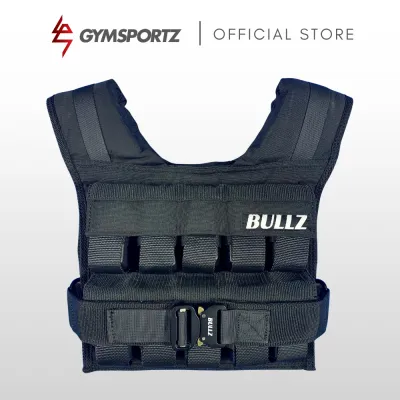
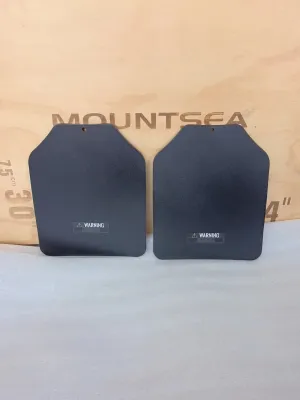
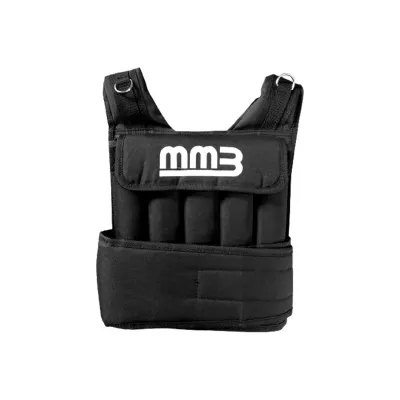
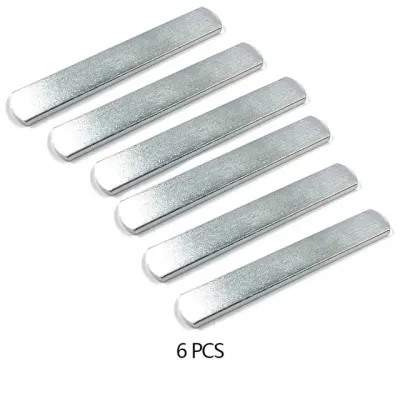
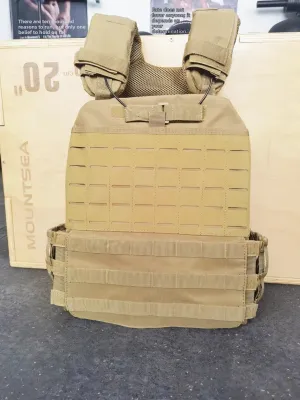
Prices are valid at publication and may change. Please refer to the product page for the latest price.
A 20kg load exerts substantial force on your musculoskeletal system, particularly your spine, knees, and ankles. Jumping directly into a maximum 20kg load without proper conditioning can lead to acute strain or overuse injuries. Therefore, progressive overload is essential; you should verify whether your physical conditioning is prepared for this level of resistance before strapping on the full weight.
This biomechanical reality highlights the choice between a fixed-weight vest and an adjustable-weight vest. A fixed 20kg vest is highly stable and convenient if you are already conditioned to this specific load and perform consistent, high-intensity strength sets. However, an adjustable vest—which allows you to add or remove weight increments—offers far greater versatility for long-term progression. It enables you to start at a lower weight, such as 5kg or 10kg, and gradually scale up to the full 20kg as your strength and joint stability adapt.
Evaluating Weight Distribution and Vest Architecture
The physical architecture of a weighted vest determines how safely and comfortably it carries a heavy 20kg load. A primary consideration is the balance between the front and back panels. Vests that distribute weight equally across your chest and upper back help maintain your natural posture and prevent you from leaning forward or backward to compensate for an uneven load. In contrast, single-panel designs or backpack-style carriers can pull your shoulders backward or compress your chest excessively, leading to poor form and increased fatigue.

Maintaining a stable center of gravity is crucial when training with heavy resistance. A well-designed vest positions the weight high on your torso, wrapping securely around your ribcage rather than sagging toward your waist. This high-torso placement minimizes spinal compression and reduces the leverage of the weight against your lower back, protecting your lumbar spine during deep squats or overhead movements.
You must also evaluate how the weight is secured within the vest’s structure. Vests with internal weight pockets distribute the load across multiple small compartments, which helps keep the individual weights flush against your body. On the other hand, external plate carriers utilize solid steel or iron plates held in place by heavy-duty retention straps. While plate carriers offer an incredibly slim profile, you must check that the retention systems are robust enough to prevent the plates from shifting or bouncing when you move dynamically.
Material, Breathability, and Strap Systems
Supporting a 20kg load requires exceptionally durable materials that can withstand high tension and friction over hundreds of workout sessions. Look for vests constructed from heavy-duty fabrics, such as high-denier nylon or reinforced polyester. These materials resist tearing at the seams and prevent the heavy weight inserts from wearing through the fabric over time. Double-stitched seams and reinforced stress points are critical indicators of a vest’s long-term durability under maximum load.
The strap system is the primary interface between the heavy load and your body, making its design central to your comfort. Wide, heavily padded shoulder straps are essential to distribute the 20kg weight across a larger surface area, preventing the straps from digging into your trapezius muscles and restricting blood flow. Additionally, look for adjustable waist straps or side compression bands, such as a cummerbund system. These side straps allow you to cinch the vest tightly against your torso, transferring a portion of the load from your shoulders to your core and hips, which significantly reduces shoulder fatigue.
In Singapore’s hot and humid climate, heat dissipation is a major performance factor. A vest that traps heat against your chest and back can quickly lead to overheating and excessive dehydration. Prioritize designs that incorporate mesh lining, ventilation channels, or moisture-wicking fabrics on the interior panels. These features facilitate airflow and help sweat evaporate more efficiently, keeping you cooler during intense outdoor workouts or sessions in non-air-conditioned home gyms.
Weight Media: Iron Plates vs. Sand or Steel Shot
The type of weight media used in a 20kg vest affects its overall profile, flexibility, and maintenance requirements. Cast iron or steel plates are highly favored for their slim, compact profile. Because metal is dense, plate-loaded vests remain thin and close to the body, allowing for a full range of motion during exercises like push-ups or bar work where a bulky vest might interfere. However, solid plates are rigid and do not conform to the contours of your body, which some users may find less comfortable during highly dynamic movements.
Alternatively, vests that utilize flexible weight packets filled with sand or steel shot offer a softer, more contouring fit. These packets mold to your torso, reducing localized pressure points and making the vest feel more like a natural extension of your body. The trade-off is that sand or shot-filled vests are typically bulkier than plate-loaded models, and the media can shift within the packets, creating noise and altering the weight distribution during fast-paced exercises.
When choosing between these media, you must inspect the security of the weight compartments. For plate-loaded vests, verify that the retention flaps use high-grade hook-and-loop fasteners or mechanical buckles to prevent the heavy plates from slipping out during inverted movements. For sand or steel shot vests, carefully check the seam quality of the individual weight packets. Leaking sand can ruin a workout space and permanently reduce the vest’s weight, making double-sealed, heavy-duty inner bags a necessity.
Furthermore, consider the long-term maintenance of each material. Metal plates require periodic inspection for rust, especially when exposed to sweat and high humidity; you should check if they have a rust-resistant powder coating or e-coat. Sand and steel shot packets must be kept completely dry to prevent mold growth or clumping, requiring you to remove them regularly to let the vest shell air out.
Building Your Shortlist: Pre-Purchase Verification Checklist
Before finalizing your purchase on a local online marketplace or from a fitness retailer, you should systematically verify several key specifications to ensure you receive a high-quality product. First, confirm the exact weight configuration of the product listing. Some sellers list the “maximum capacity” of the vest shell rather than the included weight; make sure the package explicitly includes the full 20kg of weight media alongside the vest itself. Additionally, check the weight of the empty vest shell, as a heavy-duty shell can add an extra 1kg to 2kg to your total training load.
Next, evaluate the seller’s authenticity and the product’s warranty terms. Look for manufacturers that offer dedicated structural warranties on seams, straps, and buckles, as these are the components most likely to fail under a 20kg load. Review the seller’s return and exchange policies carefully. Because fit is highly individual, you need the option to return or exchange the vest if the shoulder padding or torso straps do not align comfortably with your body shape.
Analyze user reviews with a specific focus on long-term durability rather than immediate satisfaction. Look for feedback from users who have trained with the vest at its full 20kg capacity for several months, paying close attention to comments regarding strap fraying, buckle breakage, or stitching separation. Finally, take note of the shipping details. A 20kg package is exceptionally heavy and can incur substantial delivery fees or handling surcharges, especially when ordering from international sellers. Verify the total shipping cost at checkout and check if local distributors offer free delivery or self-collection options within Singapore to keep your overall investment reasonable.
Frequently Asked Questions (FAQ)
Is a 20kg weighted vest safe for running?
Running with a 20kg weighted vest is generally not recommended for most fitness levels due to the extreme impact forces it places on your joints. When you run, the ground reaction force can be several times your body weight; adding a 20kg load significantly amplifies this stress on your knees, ankles, and lumbar spine. Unless you are an elite athlete with specialized conditioning and professional guidance, it is safer to limit the use of a 20kg vest to low-impact activities like walking, rucking, or controlled strength training.
How should a weighted vest fit to prevent shoulder pain?
To prevent shoulder and neck pain, a 20kg weighted vest must be adjusted to distribute the load across your entire torso rather than letting it hang solely from your shoulders. Position the shoulder pads flat against your collarbones, ensuring they do not pinch your neck or restrict your airway. Next, pull the side compression straps or cummerbund tight enough so the vest hugs your ribcage snugly. This tight fit transfers a significant portion of the weight to your core, preventing the vest from pulling backward and causing lower back strain or shoulder fatigue.
Can I wash a weighted vest after heavy sweating?
Yes, but you must never machine wash a loaded weighted vest, as the heavy weights will damage both the vest and your washing machine. To clean your vest, first remove all the weight plates or sand packets from their compartments. Hand-wash the empty fabric shell in cold water using a mild detergent, gently scrubbing areas that absorb the most sweat, such as the shoulder straps and inner lining. Once clean, hang the empty shell to air dry completely in a well-ventilated area away from direct sunlight and heat sources to preserve the integrity of the fabric and elastic components.
Community discussion
Share your experience or ask a question. Comments are reviewed before publication.