
To protect a bicycle from Singapore’s intense tropical downpours and persistent humidity, the ideal cycle cover must combine a high-density, water-resistant fabric with active ventilation features. Simply wrapping a bike in a non-breathable plastic sheet traps moisture, accelerating rust on the chain, cassette, and cables. A successful selection requires verifying specific material ratings, seam construction, UV resistance, and wind-security features to ensure the bike remains dry and rust-free, whether parked along a Park Connector Network (PCN) route, an HDB corridor, or an outdoor rack.
When choosing a cover, you should look for heavy-duty polyester or nylon fabrics with a denier rating of 210D to 600D, treated with a polyurethane (PU) coating and featuring heat-taped seams. Crucially, the cover must include covered air vents to allow trapped moisture to escape, preventing the destructive “sauna effect” that occurs when the tropical sun heats a damp, enclosed bicycle. By focusing on these technical specifications rather than generic marketing claims, you can find a cover that genuinely extends the lifespan of your bicycle.
Understanding the Local Climate Impact on Bicycles
Singapore’s tropical climate presents a unique set of challenges for bicycle preservation. The region experiences frequent, sudden downpours that can quickly saturate a parked bicycle. When rainwater penetrates deep into mechanical components, it washes away essential lubricants from the chain, derailleur pivots, and wheel bearings. Over time, this exposure leads to stiff links, rough shifting, and premature component failure, especially on commuter bikes parked outdoors.
Products mentioned in this guide
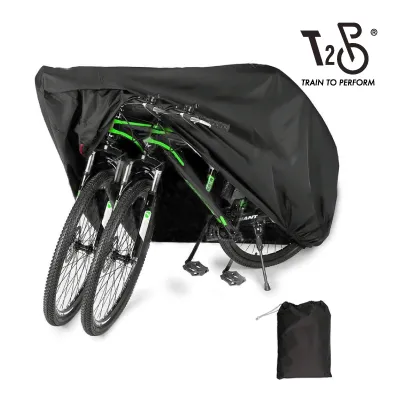
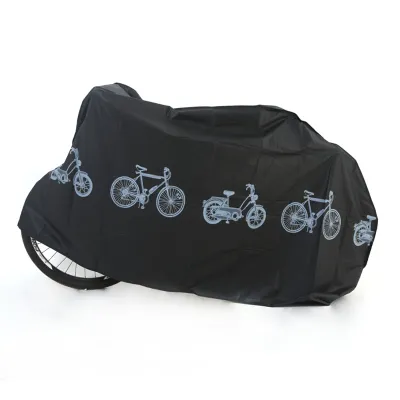
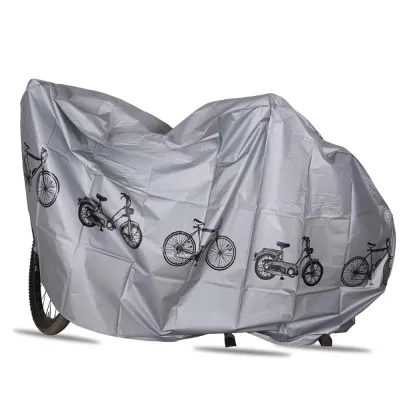
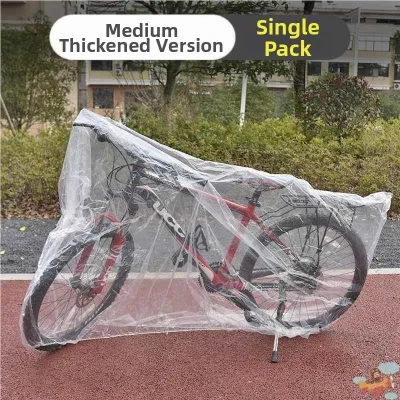
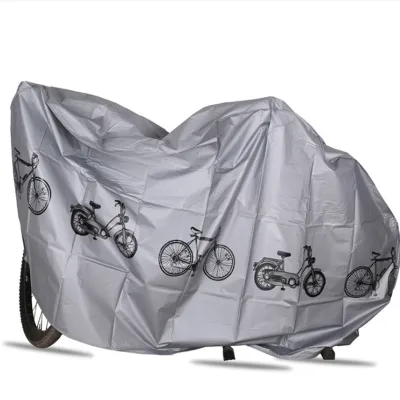
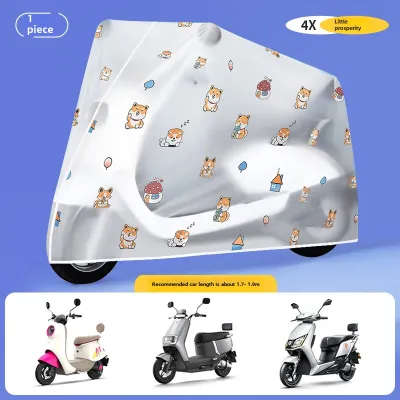
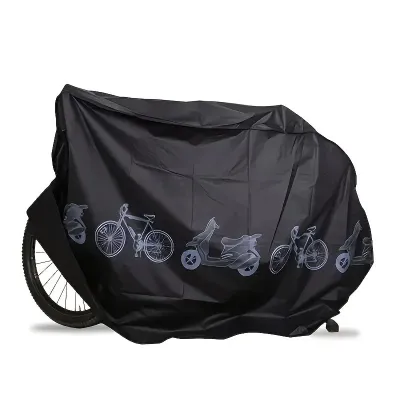
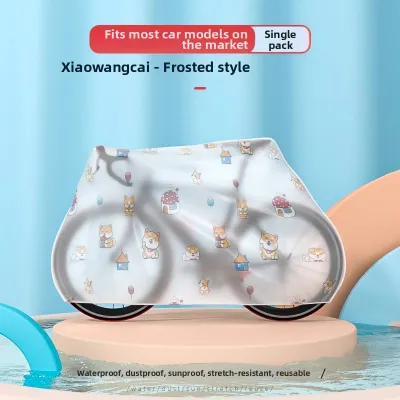
Prices are valid at publication and may change. Please refer to the product page for the latest price.
Beyond direct rainfall, the ambient humidity in Singapore—which regularly hovers above 80%—poses a constant threat. In a highly humid environment, moisture in the air naturally condenses on cool metal surfaces. If you use a cheap, non-breathable cover, this moisture becomes trapped inside, creating a localized greenhouse effect. This trapped condensation accelerates galvanic corrosion, causing steel bolts to seize and aluminum frames to develop unsightly white oxidation.
Furthermore, the intense equatorial ultraviolet (UV) radiation degrades both your bicycle and its protective cover. Unprotected plastic shifters, rubber handlebar grips, and synthetic saddle materials quickly become brittle, sticky, or faded under direct sunlight. A low-quality cover without UV inhibitors will suffer the same fate, rapidly losing its tensile strength, tearing easily, and letting water seep through the degraded fabric.
Evaluating Cover Materials and Fabric Specifications
When shopping for a cycle cover, you will encounter various fabric descriptions that can be confusing. To make an informed decision, you must look past generic terms like “heavy-duty” and examine the actual fabric specifications. The most reliable indicator of a fabric’s strength and durability is its denier (D) rating, which measures the thickness of the individual threads used in the weave.

Covers made from 190T or 210T polyester are lightweight and highly packable, making them convenient for carrying on PCN rides, but they offer limited tear resistance. For long-term outdoor storage, fabrics rated between 210D and 600D Oxford polyester provide a much better balance of durability and weather resistance. These thicker fabrics withstand rubbing against sharp brake levers, pedals, and gear teeth without puncturing or tearing.
It is also important to understand how the fabric achieves its water resistance. Some covers rely on inherent material properties, while others use applied chemical coatings, such as polyurethane (PU) or polyvinyl chloride (PVC) backings. While coated fabrics offer excellent initial water protection, these chemical layers can degrade over time when exposed to extreme heat and repeated folding, making the base fabric’s quality highly critical.
Checking Waterproofing and Seam Construction
To verify the actual water protection of a cycle cover, look for a stated hydrostatic head rating in the product specifications. This rating, measured in millimeters (such as 1500mm or 3000mm), indicates the pressure of water the fabric can withstand before moisture begins to penetrate. A rating of 2000mm or higher is generally recommended to withstand the heavy, wind-driven rain common during Singapore’s monsoon seasons.
Even the most waterproof fabric will fail if the seams are poorly constructed. Standard stitching creates thousands of tiny needle holes along the seams, which act as pathways for water ingress. When evaluating a cover, check if the manufacturer specifies “heat-sealed” or “taped” seams. This construction method applies a waterproof thermoplastic tape over the stitched seams, effectively sealing the holes and preventing water from dripping onto your bike’s handlebars and saddle.
Keep in mind that even high-quality water-resistant covers have limits. Under prolonged, torrential downpours, or if water is allowed to pool in sagging sections of the cover, moisture may eventually seep through. Ensuring the cover is pulled taut and checking it periodically during extended wet spells will help maintain its protective performance.
Verifying UV Protection and Heat Reflection
To protect your bicycle from intense equatorial heat and sun damage, check the cover’s specifications for UV-resistant properties. Look for manufacturers that explicitly claim UV-inhibiting treatments, UPF (Ultraviolet Protection Factor) ratings, or those featuring a silver-coated inner lining. These reflective linings help bounce solar radiation away from the cover, keeping the air temperature underneath significantly cooler.
Using a dark-colored cover without specific UV treatment can be counterproductive. Dark fabrics absorb solar heat, raising the temperature beneath the cover to levels that can dry out suspension seals, soften tire rubber, and degrade hydraulic brake fluids. A reflective or light-colored exterior helps mitigate this heat buildup, protecting sensitive electronic shifting components and battery packs from thermal stress.
While UV-treated covers offer superior protection, you should remember that no fabric is entirely immune to solar degradation. Over several years of continuous outdoor exposure, the UV inhibitors will gradually break down. Regularly inspecting the cover for signs of fading or fabric thinning will help you replace it before it fails completely and exposes your bicycle to the elements.
Essential Design Features for Humid and Windy Conditions
Selecting the right material is only half the battle; the cover’s physical design features dictate how well it performs in real-world tropical conditions. Because Singapore experiences sudden wind squalls alongside high humidity, several structural elements are essential for keeping your bicycle secure and dry.
- Ventilation: Look for covers equipped with integrated mesh air vents. These vents should be positioned near the top of the cover and shielded by a stiffened fabric cowl or hood to prevent rain from entering. This design allows warm air and rising ground moisture to escape, maintaining air circulation and drastically reducing the risk of condensation and rust.
- Secure Fit: Sudden wind gusts can easily transform a loose cycle cover into a sail, blowing it off the bike or tipping the bicycle over. Ensure the cover features strong elastic hems at the front and rear to hug the tires closely. Additionally, adjustable buckle straps that clip underneath the frame are vital for keeping the cover anchored during heavy storms.
- Locking Holes: If you park your bicycle in public areas, HDB void decks, or shared corridors, security is a major concern. Look for reinforced metal grommets or heavy-duty fabric lock holes near the front and rear wheels. These openings allow you to pass a sturdy U-lock or cable lock through both the bike frame and the cover, securing them together to prevent theft and tampering.
- Reflective Elements: Visibility is crucial if your bicycle is parked near active walkways, driveways, or PCN access points at night. Reflective strips, piping, or logos sewn into the cover ensure that pedestrians, drivers, and other cyclists can easily spot the parked bike in low-light conditions, preventing accidental collisions.
How to Verify Product Claims Before Purchasing
When browsing online marketplaces or local bike shops, you will find many products labeled as “100% waterproof” or “all-weather protective.” To avoid disappointment, you should critically assess these claims by cross-referencing them with technical specifications. If a listing claims absolute waterproofing but fails to mention a denier rating, hydrostatic head measurement, or taped seams, it is likely a basic dust cover unsuitable for outdoor tropical use.
Sizing and shape compatibility are equally important to verify before buying. Measure your bicycle’s length, height, and handlebar width, taking into account any accessories like front baskets, rear racks, or wide mountain bike handlebars. A cover that is too small will leave your drivetrain exposed to splashing water, while an oversized cover will sag, creating pockets where rainwater can pool and weigh down the fabric.
Finally, review the manufacturer’s warranty terms to understand what is covered. A brand that offers a warranty against UV cracking, color fading, or seam splitting demonstrates confidence in their product’s durability. Be sure to read the fine print, as some warranties may be voided if the cover is subjected to improper cleaning or extreme wind conditions without proper anchoring.
Proper Usage and Maintenance in Wet Climates
To maximize the lifespan of both your bicycle and its cover, you must practice proper usage and maintenance habits. One of the most common mistakes is covering a bicycle immediately after riding it home in the rain. Wrapping a wet bike traps water against the metal components, accelerating rust much faster than if the bike were left uncovered in the open air. Always wipe down the frame, chain, and controls with a dry microfiber cloth before putting the cover on.
Cleaning your cycle cover regularly is also necessary to prevent the buildup of dirt, salt, and organic matter that can degrade the waterproof coatings. When cleaning is required, avoid throwing the cover into a washing machine or using harsh chemical detergents, as these will strip away the PU coating and UV inhibitors. Instead, spread the cover out on a clean surface and gently wipe it down with a damp cloth and mild soap, then rinse it thoroughly with clean water.
When the cover is not in use, never stuff it away while it is still damp. Folding a wet cover and storing it in a tight carrying bag encourages the growth of mold and mildew, which can rot the fabric and create unpleasant odors. Hang the cover in a shaded, well-ventilated area until it is completely dry before folding it neatly and storing it in a cool, dry place away from direct sunlight.
Frequently Asked Questions (FAQ)
Can I use a standard indoor bike cover outdoors?
No, you should not use a standard indoor bike cover for outdoor storage in Singapore. Indoor covers are typically designed to protect bicycles from dust, scratches, and light indoor moisture, and they are usually made from lightweight, breathable materials like spandex or thin nylon. These fabrics lack the heavy-duty polyurethane coatings, heat-taped seams, and UV inhibitors required to withstand tropical downpours and intense equatorial sunlight. Using an indoor cover outside will result in rapid water penetration, fabric degradation, and inadequate protection for your bicycle.
How often should I replace my outdoor cycle cover?
You should generally expect to replace an outdoor cycle cover every one to three years, depending on the quality of the material and its exposure to the elements. You can determine if your cover needs replacement by checking for visible signs of wear, such as fading colors, a stiff or brittle texture, or a peeling inner polyurethane coating. Another simple test is to spray water on the cover; if the water no longer beads up and instead soaks directly into the fabric, the waterproof barrier has degraded, and the cover should be replaced to ensure continued protection.
Community discussion
Share your experience or ask a question. Comments are reviewed before publication.