
Selecting the right flag pole for cheerleading requires balancing weight, durability, and grip to ensure safe, visually striking performances. Unlike static display poles, performance poles must withstand the intense physical stress of rapid spins, high tosses, and sudden stops without bending or splintering. Selecting the ideal pole requires evaluating materials like fiberglass and aluminum, matching the pole length to the performer’s height and skill level, and verifying that the hardware can handle dynamic athletic maneuvers.
By focusing on structural integrity and handling characteristics, teams can elevate their visual impact while minimizing the risk of mid-routine equipment failure. Whether performing on an outdoor field or inside a gymnasium, the right equipment ensures that the flag remains a dynamic extension of the cheerleader’s athletic movement.
Key Factors to Consider When Choosing a Cheerleading Flag Pole
Fiberglass is a popular choice for performance flag poles due to its balance of flexibility and strength. It absorbs impact well during catches and has a natural flex that aids in smooth, sweeping motions. However, low-grade fiberglass can splinter over time, so it is essential to check for a high-quality protective coating or resin finish that prevents fibers from loosening and causing splinters during handling.
Products mentioned in this guide
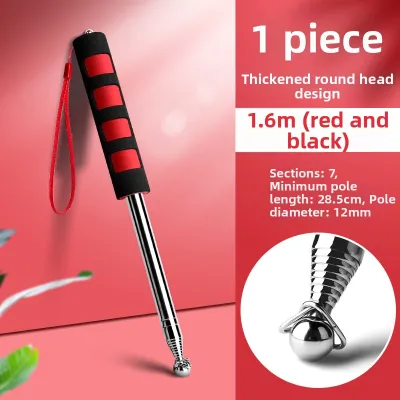
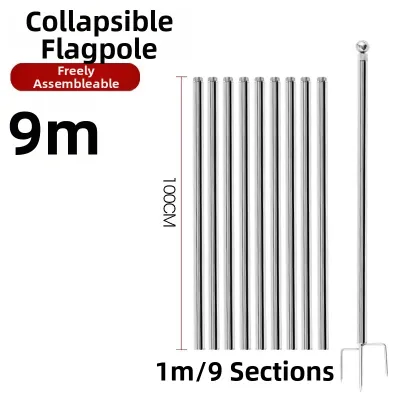
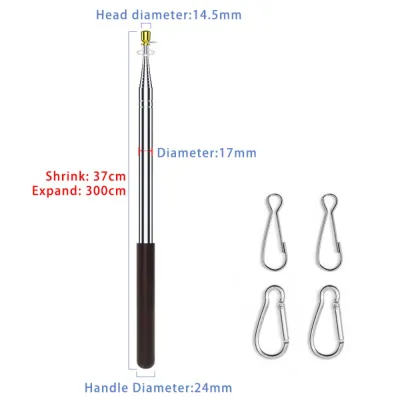
Prices are valid at publication and may change. Please refer to the product page for the latest price.
Aluminum poles offer a rigid, lightweight alternative that provides crisp, clean lines during sharp movements. They do not flex like fiberglass, which some performers prefer for precise, high-speed routines. The primary drawback of aluminum is its susceptibility to permanent bending if dropped hard on solid surfaces, meaning teams must monitor handling during practice.
PVC is sometimes considered for budget-friendly practice sessions or youth teams due to its low cost and lightweight nature. However, PVC lacks the structural integrity required for advanced routines, as it bends excessively under high-speed rotation and can snap under sudden stress. For competitive or high-impact performances, PVC is generally not recommended as a primary performance material.
The length of the pole directly influences both the visual scale of the routine and the physical effort required to control it. Longer poles, typically ranging from 1.8 to 2.4 meters, create dramatic visual sweeps but require significant upper-body strength and coordination to maneuver. Shorter poles offer greater control and faster rotation speeds, making them ideal for intricate, fast-paced choreography.
Diameter is another critical dimension that affects both grip security and pole stiffness. A standard diameter of approximately 2.5 centimeters fits comfortably in most performers’ hands, allowing for a natural grip and easy transitions. Thinner poles may feel lighter but can flex excessively, while thicker poles can quickly fatigue the hands and forearms during extended routines.
The surface finish of the pole determines how securely a performer can hold and transition the gear during high-energy sequences. High-gloss finishes can become incredibly slippery when exposed to sweat or humidity, increasing the risk of drops. Matte or textured finishes provide better natural traction, allowing for more reliable handling under pressure.
To optimize grip, many teams utilize specialized athletic tape or grip wraps along the handling zones of the pole. Applying high-quality grip tape not only prevents slippage but also cushions the hands, reducing the likelihood of blisters during long practice sessions. It is important to inspect and replace this tape regularly, as worn or sticky adhesive can hinder smooth hand transitions.
Matching Pole Specifications to Routine Requirements
Fast-paced twirling and rapid transitions demand a pole that is exceptionally lightweight and perfectly balanced. For these routines, shorter fiberglass or thin-walled aluminum poles are highly effective, as they minimize rotational inertia and allow the performer to change directions instantly. The focus here is on speed, agility, and seamless hand-to-hand transfers.

In contrast, large-scale visual formations and field entries often rely on massive flags that require longer, stiffer poles to support the extra fabric weight. These poles must be rigid enough to prevent the flag from sagging or wrapping around the shaft during simple waving motions. Aluminum is often preferred for these roles because its rigidity keeps the flag fully extended and highly visible to spectators in large stadiums.
Selecting the right pole requires careful consideration of the performers’ physical development, age, and skill level. Youth cheer squads benefit most from shorter, lightweight poles that do not overwhelm their physical strength or coordination. Introducing young athletes to oversized or heavy equipment can lead to poor technique, frustration, and an increased risk of strain injuries.
Collegiate and advanced competitive teams can handle heavier, longer poles that maximize visual impact across large venues. These athletes possess the core strength and refined technique necessary to control the momentum of a longer pole during complex tosses and catches. Even at advanced levels, however, individual physical stature should guide the final equipment assignment to ensure safety and precision.
The performance environment plays a significant role in how a flag pole behaves during a routine. Indoor gymnasiums offer controlled conditions free from wind, but they present hazards such as low-hanging light fixtures, scoreboards, and hard wooden floors. For indoor use, poles must be sized carefully to avoid overhead obstructions, and rubber end caps are mandatory to protect the polished floor surfaces.
Outdoor performances, such as those on sports fields or track sidelines, introduce unpredictable wind resistance that can drastically alter pole handling. A strong gust of wind acting on a large flag creates immense drag, requiring the performer to exert significantly more force to maintain control. In windy conditions, slightly heavier, more rigid poles are necessary to prevent the shaft from bending excessively and to help the performer maintain a stable grip.
Evaluating Flag Pole Construction and Hardware
One-piece poles offer the highest level of structural integrity, as they have no joints or connection points that can fail under stress. They are the safest choice for high-impact routines involving frequent tosses and catches. The main drawback of one-piece poles is transportability, as long poles can be difficult to pack into standard vehicles for travel to away games or competitions.
Multi-piece poles utilize joint systems, such as threaded connectors or spring-loaded push-buttons, to break down into smaller sections for easy transport. While highly convenient, these joints introduce potential weak points that must be inspected before every use. Threaded joints can loosen during rapid spinning, while push-button mechanisms can wear out over time, potentially causing the pole to separate mid-routine.
The method used to secure the flag to the pole is critical for maintaining both visual appeal and safety. Traditional grommet and clip systems are reliable but can sometimes allow the flag to bunch up or slide along the pole if not properly tensioned. Utilizing adjustable collar clamps or rubber stopper rings helps keep the flag positioned perfectly along the upper section of the shaft.
Swivel attachment systems are highly recommended for routines that involve continuous spinning and rotation. These systems allow the flag sleeve to rotate independently of the pole, preventing the fabric from wrapping around the shaft and obscuring the design. When selecting swivel hardware, look for low-friction materials that rotate smoothly without catching or squeaking.
The bottom and top ends of a performance flag pole require proper fittings to ensure safety and protect the equipment. The bottom end should always be sealed with a durable rubber or heavy-duty plastic cap. This cap prevents dirt and debris from entering hollow poles, cushions the impact when the pole is set down on hard surfaces, and prevents the metal or fiberglass edges from scratching floors.
Top finials or end caps must be securely fastened to prevent them from flying off during high-velocity spins or tosses. While decorative finials can add visual flair, they should be low-profile and lightweight to avoid throwing off the balance of the pole. For high-toss routines, simple, rounded rubber tips are the safest option, as they minimize the risk of injury if a catch is missed.
Maintenance and Safety Checks for Performance Gear
A thorough physical and visual inspection of all flag poles should be a mandatory part of every practice session and pre-performance warmup. Run your hands along the length of fiberglass poles to check for any raised fibers, cracks, or splinters that could injure a performer or compromise the pole’s strength. For aluminum poles, sight down the length of the shaft to ensure there are no subtle bends or dents that could cause the metal to buckle under stress.
Check all hardware, including attachment clips, swivel collars, and end caps, to ensure they are tightly secured and functioning smoothly. If using multi-piece poles, verify that the connection joints are fully engaged and locked into place. Any loose screws or worn-out push-buttons must be addressed immediately before the equipment is cleared for use.
Proper storage is essential for preserving the structural integrity and lifespan of performance flag poles. Store poles horizontally on a flat rack or vertically in a dedicated storage bin to prevent them from bowing or warping under their own weight. Avoid leaning poles against walls at sharp angles for extended periods, as this can cause permanent deformation, especially in fiberglass and plastic materials.
Keep the storage area in a temperature-controlled environment away from direct sunlight, extreme heat, and high humidity. Prolonged exposure to ultraviolet rays can degrade the resins in fiberglass poles, making them brittle and prone to shattering. Similarly, high humidity can promote corrosion on metal hardware and cause fabric flags to mildew if stored while damp.
Knowing when to retire a flag pole is a critical safety responsibility for coaches and performers alike. Any pole that exhibits deep cracks, splintering, or structural creaking must be taken out of service immediately, as these are clear indicators of imminent failure. Attempting to repair a cracked fiberglass pole with tape or adhesive is highly dangerous and should never be permitted.
For aluminum poles, any permanent bend or sharp dent compromises the structural integrity of the metal, making it highly susceptible to snapping under sudden loads. If a joint mechanism on a multi-piece pole no longer locks securely, or if the metal around the joint shows signs of stretching or ovaling, the pole must be retired. Prioritizing safety over equipment cost ensures that performers can execute their routines with complete confidence.
Frequently Asked Questions (FAQ)
Can I use a standard parade flag pole for cheerleading routines?
No, standard parade flag poles are not suitable for the dynamic movements of cheerleading routines. Parade poles are typically constructed from heavy wood, thick metal, or heavy-duty fiberglass designed to support large, heavy flags at a slow walking pace. They lack the lightweight design, balanced weight distribution, and flexible characteristics required for rapid spins, tosses, and sudden stops. Attempting to use a heavy parade pole for athletic choreography increases the risk of muscle strain, joint injury, and dropped equipment, while also slowing down the tempo of the performance.
How do I prevent the flag from wrapping around the pole during spins?
To prevent the flag from wrapping around the pole, utilize a high-quality swivel attachment system or a rotating flag sleeve. These mechanisms allow the flag fabric to spin independently of the pole shaft, keeping the design fully visible even during rapid rotations. Additionally, ensuring the flag fabric has a slight amount of weight or using weighted hem corners can help gravity pull the flag downward, keeping it unfurled. Proper spinning technique, which involves maintaining a consistent angle and smooth, continuous motion, also plays a vital role in preventing tangles.
What is the standard length for a high school cheerleading flag?
The standard length for a high school cheerleading flag pole typically ranges between 1.5 and 1.8 meters. This size range offers an optimal balance between visual presence on the field and ease of handling for high school-aged athletes. However, exact dimensions can vary based on the specific routine choreography and the physical height of the performers. It is highly recommended to consult your local athletic association or specific competition rulebooks to verify any restrictions on pole length, material, or tip design before purchasing equipment.
Community discussion
Share your experience or ask a question. Comments are reviewed before publication.