
Choosing between a Shakti mat and a foam roller is not a matter of finding a single, universally superior recovery tool. Instead, these two devices serve entirely different physiological functions to help you bounce back after a demanding run. While a Shakti mat excels at surface-level sensory stimulation and calming your nervous system, a foam roller is designed for deep tissue compression and mechanical fascial release. Your choice should depend on the specific type of post-run soreness you are experiencing, your physical energy levels, and your overall recovery goals.
Running on hard asphalt or concrete paths across Singapore puts significant repetitive stress on your lower limbs and joints. This impact often leaves runners dealing with a mix of localized muscle tightness and systemic physical fatigue. Understanding how to deploy each tool effectively can make the difference between a restless night and a fully restored body ready for your next training session.
Understanding the Mechanisms: Acupressure vs. Myofascial Release
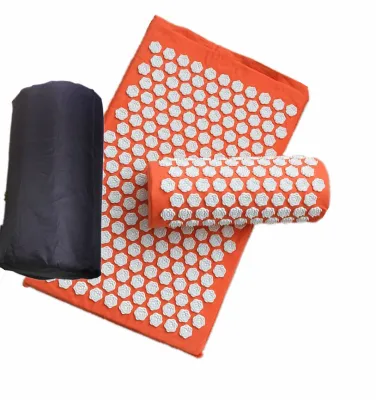
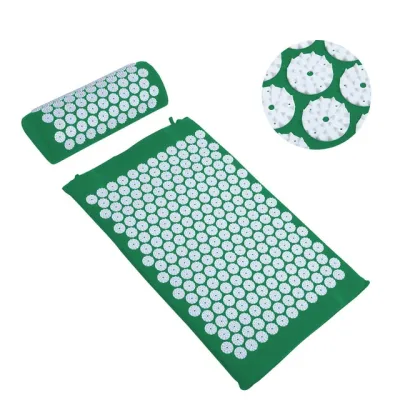
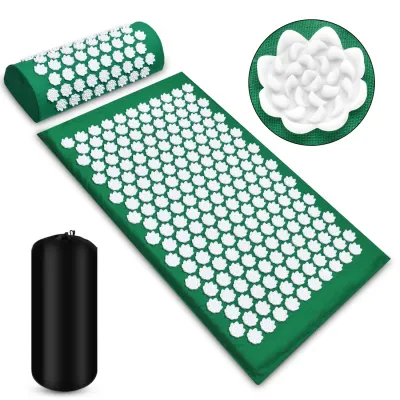
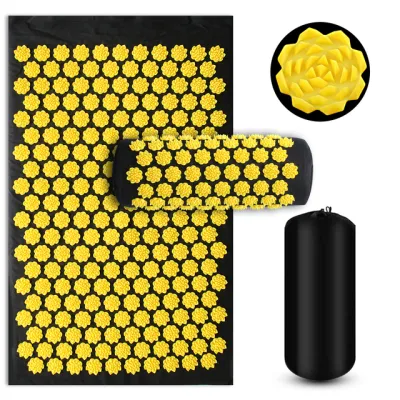
To make an informed choice, it is essential to understand how each tool physically interacts with your body. The Shakti mat relies on the principles of acupressure, utilizing thousands of sharp plastic spikes to stimulate the skin and superficial tissue layers. When you lie on the mat, these spikes apply distributed pressure that triggers sensory receptors, prompting localized blood flow to the area. This intense sensory input encourages the brain to release endorphins, transitioning your autonomic nervous system from a stressed state into a deeply relaxed, parasympathetic state.
Products mentioned in this guide
Prices are valid at publication and may change. Please refer to the product page for the latest price.
In contrast, a foam roller utilizes a mechanical compressive mechanism to target deeper structures. As you roll your body weight over the dense foam cylinder, you apply direct pressure to deep muscle bellies and the surrounding connective tissue, known as fascia. This pressure helps to temporarily alter the fluid dynamics within the tissue, encouraging fresh blood circulation and helping to smooth out localized restrictions or adhesions. Rather than acting as direct substitutes, these two tools offer complementary mechanisms that address different depths of the musculoskeletal system.
Comparing Recovery Benefits for Runners
When evaluating how these tools address common running-related issues, the distinction between superficial tension and deep muscular restriction becomes clear. Runners often experience broad, diffuse tension across the lower back, neck, and shoulders, frequently caused by maintaining an upright running posture over long distances. A Shakti mat is highly effective for this type of widespread, surface-level fatigue, as it covers a large surface area and coaxes the entire back to relax without requiring physical exertion. Conversely, when you are dealing with a highly localized, deep muscle knot in your calves or glutes, a foam roller is far more effective because it can isolate and compress those specific deep tissue structures.

The sensory experiences of these two recovery methods are also starkly different. Using an acupressure mat involves an initial sharp, intense sensation as the spikes press into your skin, which gradually gives way to a deep, radiating warmth as blood rushes to the surface. Foam rolling, on the other hand, typically produces a deep, dull ache as you slowly roll over tight muscle fibers and trigger points. This rolling sensation can feel uncomfortable, but it allows you to actively locate and work through specific areas of mechanical tightness.
Another key difference lies in the physical effort required during the recovery session itself. Using a Shakti mat is an entirely passive process; you simply lie down, remain still, and let gravity do the work, making it an excellent option when you are completely exhausted after a long run. Foam rolling is an active process that requires you to support your body weight, engage your core, and physically move back and forth over the roller. This active engagement can sometimes feel like an extra workout, which may be less appealing when your muscles are already severely fatigued.
When to Choose a Shakti Mat
A Shakti mat is the ideal recovery choice when your primary goal is mental wind-down and central nervous system down-regulation. High-intensity track sessions or long, exhausting runs can leave your nervous system in a heightened, sympathetic state, making it difficult to relax or sleep. Spending time on an acupressure mat helps signal to your body that the workout is over, facilitating a smoother transition into a restful state that supports natural tissue repair.
This tool is also highly recommended for addressing the upper-body tension that runners frequently accumulate. Maintaining a steady arm swing and holding your head upright during a long run can cause significant tightness in your neck, shoulders, and upper back. Lying on the mat allows you to target these broad areas simultaneously, relieving the postural stress of running without aggravating your tired legs.
Finally, the Shakti mat is perfect for runners who prefer a stationary, low-effort recovery routine. If you find yourself too tired to engage in active stretching or rolling after a demanding workout, the passive nature of acupressure allows you to rest quietly while still promoting localized circulation. It provides a dedicated space for mindfulness and physical decompression, helping you recover both mentally and physically.
When to Choose a Foam Roller
A foam roller becomes an indispensable tool when you need to address specific, localized trigger points in your lower body. The repetitive motion of running heavily taxes the calves, quadriceps, hamstrings, and glutes, often leading to tight knots that require direct, concentrated pressure to release. A foam roller allows you to apply your body weight directly to these trouble spots, helping to restore tissue elasticity and improve localized mobility.
It is also highly effective for active mobility work and managing tight connective tissues, such as the iliotibial (IT) band or deep fascial adhesions. While you should avoid rolling directly over bony joints, rolling the surrounding muscle groups helps alleviate the tension that pulls on these structures. Incorporating a foam roller into your post-run routine helps maintain the necessary joint range of motion required for an efficient running stride.
Ultimately, the foam roller is the required tool when you need to target deep tissue structures that surface-level acupressure cannot physically reach. The thick muscle groups of the thighs and hips require a level of mechanical compression that spikes alone cannot provide. If your recovery goals focus on restoring mechanical slide and glide between muscle layers, the foam roller is the more appropriate choice.
Feature and Usability Comparison
To help you decide which tool fits best into your lifestyle, it is helpful to compare their practical features and usability side by side.
| Feature | Shakti Mat | Foam Roller |
|---|---|---|
| Primary Mechanism | Superficial acupressure and sensory stimulation | Deep mechanical compression and myofascial release |
| Best Target Areas | Broad back, neck, shoulders, and feet | Calves, quadriceps, hamstrings, and glutes |
| User Effort Required | Passive (lying still) | Active (supporting body weight and rolling) |
| Portability | Highly packable, rolls up easily | Bulky, though lightweight travel sizes exist |
| Cleaning & Maintenance | Hand wash cover; avoid wetting spikes excessively | Wipe down with a damp cloth and mild sanitizer |
When preparing to purchase either tool, it is wise to visit local sports retailers in Singapore to verify current retail availability, specific material densities, and exact pricing in S$. Foam rollers come in various densities, from soft foam to rigid, grid-patterned plastics, and testing them in person can help you find the right intensity. Similarly, checking the spike patterns and materials of acupressure mats firsthand ensures you select a product that matches your skin sensitivity and comfort preferences.
Building a Complete Post-Run Recovery Routine
Integrating these tools into a structured post-run routine allows you to maximize their respective benefits without overworking your tissues. A simple way to decide which tool to use is to assess your physical state immediately after your run. If you are experiencing deep, localized muscle tightness or restricted joint mobility, reach for the foam roller to perform targeted myofascial work. If you are feeling systemically exhausted, stressed, or suffering from broad postural tension, lie on your Shakti mat to encourage deep relaxation.
While both tools are generally safe when used correctly, it is crucial to observe clear safety boundaries. Stop using either tool immediately if you experience sharp, shooting nerve pain, joint pain, or bruising, as these are signs of improper use or underlying injury. For persistent running injuries, chronic pain, or conditions that do not improve with rest, always consult a qualified physiotherapist rather than relying solely on self-recovery tools.
Remember that acupressure mats and foam rollers are designed to supplement, not replace, the foundational pillars of athletic recovery. No tool can compensate for a proper active cool-down, adequate hydration, balanced nutrition, and high-quality sleep. By combining these foundational habits with targeted recovery tools, you can support your body’s natural healing processes and keep running comfortably.
Frequently Asked Questions (FAQ)
Can I use a Shakti mat and a foam roller on the same day?
Yes, you can safely use both tools on the same day, provided you sequence them logically to avoid overstimulating your tissues. The most effective approach is to use the foam roller first to address mechanical tightness, deep muscle knots, and joint mobility. Once you have completed your active rolling session, you can transition to the Shakti mat for passive relaxation, allowing the acupressure spikes to calm your nervous system and promote overall recovery. Avoid applying intense pressure with both tools to the exact same localized area in a single session to prevent skin irritation or muscle bruising.
Should I use a Shakti mat before or after a run?
A Shakti mat can be used both before and after a run, but the duration and intent of the session should differ. A short session of three to five minutes before a run can help stimulate localized blood flow, increase sensory awareness, and prepare your mind for exercise. Conversely, a longer post-run session of fifteen to thirty minutes is ideal for promoting deep relaxation, down-regulating your nervous system, and supporting recovery. Always check the manufacturer’s guidelines for recommended session durations and usage instructions to ensure a safe and comfortable experience.
Community discussion
Share your experience or ask a question. Comments are reviewed before publication.