
Selecting a shelter tent with the right level of rain protection requires looking past marketing buzzwords and understanding technical specifications. The key metric to focus on is the waterproof rating, which is measured in millimeters (mm). This rating indicates how much water pressure the fabric can withstand before moisture begins to seep through. By understanding what these numbers represent, you can choose a tent that keeps you dry without carrying unnecessary weight.
What the "mm" Waterproof Rating Actually Measures
A hydrostatic head rating measures the static water pressure a fabric can withstand before water penetrates. In a standardized laboratory environment, a column of water is placed over a sample of the tent fabric. The height of the water column is increased until three drops of water penetrate the material. If the fabric holds back a column of water that is 2,000 millimeters high before leaking, it receives a 2,000mm rating.
This measurement represents static water pressure, which is a controlled, stationary force. In real-world camping, rain does not fall in a static manner. Wind-driven rain, heavy downpours, and physical contact with the tent fabric all exert dynamic pressure. For instance, wind pushing rain against the rainfly or a camper leaning against the inner wall can force water through a fabric that technically has a high static waterproof rating. Therefore, while the millimeter rating is a valuable benchmark, it is only one component of a tent’s actual weather resistance.
Products mentioned in this guide
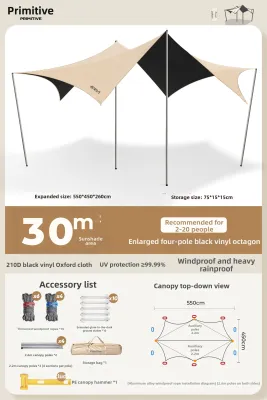
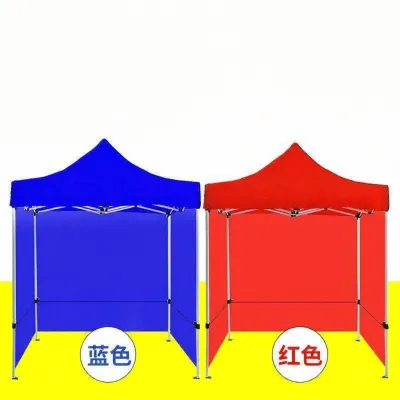
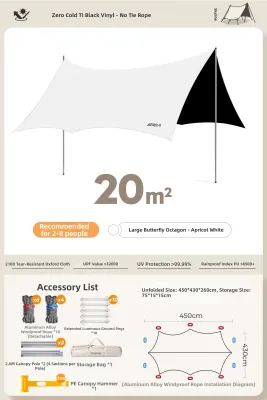
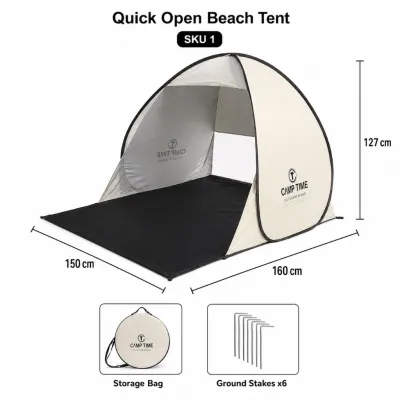
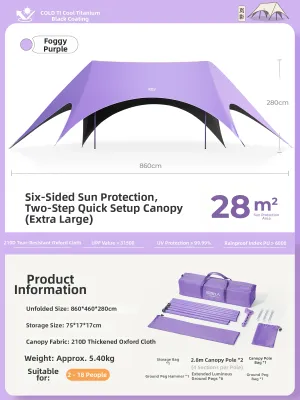
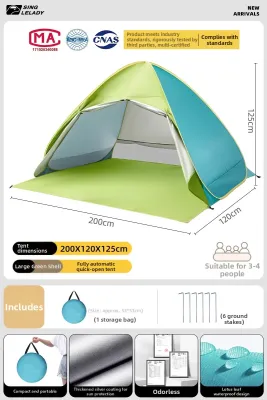
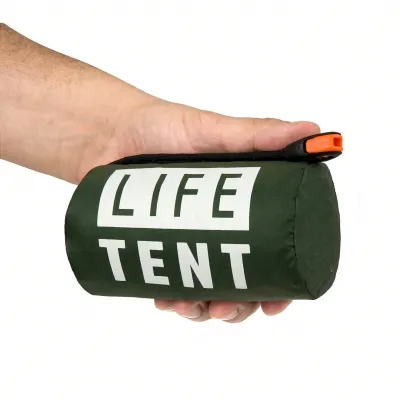
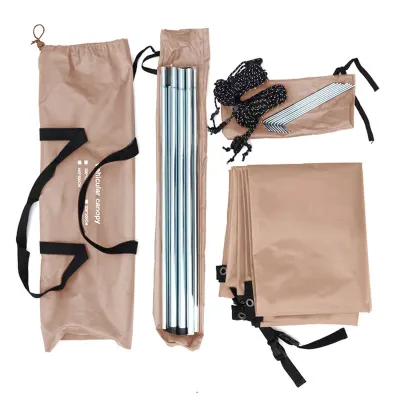
Prices are valid at publication and may change. Please refer to the product page for the latest price.
Matching Waterproof Ratings to Real-World Weather
Before heading out, always check local weather forecasts and active weather warnings. In severe weather, such as flash floods or heavy monsoon storms, even the highest-rated gear cannot guarantee safety. Equipment is never a substitute for proper safety training, outdoor experience, and sound judgment; if conditions deteriorate beyond your experience level, postpone your trip or seek permanent shelter immediately.

When conditions are safe for camping, you can match the waterproof rating of your shelter tent to the expected weather:
- 1000mm to 1500mm (Light Protection): Fabric with a rating in this range is generally considered water-resistant rather than fully waterproof. It is suitable for short, light drizzles, casual backyard camping, or as a basic sun and wind shelter. In regions with unpredictable weather or sudden tropical downpours, a tent with this rating is highly likely to leak during sustained rain.
- 2000mm to 3000mm (Three-Season Standard): This range is the standard benchmark for reliable three-season camping. A rainfly with a 2000mm or 3000mm rating can withstand moderate to heavy rain over extended periods. For campers in tropical climates like Singapore, where sudden afternoon storms are common, starting with a minimum of 2000mm for the rainfly provides essential peace of mind.
- 4000mm to 5000mm+ (Extreme Weather): Ratings of 4000mm and above are typically reserved for four-season tents, high-altitude expeditions, or areas prone to severe, prolonged storms. These fabrics are designed to handle the combined pressure of heavy wind, heavy snow load, and torrential rain.
The Groundsheet Exception
The floor of your shelter tent requires a significantly higher waterproof rating than the rainfly. When you sit, kneel, or place heavy gear on the tent floor, your body weight concentrates pressure on a small area. This physical force can easily push groundwater through a low-rated fabric. Consequently, high-quality tents often feature groundsheets rated between 3000mm and 10000mm to prevent moisture from seeping through when the ground becomes saturated.
Why a Higher Waterproof Rating Isn't Always Better
While it is tempting to choose the highest possible waterproof rating, doing so introduces several practical trade-offs that can affect your overall camping experience.
- Weight and Packability: Achieving a high waterproof rating requires manufacturers to apply thicker layers of polyurethane (PU) or silicone coatings to the fabric. These additional layers increase both the overall weight and the packed size of the shelter tent. For backpackers or those carrying gear over long distances, the extra weight of a 5000mm tent may outweigh the benefits if a 2000mm tent is sufficient for the climate.
- The Humid Condensation Trap: Thicker waterproof coatings make the fabric less breathable. In warm, highly humid environments, such as Singapore's tropical climate, a non-breathable tent fabric traps the moisture from your breath and body heat inside. This trapped moisture condenses on the cool inner walls of the tent, creating interior condensation that can wet your sleeping bag and gear. A lower, more balanced waterproof rating combined with excellent ventilation often keeps you drier than a completely sealed, high-rating tent.
- Coating Degradation and Hydrolysis: Polyurethane coatings are susceptible to hydrolysis, a chemical breakdown that occurs when the coating is exposed to moisture and humidity over time. In hot, humid climates, thick PU coatings can degrade faster, becoming sticky, peeling, or emitting a sour odor if the tent is stored while damp. A well-maintained 2000mm tent with a high-quality, thinner coating may actually outlast a poorly stored 5000mm tent.
Critical Waterproof Features Beyond the Fabric Rating
A high millimeter rating on a spec sheet does not guarantee a dry night if the tent’s construction is flawed. When evaluating a shelter tent, look beyond the fabric rating to these critical design elements:
- Seam Construction: Every time a tent is sewn together, the needle punctures thousands of tiny holes in the fabric. If these seams are left untreated, water will seep through them regardless of whether the fabric is rated for 1000mm or 5000mm. Look for tents with fully taped or welded seams, where a waterproof tape is thermally applied over the stitching to seal the holes.
- Zippers and Vents: Zippers are a primary entry point for water. Quality tents feature wide storm flaps that cover the zippers, or water-resistant zippers with polyurethane coatings. Additionally, rainproof ventilation is crucial. Look for tents with hooded vents that can remain open during a downpour to allow airflow and reduce condensation without letting rain inside.
- Pitching Technique and Tension: The way you set up your tent directly impacts its waterproof performance. A loosely pitched tent allows water to pool on the rainfly, creating localized pressure that can eventually bypass the waterproof coating. Ensure the rainfly is taut and properly staked out. Additionally, make sure the inner tent fabric does not touch the wet rainfly, as contact allows moisture to transfer directly inside via capillary action.
Frequently Asked Questions (FAQ)
Is a 1000mm rating enough for heavy rain?
No, a 1000mm rating is generally insufficient for heavy or sustained rain. While it can handle light showers or brief drizzles, the dynamic pressure of wind-driven rain or heavy downpours will easily penetrate a 1000mm fabric. For reliable protection in wet weather, look for a rainfly with a minimum rating of 2000mm.
Does a tent's waterproof rating decrease over time?
Yes, a tent’s waterproof capabilities will naturally degrade with use. Ultraviolet (UV) radiation from the sun, dirt, abrasive sand, and repeated folding all wear down the outer Durable Water Repellent (DWR) finish and the inner polyurethane coating. You can check the condition of your tent by spraying water on the rainfly; if the water stops beading and begins to soak into the fabric, it is time to clean the tent and apply an aftermarket re-waterproofing spray and seam sealer to restore its performance.
Community discussion
Share your experience or ask a question. Comments are reviewed before publication.