
Deciding whether to add a tourniquet to your sports first aid kit requires balancing practical safety against the realities of your sporting environment, your personal skill level, and the physical mechanisms of potential injuries. For the vast majority of urban athletes, court sports players, and gym-goers, a tourniquet is an unnecessary addition that adds complexity and risk to emergency response. In contrast, if you participate in high-speed, high-impact, or remote outdoor sports where emergency medical services are delayed, a tourniquet can be a life-saving tool. However, carrying this advanced medical device is not a passive choice; it represents a strict commitment to acquiring formal, hands-on trauma training.
To determine if a tourniquet belongs in your gear, you must evaluate three primary factors: your environment (specifically your proximity to professional medical care), the specific injury mechanisms associated with your sport, and your current level of certified first aid training. Carrying a tourniquet without the knowledge of how and when to apply it can lead to severe, irreversible tissue damage or worsen an existing injury. By assessing these factors objectively, you can build a streamlined, highly effective first aid kit tailored precisely to your athletic pursuits.
Assessing Your Activity Risk: Which Sports Justify a Tourniquet?
Not all sports carry the same risk of severe, life-threatening hemorrhage. Before purchasing advanced medical gear, you must analyze your typical venue, the speed and forces involved in your sport, and how quickly professional medical assistance can reach you.
Products mentioned in this guide
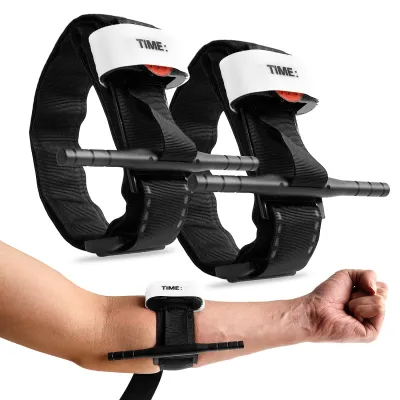
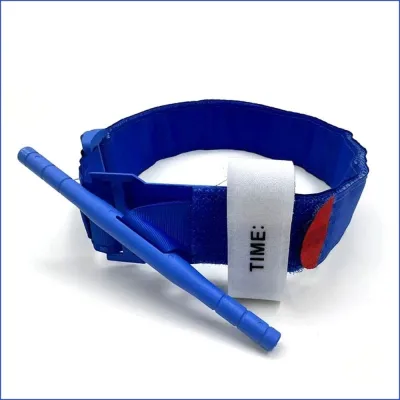
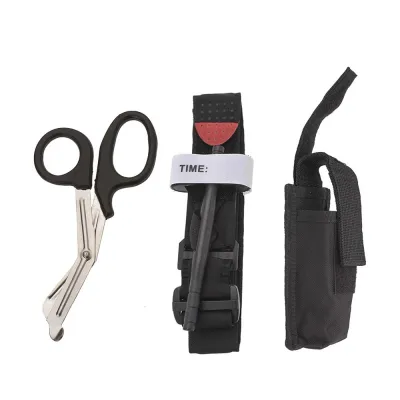
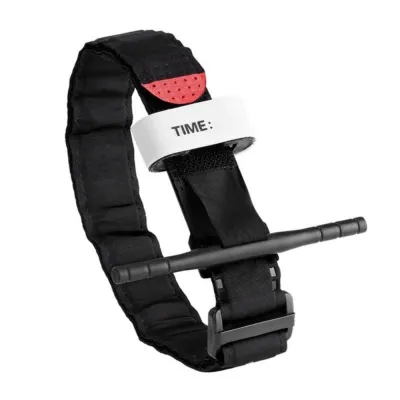
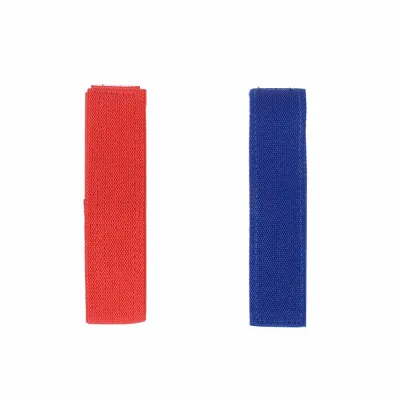
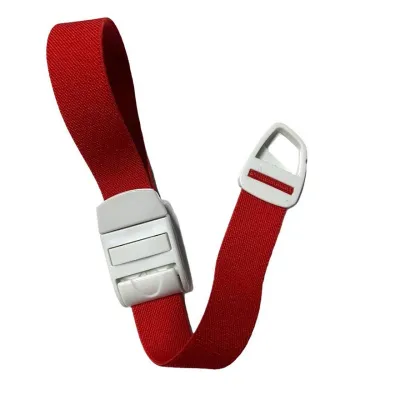
Prices are valid at publication and may change. Please refer to the product page for the latest price.
Low-Risk and Urban Sports (Usually Unnecessary)
For activities such as road running, gym workouts, tennis, badminton, swimming, and urban cycling along well-traveled paths, carrying a tourniquet is generally excessive. In these environments, catastrophic arterial bleeding is exceptionally rare. Most injuries in these disciplines consist of sprains, strains, minor lacerations, or abrasions that are easily managed with standard first aid components.
Furthermore, if you are exercising in an urban environment, professional medical assistance is typically only a phone call away. In highly developed urban areas, emergency medical services can reach your location within minutes. During this brief window, standard pressure dressings and direct manual pressure are more than sufficient to control even moderate bleeding. Attempting to use a tourniquet in these scenarios is not only unnecessary but also introduces avoidable risks of nerve and tissue damage to the casualty.
High-Risk, Remote, and Extreme Sports (Potentially Necessary)
If your athletic pursuits take you into remote areas or involve extreme speeds and high impact, the risk profile changes dramatically. Activities such as downhill mountain biking, rock climbing, remote trail running, motorsports, and wilderness trekking carry a higher risk of severe trauma. In these settings, a severe crash, a fall onto sharp rocks, or an accident involving mechanical equipment can result in deep arterial lacerations or compound fractures with catastrophic bleeding.
For high-risk sports, safety must always begin with personal limits and preventative measures. Never ride, climb, or run beyond your certified skill level, and always conduct thorough pre-activity gear checks on your equipment. Ensure you are wearing appropriate personal protective equipment (PPE), and establish clear stop conditions, such as deteriorating weather, fading light, or physical fatigue. Equipment like a tourniquet cannot replace sound judgment, proper training, or safety protocols.
When accidents do occur in remote settings, the distance from professional medical care alters your first aid priorities. If you are deep on a trail or high on a rock face, emergency medical evacuation can take hours rather than minutes. In these prolonged-care scenarios, uncontrolled arterial bleeding can become fatal in under three minutes. Under these specific conditions, carrying a reliable tourniquet is a justifiable precaution, provided you have the training to use it.
The Critical Prerequisite: Training and Application Risks
A tourniquet is not a standard adhesive bandage that you can simply apply and forget. It is a highly specialized, high-risk medical device designed to completely halt the flow of blood to an entire limb. Applying a tourniquet incorrectly or unnecessarily can result in severe medical complications, making formal training an absolute prerequisite before you pack one in your kit.

If you apply a tourniquet with insufficient pressure, you may block venous blood return without stopping arterial flow. This dangerous error actually increases blood loss from the wound by preventing blood from leaving the limb while allowing it to continue pumping in. Additionally, leaving a properly applied tourniquet on a limb for an extended period completely deprives the downstream tissue of oxygen. This can lead to permanent nerve damage, muscle necrosis, and in severe cases, the eventual loss of the limb.
Because of these high stakes, carrying a tourniquet implies a serious commitment to completing a certified trauma first aid course. Organizations such as the Singapore Red Cross and other accredited national first aid bodies offer specialized courses that cover severe hemorrhage control, wound packing, and correct tourniquet application.
Before adding a tourniquet to your gear, you must read the manufacturer’s specific instructions and practice using a dedicated training device. Never attempt to use a tourniquet on a person unless you have been formally trained and certified to do so. Your training, judgment, and ability to remain calm under pressure are far more critical to saving a life than the physical gear in your bag.
Choosing a Reliable Tourniquet (If You Decide to Carry One)
If your risk assessment and training level justify carrying a tourniquet, you must ensure you select a reliable, medical-grade device. E-commerce platforms and online marketplaces are flooded with cheap, unverified imitation tourniquets. These counterfeit products often look identical to professional gear but are made from inferior plastics and weak stitching that will snap or bend under the extreme tension required to stop arterial blood flow.
To ensure your device will perform when needed, look for tourniquets that meet recognized international medical specifications and are recommended by established trauma committees. A dependable windlass tourniquet must feature specific mechanical components designed to withstand high forces:
- Rigid Windlass Rod: A solid, heavy-duty plastic or metal rod that will not bend or break when twisted to tighten the band.
- Wide, Durable Strap: A strap measuring at least 1.5 inches (approximately 3.8 cm) in width to distribute pressure evenly and minimize localized skin and tissue shearing.
- Secure Locking Mechanism: Robust clips or dual-ring channels that lock the windlass firmly in place once arterial flow has ceased.
- Time-Tracking Strap or Label: A dedicated, highly visible space to write down the exact time the tourniquet was applied.
Additionally, you must consider how your carrying method and the local environment affect your gear. In hot, humid climates, prolonged exposure to moisture, sweat, and UV radiation can degrade plastics and weaken hook-and-loop fasteners over time. Keep your tourniquet stored in a protective, weather-resistant pouch within your first aid kit rather than exposed to the elements. Inspect the device regularly for signs of fraying, cracking, or adhesive failure, and replace it immediately if any wear is detected.
Effective Alternatives for Standard Sports First Aid Kits
For the vast majority of sports injuries, a tourniquet is not the correct tool. You can manage most moderate-to-severe bleeding injuries safely and effectively using simpler, lower-risk components that should form the backbone of any standard sports first aid kit.
Your primary defense against bleeding should always be direct manual pressure. To facilitate this, ensure your kit contains a generous supply of sterile gauze pads, elastic compression bandages, and high-strength medical tape. When treating a bleeding wound, place several sterile gauze pads directly over the source of the bleeding and apply firm, continuous pressure with both hands.
Once the bleeding slows, secure the gauze tightly with a cohesive or elastic compression bandage. These bandages allow you to maintain consistent, localized pressure on the wound without cutting off the main arterial circulation to the rest of the limb. This method is highly effective for venous bleeding and minor arterial cuts, and it carries virtually none of the tissue-damage risks associated with tourniquets.
For deeper, more severe lacerations where direct pressure alone is insufficient, hemostatic gauze can serve as an intermediate option. These bandages are treated with specialized agents that accelerate the natural clotting process when packed directly into a wound. However, before adding hemostatic agents to your kit, you must verify your local first aid guidelines, read the manufacturer’s instructions, and ensure you understand how to pack a wound safely.
Frequently Asked Questions (FAQ)
Can I use a belt or clothing as an improvised tourniquet?
You should avoid using belts, shoelaces, or clothing as improvised tourniquets unless absolutely no other option exists. These materials generally lack the width required to distribute pressure safely, meaning they can cut deeply into the skin and cause severe localized tissue damage. Furthermore, without a rigid windlass mechanism, it is physically difficult to generate enough mechanical advantage to compress deep-seated arteries, often resulting in increased bleeding rather than stopping it.
How long can a tourniquet be left on safely?
A tourniquet must only be removed or adjusted by qualified medical professionals in a hospital setting. Once you apply a tourniquet, write the exact time of application clearly on the device’s time strap or directly onto the casualty’s skin using a permanent marker. Never loosen, adjust, or remove the tourniquet yourself, as doing so can release dangerous toxins back into the bloodstream or cause sudden, fatal blood loss before professional medical personnel can take over.
Community discussion
Share your experience or ask a question. Comments are reviewed before publication.