
Deciding whether you need a trigger finger brace depends on the frequency and severity of your symptoms. If you regularly experience finger stiffness, a clicking sensation when bending your hand, or find your finger momentarily locking in place, a supportive brace can be a highly effective, non-invasive tool to help manage your discomfort. These symptoms typically point to stenosing tenosynovitis—commonly known as trigger finger—a condition where the tendon that flexes your finger becomes inflamed and struggles to glide smoothly through its protective sheath. By restricting movement, a brace allows the irritated tendon to rest, reducing swelling and preventing the painful catching cycle.
However, a brace is not a universal cure-all for every stage of hand discomfort. Understanding your specific symptoms, knowing when to wear a support, and recognizing the physical signs that require professional medical evaluation are essential steps to ensuring a safe and successful recovery.
Recognizing the Early Signs of Trigger Finger
Trigger finger often begins as a mild, occasional annoyance before progressing to a disruptive physical limitation. One of the most common early indicators is morning stiffness. You might wake up and find that your affected finger feels unusually rigid, requiring gentle massage or warm water to move freely. This stiffness occurs because fluid accumulates in the hand tissues overnight, and the resting position of a curled hand allows the inflamed tendon to settle and tighten.
Products mentioned in this guide
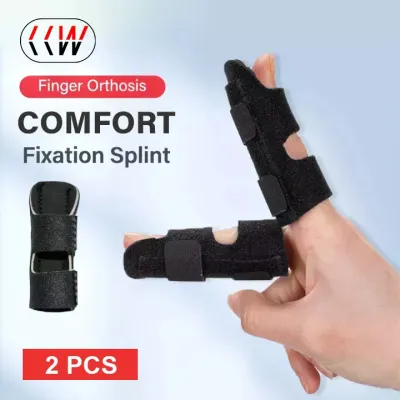
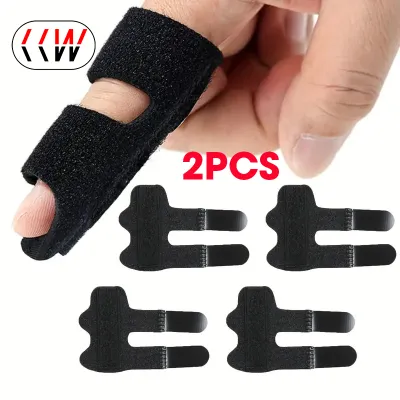
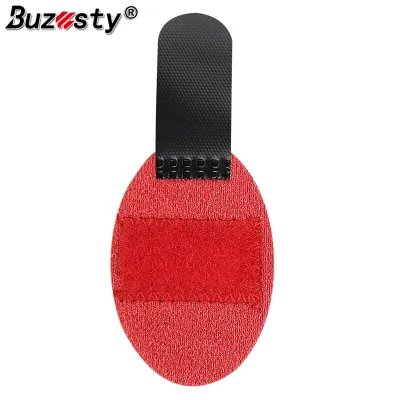
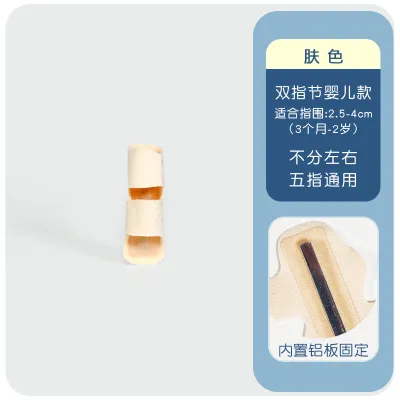
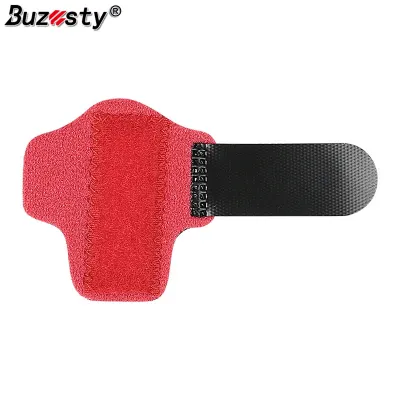
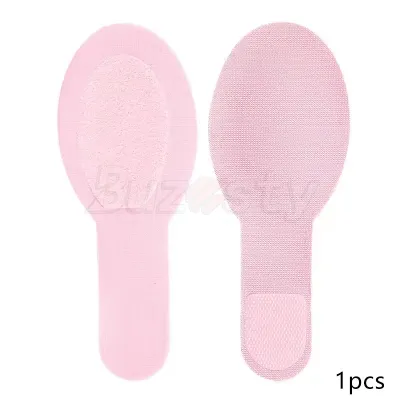
Prices are valid at publication and may change. Please refer to the product page for the latest price.
As the inflammation within the tendon sheath increases, you may notice a distinct popping, clicking, or snapping sensation when you attempt to bend or straighten the finger. This sound is the physical result of a swollen nodule on the tendon forcing its way through a narrowed portion of the sheath, known as the A1 pulley. While this clicking might not be painful initially, it indicates that the tendon is experiencing friction and micro-trauma with every movement.
If you press gently on the palm side of your hand, right at the base of the affected finger, you may feel a localized tender spot. In some cases, a small, firm nodule—about the size of a small bead—can be felt directly under the skin. This nodule is a localized swelling of the tendon. When you try to grip objects or perform repetitive hand movements, this area may ache or feel bruised, even when the finger is at rest.
In more advanced stages, the finger begins to catch or lock. You might bend your finger normally, only to find it stuck in a curled position. Straightening it may require a sudden, painful snap, or you might even have to use your other hand to physically pull the finger back into an extended position. Recognizing these progressive signs early allows you to intervene with conservative measures, such as bracing, before the joint becomes chronically stiff.
When a Trigger Finger Brace Provides Real Relief
A trigger finger brace is designed to limit specific joint movements, giving the inflamed tendon the necessary environment to heal. One of the most effective applications for a brace is nighttime splinting. During sleep, many people naturally curl their fingers into a tight fist. This prolonged flexion keeps the inflamed tendon under tension and allows fluid to settle around the nodule, leading to severe stiffness and locking upon waking. A rigid night splint keeps the finger in a straight, neutral position, preventing overnight curling and significantly reducing morning discomfort.

For individuals experiencing mild to moderate catching during the day, a brace offers a way to break the cycle of irritation. Every time your finger clicks or locks, the tendon sheath becomes more inflamed, which in turn increases the likelihood of future locking. By wearing a low-profile daytime brace that immobilizes only the affected joint while leaving the rest of your hand free, you allow the tendon to rest and the swelling to subside.
Post-activity support is another scenario where a brace proves highly beneficial. If your daily routine involves repetitive gripping—such as weightlifting at the gym, playing racket sports like tennis or badminton, or spending long hours typing at a desk—the tendon is subjected to continuous stress. Wearing a supportive wrap or flexible splint immediately after these activities, or during periods of rest, helps prevent the acute flare-ups that often follow intense hand use.
Red Flags: When to Skip the Brace and See a Professional
While conservative self-care with a finger brace is highly effective for mild to moderate symptoms, there are clear boundaries where self-treatment is insufficient. If your finger becomes permanently locked in a bent position and you cannot straighten it—even when using your other hand to assist—you must skip the brace and seek immediate medical attention. Attempting to force a permanently locked finger straight can cause severe damage, including tendon tears or joint contractures.
Another critical warning sign is the presence of acute inflammatory symptoms. If you notice severe pain, significant swelling, redness, or heat radiating from the joint or palm, these are red flags that point to potential infection or acute structural trauma. An infected tendon sheath, known as infectious tenosynovitis, is a medical emergency that requires prompt antibiotic treatment or surgical drainage, and placing a tight brace over an active infection can worsen the condition.
Finally, you should consult a healthcare professional if your symptoms continue to worsen despite consistent use of a brace and rest. If the pain spreads to other fingers, or if you experience numbness, tingling, or a loss of sensation in your fingertips, a brace alone will not address the underlying issue. These symptoms could indicate nerve compression, such as carpal tunnel syndrome, or systemic conditions like rheumatoid arthritis that require a comprehensive medical diagnosis and targeted treatment plan.
Key Features to Check Before Buying a Finger Splint
Selecting the right finger brace requires careful consideration of its materials, adjustability, and level of support to ensure it fits your lifestyle and climate. In warm and humid environments, sweat and moisture can quickly accumulate under a brace, leading to skin irritation, itching, or skin maceration. Look for braces made from breathable, moisture-wicking fabrics, such as perforated neoprene or lightweight nylon blends, which allow air to circulate and keep the skin dry during active use.
Adjustability is another crucial factor for both comfort and safety. A good finger splint should feature high-quality hook-and-loop straps that allow you to customize the compression and fit. The straps must secure the finger firmly enough to prevent the brace from sliding off, but they should never be so tight that they restrict blood circulation. You can verify a safe fit by checking that your fingertip remains warm and retains its normal color, and that you do not experience any tingling or numbness while wearing the support.
You must also decide between a rigid stay and a flexible support based on your daily needs. Rigid braces utilize metal or hard plastic inserts to completely immobilize the joint, making them ideal for nighttime wear or periods of complete rest. Conversely, flexible supports or finger sleeves offer mild compression and gentle restriction, allowing for a degree of functional movement. These are better suited for light daily tasks or sports where complete immobilization would hinder your ability to grip safely.
Frequently Asked Questions (FAQ)
Can I wear a trigger finger brace while playing sports?
Yes, you can wear a trigger finger brace during sports, but you must select the right type of support to ensure safety and performance. A bulky, rigid metal splint can interfere with your grip on a racket, golf club, or barbell, and it may pose a physical hazard to other players in contact sports. For athletic activities, a low-profile, flexible finger sleeve or a targeted wrap is often more practical. These options provide compression and limit extreme bending without completely blocking your ability to hold equipment. Always ensure the material is highly breathable to manage sweat buildup during intense workouts.
How long should I wear the splint each day?
The duration of wear depends heavily on the severity of your symptoms and the specific recommendations of your healthcare provider. For many individuals, wearing a rigid splint solely at night—typically for six to eight weeks—is sufficient to resolve mild morning stiffness. If you experience frequent daytime catching, you may need to wear a low-profile brace during the day, removing it periodically to perform gentle range-of-motion exercises. Avoid keeping your finger completely immobilized twenty-four hours a day, as prolonged inactivity can lead to joint stiffness and muscle weakness; always refer to the manufacturer’s guidelines or a professional treatment plan.
Will a brace cure my trigger finger permanently?
A finger brace is an excellent tool for managing symptoms and facilitating natural healing, but it may not provide a permanent cure for chronic or severe cases. Bracing works by resting the tendon, which allows temporary inflammation and swelling to subside. If your trigger finger is caused by temporary overuse, a period of bracing combined with activity modification can lead to long-term relief. However, if the underlying cause involves structural changes, severe nodule formation, or systemic conditions like diabetes, the symptoms may return once you stop using the brace. In these instances, medical treatments such as physical therapy, corticosteroid injections, or minor surgical procedures may be required.
Community discussion
Share your experience or ask a question. Comments are reviewed before publication.