
Silent occupies a distinct niche as an emerging label, offering a design-focused alternative to established global giants in Singapore’s activewear market. While global brands provide widely tested proprietary fabrics and extensive size ranges, Silent appeals to practitioners seeking specific aesthetic styles and competitive S$ price points. Deciding between them depends on verifying fabric specifications, seam construction, and how well the garment’s design aligns with your specific practice intensity and budget.
Understanding Silent's Position in the Yoga Apparel Market
The yoga apparel landscape in Singapore has evolved significantly, transitioning from a market dominated by a few global athletic giants to a diverse ecosystem featuring independent labels. Emerging brands like Silent have carved out a unique space by focusing on minimalist aesthetics, earthy color palettes, and curated collections that appeal to modern practitioners. These brands position themselves as lifestyle choices, blending studio performance with everyday athleisure wear that transitions smoothly from a morning flow to a casual afternoon in the city.
In contrast, established global brands rely on decades of fabric research, massive supply chains, and extensive retail networks. They cater to a broad demographic, from beginners to professional instructors, offering highly specialized garments for every conceivable style of yoga. Understanding where a brand sits on this spectrum helps clarify what you are paying for—whether it is the cutting-edge fabric technology of a global powerhouse or the unique, small-batch design of an independent label like Silent.
Products mentioned in this guide
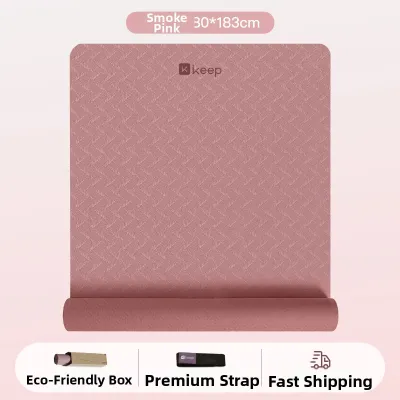
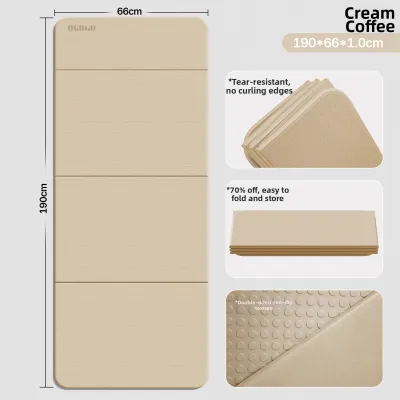
Prices are valid at publication and may change. Please refer to the product page for the latest price.
Regardless of a brand’s market position, any high-quality yoga garment must meet baseline performance standards to support your practice. It must offer four-way stretch to allow unrestricted movement, efficient moisture management to handle perspiration, and reliable opacity to ensure coverage during deep bends. Because independent brands often source fabrics from third-party mills rather than developing proprietary textiles, buyers must learn to evaluate these material characteristics independently rather than relying solely on brand reputation.
Key Comparison Dimensions: What to Check Before You Buy
To make an objective comparison between Silent and its competitors, you must look past marketing terminology and examine the physical specifications of the garments. The first and most critical dimension is the fabric composition, which is always listed on the care label. Most premium yoga leggings are constructed from nylon-spandex or polyester-spandex blends. Nylon-spandex blends are celebrated for their exceptionally soft, brushed texture and high elasticity, making them ideal for low-impact practices like Yin or Hatha yoga where comfort is the primary goal.

Polyester-spandex blends, on the other hand, are generally more durable, highly resistant to pilling, and quicker to dry. This makes them highly suitable for high-intensity, sweaty practices like Vinyasa or hot yoga, especially in Singapore’s warm and humid climate. Beyond the material type, pay close attention to the fabric weight, which is typically measured in grams per square meter (GSM). A fabric weight between 220 and 300 GSM generally provides excellent opacity and a supportive, compressive feel, whereas fabrics under 200 GSM are lighter and more breathable but require careful testing to ensure they remain opaque when stretched.
The second dimension is the construction and design details of the apparel. Inspect the seams of the leggings or tops; flatlock seams, which are stitched flat against the fabric rather than folded over, are essential for preventing chafing during repetitive movements. A gusseted crotch—a triangular or diamond-shaped insert sewn into the crotch area—is another critical feature that redistributes stress along the seams, preventing the fabric from riding up and ensuring maximum range of motion. Additionally, consider the waistband design; a high, seamless waistband offers gentle core support and stays secure during inversions, while waistbands with internal elastic bands may dig in or slip during dynamic transitions.
Finally, evaluate the pricing and value tiers in S$. Established premium brands in Singapore typically price their core leggings between S$120 and S$180, a cost that reflects extensive product testing, physical retail overheads, and comprehensive customer service policies. Emerging brands like Silent often position their products in the mid-tier range, typically between S$60 and S$110. This price point can offer outstanding value for practitioners who want high-quality materials without the premium price tag, provided the garment’s construction and fit meet their specific physical requirements.
Silent vs. Established Brands: A Specification and Feature Breakdown
To help you compare these options side-by-side, the following matrix outlines the typical specifications and features of emerging brands like Silent compared to established global activewear brands available in Singapore.
| Specification / Feature | Silent (Emerging Brand Profile) | Established Global Brands |
|---|---|---|
| Primary Fabric Blends | Standard Nylon/Spandex or Polyester/Spandex | Proprietary, trademarked synthetic blends |
| Typical S$ Price Range | S$60 to S$110 | S$120 to S$190+ |
| Size Range Availability | Often limited (typically XS to XL) | Highly inclusive (often US 0 to 20 or XXS to XXXL) |
| Colorways & Collections | Curated, small-batch seasonal drops | Extensive core colors with weekly new arrivals |
| Physical Try-on Options | Primarily online; occasional local pop-ups | Dedicated flagship boutiques in major shopping districts |
| Return & Exchange Policies | Online mail-in within 14 to 30 days | Flexible in-store returns; occasional wear-test guarantees |
This breakdown highlights that while emerging brands like Silent offer highly competitive pricing and unique, curated designs, they often operate with certain limitations. Their smaller production scales mean they may not offer the highly inclusive size ranges or the continuous stock availability of global giants. If you fall outside the standard size spectrum or prefer to purchase matching sets in classic colors year-round, established brands provide a more reliable supply chain.
Furthermore, because smaller brands often utilize standard synthetic blends rather than investing in proprietary fabric engineering, long-term durability and pilling resistance can vary. Pilling occurs when friction causes loose fibers to push to the surface of the fabric, forming small balls. While premium global brands often treat their fabrics to minimize this effect, independent garments require careful maintenance, such as washing on a gentle cycle and avoiding fabric softeners, to preserve their texture. Performing a personal wear test—checking how quickly the fabric snaps back into shape after being stretched—is the most reliable way to assess quality before committing to long-term use.
How to Decide: Matching the Brand to Your Practice and Budget
Choosing the right brand ultimately comes down to matching their specific product characteristics to your personal practice style, body type, and budget. You should consider choosing Silent if you prioritize contemporary, minimalist design aesthetics and enjoy supporting independent labels. If their stated fabric blends and S$ price points align with your budget, and you practice low-to-medium intensity yoga where extreme compression is not required, Silent offers a highly appealing and cost-effective alternative to premium brands.
Conversely, you should opt for established global brands if you require a highly precise fit that is only available through extensive, inclusive size ranges. They are also the better choice if you prefer the reassurance of trying on garments in a physical boutique in Singapore before buying, or if you practice daily and need widely verified, long-term durability to justify a higher financial investment. Additionally, if you rely on specific proprietary fabric technologies—such as ultra-high compression for intense athletic training—global brands remain the industry standard.
Regardless of which brand you lean toward, you must verify the garment’s suitability if you participate in high-intensity practices like hot yoga, power Vinyasa, or Ashtanga. Singapore’s tropical climate, combined with the heated environment of a hot yoga studio, places extreme demands on activewear. Before purchasing, check the manufacturer’s guidelines to confirm the fabric’s moisture-wicking limits and inspect the seam stress points. If a product description does not explicitly state that the garment is designed for high-sweat activities, it is best to use it for low-impact studio sessions instead.
Where to Buy and Verify Authenticity
To ensure you are purchasing genuine yoga apparel and receiving the quality you pay for, always buy directly from official brand websites, authorized physical retail partners, or verified flagship stores on major e-commerce platforms. Avoid purchasing from unverified third-party sellers or online marketplaces, as these channels often lack quality control and may distribute counterfeit goods that do not perform under studio conditions.
When shopping online, always review the specific return and exchange policies of the retailer. Because yoga apparel is worn close to the skin, many brands enforce strict hygiene restrictions that prohibit the return of tried-on leggings, sports bras, or bodysuits. Understanding these terms beforehand protects you from being stuck with a garment that does not fit or meet your expectations.
Finally, do not rely on standard letter sizing (such as S, M, or L), which varies significantly between independent labels and global manufacturers. Instead, use a flexible measuring tape to take accurate measurements of your bust, waist, and hips, and compare them directly to the brand’s official size chart. If your measurements fall between two sizes, consider the fabric composition: garments with a high spandex content (above 20%) will offer more stretch and flexibility, while fabrics with lower spandex content or higher compression may require you to size up for a comfortable, unrestricted practice.
Community discussion
Share your experience or ask a question. Comments are reviewed before publication.