
Selecting the most secure mobile phone holder bicycle mount requires balancing your typical riding terrain against how often you need to access your device. There is no single design that excels in every scenario. While a rigid hard case mount provides the robust mechanical grip needed for bumpy paths and high-speed descents, a flexible silicone strap offers a lightweight, cost-effective solution for casual weekend rides. Meanwhile, magnetic mounting systems prioritize rapid, one-handed transitions for urban commuters who make frequent stops. Finding the right balance involves evaluating how each mechanism handles road vibrations, weather exposure, and daily wear.
Understanding the Three Mounting Mechanisms
Each of the three primary mounting styles relies on a distinct physical principle to secure your device, directly influencing its security, durability, and ease of use.
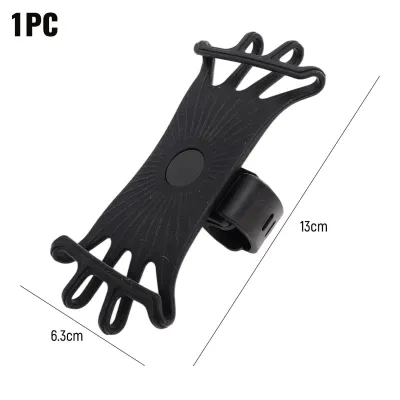
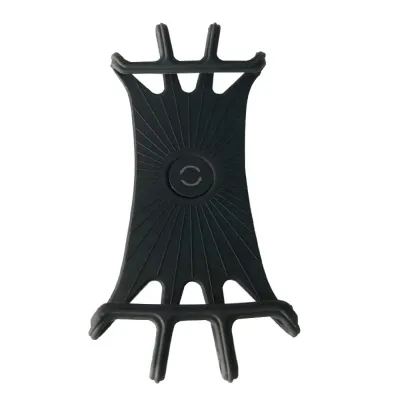
Silicone strap mounts rely entirely on elastic tension. These holders typically feature a central mounting base fixed to the handlebar, with flexible silicone bands that stretch over the four corners of your phone. The constant pulling force of the elastomer keeps the phone pressed firmly against the mounting pad. Because silicone is inherently grippy and flexible, it naturally conforms to a wide variety of phone shapes and sizes without requiring precise mechanical adjustments.
Products mentioned in this guide
![[SG Ready Stock] GUB G-81 Mobile Phone Holder G81 Bicycle Bike Electric Scooter Motorcycle Phone Holders](https://img.lazcdn.com/g/p/82a416f0ed5cb32f4f621be9e20be181.jpg_400x400q80.jpg_.webp)

Prices are valid at publication and may change. Please refer to the product page for the latest price.
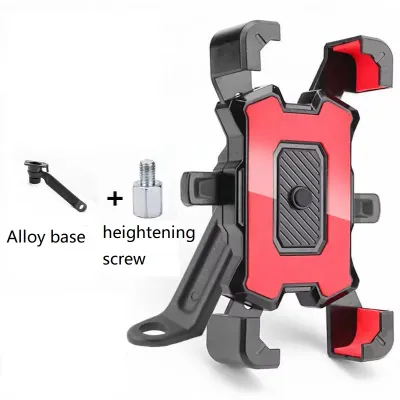
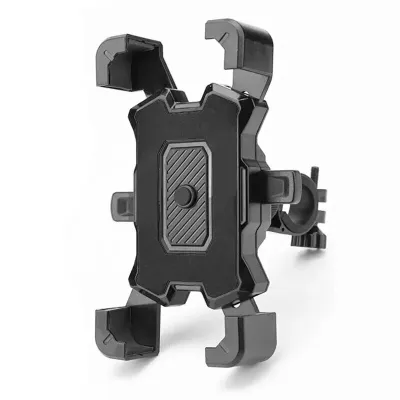
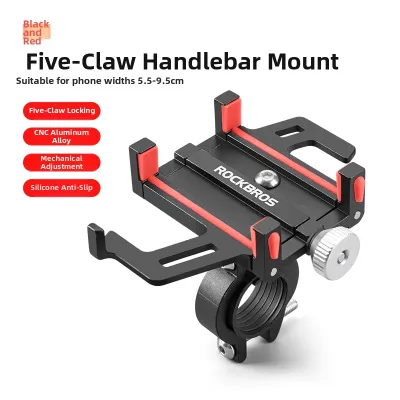
Hard case mounts utilize rigid mechanical locking systems to secure your device. This category includes clamp-style holders that screw down tightly onto the sides of the phone, as well as proprietary case systems that click into a matching receiver on the handlebar stem. By using hard plastics, aluminum, or composite materials, these mounts create a solid, unyielding physical barrier around the phone. The connection is maintained by physical latches, spring-loaded jaws, or threaded bolts rather than material elasticity.
Magnetic mounts employ high-strength magnets to hold the phone in place. These systems generally require a dedicated phone case with an integrated magnetic array or a metal plate adhered to the back of your existing case. The handlebar mount contains a matching magnetic surface. When the two faces meet, magnetic shear force and direct pull alignment keep the phone centered. Some hybrid magnetic designs also incorporate a mechanical twist-lock or secondary latch to prevent the phone from sliding off sideways under heavy shear loads.
Security and Vibration Resistance on the Road
How a mount handles sudden impacts and continuous high-frequency vibrations is the most critical factor in protecting your device from costly drops on uneven roads.

Under sudden shocks—such as hitting a deep pothole or dropping off a curb—rigid hard case mounts generally offer the highest level of physical retention. Because the phone is locked within a solid frame or clamped by mechanical jaws, it cannot easily slip out of place. However, the rigidity of these mounts means that sudden impacts are transferred directly to the phone itself unless the mount features built-in rubber gaskets or dedicated vibration-dampening inserts.
Silicone straps act as natural shock absorbers. The flexible elastomer stretches slightly under sudden loads, dissipating the energy of a bump rather than transferring it directly to the phone chassis. However, this flexibility can be a double-edged sword. Over time, exposure to intense sunlight, high humidity, and ozone can cause silicone to degrade, lose its elasticity, or develop micro-tears. If a degraded strap snaps while you are riding, the phone can instantly detach.
Magnetic mounts face unique challenges when subjected to vertical shocks. While direct pull force is often very strong, magnetic systems are more vulnerable to lateral shear forces. A sharp, upward jolt from a speed bump can cause a heavy phone to slide sideways off the magnetic pad. For this reason, magnetic mounts without a physical interlocking lip or secondary mechanical clip are generally best restricted to smooth, paved surfaces where sudden vertical jolts are rare.
Continuous high-frequency road vibrations also pose a hidden risk to modern smartphones equipped with optical image stabilization (OIS) in their camera modules. Over time, constant vibration can wear down the delicate mechanical springs inside the camera lens. Rigid mounts that lack dampening materials are the most likely to transmit these damaging frequencies. If you ride frequently on rough roads, look for mounts that incorporate specialized rubber dampening modules, or opt for a high-quality silicone strap that naturally dampens high-frequency buzz.
Accessibility and Daily Convenience
The ease of mounting and dismounting your device makes a significant difference in your daily riding experience, especially during quick stops.
Magnetic mounts are the undisputed leaders in terms of convenience and speed. Attaching your phone is as simple as bringing it close to the mount, where the magnets automatically align and snap the device into place. Removing it requires a simple twist or tilt, which can easily be done with one hand, even while wearing thick cycling gloves. This makes magnetic systems highly practical for urban riders who frequently park their bikes to enter shops or cafes.
Silicone straps require more effort to operate. To secure your phone, you must manually stretch each corner band over the edges of your device. This process almost always requires two hands and can be frustratingly difficult when wearing full-finger cycling gloves. Additionally, because the straps wrap around the front of the phone, they can block the corners of your screen, interfere with swipe-to-unlock gestures, or accidentally press the side volume and power buttons.
Hard case mounts offer a middle ground in terms of accessibility. Quick-release mechanical systems allow you to attach or detach the phone with a single click or a quarter-turn twist, making them highly efficient once installed. However, universal clamp-style hard mounts that rely on threaded thumb screws or spring-loaded side grips require more time to adjust. While they do not obstruct the screen like silicone straps, they can still block access to side buttons if the clamp arms align poorly with your specific phone model.
Phone Protection and Case Compatibility
A mount that requires you to strip off your favorite protective case every time you ride quickly becomes a hassle.
Silicone strap mounts offer excellent universal compatibility. Because the elastomer is highly stretchable, these mounts can accommodate a wide range of phone sizes, even when housed in thick, heavy-duty protective cases. The soft silicone material also poses zero risk of scratching your phone’s glass screen, aluminum frame, or camera lenses during installation. However, you must ensure the straps do not press directly against the camera bump or block the charging port if you plan to use an external power bank while riding.
Hard case mounts are much more restrictive. Proprietary twist-lock systems require you to use the manufacturer’s specific phone case, which may not offer the level of drop protection or aesthetic style you prefer for daily use. Alternatively, you may have to stick an adhesive adapter plate directly onto your existing case, which can prevent wireless charging and make the phone sit unevenly on flat surfaces. Universal mechanical clamps can accommodate various cases, but you must carefully check the maximum thickness capacity of the clamp jaws to ensure your rugged case will fit securely.
Magnetic mounts also demand careful compatibility checks. To achieve a secure hold, you must use a case with a matching magnetic array or apply a metal plate to your phone. If the metal plate is placed incorrectly, it can block wireless charging coils and NFC functionality. Furthermore, if you use a heavy, rugged case without an integrated magnet, the magnetic attraction through the thick plastic may be too weak to hold the phone safely on a bicycle mount, necessitating a specialized, compatible case.
Decision Framework: Which Mount Fits Your Ride?
Evaluate your typical riding environment, device weight, and convenience priorities to choose the right mounting style.
Choose a silicone strap mount if you are a casual rider, commuter, or weekend explorer who primarily sticks to paved shared paths and park connector networks. These mounts are lightweight, highly affordable, and fit almost any phone and case combination without modification. They also provide excellent basic shock absorption for your phone’s internal components. Just be sure to inspect the silicone regularly for signs of dry rot or tearing, especially in hot, humid climates.
Choose a hard case mount if you ride on rough gravel paths, mountain bike trails, or uneven estate roads where sudden impacts are common. The mechanical lock ensures your phone remains physically attached to the handlebars even during severe jolts. If you choose this route, prioritize models that feature built-in vibration dampening to protect your phone’s sensitive camera sensors, and verify that the clamp dimensions are fully compatible with your daily phone case.
Choose a magnetic mount if your priority is maximum convenience during urban commutes, food delivery runs, or casual city rides. The ability to mount and dismount your phone in a fraction of a second is unmatched. However, ensure the system features a mechanical backup lock or a deep physical recess to prevent lateral slips, and verify that your phone case is specifically designed to work with the mount’s magnetic array.
Regardless of the style you select, always verify the manufacturer’s specified weight limits and compatibility guidelines before your first ride. Regularly check that all mounting bolts on your handlebars are tightened to the correct torque, and consider using a simple lanyard or safety tether as a secondary backup to protect your device from unexpected failures.
Frequently Asked Questions (FAQ)
Do magnetic phone mounts fall off on bumpy roads?
Magnetic mounts can slide off when subjected to sharp, vertical impacts if they rely solely on magnetic attraction. While the direct pull force is strong, lateral shear forces from potholes or curbs can cause a heavy phone to slip. To prevent this, look for magnetic systems that incorporate a mechanical lip, a twist-lock mechanism, or a secondary physical latch. If you ride on uneven terrain, using a simple silicone safety tether alongside your magnetic mount provides an extra layer of security.
Can rigid bicycle phone holders damage my phone's camera?
Yes, rigid mounts that attach directly to your handlebars without any flexible or dampening materials can transmit high-frequency road vibrations directly to your phone. Over time, these continuous vibrations can damage the delicate mechanical components of optical image stabilization (OIS) systems found in modern smartphone cameras. To protect your camera, choose a mount with an integrated vibration-dampening module, or opt for a flexible silicone strap mount, which naturally absorbs high-frequency road buzz.
Community discussion
Share your experience or ask a question. Comments are reviewed before publication.