
Choosing the right swim cap is essential for a comfortable and productive time in the water. Whether you are training for a triathlon, doing water aerobics in an outdoor pool, or swimming laps to stay fit, the material of your cap directly impacts your comfort, performance, and hair protection. The three primary materials available—silicone, latex, and lycra—each serve distinct purposes.
To make the right choice, you must balance your personal swimming frequency, comfort preferences, and budget. Silicone is highly durable and offers excellent water protection, making it a favorite for regular swimmers. Latex is thin, highly elastic, and cost-effective, though it requires careful handling and is unsuitable for those with allergies. Lycra, a soft fabric option, prioritizes comfort and ease of wear over keeping your hair dry. Understanding these differences allows you to select a cap that fits your routine perfectly.
Quick Comparison: Silicone vs. Latex vs. Lycra
When selecting a swim cap, the primary trade-offs involve water resistance, durability, breathability, and cost. Silicone caps are thick and long-lasting but carry a higher price point. Latex caps are highly affordable and offer a very snug, hydrodynamic fit, but they are prone to tearing if mishandled. Lycra caps are incredibly comfortable and easy to put on, but because they are made of woven fabric, water flows directly through them.
Products mentioned in this guide
![[SWANS] Adult Lycra Swimming Cap](https://img.lazcdn.com/g/p/mdc/cdb704053a7f734e10be85fddd2be4e0.jpg_400x400q80.jpg_.webp)
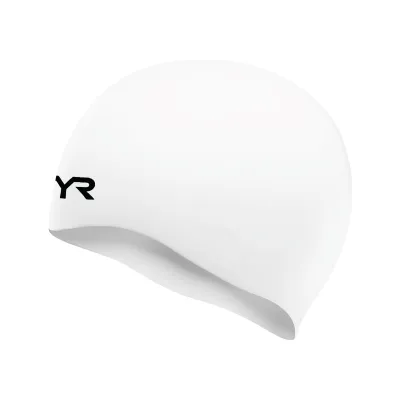
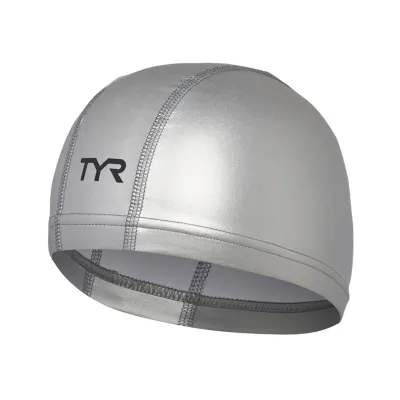
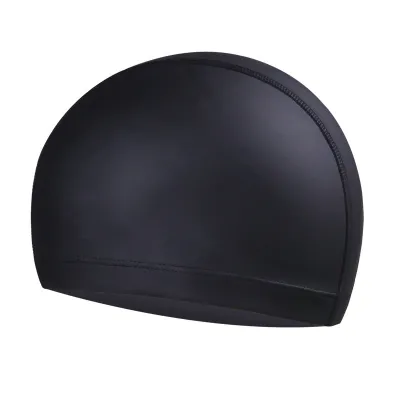
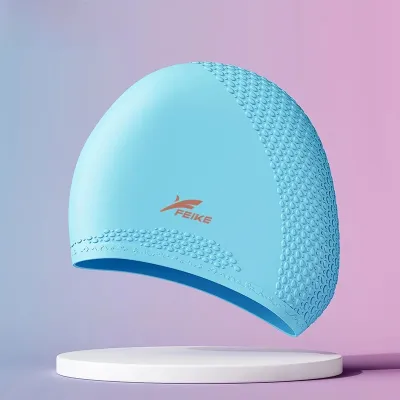
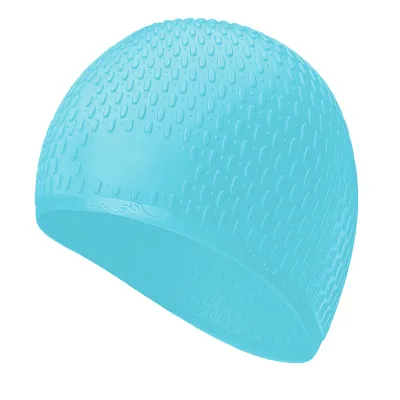
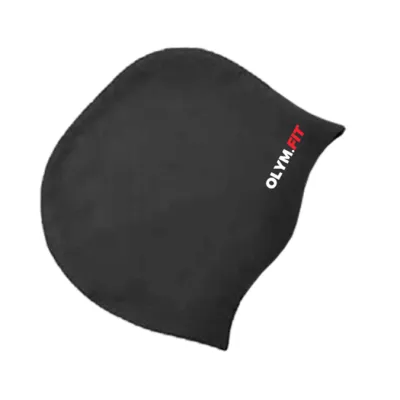
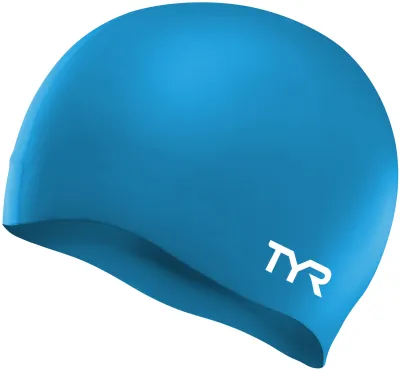
Prices are valid at publication and may change. Please refer to the product page for the latest price.
To help you quickly identify which material aligns with your primary swimming needs, consider how each material performs across key attributes:
| Material | Stretch & Flexibility | Thickness & Feel | Primary Use Case | Water Resistance |
|---|---|---|---|---|
| Silicone | Moderate to High | Thick, smooth, and structured | Regular training, lap swimming, cooler water | High (water-resistant barrier) |
| Latex | Very High | Extremely thin and lightweight | Competitive racing, warm-water pools, budget use | High (water-resistant barrier) |
| Lycra | High (Fabric stretch) | Soft, textured, and breathable | Leisure swimming, water aerobics, easy hair containment | None (fully porous) |
By evaluating these basic characteristics, you can narrow down your options based on whether you need a watertight seal, a lightweight racing fit, or simply a comfortable way to keep your hair out of your face.
Silicone Caps: Durability and Water Protection
Silicone swim caps are the industry standard for regular lap swimmers and competitive athletes. Because silicone is a dense, non-porous material, it provides an excellent barrier against chlorinated pool water. If you swim multiple times a week in indoor training facilities or outdoor pools, a silicone cap offers the durability needed to withstand constant exposure to pool chemicals without degrading quickly. It also retains heat slightly better than other materials, which can be beneficial if you swim in air-conditioned indoor pools or cooler open-water environments.

When shopping for a silicone cap, check the product label and specifications for key quality indicators. Look for caps made from 100% hypoallergenic silicone, which ensures the material remains gentle on the skin. Examine the seam construction; high-quality silicone caps often feature a seamless, molded design that conforms to the natural shape of the head, reducing wrinkles and improving hydrodynamics. You should also check the thickness of the material, as thicker silicone provides better tear resistance and a more secure grip on the head.
Despite their advantages, silicone caps have a few limitations to keep in mind. Because the material is smooth, it can slip or slide upward during high-intensity swims if it is not fitted correctly or if you use heavy hair conditioners. Additionally, silicone has virtually no breathability. In warm outdoor environments, heat can build up under the cap, which might feel uncomfortable during long, strenuous workouts.
Latex Caps: Fit, Budget, and Safety Checks
Latex swim caps have long been favored by competitive swimmers and event organizers due to their lightweight feel and low cost. Made from natural rubber, these caps are exceptionally thin and stretch easily to provide a tight, hydrodynamic fit. They are highly effective at reducing drag in the water, making them a popular choice for swim meets, triathlons, and occasional training sessions. Because they are thin, they allow heat to escape easily, making them highly suitable for warm-water environments and tropical outdoor pools.
When evaluating a latex cap, inspect its elasticity and thickness. A quality latex cap should stretch significantly without losing its shape immediately, allowing it to conform tightly to your scalp. This snug fit is excellent for keeping the cap securely in place during fast turns and dives. Because they are inexpensive, many swimmers keep several latex caps in their gear bags as reliable backups.
However, latex requires specific safety and maintenance checks. The most critical step is verifying whether you or anyone sharing your gear has a latex allergy, as contact can trigger skin irritation or more severe allergic reactions. Additionally, latex is highly susceptible to environmental degradation. Over time, exposure to chlorine, UV rays, and heat will cause the material to become tacky, develop micro-tears, or stick to itself. Regularly checking for these signs of wear is essential to avoid a sudden tear while putting the cap on.
Lycra Caps: Comfort and Breathability
Lycra swim caps, often made from spandex or nylon fabric blends, are designed primarily for comfort and ease of use. Unlike silicone and latex, which can pull on individual hair strands, lycra glides smoothly over the hair, making it incredibly easy to put on and take off. This makes lycra caps highly popular for leisure swimmers, water aerobics participants, and those who find the tight squeeze of traditional rubber caps uncomfortable or headache-inducing.
When selecting a fabric cap, check the product details for the specific fabric blend and construction features. Look for caps with a high percentage of elastane or spandex to ensure the cap retains its stretch over time. It is also important to verify that the cap features a secure, elasticized edge band. Because fabric is naturally more slippery against wet hair than silicone or rubber, a high-quality edge band is necessary to prevent the cap from sliding off during movement.
The most important limitation of a lycra cap is its porosity. Because it is a woven fabric, water flows freely through the material. A lycra cap will not protect your hair from chlorine or keep it dry; its primary functions are to keep hair securely out of your eyes, reduce moderate drag, and offer a layer of protection against direct sun exposure. If your main goal is to minimize hair contact with pool water, lycra is not the right standalone choice.
Matching the Material to Your Swimming Routine
To choose the best swim cap, you must align the material properties with your specific swimming habits, physical characteristics, and environment. If you swim three or more times a week for fitness or training, the durability of silicone makes it the most practical investment. For occasional swimmers or those participating in organized races where caps are provided, latex offers a lightweight, cost-effective solution. If your routine consists of low-impact water exercise, water therapy, or casual wading, the comfort of lycra is unmatched.
Your hair volume and texture also play a major role in your decision. Swimmers with long, thick, or highly textured hair often struggle with standard swim caps, which can squeeze the head too tightly or fail to cover all the hair. If you have significant hair volume, look for specialized “long hair” silicone caps. These are designed with extra space at the back of the cap to accommodate a bun or ponytail without stretching the material to its breaking point or putting excessive pressure on your forehead.
In some situations, layering two caps—a practice known as double-capping—is highly beneficial. For example, competitive swimmers often wear a lycra cap underneath a silicone cap. The inner lycra cap holds the hair smoothly in place without pulling, while the outer silicone cap provides a smooth, hydrodynamic surface and keeps the inner cap secure. If you choose to double-cap, ensure the outer cap is slightly larger or highly stretchable to accommodate the extra volume without causing discomfort.
Care, Maintenance, and Replacement Signals
Proper care can significantly extend the lifespan of your swim cap, regardless of the material. After every swim, rinse your cap thoroughly inside and out with clean, fresh tap water to remove chlorine, salt, or pool chemicals. For silicone and latex caps, gently wipe them dry with a soft towel and allow them to air dry completely in a shaded, well-ventilated area. For lycra caps, you can gently squeeze out excess water and hang them to dry, occasionally washing them by hand with a mild, chlorine-removing detergent.
Storage conditions are critical for preventing premature material degradation. Always store your swim caps away from direct sunlight, extreme heat, and sharp objects like hairpins, jewelry, or long fingernails, which can easily puncture the material. For latex and silicone caps, applying a light dusting of talcum powder or baby powder inside the cap after it is completely dry prevents the sides from sticking together and peeling apart during storage.
Regularly inspect your cap for visual and tactile signals that indicate it is time for a replacement. For silicone, look for deep creases, discoloration, or small nicks along the edges that could quickly turn into full tears. For latex, replace the cap immediately if it feels sticky to the touch, shows signs of thinning, or has developed tiny micro-tears. For lycra, a loss of elasticity in the fabric or a stretched-out edge band indicates that the cap can no longer hold your hair securely and should be replaced.
Frequently Asked Questions (FAQ)
Do swim caps actually keep your hair completely dry?
No standard swim cap is designed to keep your hair completely dry. While silicone and latex are waterproof materials that block water from passing directly through the cap, water will almost always seep in around the edges, especially near the ears and the nape of the neck, as you swim. To minimize water entry, ensure you choose a cap that fits snugly, tuck all your hair completely inside, and consider wearing a headband designed for swimming over the edges of the cap to help create a tighter seal.
Can I wear a fabric cap under a silicone cap?
Yes, wearing a fabric cap under a silicone cap is a common and highly effective technique. This combination provides the comfort of a fabric cap—preventing the silicone from pulling on your hair—while maintaining the hydrodynamic benefits and secure fit of the outer silicone cap. It can also provide a small amount of extra insulation if you are swimming in cooler water. When layering, make sure the outer silicone cap is pulled down fully to create a proper seal against your skin.
How do I know if my swim cap is the wrong size?
You can identify an improperly sized swim cap by paying attention to comfort and movement. If a cap is too tight, it will cause headaches, leave deep red lines on your forehead, or constantly slide upward because it is stretched beyond its limit. If a cap is too loose, it will wrinkle excessively, slide down over your eyes, or allow water to pool inside, creating drag. To find the correct fit, measure your head circumference and compare it to the manufacturer’s sizing chart, keeping in mind that those with long or thick hair may need to size up or choose a specialized long-hair cut.
Community discussion
Share your experience or ask a question. Comments are reviewed before publication.