
Staying hydrated during a workout is essential for maintaining athletic performance, but the temperature of your water can play a significant role in how comfortable and refreshed you feel. When comparing silicone and stainless steel water bottles, double-wall vacuum-insulated stainless steel is the definitive winner for keeping drinks cold. While silicone is highly versatile, it is a single-layer material with relatively high thermal conductivity, meaning it cannot insulate liquids and will quickly allow your drink to match the surrounding ambient temperature.
If your absolute priority is maintaining ice-cold water during a long, hot workout, stainless steel is the only viable choice between the two. However, while silicone loses the insulation battle, it offers distinct practical advantages in terms of weight, packability, and durability for specific types of exercise. Understanding the physical trade-offs between these two popular materials will help you select the ideal vessel for your training regimen.
Insulation Physics: Why Stainless Steel Wins the Temperature Test
To understand why stainless steel outperforms silicone so dramatically in temperature retention, it is necessary to look at the physical construction of both vessels. High-quality stainless steel sports bottles utilize a double-wall vacuum-insulated design. This construction consists of an inner and an outer steel wall with a sealed space between them from which the air has been completely evacuated. Because a vacuum contains no air molecules, it virtually eliminates heat transfer via conduction and convection, which require a physical medium to move thermal energy. This structural barrier ensures that cold liquids remain chilled for hours, even when exposed to direct sunlight or high ambient temperatures.
Products mentioned in this guide
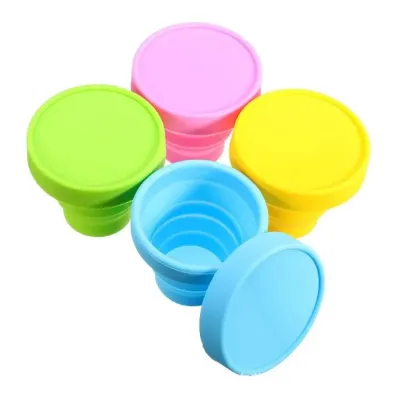
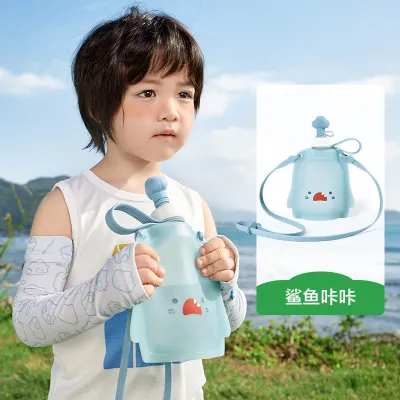
Prices are valid at publication and may change. Please refer to the product page for the latest price.
In contrast, a standard silicone water bottle is molded from a single layer of food-grade silicone elastomer. While silicone is highly stable and resistant to extreme temperatures, it lacks any form of vacuum insulation. Because the material is thin and directly exposed to both the cold liquid inside and the warm air outside, heat transfer occurs rapidly via conduction. When you fill a silicone bottle with ice water, the thermal energy from the surrounding environment passes through the flexible wall almost immediately. Within a short period, the ice melts, and the water temperature rises to match the ambient air.
Some manufacturers attempt to mitigate this rapid heat transfer by equipping silicone bottles with neoprene, fabric, or thicker silicone sleeves. While these sleeves provide a minimal thermal buffer by trapping a thin layer of air, they do not transform the bottle into a true insulated vessel. At best, a sleeve might delay the warming process by a few minutes, but it cannot compete with the long-term temperature retention of a double-wall vacuum-insulated stainless steel container.
This performance gap has a direct impact on your hydration habits during intense physical exertion. Drinking warm or room-temperature water when your core body temperature is elevated can be unappealing, which often leads to drinking less than your body requires. Cold water, typically preferred between 15°C and 22°C, is more palatable during exercise, encouraging higher fluid intake and helping to regulate your core temperature more effectively during high-intensity training.
Workout Practicality: Where Silicone Bottles Shine
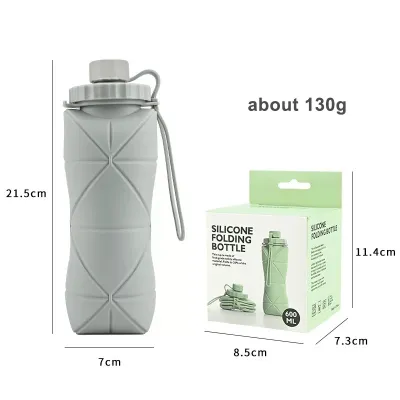
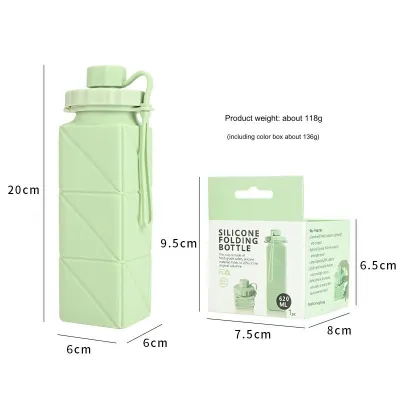
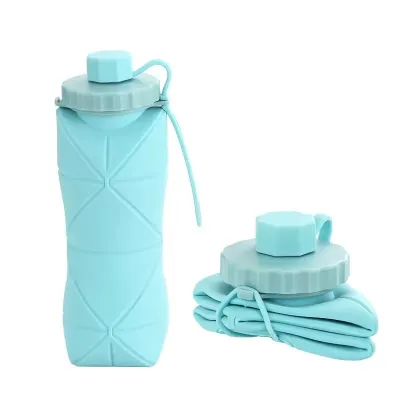
While stainless steel is the undisputed champion of temperature retention, it carries a noticeable weight penalty that can affect your workout dynamics. An empty, double-wall stainless steel bottle is heavy and rigid, often weighing three to four times more than a silicone counterpart of the same capacity. For long-distance runners, trail hikers, and fast-packers, every gram of gear matters. Silicone water bottles are exceptionally lightweight and, more importantly, many models feature collapsible designs. Once you finish your water, a collapsible silicone bottle can be rolled, folded, or flattened to a fraction of its original size, allowing you to stow it away easily in a pocket, running belt, or small hydration vest.

Ergonomics and delivery style also set these two materials apart. Silicone possesses a naturally high-friction, textured surface that provides an exceptionally secure grip, even when your hands are slick with sweat or rain. Furthermore, because silicone is flexible, these bottles are highly squeezable. This allows you to squeeze the bottle to deliver a quick, high-volume stream of water directly into your mouth without needing to tilt your head back or break your stride. This quick-sip capability is a major safety and convenience advantage for cyclists navigating busy paths or runners who want to maintain their forward momentum.
Stainless steel bottles, by contrast, are completely rigid and unyielding. Hydrating from a stainless steel bottle typically requires you to unscrew a cap, flip open a lid, or use a built-in straw mechanism. Because the metal cannot be squeezed, you must tilt the bottle upward to drink, which momentarily obstructs your forward vision. While many premium stainless steel bottles feature textured powder-coat finishes to enhance grip, they remain bulky to carry in hand during active cardio sessions and can feel cumbersome when full.
Matching the bottle material to your specific athletic activity is the best way to optimize your hydration experience. Consider how the physical properties of each material align with different training environments:
- Silicone is highly suited for: Trail running, jogging, cycling, fast-packing, and indoor gym cardio sessions where weight savings and packability are critical, and where water dispensers are readily available for quick, frequent refills.
- Stainless steel is highly suited for: Weightlifting, powerlifting, yoga, outdoor boot camps, beach volleyball, and long hikes where you are exposed to heat for extended periods and require a reliable, long-lasting source of ice-cold water.
Condensation, Durability, and Daily Maintenance
Beyond insulation and weight, several secondary physical traits influence how these bottles perform during daily use, transport, and long-term upkeep. One of the most immediate differences you will notice when using these bottles with cold liquids is condensation, commonly referred to as “sweating.” Because single-layer silicone bottles have high thermal conductivity, the outer surface of the bottle quickly becomes as cold as the liquid inside. In humid environments, moisture in the air rapidly condenses on the cold exterior, leaving the bottle wet. This sweat can make the bottle slippery to hold and can easily saturate the inside of your gym bag, potentially damaging electronics, dry clothes, or papers. Double-wall insulated stainless steel bottles do not experience exterior condensation, as the vacuum barrier keeps the outer steel wall at ambient temperature.
Durability and impact resistance are also crucial factors for gear that is regularly subjected to drops, tosses, and rough handling. Stainless steel is incredibly tough, but it is prone to cosmetic and structural damage from hard impacts. Dropping a stainless steel bottle on concrete, asphalt, or rocks can dent the metal, scratch the powder coating, or, in severe cases, rupture the vacuum seal. If the vacuum seal is compromised, the bottle loses its insulating capabilities permanently. Silicone, on the other hand, is highly resilient and elastic. If you drop a silicone bottle, it will simply bounce off hard surfaces without any permanent deformation or loss of functionality. However, silicone is vulnerable to punctures or slices from sharp objects, such as keys, trail thorns, or sharp gear edges inside a pack.
Daily maintenance and hygiene are areas where stainless steel holds a clear advantage. Silicone is an elastomer that, at a microscopic level, can be slightly porous. This characteristic makes it prone to absorbing and retaining organic compounds, which can lead to persistent odors or lingering tastes from sports drinks, electrolyte powders, or even municipal tap water. Cleaning a silicone bottle thoroughly requires consistent effort, often involving specialized cleaning agents to keep it smelling fresh. Stainless steel is non-porous and highly resistant to flavor retention and bacterial buildup, making it much easier to wash, rinse, and keep sanitary over years of regular use.
The Final Verdict: How to Choose Your Workout Bottle
Selecting the right water bottle ultimately comes down to identifying which trade-offs align best with your training style, venue, and personal preferences. Use this straightforward framework to make your decision:
Choose Stainless Steel if:
- Your primary goal is keeping your water ice-cold for hours during extended workouts.
- You train outdoors in hot, humid climates where uninsulated liquids warm up within minutes.
- You transport your bottle inside a gym bag alongside sensitive electronics, notebooks, or dry clothes that must remain dry and free of condensation.
- You prefer a low-maintenance container that is easy to clean and will not retain the taste or smell of sports drinks and supplements.
Choose Silicone if:
- You prioritize ultralight gear and want a bottle that can collapse or fold away once empty to save valuable space.
- You engage in active, high-movement sports like running or cycling where a squeezable bottle allows for faster, safer hydration on the move.
- You train in environments with easy access to water coolers or taps, allowing you to refill your bottle frequently with fresh water.
- You want an impact-resistant bottle that can survive repeated drops onto hard gym floors or outdoor terrain without denting.
Verify First: Before finalizing your purchase, always check the product specifications to ensure safety and quality. Look for food-grade, BPA-free certifications, such as 18/8 (304 grade) stainless steel or LFGB/FDA-certified food-grade silicone. Additionally, inspect the lid mechanism—whether it features a bite valve, integrated straw, or a simple screw cap—to ensure it is completely leak-proof and matches your preferred way of drinking during high-exertion activities.
Frequently Asked Questions (FAQ)
Is it safe to drink from silicone water bottles?
Yes, high-quality silicone water bottles are safe to drink from, provided they are made from 100% food-grade silicone. Food-grade silicone is a non-toxic, hypoallergenic polymer that is completely free from harmful chemicals such as BPA, BPS, and phthalates. It is highly stable and does not react with food or beverages, meaning it will not leach chemicals into your drinking water even when exposed to heat. To ensure safety, avoid purchasing cheap, unbranded silicone bottles from unregulated online marketplaces, as these may contain plastic fillers, chemical stabilizers, or heavy metals. Always verify that the product has clear food-grade safety certifications on the packaging or manufacturer’s website before use.
Can I put ice cubes in a silicone water bottle?
Yes, you can physically put ice cubes inside a silicone water bottle, but doing so highlights the material’s lack of insulation. Because silicone is highly conductive, the ice will melt rapidly—often within 10 to 20 minutes in warm conditions—and the exterior of the bottle will immediately become extremely cold to the touch and covered in heavy condensation. If you do use ice, opt for smaller, rounded ice chunks rather than large, sharp-edged cubes. Large, jagged ice cubes can put undue stress on the silicone seams or the neck joint when the bottle is squeezed or compressed.
Why does my silicone water bottle smell, and how do I fix it?
Silicone is an elastomer with a microscopic surface structure that can trap oil, soap residue, and organic compounds from sports drinks. This is why silicone bottles can develop a stubborn, musty smell or retain the taste of dish soap. To eliminate these odors, avoid harsh chemical cleaners which can degrade the material. Instead, use a simple, low-risk home remedy: fill the bottle with warm water, add one to two tablespoons of baking soda or a 50/50 mixture of warm water and white vinegar, and let it soak for several hours or overnight. Afterward, scrub gently with a soft bottle brush, rinse thoroughly with clean water, and allow the bottle to air-dry completely in a well-ventilated area with the cap off.
Community discussion
Share your experience or ask a question. Comments are reviewed before publication.