
Choosing between silicone and moldable wax swim earplugs is not a matter of finding a single, universally ideal material. The right waterproof seal depends on your individual ear canal anatomy, the intensity of your water activities, and your personal comfort preferences. While silicone earplugs offer a consistent shape and long-term durability, moldable wax earplugs use body heat to conform closely to the outer ear, creating a customized surface barrier. Understanding how these materials interact with water, skin, and movement will help you select the right option for your swimming routine.
For swimmers in tropical climates like Singapore, where frequent visits to local pools or open-water beaches are common, selecting the right ear protection is essential. High humidity and warm water temperatures can influence how these materials perform and how they must be stored. By evaluating the mechanical differences, seal effectiveness, and maintenance requirements of each material, you can protect your ears from water entry while maintaining comfort throughout your swim.
How Silicone and Wax Earplugs Create a Seal
Silicone and moldable wax earplugs block water using entirely different mechanical approaches. Silicone earplugs are typically pre-molded into specific shapes, such as flanged ridges or triple-cone designs. These plugs rely on the physical compression and expansion of the silicone material against the walls of your inner ear canal. As you insert the plug, the flexible flanges bend backward, creating multiple physical barriers that grip the canal walls to prevent water from bypassing the seal.
Products mentioned in this guide
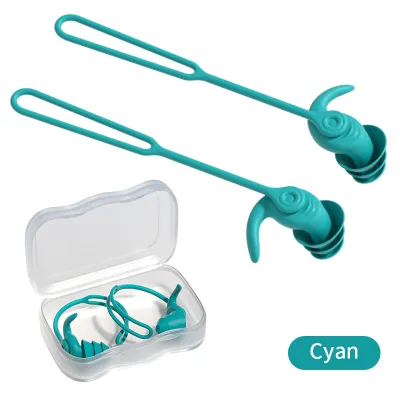
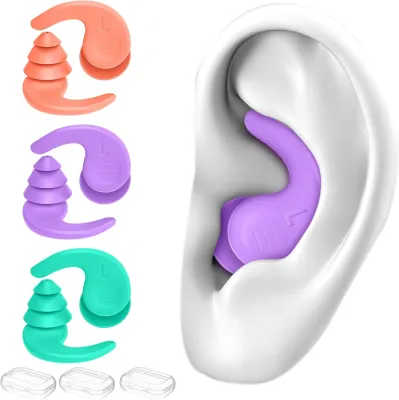
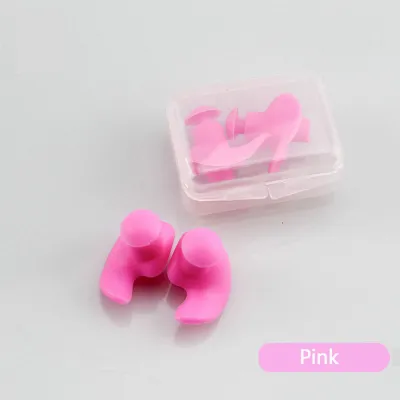
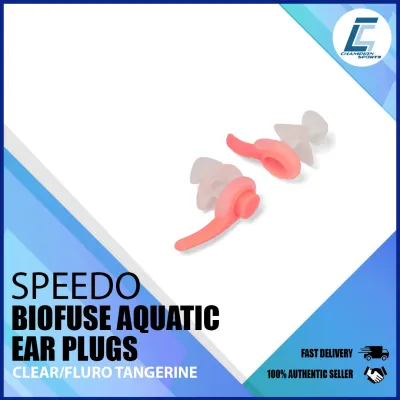
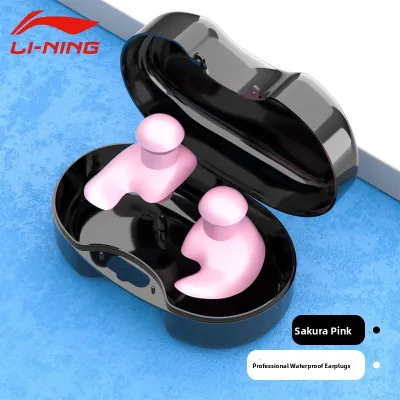
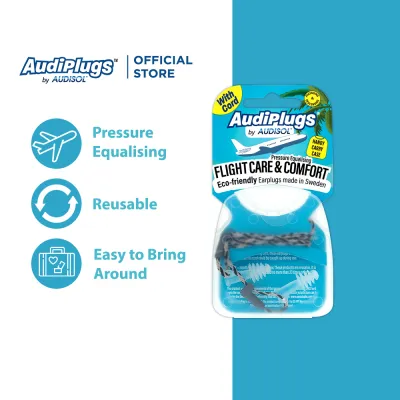
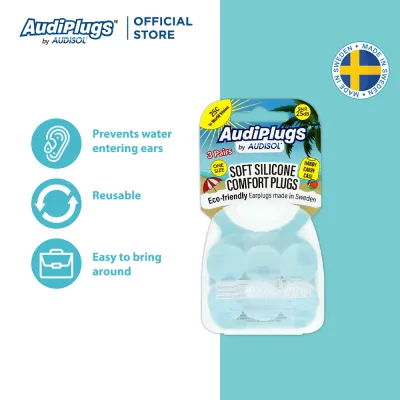
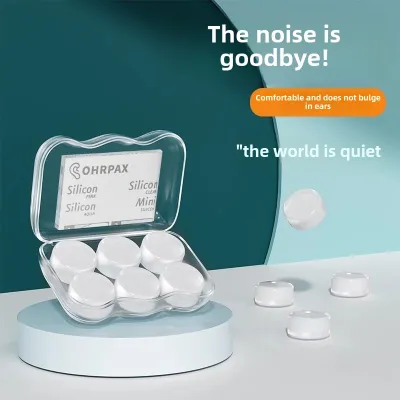
Prices are valid at publication and may change. Please refer to the product page for the latest price.
In contrast, moldable wax earplugs do not rely on pre-formed shapes or deep insertion. Instead, they are designed to be warmed between your fingers until they become pliable. Once softened, you press the wax over the opening of the ear canal and into the outer ear bowl, known as the concha. The wax conforms precisely to the unique contours of your outer ear, creating a flat, customized surface-level barrier that seals the entrance without entering the deeper parts of the canal.
Safety is a critical consideration when using either type of earplug. You must never force any earplug deep into the ear canal, as this can cause wax impaction, irritation, or injury to the eardrum. Always follow the manufacturer’s specific insertion instructions, and ensure you can easily remove the plug using the designated stem or by gently pressing behind the earlobe to break the seal.
Comparing Waterproof Seal Effectiveness
The effectiveness of a waterproof seal is highly dependent on your unique ear canal anatomy. Swimmers with irregular, narrow, or highly curved ear canals often find that standard flanged silicone plugs fail to create a reliable seal. If the silicone flanges do not match the shape of the canal, water can easily seep through the gaps. For these individuals, moldable wax provides a more reliable seal because it adapts to any shape, filling irregular gaps along the outer ear opening.

Water pressure and the nature of your swimming activity also play a significant role in seal retention. During low-impact lap swimming in a standard pool, both materials can perform adequately if fitted correctly. However, high-impact water sports such as surfing, wakeboarding, or diving subject the ears to sudden rushes of water and increased pressure. In these environments, you must verify the manufacturer’s depth and pressure ratings, as standard recreational swim plugs may fail under high-velocity impacts or deep submersion.
Dislodgement risks differ significantly between the two materials. Silicone earplugs can sometimes slip out of place when water acts as a lubricant between the silicone material and the skin of the ear canal. On the other hand, moldable wax earplugs are less prone to slipping from lubrication but can lose their seal due to external friction. For example, a tight swim cap or goggle strap rubbing against the outer ear can distort the shape of the wax, breaking the surface seal and allowing water to enter.
Comfort, Fit, and Wearability in the Water
Comfort during extended swim sessions is a primary factor for many swimmers. Moldable wax earplugs require a brief preparation period before each use, as you must manually warm and shape the material using your hands. While this process takes a moment, it results in a highly customized fit that distributes pressure evenly across the outer ear. This makes wax an excellent option for swimmers who experience physical discomfort or pressure headaches from objects inserted into the ear canal.
Silicone earplugs are ready to use straight out of the case, requiring no warming or shaping. However, because they are pre-molded, the material can feel rigid or put constant outward pressure on the ear canal walls. If the plug is slightly too large for your ear, this pressure can lead to ear fatigue and soreness after thirty to forty minutes of continuous wear. Finding the correct size and flange thickness is essential to achieving a comfortable fit with silicone.
Environmental factors and hygiene also affect wearability. Moldable wax has a naturally tacky texture, which helps it adhere to the skin but also means it easily attracts hair, dust, and poolside debris. If you drop a wax plug on a concrete pool deck, it can quickly become contaminated. Silicone earplugs generally repel debris and are easy to wipe clean, but their non-porous surface can trap moisture against the skin of the ear canal if you do not dry your ears thoroughly before insertion.
Durability, Hygiene, and Maintenance
When evaluating long-term value, durability and hygiene management are key differentiators. Silicone earplugs are highly durable, washable, and reusable for months or even years with proper care. After a swim, you can simply rinse them with mild soap and warm water, allow them to air dry, and store them in their protective case. This makes silicone a highly cost-effective choice for frequent swimmers who want to minimize waste.
Moldable wax earplugs have a much shorter lifespan and are generally considered semi-disposable or single-use items. Because wax cannot be washed effectively without destroying its structural integrity, it gradually accumulates earwax, skin oils, and debris over time. As the wax loses its stickiness and becomes dirty, it must be discarded and replaced. Swimmers who choose wax must factor in the ongoing cost of purchasing replacement packs regularly.
Storage conditions are particularly important in tropical environments like Singapore, where high temperatures and humidity are constant. Moldable wax earplugs can soften excessively, lose their shape, or even melt if left in a hot car, a sunny gear bag, or an outdoor locker. Silicone is much more resilient to heat, but it can still degrade, become brittle, or harbor mold if stored in a sealed, damp container without being allowed to dry completely first.
Decision Framework: Which Material Should You Choose?
To make an informed decision, you should weigh your physical traits, swimming habits, and budget against the characteristics of each material. A structured approach can help you identify which option aligns best with your specific needs.
You should choose silicone earplugs if you:
- Swim frequently and want a durable, reusable product that offers long-term value.
- Have standard, symmetrical ear canals that easily accommodate pre-molded flanges.
- Prefer a quick, ready-to-use application without the need to warm or shape the material beforehand.
- Want an earplug that is easy to clean with soap and water to maintain hygiene.
You should choose moldable wax earplugs if you:
- Have highly sensitive ear canals that experience pain or pressure from inserted objects.
- Struggle to find pre-molded silicone plugs that fit your irregular, narrow, or curved ear anatomy.
- Prefer a low-profile, surface-level seal that sits flush against the outer ear.
- Do not mind the ongoing cost of replacing disposable earplugs to ensure cleanliness.
Before heading into the water, always verify the specific conditions of your swim. If you are participating in high-impact water sports, open-water swimming, or diving, standard recreational earplugs may not provide sufficient protection. Always check the manufacturer’s specifications for depth limits and activity suitability. If you experience persistent water entry, ear pain, or signs of infection, stop swimming immediately and consult a healthcare professional.
Frequently Asked Questions (FAQ)
Can I use regular silicone earplugs for swimming?
Regular silicone earplugs designed for sleeping or noise reduction are not always suitable for swimming. Swim-specific silicone plugs are engineered with waterproof flanges and specialized material densities to block water entry under movement. Standard noise-reduction plugs may lack these features, allowing water to seep past the seal or trapping moisture inside the ear canal, which can increase the risk of outer ear infections. Always check the manufacturer’s specifications to ensure the product is explicitly rated for water exposure.
Do moldable wax earplugs fall out when wearing a swim cap?
Moldable wax earplugs can sometimes be dislodged by the friction of a tight swim cap or goggle strap. To minimize this risk, ensure the wax is molded flat against the outer ear with no protruding edges that the cap can catch on. When putting on or adjusting your swim cap, pull the material carefully over your ears rather than sliding it roughly across them. After your cap and goggles are in place, gently press on the earplugs to verify that the waterproof seal remains intact before entering the water.
Community discussion
Share your experience or ask a question. Comments are reviewed before publication.