
Choosing the right swimming earplugs is essential for protecting your ears from water retention, irritation, and infections like swimmer’s ear. The ideal choice depends on your swimming frequency, ear canal shape, and maintenance preferences. While silicone earplugs offer reusable convenience and durability for regular swimmers, moldable wax provides a highly comfortable, custom-conforming seal for occasional pool visits. For daily or competitive swimmers, custom-molded earplugs represent a premium, long-term investment designed for a precise fit. Understanding the distinct characteristics of each material will help you select the option that keeps your ears dry and comfortable.
Understanding Silicone, Wax, and Custom-Molded Options
Silicone swimming earplugs are among the most common options available on the market. They generally come in two distinct forms: pre-molded flanged plugs and moldable silicone putty. Pre-molded silicone plugs feature a stem with multiple soft ridges or flanges that insert directly into the ear canal, creating a physical barrier against water. They are highly durable, washable, and reusable, making them a practical choice for routine fitness swimmers. Moldable silicone putty, on the other hand, consists of soft, pliable silicone blocks that you roll into a ball and flatten over the external opening of the ear canal. This type does not enter the canal itself, offering a non-intrusive alternative for those who find inserted plugs uncomfortable.
Wax earplugs are typically crafted from natural wax blended with cotton fibers or soft silicone to help them maintain their shape. To use them, you warm the wax between your fingers until it becomes pliable, mold it into a cone or ball, and press it gently over the ear canal opening. The warmth of your body helps the wax soften further, allowing it to conform precisely to the unique contours of your outer ear. This creates an exceptionally tight, comfortable seal that effectively blocks water. However, wax is inherently sticky and tends to collect dust, hair, and pool debris, which limits its lifespan to a few uses before hygiene concerns require disposal.
Products mentioned in this guide
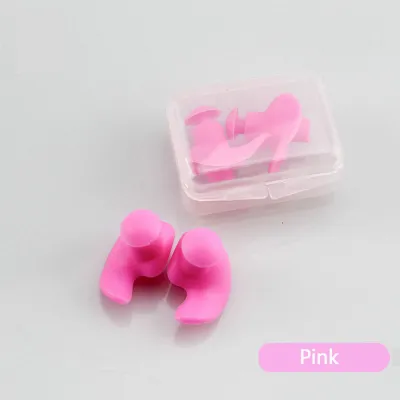
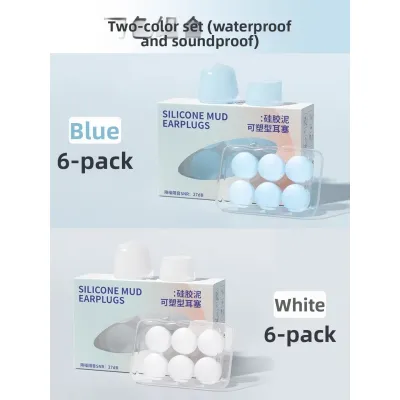
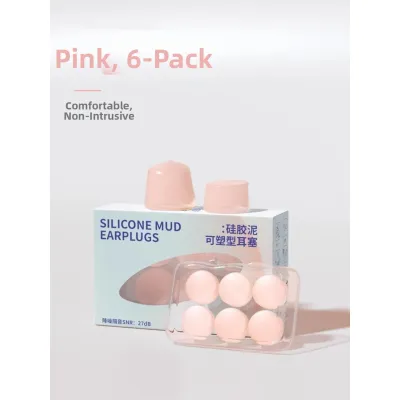
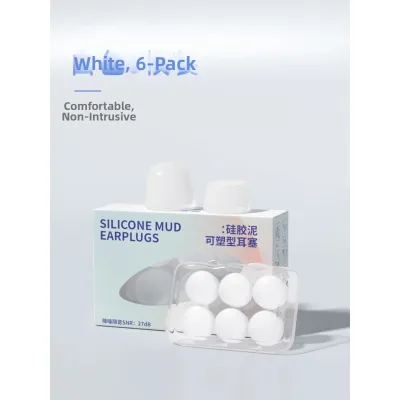
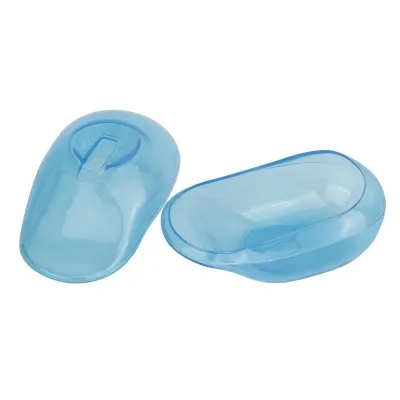
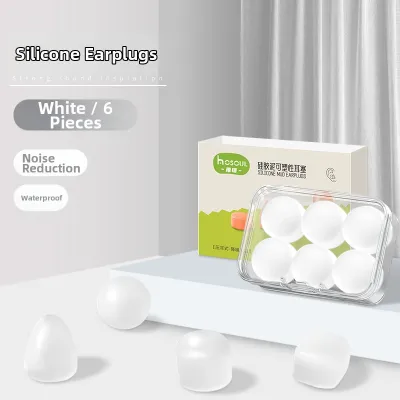
Prices are valid at publication and may change. Please refer to the product page for the latest price.
Custom-molded earplugs represent the premium tier of ear protection for water sports. Obtaining these plugs involves a professional fitting process, typically performed by an audiologist or a trained technician at a hearing clinic. The specialist injects a quick-setting, medical-grade silicone impression material into your ear canal to capture its exact shape. This impression is then sent to a laboratory, where it is used to manufacture a durable, personalized earplug made of high-grade silicone or acrylic. Because they are built to match your unique anatomy, custom-molded plugs offer an unparalleled fit and a highly reliable seal, making them a popular choice for competitive swimmers and individuals with specific ear health needs.
Comparing Seal Quality, Comfort, and Durability
When evaluating swimming earplugs, seal quality is the primary performance factor to consider. Pre-molded silicone plugs rely on the physical pressure of their flanges against the walls of your ear canal. If the plug is too small, water can easily bypass the flanges; if it is too large, it may fail to insert deeply enough to create a seal. Moldable silicone and wax plugs create a surface seal over the ear canal opening rather than inside it. While this surface seal is highly effective for casual swimming and surface strokes, vigorous movement, high-impact water entry, or heavy sweating can cause the material to slip or lose its grip. Custom-molded plugs provide the most consistent and secure seal because they mirror every curve of your ear canal, minimizing the risk of water seepage even during intense training sessions or flip turns.

Comfort is highly subjective and depends heavily on how sensitive your ear canals are to physical pressure. Many swimmers find wax earplugs to be the most comfortable option because the material softens with body heat and exerts virtually no outward pressure on the canal walls. Pre-molded silicone plugs can sometimes cause mild discomfort or ear fatigue during extended swimming sessions, especially if the silicone material is stiff or if the sizing is not a perfect match for your ear. Custom-molded plugs offer excellent long-term comfort once you adapt to the sensation of a fully sealed ear canal, as they are designed to distribute pressure evenly without any tight spots or friction points.
Durability and maintenance requirements vary significantly across the three types, directly impacting their long-term value. Pre-molded silicone plugs are highly resilient and can last for several months with basic care, requiring only a quick rinse with fresh water and mild soap after each swim. Wax earplugs are the least durable, as they cannot be washed effectively and must be discarded as soon as they become dirty, stiff, or lose their adhesive quality. Custom-molded earplugs are exceptionally durable and can last for several years if properly maintained, though they require regular cleaning with specialized solutions and must be stored in a dedicated protective case to prevent physical damage or mold growth.
| Feature | Pre-Molded Silicone | Moldable Silicone / Wax | Custom-Molded |
|---|---|---|---|
| Seal Mechanism | Internal flanges inside the canal | External surface seal over the canal | Personalized anatomical fit |
| Comfort Level | Moderate; can cause pressure | High; soft and conforming | High; tailored to individual ear |
| Lifespan | Several weeks to months | Single-use to short-term | Several years with proper care |
| Maintenance | Low; wash with soap and water | None; disposable | Moderate; regular cleaning and storage |
| Best For | Regular fitness and lap swimming | Occasional swimming and sensitive ears | Daily training and competitive swimming |
How to Match Earplugs to Your Swimming Routine
To select the right earplugs, you should evaluate your weekly swimming habits, your budget, and any specific physical needs. If you swim regularly—such as two to three times a week at a local community pool—and want a straightforward, cost-effective solution, pre-molded silicone earplugs are an excellent starting point. They are easy to slip into your swim bag, quick to insert before a workout, and simple to clean afterward.
If you are an occasional swimmer who only visits the pool during holidays or weekend outings, or if you find that standard earplugs cause discomfort or fail to stay in place, moldable wax or moldable silicone putty is highly suitable. These moldable options are also excellent for children or individuals with narrow or unusually shaped ear canals, as they do not require deep insertion and can be adjusted to fit almost any outer ear shape.
For competitive athletes, daily swimmers, or individuals who train for triathlons, investing in custom-molded earplugs is highly recommended. While they require a higher upfront cost—often ranging from S$100 to over S$200 including the professional fitting fee—their durability, secure fit, and reliable seal during high-intensity workouts justify the initial expense. They are also the preferred choice for swimmers who suffer from chronic ear conditions and must keep their ears completely dry.
Before purchasing or using any swimming earplugs, it is crucial to perform a personal health check. If you have a history of ear infections, a ruptured eardrum, or have recently undergone ear surgery (such as the insertion of tympanostomy tubes), you must consult a healthcare professional or an otolaryngologist before swimming. Standard earplugs are designed for surface swimming and are not rated for deep diving, scuba diving, or high-pressure underwater activities, as the pressure changes can cause ear injury.
Essential Fit, Care, and Safety Checks
Maintaining proper hygiene and verifying the fit of your earplugs before every swim is essential to prevent ear irritation and water-related infections. Before inserting your earplugs, perform a quick visual and tactile inspection. Check silicone plugs for any signs of tearing, cracking, stiffness, or discoloration, which indicate that the material is breaking down and needs replacement. For wax plugs, ensure they are free of hair, lint, and dirt, and verify that they are still pliable and sticky enough to form a secure seal.
Proper cleaning is vital for all reusable earplugs to prevent the buildup of bacteria, chlorine, and salt water. After each swim, wash your silicone or custom-molded earplugs with mild, unscented soap and lukewarm water. Avoid using harsh household detergents, rubbing alcohol, or boiling water, as these can degrade the medical-grade silicone. Allow the plugs to air dry completely on a clean towel in a well-ventilated area before placing them back into their protective storage case. In humid climates like Singapore, storing damp earplugs in a sealed container is especially risky, as it creates a humid environment that encourages mold and bacterial growth.
Pay close attention to how your ears feel during and after your swim. If you experience itching, pain, redness, or a sensation of trapped water, remove the earplugs immediately and dry your outer ear gently with a clean towel. Discontinue use and consult a doctor if these symptoms persist, as they may indicate an allergic reaction to the material or an early sign of an outer ear infection. Remember that while swimming earplugs are an effective preventative tool, they do not replace proper ear-drying habits or professional medical treatment.
Frequently Asked Questions (FAQ)
Can I use regular silicone earplugs for swimming?
Standard silicone earplugs designed for noise reduction or sleeping are often not suitable for swimming. While some moldable silicone putties are rated for both noise blocking and water protection, pre-molded noise-reduction plugs typically lack the specialized waterproof flanges and secure seals required to keep water out during active movement. Using non-waterproof earplugs can allow water to seep into the ear canal, trapping moisture inside and increasing the risk of infection. Always check the product packaging and manufacturer specifications to ensure the earplugs are explicitly rated for swimming and water sports.
How often should I replace my swimming earplugs?
The replacement frequency depends entirely on the material of the earplugs and how often you use them. Wax earplugs should be replaced after every few uses, or as soon as they lose their stickiness and accumulate visible debris. Pre-molded silicone earplugs generally last between one to three months of regular use, but you should replace them immediately if you notice any tearing, stiffness, or a loss of seal quality. Custom-molded earplugs can last for several years with meticulous care, though you should inspect them regularly and consider a refitting if you experience changes in your ear canal shape due to aging or weight fluctuations.

Community discussion
Share your experience or ask a question. Comments are reviewed before publication.