
Quick Answer: Which Fishing Kayak Design is Better?
Choosing between a sit-on-top and a sit-inside kayak for fishing is not about finding a single superior design. Instead, the right choice depends on your target fishing environment, the species you pursue, and your personal mobility needs. Before heading out, remember that water sports carry inherent risks; proper safety equipment, including a personal flotation device (PFD), and basic paddling skills are essential and cannot be replaced by gear alone.
Sit-on-top models are highly favored by many anglers because of their open deck layouts, ease of gear customization, and simple self-rescue capabilities. They allow you to move around freely, stand up to cast, and easily access tackle crates or rod holders.
Sit-inside models excel when you need to cover long distances quickly or fish in challenging weather. Their enclosed cockpits lower your center of gravity, which improves paddling efficiency and protects your lower body from wind, cold water, and splashing waves.
Products mentioned in this guide
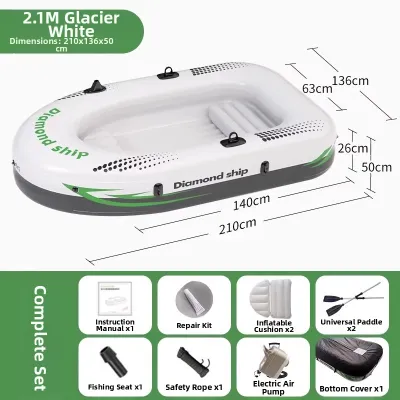
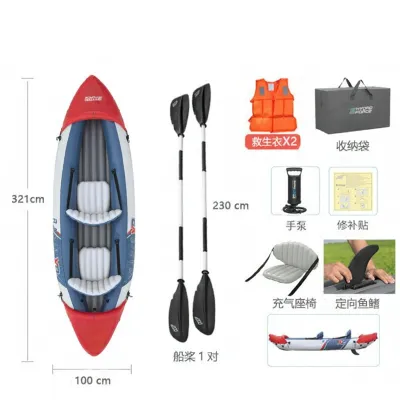
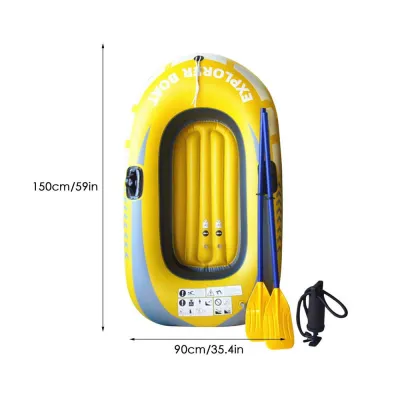
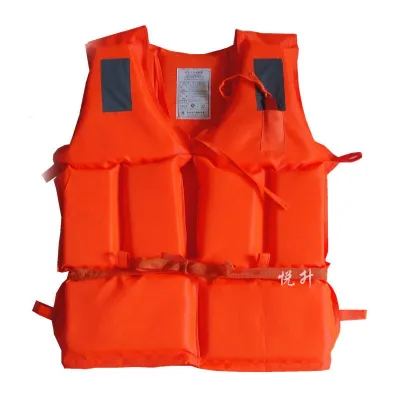
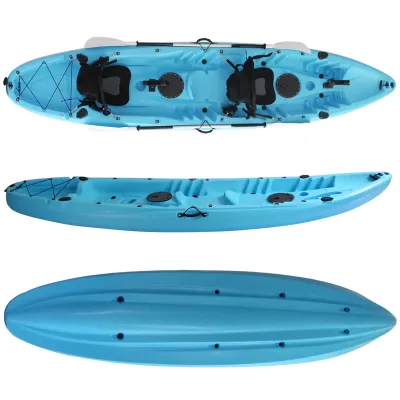
Prices are valid at publication and may change. Please refer to the product page for the latest price.
By evaluating where you plan to fish—whether in calm inland reservoirs, slow-moving rivers, or open coastal waters—you can determine which design aligns with your physical comfort and safety requirements.
Evaluating Stability and Balance for Angling
Stability is a critical factor when choosing a kayak fishing boat, as it directly impacts your safety and your ability to cast, hook, and land fish.

Anglers must distinguish between primary stability and secondary stability. Primary stability refers to how steady the kayak feels when resting flat on calm water. Secondary stability refers to the boat’s ability to resist capsizing when tilted on its side by waves or shifting body weight.
Sit-on-top kayaks typically feature a wider beam and a flatter hull design, which provides exceptional primary stability. This design allows you to shift your weight or even stand up without feeling like the kayak is about to tip over.
However, sit-on-top models position the seat higher above the waterline. This elevated seating arrangement raises your center of gravity, making the kayak more susceptible to rolling motions in choppy water or strong currents.
Sit-inside kayaks position the seat much lower, often right against the bottom of the hull. This low center of gravity enhances secondary stability, allowing the kayak to lean into waves and recover smoothly from tilts.
While sit-inside models may feel slightly more “tippy” initially when sitting still, they offer a highly secure feel when paddling through rough or windy conditions.
When reviewing manufacturer specifications, look closely at the hull shape. Pontoon or tunnel hulls offer the highest primary stability, making them ideal for standing and casting. Flat hulls provide a good balance of stability and maneuverability, while V-shaped hulls prioritize tracking and speed at the expense of initial stability.
When testing stability, it is helpful to understand how hull width correlates with paddling effort. A wider kayak provides excellent primary stability, making it easier to stand, but it also creates more drag in the water. This means you will need to exert more energy to maintain a steady pace. Conversely, a narrower hull cuts through the water with ease but requires more active balance from the angler.
Before taking a new kayak onto open water, perform a stability test in a shallow, safe area close to shore. Practice shifting your weight from side to side to find the tipping point where the secondary stability gives way. Knowing this boundary helps you avoid accidental capsizes when reaching for a fish or leaning over to untangle a line.
Comparing Accessibility, Gear Storage, and Rigging
Managing gear is one of the most demanding aspects of kayak fishing, requiring quick access to rods, tackle boxes, electronics, and safety equipment.
Sit-on-top kayaks feature an open, flat deck that serves as an excellent canvas for customization. You can easily mount gear tracks, rod holders, fish finders, and anchor trolleys within arm’s reach without obstructing your paddling path.
The open stern area of a sit-on-top model is typically designed to hold a standard milk crate or a specialized tackle system, allowing you to organize multiple gear boxes and secure them with bungee cords.
In contrast, sit-inside kayaks have an enclosed cockpit that limits your immediate deck space. While some models feature small gear tracks on the console or gunwales, your mounting options are generally more restricted.
Accessing gear stored inside the hull of a sit-inside kayak requires reaching through hatches or tucking items into the cockpit area near your feet, which can be awkward when trying to maintain balance on the water.
Water management is another key differentiator. Sit-on-top kayaks are designed with scupper holes that run completely through the deck to the water below. Any water that splashes onto the deck drains out automatically, keeping the deck dry and preventing the kayak from swamping.
Sit-inside kayaks collect water inside the cockpit. If a large wave washes over the deck, or if you experience heavy rain, you must use a manual bilge pump or a sponge to clear the water. For safety in rough conditions, sit-inside paddlers often need to wear a spray skirt to seal the cockpit opening.
When planning your gear layout on an open deck, prioritize keeping your paddling path completely clear. Many beginners make the mistake of mounting rod holders or fish finders too far forward, which can interfere with their paddle strokes. A well-designed sit-on-top kayak allows you to position these accessories slightly to the side or behind your seating area, maintaining an unobstructed range of motion.
For catch management, sit-on-top models offer dedicated tank wells that can accommodate insulated fish bags or hard-sided coolers. This is a significant advantage if you plan to keep your catch fresh. In a sit-inside kayak, storing a large fish requires placing it inside a hatch or keeping it in the cockpit with you, which can quickly become cramped and difficult to clean afterward.
Assessing Comfort, Weather Protection, and Paddling Efficiency
Spending several hours on the water requires a kayak that supports your body and protects you from the elements.
Sit-on-top kayaks offer excellent legroom and allow you to change your posture easily. Many modern models feature adjustable, lawn-chair-style seats that can be raised or lowered to suit your comfort. You can easily stretch your legs, sit sideways with your feet in the water, or transition to a standing position.
However, this open design leaves you completely exposed to the sun, wind, and water splashes. In tropical climates, this exposure means you must manage sun protection carefully, while in cooler or windier conditions, you may find yourself damp and cold.
Sit-inside kayaks provide a sheltered environment for your lower body. The cockpit walls shield your legs from cold winds, direct sunlight, and constant water splashes, making them highly comfortable for long trips in variable weather.
The trade-off is a more restricted seating position. You cannot easily stretch your legs outside the cockpit or change your posture, which can lead to stiffness during extended outings.
When it comes to paddling efficiency, sit-inside kayaks generally have the upper hand. Their narrower beams and lower seating positions reduce wind resistance, allowing you to cut through the water with less physical effort.
This efficiency makes sit-inside models highly suitable for anglers who need to paddle long distances to reach their favorite fishing spots or navigate against strong tidal currents.
Seat ergonomics play a massive role in preventing fatigue during a long day on the water. Sit-on-top kayaks often feature frame seats with breathable mesh fabric and adjustable lumbar support, which keep you elevated off the wet deck. This elevation not only keeps you dry but also reduces strain on your lower back and hips.
In a sit-inside kayak, the seating is typically integrated into the cockpit floor, which can limit your visibility and make it harder to spot fish in shallow water. However, this low position protects you from strong crosswinds that can blow a high-profile sit-on-top kayak off course. If you frequently fish in open reservoirs or coastal areas where wind is a constant factor, the reduced wind resistance of a sit-inside model can save you a significant amount of physical energy over a six-hour trip.
Decision Framework: Choosing Your Fishing Kayak
To help you decide which design fits your specific angling style, use the following decision framework based on your typical fishing scenarios.
Choose a sit-on-top kayak if:
- You plan to fish primarily in warm, shallow waters, calm lakes, or sheltered coastal bays where water splashes are refreshing rather than uncomfortable.
- You prefer to stand up while casting or sight-fishing to get a better view of the water and improve your casting distance.
- You carry a large amount of gear, tackle crates, and multiple rods that require frequent access and easy organization on an open deck.
- You want a simple, self-draining design that is easy to climb back onto from the water in the event of an accidental capsize.
Choose a sit-inside kayak if:
- You need to paddle long distances across open water, large reservoirs, or windy bays to reach your fishing spots, prioritizing speed and tracking.
- You frequently fish in cooler climates, windy conditions, or areas prone to sudden rain squalls where lower-body protection is essential to stay warm and dry.
- You prioritize speed, tracking, and paddling efficiency over standing stability and extensive gear rigging.
- You have limited storage space at home and prefer a lighter, narrower kayak that is easier to lift, transport, and store on a wall rack.
Verify first if:
- Your local launch sites have shallow obstacles or concrete ramps that require a durable hull material like rotomolded polyethylene.
- Your transport vehicle's roof rack or trailer can safely accommodate the weight and width of your chosen kayak model.
- The total weight of yourself, your fishing gear, and your safety equipment fits comfortably within the manufacturer's recommended weight limits.
Essential Pre-Purchase Checks for Any Fishing Kayak
Before finalizing your purchase of a kayak fishing boat, there are several critical specifications and safety features you must verify to ensure a safe and enjoyable experience.
First, check the manufacturer’s stated maximum weight capacity. This figure must account for your body weight, all fishing gear, anchor systems, electronics, water, and any catch you plan to bring home. For safety and optimal performance, your total load should not exceed 70% to 80% of the maximum capacity.
Second, inspect the water management features of the kayak. For sit-on-top models, verify that the scupper holes are clean, well-formed, and compatible with standard scupper plugs if you wish to keep the deck completely dry in calm waters. For sit-inside models, confirm the presence of sealed bulkheads behind the seat and in the bow, which create watertight compartments that keep the kayak afloat if the cockpit floods.
Third, evaluate the transport and storage requirements. Measure the overall length and weight of the kayak to ensure you can safely load it onto your vehicle’s roof rack or fit it inside your storage space. Heavy-duty rotomolded polyethylene hulls offer excellent durability against rocks and gravel but can be heavy to lift alone, so consider whether you will need a kayak cart for transport.
Hull material is another critical factor that affects both durability and transport. Most fishing kayaks are made from rotomolded polyethylene, which is incredibly tough and can withstand scrapes against rocks, gravel, and concrete launch ramps. However, this material is heavy, often making the kayak difficult to lift onto a car roof without assistance.
If weight is a primary concern, look into thermoformed ABS plastic models. These kayaks offer a glossy finish and are significantly lighter than rotomolded options, making them easier to transport and launch. However, they are generally more expensive and may require more careful handling around sharp rocks. Always verify the weight of the bare kayak versus its fully rigged weight to ensure you can manage it safely on land.
Frequently Asked Questions (FAQ)
Can I convert a regular recreational kayak into a fishing kayak?
Yes, you can modify a standard recreational kayak for fishing by installing aftermarket accessories such as clamp-on rod holders, gear tracks, and deck bungees. Many online marketplaces and specialty outdoor retailers sell universal rigging kits designed for this purpose.
However, you must keep in mind the inherent limitations of recreational hulls. Standard recreational kayaks often lack the flat hull profiles needed for standing stability and have lower weight capacities than purpose-built fishing models, so you must monitor your total gear weight carefully.
Do sit-on-top kayaks sink if they flip over?
Sit-on-top kayaks are highly resistant to sinking because they are constructed with a sealed, hollow hull that traps a large volume of air. Even if the deck is completely submerged or the kayak flips over, the hull remains buoyant.
If you capsize in deep water, the self-draining scupper holes will allow water to escape once the kayak is flipped upright. To recover, slide your body across the deck, swing your legs over, and sit back up in the seat, ensuring you always wear a properly fitted personal flotation device.
Community discussion
Share your experience or ask a question. Comments are reviewed before publication.