
To fit a magnetic rower into a typical Singapore Housing & Development Board (HDB) flat without blocking walkways, you generally need a clear floor area of at least 2.2 meters in length and 1.2 meters in width during use. While a compact magnetic rower’s physical frame often measures between 1.8 and 2.1 meters long, the active footprint expands during a workout to accommodate your body’s rearward lean and elbow extension. Finding the right size requires balancing your physical height with the layout of your living space.
Measuring Your Available Space and Walkway Clearances
HDB flats feature multi-functional living spaces where furniture placement dictates the flow of daily foot traffic. Before purchasing any cardio equipment, map out your primary workout zone. Use a physical measuring tape rather than relying on visual estimation. Measure the maximum length and width of the floor space, keeping in mind the swing radius of nearby doors, wardrobe panels, and the clearance needed for television consoles or dining tables.
Maintaining unobstructed walkways is a matter of both convenience and safety. In a household setting, a minimum clearance of 0.6 meters should be preserved on at least one side of the rower to allow family members to walk past without tripping. If the rower is placed parallel to a main corridor or a pathway leading to the kitchen or bedrooms, this buffer prevents the user’s moving arms or the sliding seat from encroaching into common transit zones.
Products mentioned in this guide
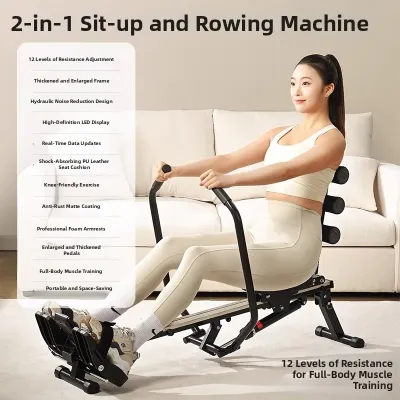
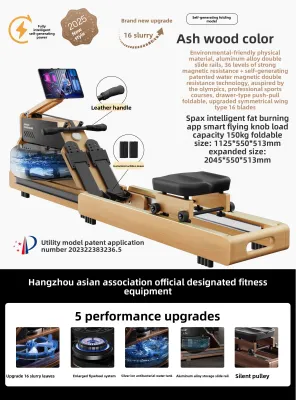
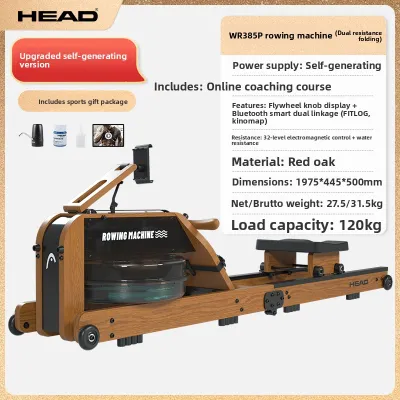
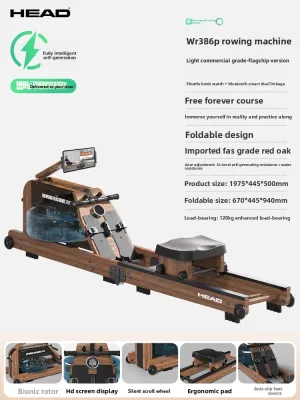
Prices are valid at publication and may change. Please refer to the product page for the latest price.
Do not measure solely for the machine’s static metal frame. A proper rowing stroke involves three distinct phases: the catch, the drive, and the finish. During the finish, your torso leans back slightly past the vertical plane, and your elbows flare outward. This natural movement means your body will physically extend beyond the rear of the seat rail and the sides of the center frame. Add an extra 30 centimeters of spatial buffer to the rear of the rail and 15 centimeters to each side to prevent your head, shoulders, or elbows from striking walls or furniture.
Understanding Magnetic Rower Dimensions and Footprints
When browsing product specifications on an online marketplace or manufacturer website, it is easy to confuse static dimensions with the active footprint. The assembled dimensions represent the machine at rest. However, the active footprint is the total dynamic area required when the machine is in operation. Because magnetic rowers rely on a front-mounted flywheel housing and a long horizontal rail, the center of gravity remains relatively constant, but the user’s body movement dynamically increases the required operating envelope.

The rail length is the most critical factor determining whether a rower can accommodate your height. The sliding seat must travel far enough back to allow full leg extension without hitting the rear stopper. If you have a longer inseam, you will require a longer rail, which directly increases the machine’s overall length. To verify compatibility, check the manufacturer’s specified maximum user height or maximum seat travel distance. Attempting to use a rail that is too short forces an incomplete stroke, reducing workout efficiency and placing unnecessary strain on your joints.
For many HDB dwellers, vertical storage is the only viable way to keep a rower long-term. Standard HDB ceiling heights typically range from 2.6 to 2.8 meters, though some units with false ceilings may have lower clearances. Before planning to store a rower upright, measure the exact distance from your floor to the lowest ceiling obstruction, such as light fixtures or ceiling fans. Compare this measurement against the machine’s maximum standing length to ensure it can be raised fully upright without damaging your home’s fixtures.
Evaluating Storage and Folding Options for Small Apartments
Magnetic rowers generally offer two main space-saving designs: folding frames and upright standing frames. Folding models typically feature a hinge mechanism in the middle of the rail, allowing the rear half to fold upward or collapse toward the flywheel housing. Upright standing models do not fold but are designed with flat, reinforced front stabilizers that allow the entire machine to be tipped forward and stored vertically. Your choice should depend on your physical ability to lift, pivot, and secure the machine, as some magnetic flywheels can make the front housing quite heavy.
Maneuvering a heavy piece of fitness equipment across delicate HDB flooring requires built-in transport wheels. Check the design of the front stabilizer bar to ensure the wheels are made of a non-marking material, such as polyurethane, which protects vinyl, parquet, or polished tile floors from scratches. The stability of the base when stored is equally vital. A wide, low-profile front stabilizer provides a secure foundation, preventing the upright machine from wobbling or tipping over if accidentally bumped by a family member or pet.
Before committing to vertical storage, consult the manufacturer’s manual regarding weight distribution and structural guidelines. Some magnetic rowers require specific locking pins, safety straps, or wall-anchoring brackets to remain secure when upright. Never assume a rower can stand vertically unless the manufacturer explicitly states it is designed for upright storage. Storing an unapproved model vertically can cause internal magnetic components to shift or place excessive stress on frame joints not rated for vertical load distribution.
Creating Your Space-Matching Checklist Before Buying
To avoid the hassle of returning a bulky item, compile a structured pre-purchase checklist. Start by recording your measured room dimensions, including the maximum length, width, and ceiling height of your intended workout and storage zones. Next, note the required walkway buffers (0.6 meters of clearance) and the extra spatial buffers needed for your body’s movement. Having these numbers on a single reference sheet allows you to quickly filter out oversized commercial-grade rowers that are better suited for spacious gyms.
Cross-reference your home’s physical limits with the official product specifications of the magnetic rower you are considering. Verify the active footprint (including user body clearance), the stored footprint (the exact floor space occupied when folded or stood upright), and the total unit weight. If you live in an upper-floor HDB flat, the total weight of the machine is also an important factor for ease of delivery and assembly, especially if your block’s lift lobby has specific access restrictions.
Finally, plan for floor protection and noise management. Even though magnetic rowers are among the quietest cardio machines due to their frictionless magnetic resistance, the sliding seat and the vibration of the frame can still transmit low-frequency noise through concrete HDB floors. Select a high-density rubber or PVC equipment mat that matches the active footprint of the rower. This mat not only dampens sound and vibration for the neighbors below but also protects your flooring from sweat, scuffs, and indentation marks left by the machine’s stabilizers.
Frequently Asked Questions (FAQ)
How much extra clearance is needed behind the rower for the sliding seat?
To calculate the necessary rear buffer zone, you must account for both the physical rail length and your body’s natural lean during the finish phase of the stroke. Generally, you should plan for an additional 30 to 45 centimeters of clear space behind the rear stopper of the seat rail. This buffer ensures that as you extend your legs fully and lean back, your head and shoulders do not make contact with walls or furniture. Always consult the product manual to verify the maximum seat travel distance and ensure your leg length does not exceed the safe operating limits of the rail.
Is it safe to store a magnetic rower upright in a high-traffic household area?
Storing a magnetic rower upright in high-traffic areas, such as narrow corridors or busy living rooms, is generally not recommended unless the machine is securely anchored. You must verify that the manufacturer explicitly approves upright storage and provides a stable, counterbalanced base design. To minimize tipping hazards, place the stored rower in a low-traffic alcove, a dedicated corner, or behind a structural pillar. If you have children or pets in the household, use a safety strap or wall anchor to prevent the machine from being accidentally knocked over, ensuring a safe home environment.
Community discussion
Share your experience or ask a question. Comments are reviewed before publication.