
To fit an electric stepper machine into a Singapore HDB flat without blocking walkways, you must select a machine whose operational footprint—not just its static base—leaves a clear path for daily foot traffic. Typically, this means choosing a compact or foldable model that can be tucked away when not in use, or dedicating a specific corner that does not intersect with main household thoroughfares. The key is to measure your available floor space, account for the vertical rise of the machine, and factor in safety clearances before making a purchase.
Balancing home fitness goals with the spatial realities of high-density living requires careful planning. Unlike larger landed properties, HDB apartments demand highly efficient layouts where every square meter serves a purpose. Introducing a piece of motorized cardio equipment without measuring beforehand can quickly turn a comfortable living room or bedroom into a cramped, hazardous environment.
Measuring Your HDB Floor Space and Constraints
Before browsing online marketplaces or visiting local fitness showrooms, you must identify and measure the exact area where you plan to exercise. Use a physical measuring tape to record the length and width of this designated zone. Relying on visual estimation often leads to purchasing equipment that is slightly too large, disrupting the flow of your room.
Products mentioned in this guide
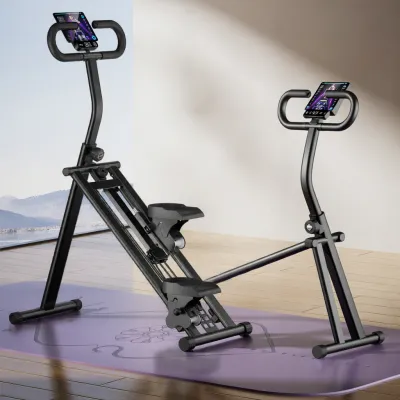
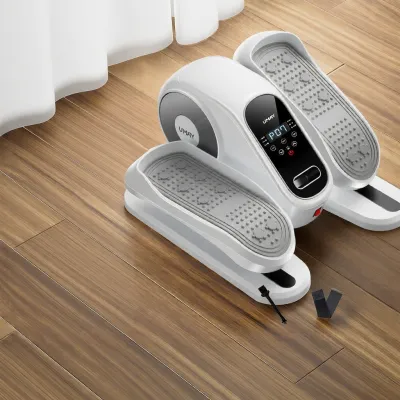
Prices are valid at publication and may change. Please refer to the product page for the latest price.
Physical constraints in an HDB flat often extend beyond the flat floor surface. You must account for door swings, wardrobe panels, low window sills, and existing furniture placement. Ensure that your measurements leave enough room for doors to open fully without striking the equipment, and that you can still access storage spaces comfortably.
Vertical space is another critical factor for stepper machines. Unlike flat treadmills, steppers elevate your body as you exercise. To calculate your required vertical clearance, add your own height to the maximum pedal elevation of the machine, then compare this total to your ceiling height. This calculation ensures you will not hit your head on ceiling fans, light fixtures, or low-hanging beams during a high-intensity workout.
Do not forget to account for floor skirting boards and wall trim when measuring. These architectural features can reduce your usable floor width by a few centimeters on each side. Measuring from the edge of the skirting board rather than the bare wall provides a more accurate representation of the available floor space.
Decoding Stepper Machine Footprints and Clearances
A common mistake when purchasing fitness equipment is looking only at the static dimensions listed on the product page. The base footprint represents the machine when it is turned off and idle. However, the operational footprint is significantly larger, as it must accommodate the full travel of the pedals and any outward swing of the handlebars.

Electric stepper machines also require adequate ventilation to operate safely. The internal motor and electronic components generate heat during use. Check the product manual to verify the manufacturer’s recommended clearance around the motor housing, which prevents overheating and prolongs the lifespan of the machine.
Always verify the units of measurement used in product specifications. Some manufacturers list dimensions in inches or centimeters, while others use millimeters. Convert these figures carefully to match your home measurements, ensuring you do not accidentally purchase a machine that is larger than your allocated space.
In addition to horizontal clearance, consider the user’s body sway. When exercising on a stepper, your body naturally moves slightly forward, backward, or side-to-side. Adding a buffer of at least fifteen to twenty centimeters around the operational footprint will accommodate this natural movement without the risk of brushing against walls or furniture.
Comparing Foldable and Compact Form Factors
For HDB residents who cannot dedicate a permanent spot to fitness equipment, foldable or collapsible electric steppers offer a practical solution. When evaluating these models, look closely at their folded thickness. A machine that folds flat can easily slide under a bed frame or fit into a narrow utility closet.
If you plan to store the machine upright, check whether it features a secure self-standing mechanism or locking latch. A heavy stepper that relies solely on balancing against a wall poses a safety hazard, especially in households with children or pets. Ensure the locking mechanism is robust and easy to engage.
Transport wheels are essential for any portable fitness equipment. Verify that the wheels are made of a material that will not scratch or scuff your flooring, such as polyurethane, and that they allow for easy maneuvering across rugs or door thresholds. This makes the transition from storage to workout zone quick and effortless.
Keep in mind that ultra-compact designs and folding hinges often involve structural trade-offs. Lightweight frames may have lower maximum weight capacities or feel less stable during vigorous workouts. Check the manufacturer’s specifications to ensure the frame’s structural integrity matches your body weight and exercise intensity before prioritizing portability.
Ensuring Safe Walkways and Household Traffic Flow
Maintaining clear walkways is not just about convenience; it is a fundamental safety requirement. A stepper machine should never be placed in a way that forces family members to squeeze past it. Leave a clear buffer zone around the machine to allow for safe mounting, dismounting, and quick emergency stops.
Positioning equipment in main corridors or near entryways can block critical evacuation routes in the event of an emergency. Ensure that your workout setup complies with standard household safety practices by keeping all primary pathways entirely unobstructed. This is especially important in multi-generational HDB households where elderly residents or young children reside.
Power cords present a significant tripping hazard in shared living spaces. If your electric stepper machine requires a continuous power connection, plan your layout so the cord runs directly along a wall to the nearest outlet. Avoid stretching cords across active walkways where they can be easily tripped over or damaged.
Use cord covers or cable organizers to secure loose wires and keep them flat against the floor. If the nearest outlet is too far, consider using a heavy-duty extension cord rated for motorized appliances, and tape it down securely to prevent any movement.
Building Your Space-Matched Equipment Shortlist
To find the perfect fit, start by calculating your maximum allowable machine dimensions. Take the total measured area of your workout space and subtract the required safety clearances on all sides. This gives you a strict boundary box for both the static and operational footprints.
Use these precise limits to filter options on online marketplaces or retailer websites. Discard any models that exceed your maximum width, length, or height boundaries, regardless of how appealing their other features might be. This disciplined approach prevents buyer’s remorse and ensures a seamless fit.
Once you have a shortlist of potential machines, download their official user manuals from the manufacturer’s website. Cross-reference your home measurements with the exact operational clearances specified by the brand to make your final, confident selection.
Finally, consider the delivery and assembly process. Some electric stepper machines are delivered fully assembled, while others require on-site setup. Ensure that the packaged box can fit through your HDB front door and lift lobby, and that you have sufficient space in your flat to assemble the machine safely.
Frequently Asked Questions (FAQ)
Can I keep an electric stepper machine in the HDB corridor?
Storing or using fitness equipment in common HDB corridors is generally restricted due to strict fire safety regulations. Corridors must remain clear to ensure residents can evacuate safely during an emergency. It is best to check with your local Town Council for specific bylaws regarding common property usage.
Do foldable stepper machines require assembly every time?
Most modern foldable stepper machines do not require complete disassembly after each use. Instead, they utilize quick-release pins or folding hinges that allow you to collapse the frame in a few simple steps. Always inspect these locking mechanisms for wear and tear before starting your workout to ensure the frame is securely locked in place.
How much space is needed behind the machine for safety?
The exact safety clearance required behind an electric stepper machine varies by model. You should always consult the manufacturer’s user manual for specific guidelines. Generally, the rear space must be completely clear of walls and furniture to allow you to step off the machine safely and accommodate the full range of pedal movement.
Community discussion
Share your experience or ask a question. Comments are reviewed before publication.