
Selecting the right medicine ball depends entirely on your training style, fitness goals, and workout environment. Choosing a slam ball is ideal for high-impact floor drops, while a wall ball is designed specifically for high-velocity rebound throws. For controlled core work, rotational training, and foundational strength movements, a standard medicine ball remains the most suitable option. Because each type is engineered with distinct shell materials, interior fillings, and bounce characteristics, using the wrong ball can damage your equipment, scuff your walls, or lead to avoidable injuries.
In a home gym setting, such as a typical apartment or residential flat in Singapore, space constraints and noise levels are critical factors when choosing fitness gear. Dropping a heavy slam ball on a tiled floor without proper matting can crack the surface and disturb neighbors, while throwing a standard rubber ball against a drywall can cause structural damage. Understanding how these training tools behave upon impact allows you to select the correct equipment for your space, ensuring your workouts remain safe, effective, and respectful of your surroundings.
Understanding the Core Differences in Design and Bounce
To make an informed purchase, you must first understand how shell materials, interior fillings, and bounce dynamics dictate the behavior of each ball. The outer shell of these fitness tools ranges from thick, textured rubber to soft, padded synthetic leather. These materials do not just determine how durable the ball is; they also directly affect your grip security when your hands become sweaty during high-intensity training.
Products mentioned in this guide
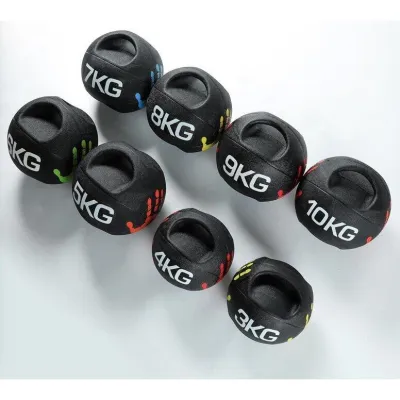
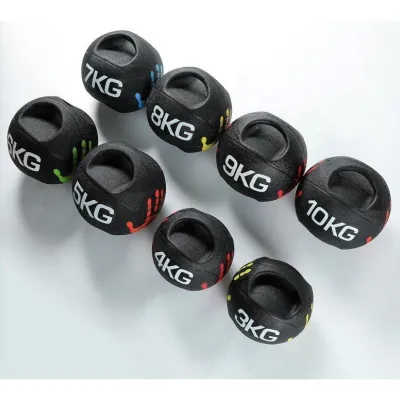
Prices are valid at publication and may change. Please refer to the product page for the latest price.
Bounce characteristics, often categorized as “dead bounce” or “active rebound,” represent the most critical functional difference. A dead-bounce ball is engineered to absorb almost all kinetic energy upon impact, stopping dead on the floor without bouncing back. Conversely, an active-rebound ball retains its shape and returns energy, bouncing back toward the user or off a solid wall. Choosing the wrong bounce profile for an exercise can disrupt your workout flow or cause the ball to rebound unexpectedly into your face.
Weight distribution also varies significantly across these three categories. Some balls feature a shifting sand or iron-sand interior that moves during flight, forcing your stabilizing muscles to work harder to maintain balance. Others utilize a solid rubber core or uniform foam padding that keeps the center of gravity perfectly centered. These design choices directly influence how easy the ball is to catch, hold, and throw during rapid, repetitive movements.
Slam Balls: Built for High-Impact Floor Exercises
Slam balls are specifically engineered to withstand maximum downward force without rupturing or bouncing back. They are the primary choice for explosive, full-body movements such as overhead floor slams, rotational floor throws, and heavy ground-to-shoulder lifts. Because they do not rebound, they force you to bend down and pick them up for every repetition, which increases the cardiovascular demand of your workout.

The key specifications of a quality slam ball include a thick, heavy-duty rubber or polyvinyl chloride (PVC) outer shell. This shell is often textured with a tire-tread pattern to provide a secure grip even during humid training sessions. Inside, the ball is filled with fine sand or iron dust, leaving a small amount of empty space so the filling can shift upon impact, which instantly deadens any potential bounce.
However, these design features also limit the versatility of the slam ball. Because they have zero bounce, they are highly inefficient for continuous wall ball shots or rapid partner passes where a quick return is required. Additionally, throwing a heavy slam ball repeatedly against a standard residential wall can cause significant structural damage, meaning these tools are best reserved for solid concrete floors protected by thick rubber gym mats.
Wall Balls: Designed for Rebound and Throwing Drills
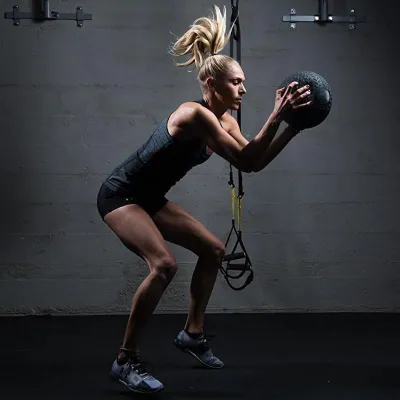
Wall balls are large, padded training tools designed specifically for high-velocity throwing and catching exercises. The most common movement associated with this equipment is the classic wall ball shot, where you perform a full squat and then throw the ball upward against a target on a wall. This exercise targets the lower body, core, and shoulders simultaneously, making it a staple in high-intensity functional fitness routines.
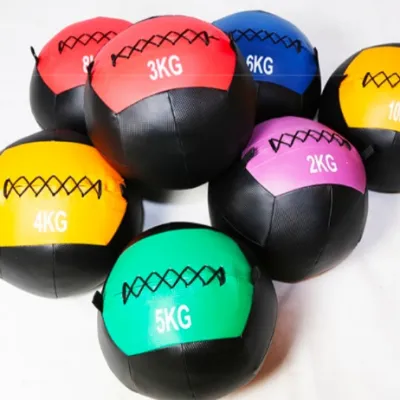
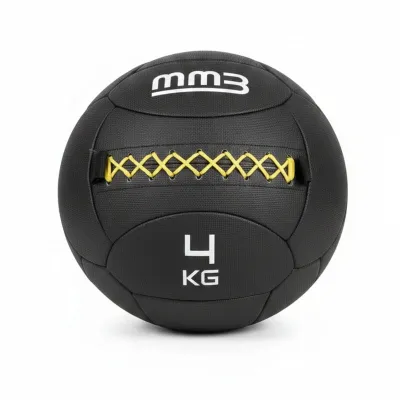
To ensure safety during high-speed catches, wall balls feature a soft, padded outer shell typically constructed from heavy-duty vinyl, nylon, or synthetic leather. The interior is packed with dense foam layers surrounding a weighted core, which helps the ball maintain its shape while cushioning the impact if it accidentally strikes your chest or face. They also feature a uniform, large diameter (usually around 35 centimeters) regardless of their weight, allowing you to maintain consistent throwing mechanics as you progress to heavier loads.
Despite their durability against vertical walls, wall balls have clear physical limitations. They are not built to withstand the concentrated, high-velocity downward force of overhead floor slams, which can split the stitched seams and cause the inner padding to shift permanently. Furthermore, using a soft-shelled wall ball on rough outdoor surfaces like concrete, gravel, or asphalt will quickly abrade the synthetic leather cover, leading to premature tearing and structural failure.
Standard Medicine Balls: Best for Controlled Strength and Core Work
Standard medicine balls, often referred to as classic or traditional medicine balls, are highly versatile tools best suited for controlled, moderate-tempo strength training. They are ideal for foundational exercises such as Russian twists, weighted sit-ups, standing rotational twists, and single-leg deadlifts. Because they are typically smaller than wall balls, they are much easier to hold close to your torso or grip with one hand during complex movement patterns.
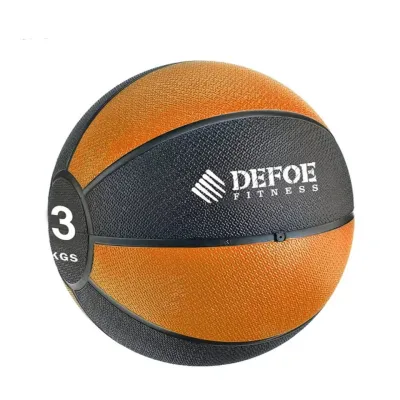
These traditional balls are usually constructed from solid rubber, polyurethane, or dense composite materials, giving them a firm texture and a moderate to high rebound capacity. Some models are designed with built-in ergonomic handles, allowing you to use them similarly to a kettlebell or dumbbell for single-arm rows, swings, and presses. The grippy, textured rubber surface ensures that you can maintain a firm hold during rotational core exercises.
However, standard medicine balls are not designed for high-impact slamming or high-velocity wall throws. The hard rubber shell can bounce back with unpredictable speed and force, posing a significant injury risk if you are not prepared to catch it. Additionally, repeated high-impact drops on hard surfaces can cause the internal air bladder to rupture or the outer shell to crack, rendering the ball unusable.
Quick Comparison Matrix for Your Training Style
Before purchasing a medicine ball, it is helpful to compare how each type performs across key functional categories. The table below outlines the primary differences in bounce, material, and usage to help you match the equipment to your specific fitness routine.
| Ball Type | Bounce Level | Shell Material | Primary Use Case | Exercises to Avoid |
|---|---|---|---|---|
| Slam Ball | Dead Bounce (None) | Thick, textured rubber | Overhead floor slams, heavy carries | Wall rebounds, rapid partner passes |
| Wall Ball | Dampened Rebound | Padded synthetic leather | Wall target shots, chest passes | Overhead floor slams, outdoor concrete use |
| Standard Medicine Ball | Moderate to High Rebound | Solid rubber or polyurethane | Rotational core work, controlled strength | High-impact floor slams, high-velocity wall throws |
Always verify the manufacturer’s specific weight, impact ratings, and warranty conditions before purchasing. Some brands offer specialized hybrid designs, but standard models should strictly be used for their intended exercise categories to prevent premature wear and ensure user safety.
How to Select the Right Weight and Size
Selecting the correct weight and size is crucial for maintaining proper exercise form and preventing joint strain. A common mistake is purchasing a ball that is too heavy, which often leads to compromised spinal alignment during rotational movements or throws. As a general guideline, you should select a weight that allows you to perform your exercises with speed, control, and a full range of motion.
For explosive, high-velocity movements like wall ball shots or overhead slams, speed and power output are more important than absolute resistance. For these exercises, lighter weights—typically ranging from 4 kilograms to 8 kilograms—are highly effective for most fitness levels, allowing you to maintain a rapid tempo without sacrificing form. For slow, controlled strength movements like weighted lunges or deadlifts, you can safely transition to heavier options.
Physical size and diameter also play a significant role in grip comfort and handling. Standard medicine balls are compact and easy to grip for individuals with smaller hands, whereas wall balls maintain a large, uniform diameter that requires a two-handed, chest-facing hold. Before finalizing your purchase, check the product specifications for the exact diameter and ensure you have a safe, clear space in your home or gym to store and use the equipment.
Maintenance and Safety Checks Before Every Workout
Regular maintenance and pre-workout inspections are essential to ensure your training equipment remains safe to use. Before starting any exercise routine, perform a quick visual inspection of your medicine ball. Check for any signs of seam splitting, surface tears, or air leaks, especially on soft-shelled wall balls and sand-filled slam balls. If you notice any structural compromises, stop using the ball immediately to prevent it from rupturing during a high-force movement.
Cleaning your equipment regularly will help preserve the integrity of the outer shell, especially in warm, humid climates where sweat can quickly accumulate. For rubber slam balls and standard medicine balls, a simple wipe-down with a damp cloth and mild soap is sufficient. For synthetic leather wall balls, avoid soaking the material; instead, use a lightly damp microfiber cloth to clean the surface, and allow it to air dry completely in a well-ventilated indoor space away from direct sunlight.
If a ball exhibits uneven weight distribution, bulging, or a damaged valve, do not attempt to repair it yourself with tape or household adhesives. These temporary fixes can fail under pressure, leading to sudden spills of sand or internal filling during a workout. In such cases, consult the manufacturer’s warranty guidelines or replace the ball to maintain a safe training environment.
Frequently Asked Questions (FAQ)
Can I use a slam ball for wall ball exercises?
No, using a slam ball for wall ball exercises is highly inefficient and can be unsafe. Because slam balls are designed with a dead-bounce filling, they will not rebound off the wall back to your hands, forcing you to catch a heavy, dead weight on its downward trajectory or pick it up from the floor after every throw. Additionally, the hard rubber shell of a slam ball can scuff or damage standard drywall, whereas wall balls are specifically padded to protect both the user and the wall surface.
How do I know if a medicine ball is safe for outdoor use?
To determine if a medicine ball is suitable for outdoor workouts, you should check the manufacturer’s product specifications for weatherproofing, UV resistance, and surface recommendations. Textured rubber slam balls are generally the most resilient option for outdoor use on grass or rubberized playground flooring, but they will still experience accelerated wear if repeatedly slammed on rough concrete or asphalt. Soft-shelled wall balls made of synthetic leather should not be used outdoors on abrasive surfaces, as rough ground will quickly tear the outer stitching and ruin the ball.
Community discussion
Share your experience or ask a question. Comments are reviewed before publication.