
Choosing the right knee support depends on matching your specific pain location, activity demands, and required stability level. Using the wrong type can restrict your natural movement or fail to protect the joint, making a quick self-assessment the crucial first step before you buy. This guide will help you identify whether a compression sleeve, patellar strap, or structural brace is the right tool for your body and your sport.
Understanding how each support functions allows you to make an informed decision that aids recovery and performance. While some options offer mild compression to keep the joint warm, others provide rigid structural reinforcement to prevent unwanted lateral movement. By evaluating your daily physical demands and pain signals, you can select a product that offers the exact balance of flexibility and protection you need.
Identify Your Knee Pain and Activity Signals
To choose the correct knee support, you must first pinpoint where you feel discomfort and analyze the physical demands of your activities. Pain is your body’s signaling mechanism, and different locations point to distinct mechanical issues within the joint. Mapping these signals accurately ensures you do not buy a support that is either too restrictive or completely inadequate.
Products mentioned in this guide
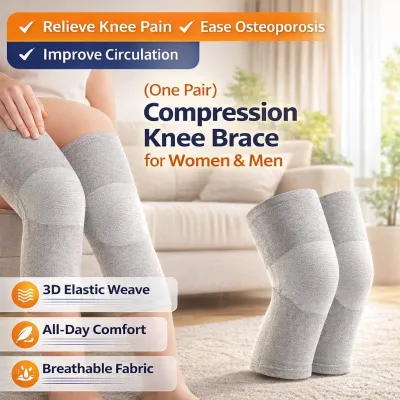
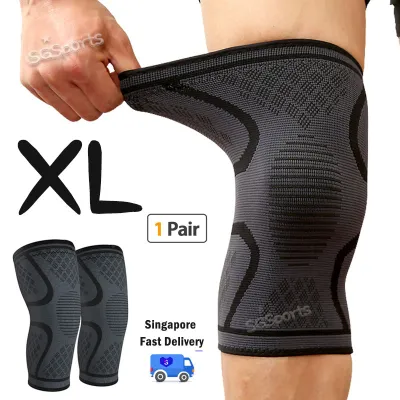
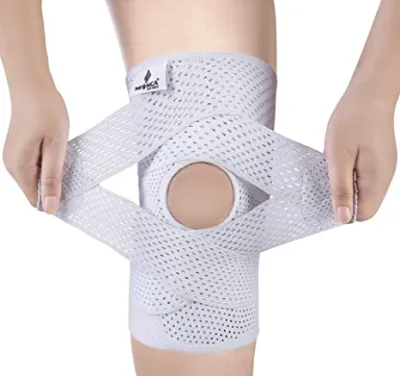
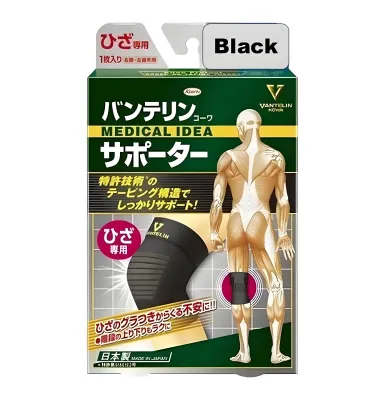
Prices are valid at publication and may change. Please refer to the product page for the latest price.
If your discomfort is concentrated directly below the kneecap, it often points to tendon strain from repetitive jumping or running. General joint stiffness, mild swelling, or a dull ache throughout the entire knee area usually indicates minor inflammation or muscle fatigue. Conversely, side-to-side instability, a feeling that your knee might “give way,” or sharp pain during twisting movements suggests a potential ligament issue that requires structural reinforcement.
Your choice must also align with the specific movements of your sport or daily routine. Linear activities like running, cycling, or walking involve predictable, repetitive motions that benefit from warmth and mild compression. Heavy loading activities, such as squats or weightlifting, place high compressive forces on the joint, requiring enhanced joint awareness. Lateral agility sports, including badminton, tennis, or basketball, involve sudden stops and directional changes that place intense rotational stress on the knee.
Before purchasing any support, it is vital to establish clear safety boundaries. If you experience severe, sharp pain, sudden and significant swelling, or joint locking where you cannot bend or straighten your leg, do not attempt to self-treat with an over-the-counter support. These symptoms indicate a potentially serious injury that requires immediate rest and a consultation with a qualified healthcare professional.
Knee Sleeves: Compression and Mild Support
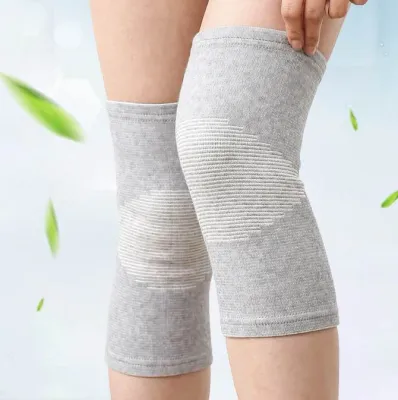
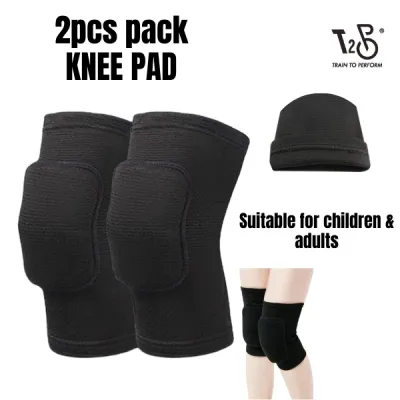
Knee sleeves are slip-on elastic or neoprene sleeves designed to slide over the foot and sit snugly around the joint. They are the most common type of knee support and are widely used for general fitness and daily wear. Rather than mechanically stabilizing the joint, they work primarily through compression and heat retention.

The primary benefit of a knee sleeve is improved proprioception, which is your brain’s ability to sense the position and movement of your joint. This increased sensory feedback helps you maintain proper form during exercises like squats or lunges. Additionally, the compression increases local blood flow and retains therapeutic warmth, which helps reduce minor stiffness and keeps the joint lubricated during repetitive movements.
However, knee sleeves have clear structural limitations. Because they are made of flexible fabric without rigid inserts, they do not offer physical resistance against lateral movement or twisting forces. If you are recovering from a moderate to severe ligament tear, a sleeve will not provide the mechanical stability needed to protect the joint from re-injury.
When shopping for a knee sleeve, pay close attention to fit and material specifications. A sleeve that is too tight can restrict blood flow and cause discomfort, while one that is too loose will slide down during movement and fail to provide effective compression. In Singapore’s warm and humid climate, look for breathable, moisture-wicking knit fabrics or perforated neoprene to prevent sweat accumulation and skin irritation.
Patellar Straps: Targeted Tendon Relief
Patellar straps, also known as knee straps or patellar bands, are minimalist supports that wrap tightly around the leg just below the kneecap. Unlike sleeves that cover the entire joint, these straps are highly focused tools designed to address a very specific type of localized discomfort.
These straps are ideal for managing conditions commonly referred to as runner’s knee or jumper’s knee, where repetitive impact irritates the patellar tendon. By applying direct, localized pressure to the tendon, the strap slightly alters the angle at which the tendon sits over the kneecap. This mechanical adjustment redistributes the forces traveling through the joint, significantly reducing the strain placed on the tendon during high-impact activities.
The minimalist design of a patellar strap offers several practical advantages. It allows your knee to bend and straighten through its full range of motion without any restriction, making it highly comfortable for long-distance running or court sports. It also covers very little skin, which minimizes heat retention and sweat buildup during intense workouts.
Despite these benefits, a patellar strap is not a general-purpose support. It provides absolutely no lateral stability, does not assist with joint alignment, and cannot manage overall joint swelling. If your pain is located on the sides of your knee, behind the kneecap, or accompanied by a feeling of joint instability, a patellar strap will not provide the relief or protection you require.
Knee Braces: Structural Stability and Recovery
Knee braces are robust, structural supports that utilize straps, hinges, or rigid side stabilizers to physically limit joint movement. They are designed for individuals who require significant joint protection due to chronic instability, moderate to severe ligament sprains, or post-operative recovery.
The primary purpose of a structural knee brace is to prevent harmful movements, such as lateral shifting or hyperextension, while allowing safe, linear bending. Hinged knee braces feature metal or plastic joints on either side of the knee, mimicking the natural movement of the joint while blocking side-to-side wobbling. Wrap-around designs allow for a highly customizable fit, making them easier to put on over swollen joints or clothing.
While braces offer the highest level of protection, they come with notable trade-offs that you must consider before buying. They are significantly bulkier and heavier than sleeves or straps, which can slow down your movements and restrict your natural range of motion. The rigid components and multiple straps can also cause chafing or skin irritation if they are not fitted and adjusted correctly.
Because structural braces exert significant control over joint mechanics, they should be selected and used with care. Relying on a rigid brace for everyday activities without professional guidance can lead to muscle weakness, as the surrounding muscles may stop working to stabilize the joint. For severe injuries or long-term recovery, always consult a physiotherapist or doctor to determine the exact type of brace and range-of-motion limits required for your condition.
Decision Matrix: Matching Your Condition to the Right Support
To help you make the right purchase decision, use the comparison table below to match your primary pain signals and activity types to the most suitable category of knee support.
| Primary Pain Signal | Activity Type | Recommended Support | Key Benefit |
|---|---|---|---|
| General stiffness, dull ache, mild swelling | Running, weightlifting, walking, daily chores | Knee Sleeve | Retains warmth, improves joint awareness, mild compression |
| Pain directly below the kneecap | Jumping, running, court sports, stair climbing | Patellar Strap | Applies targeted pressure to reduce tendon strain, maximum mobility |
| Side-to-side instability, giving way, ligament recovery | Post-injury sports, high-impact lateral movements | Knee Brace | Provides physical structural stability, prevents harmful lateral movement |
Before finalizing your purchase, complete this quick pre-purchase checklist to ensure a proper fit and a smooth buying experience:
- Measure Accurately: Use a flexible tape measure to find your knee circumference at the exact points specified by the manufacturer's sizing chart, as sizing varies significantly between brands.
- Check Return Policies: Ensure the retailer allows exchanges or returns, as finding the perfect fit often requires trying the support on at home.
- Verify Material Care: Check if the support is machine washable or requires hand washing, especially if you plan to use it frequently in humid conditions.
Always remember that any knee support is an auxiliary tool designed to assist your movement. It should be used in conjunction with targeted strength training, flexibility exercises, and proper recovery protocols, rather than as a permanent replacement for professional medical care.
Frequently Asked Questions (FAQ)
Can I wear a knee support all day?
Whether you can wear a knee support all day depends entirely on the type of support and your specific physical condition. Light compression sleeves are generally safe for extended wear during daily activities, provided they fit correctly and do not restrict your blood flow. However, rigid or hinged braces should only be worn during physical activity or as directed by a healthcare professional, as prolonged use can lead to muscle weakness and skin irritation.
Should I wear knee supports on both legs if only one hurts?
You should generally only wear a knee support on the affected joint unless a medical professional has specifically advised you to wear them on both legs. Wearing an unnecessary support or structural brace on a healthy leg can alter your natural movement mechanics and gait. This alteration can place unnatural stress on your hips, ankles, or the healthy knee itself, potentially leading to new discomfort or muscle imbalances.
Community discussion
Share your experience or ask a question. Comments are reviewed before publication.