
Selecting the right ankle brace support is a balancing act between stability, mobility, and comfort. The ideal choice depends on your current joint health, the physical demands of your activity, and whether you are recovering from an injury or trying to prevent one. While a lightweight sleeve might keep you comfortable during a casual walk, a high-impact sport like badminton or basketball often demands the structured reinforcement of a lace-up or rigid brace.
Understanding the structural differences between these designs allows you to match the brace to your specific physical needs. Sleeve braces offer gentle compression and warmth for minor aches, lace-up braces provide adjustable tension that mimics athletic taping for dynamic sports, and rigid or hinged braces offer maximum mechanical protection to prevent lateral rolling. By evaluating how much movement your ankle requires versus how much restriction it needs, you can make an informed decision that supports your active lifestyle without compromising your safety.
Assessing Your Ankle Support Needs
Before comparing specific brace designs, you must evaluate the baseline support level your ankle currently requires. Ankle braces generally fall into three distinct tiers of support: mild, moderate, and maximum. Mild support focuses primarily on compression and proprioception, which is your body’s natural awareness of joint positioning. Moderate support introduces flexible structural elements to restrict extreme ranges of motion, while maximum support utilizes rigid components to physically block lateral movement.
Products mentioned in this guide
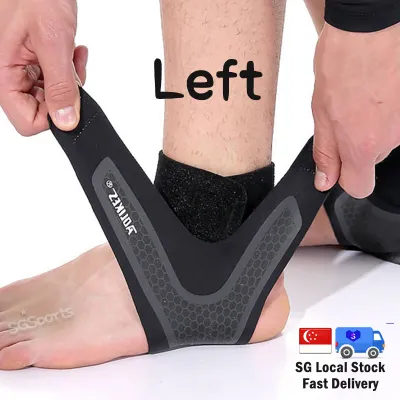
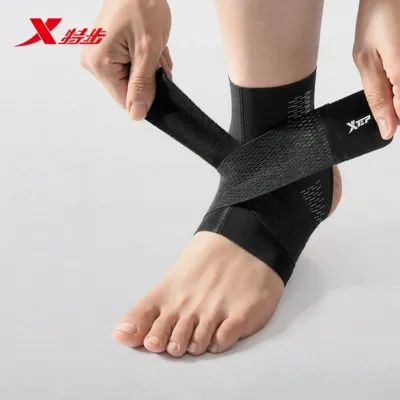
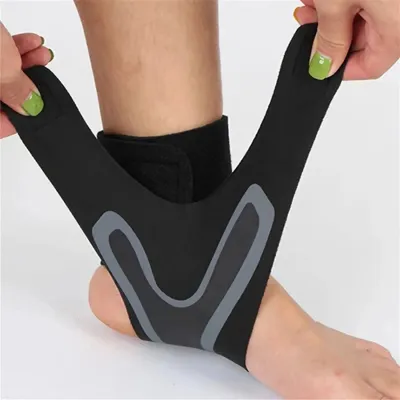
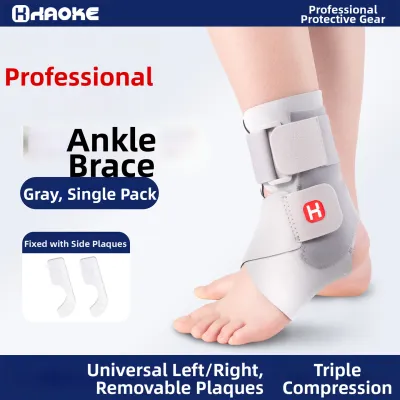
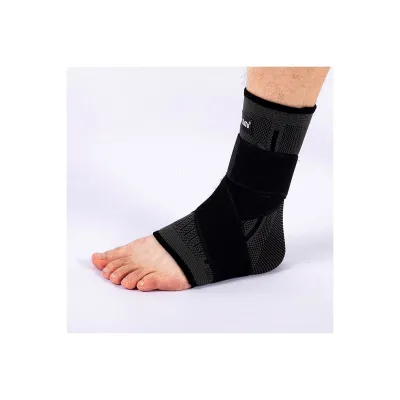
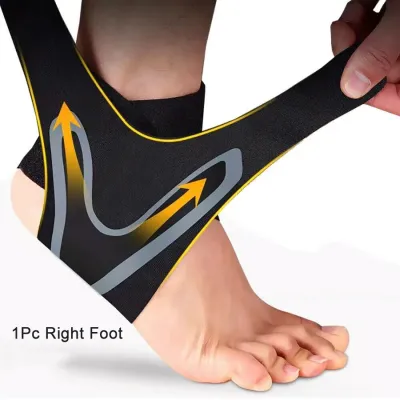
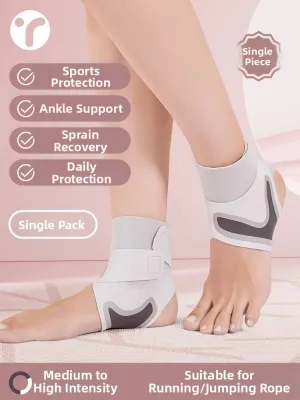
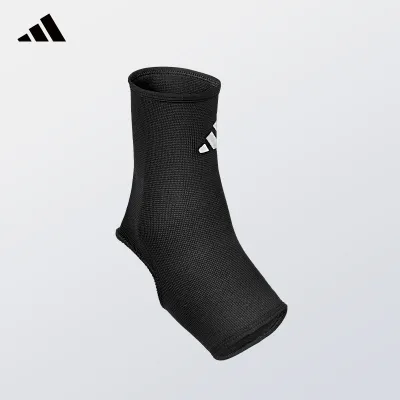
Prices are valid at publication and may change. Please refer to the product page for the latest price.
Identifying your primary use case is the next step in this evaluation. If you are managing mild, chronic swelling from past activity or seeking a bit of reassurance during daily walks, a mild support option is often sufficient. If you are returning to dynamic court sports after a mild sprain, you will likely need the moderate, adjustable stability of a lace-up design. For those dealing with severe chronic instability or recovering from a recent, significant injury, maximum mechanical protection is usually necessary to prevent re-injury.
While self-assessment is a helpful starting point, it cannot replace professional medical advice. If you are dealing with an acute injury, persistent pain, severe swelling, or post-surgical recovery, you must consult a physiotherapist or medical professional before selecting a brace. A professional can help diagnose the exact nature of your instability and recommend a specific support level that aligns with your rehabilitation plan.
Sleeve Braces: Mild Support and Compression
Sleeve-style ankle braces are designed for low-profile, everyday wear and mild preventive support. These braces are typically made from elastic, knit, or neoprene fabrics that slip over the foot like a sock. Their primary mechanism of action is uniform compression, which helps manage mild swelling and promotes blood flow around the joint. Additionally, the snug fit provides thermal retention, keeping the muscles and tendons warm and flexible during movement.

Another key benefit of sleeve braces is enhanced proprioception. The constant pressure on the skin sends sensory feedback to your brain, helping you feel more secure and aware of your foot placement. This makes sleeves highly suitable for daily wear to manage mild arthritis, for use during low-impact activities like yoga or walking, or as a transition tool during the early stages of rehabilitation when structural support is no longer strictly necessary.
However, sleeve braces have clear structural limitations. Because they lack straps, stays, or rigid plastic components, they do not provide mechanical resistance against sudden lateral movements. If you step on an uneven surface or land awkwardly from a jump, a sleeve brace will not prevent your ankle from rolling inward or outward (inversion or eversion). Consequently, they are not recommended for high-impact sports or for individuals with moderate to severe joint instability.
Lace-Up Braces: Moderate Support and Adjustability
Lace-up ankle braces offer a step up in protection, balancing mechanical support with user-controlled flexibility. These braces typically feature a durable canvas or nylon boot that laces up the front, combined with a system of figure-eight or stirrup straps. These straps are designed to mimic the classic figure-eight taping techniques used by athletic trainers, wrapping under the heel and securing with hook-and-loop fasteners to lock the heel in place.
This design is highly favored by athletes returning to dynamic court or field sports, such as basketball, netball, or badminton. The primary advantage of a lace-up brace is its adjustability; you can tighten or loosen the laces and straps to achieve the exact level of compression and stability you need. This makes them excellent for individuals with moderate chronic instability who require reliable lateral support during quick lateral cuts and sudden stops.
Despite their versatility, lace-up braces come with specific trade-offs. They require more time and effort to put on and adjust compared to simple slip-on sleeves. The multi-layered canvas and strap design can also add significant bulk inside your shoe, sometimes requiring you to loosen your shoelaces completely or wear a slightly wider athletic shoe. Furthermore, the materials can trap heat, and you may find yourself needing to readjust the strap tension during prolonged, sweaty training sessions to maintain optimal support.
Rigid and Hinged Braces: Maximum Protection
When maximum joint stabilization is required, rigid and hinged ankle braces are the standard choice. These braces feature hard plastic outer shells or upright guards that run up the sides of the ankle, secured by heavy-duty straps. Many modern designs incorporate a physical hinge at the ankle joint, which allows the foot to move naturally up and down (dorsiflexion and plantarflexion) while strictly blocking any side-to-side rolling (inversion and eversion).
This high-protection design is ideal for immediate post-injury stabilization when the ligaments are highly vulnerable, as well as for individuals with severe, chronic joint laxity. Athletes in high-risk jumping and cutting sports, such as volleyball or basketball, often rely on rigid braces to prevent recurrent sprains. By physically stopping the ankle from turning past a safe angle, these braces provide a reliable mechanical safety net during intense physical contact or awkward landings.
However, the extreme protection of rigid braces comes with notable limitations. The hard plastic components are bulky and often require footwear with a wider heel collar or removable insoles to fit comfortably. Because they restrict lateral movement so completely, they alter your natural foot mechanics, which can sometimes transfer stress upward to the knee joint or alter your running gait. For this reason, rigid braces should generally be used under the guidance of a healthcare professional or physiotherapist to ensure they do not inadvertently lead to secondary movement issues.
Feature Comparison: Support, Mobility, and Fit
To help you quickly evaluate your options, the table below summarizes the key differences in support, flexibility, and practical use across the three primary ankle brace types.
| Brace Type | Support Level | Mobility & Flexibility | Shoe Compatibility | Best Use Case |
|---|---|---|---|---|
| Sleeve | Mild (Compression & Proprioception) | High (Full range of motion) | Excellent (Fits in almost all standard shoes) | Daily wear, mild swelling, low-impact activities, mild arthritis |
| Lace-Up | Moderate (Adjustable lateral restriction) | Moderate (Restricts extreme lateral movement) | Fair (Adds bulk; may require loosening laces) | Returning to court sports, moderate chronic instability |
| Rigid / Hinged | Maximum (Rigid lateral blocking) | Low lateral, high vertical (Hinged designs) | Poor to Fair (Requires wide shoes or removable insoles) | Post-injury recovery, severe instability, high-risk jumping sports |
Please note that individual anatomical differences, such as high arches or wide feet, can significantly affect how a brace fits. Additionally, the specific design of your athletic or everyday footwear will play a major role in whether a moderate or maximum support brace can be worn comfortably. Always try on a brace with the specific shoes you plan to wear during activity to ensure a secure, pinch-free fit.
Your Decision Framework: Which Brace to Choose
To finalize your selection, consider your current physical condition and the specific environment where you will wear the brace. If you are dealing with mild swelling, minor joint stiffness, or simply want to increase your confidence during light daily activities, choose a sleeve brace. Its low-profile design fits easily into everyday footwear, and the gentle compression provides comfort without restricting your natural movement.
If you are preparing to return to dynamic sports like badminton, tennis, or basketball after a mild sprain, choose a lace-up brace. This option allows you to customize the tightness to match your comfort level, providing the necessary lateral stability to protect your ligaments during quick lateral movements while still allowing enough flexibility for running and jumping.
If you are recovering from a severe sprain, have been diagnosed with chronic mechanical instability, or participate in high-impact jumping sports with a history of frequent injuries, choose a rigid or hinged brace. The hard plastic shells offer the physical barrier needed to prevent dangerous rolling, giving your ligaments the quiet environment they need to heal or remain stable under heavy loads.
Before making your final choice, always verify your symptoms. If you experience sharp, localized pain, numbness, tingling, severe bruising, or rapid swelling, or if you are recovering from recent ankle surgery, stop self-selection immediately. These symptoms can indicate a more severe injury, such as a high ankle sprain or fracture, and require a professional evaluation by a qualified healthcare provider to determine the safe path forward.
Frequently Asked Questions (FAQ)
Can I wear an ankle brace all day?
Wearing an ankle brace all day depends entirely on the type of brace and the reason you are wearing it. While lightweight compression sleeves are generally comfortable for extended wear during daily tasks, wearing structured lace-up or rigid braces continuously is usually not recommended unless specifically prescribed by a medical professional. Prolonged wear of highly restrictive braces can lead to skin irritation, localized pressure points, restricted circulation, and moisture buildup, especially in warm, humid climates. It is best to wear structured braces primarily during active periods and remove them during rest to allow your skin to breathe and your joint to move naturally.
Will wearing an ankle brace weaken my ankle muscles?
A common concern is that relying on an ankle brace will cause the surrounding muscles to atrophy. When used correctly as a temporary aid during recovery or as protection during high-risk sports, a brace does not inherently weaken your muscles. However, braces provide passive mechanical support, meaning they should never be used as a permanent substitute for active rehabilitation. To maintain and build long-term joint stability, you should combine brace use with targeted strengthening and balance exercises prescribed by a physiotherapist, gradually weaning off the brace as your natural strength and proprioception improve.
How do I know if my ankle brace fits correctly?
To ensure your ankle brace is both safe and effective, you must verify its fit using a few practical checks. Start by measuring your ankle circumference or matching your shoe size to the manufacturer’s specific sizing chart, as sizing varies widely between brands. Once the brace is on, check that your heel sits securely in the designated heel pocket and that there is no pinching or rubbing against your skin. Your toes should remain warm and retain their normal color; if you experience numbness, tingling, coldness, or deep red marks, the brace is too tight or poorly positioned and should be adjusted immediately to prevent circulation issues.
Community discussion
Share your experience or ask a question. Comments are reviewed before publication.