
Finding the right knee guard is not about searching for a single, universally perfect product, but rather about matching the specific mechanics of your movement to the correct level of structural support. Whether you are clocking miles along coastal paths, jumping for rebounds on a hard court, or recovering from a mild ligament strain, your knees experience vastly different forces depending on the activity. The ideal choice hinges on balancing three distinct functions: uniform compression, targeted tendon pressure, or rigid joint stabilization. Selecting the wrong type can lead to restricted movement, skin irritation in humid weather, or insufficient protection when your joint needs it most.
Understanding the Three Main Knee Guard Designs
To make an informed decision, you must first understand how each of the three primary knee guard designs interacts with your joint anatomy. These designs are engineered to address different types of physical stress, ranging from general muscle fatigue to severe lateral instability.
Knee sleeves are typically made from elastic, neoprene, or knit fabrics that slip directly over your leg. They provide uniform compression around the entire joint, which helps retain heat and increase blood flow to the area. This compression also enhances proprioception—your brain’s awareness of your joint’s position in space—which can improve movement confidence and stability during low-impact activities. Because they lack rigid structural elements, sleeves offer a full, unrestricted range of motion, making them highly versatile for general fitness.
Products mentioned in this guide
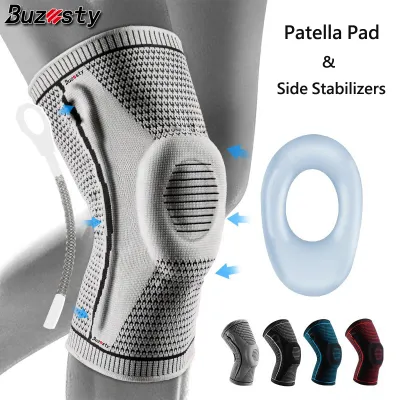
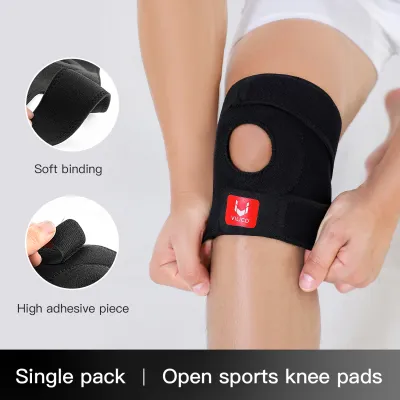
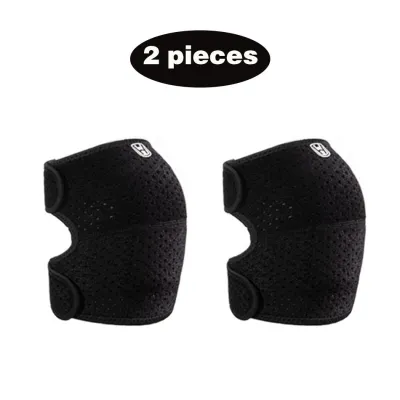
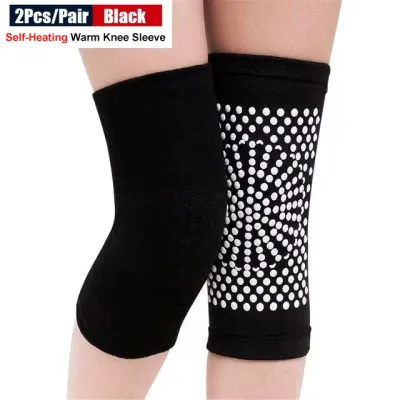
Prices are valid at publication and may change. Please refer to the product page for the latest price.
Patella straps, also known as patellar tendon bands, are minimalist bands that wrap tightly around the leg just below the kneecap. Instead of covering the entire joint, they apply targeted, concentrated pressure directly to the patellar tendon. This pressure alters the angle at which the tendon interacts with the kneecap, effectively distributing the mechanical load and reducing the strain experienced during repetitive jumping or running. Because they leave the rest of the knee uncovered, they offer maximum breathability and freedom of movement.
Hinged knee guards represent the highest level of external support, featuring rigid or semi-rigid side struts made of metal or composite materials. These hinges are designed to mimic the natural bending motion of the knee while physically blocking lateral, side-to-side movement and preventing hyporextension. They are secured with adjustable straps above and below the knee to ensure the rigid supports remain aligned with your joint. While they provide exceptional stabilization, they are significantly heavier and more restrictive than sleeves or straps.
Matching Knee Support to Your Sport and Activity Level
Every sport places unique demands on your lower body, meaning a guard that excels in one environment may hinder you in another. Matching the support level to your specific movement patterns is essential for both performance and safety.

For activities like running, cycling, or light gym workouts, maintaining a fluid, repetitive range of motion is your primary concern. In these scenarios, a lightweight knee sleeve is often the preferred choice. The continuous compression keeps the joint warm and lubricated during long runs or rides, while the flexible fabric does not interfere with your stride or pedal stroke. If you primarily experience localized discomfort right below the kneecap during long-distance road running, a patella strap can provide the necessary relief without the heat retention of a full sleeve.
Sports that involve frequent, explosive vertical movements—such as basketball, volleyball, or badminton—subject your patellar tendon to intense eccentric loading every time you land. If you are managing mild tendon irritation from these repetitive impacts, a patella strap is highly effective at dampening the shock transmitted to the tendon. However, if your knees feel generally fatigued or stiff after a long session on the court, a knit compression sleeve can provide overall joint warmth and support without sacrificing the agility needed for quick court cuts.
When your activity involves unpredictable lateral cutting, pivoting, or physical contact—such as football, rugby, or martial arts—the risk of lateral ligament sprains increases significantly. In these high-risk environments, or when returning to sport after a ligament injury, a hinged knee guard is often necessary. The rigid side hinges act as a physical barrier against unnatural twisting forces that your muscles and ligaments might not be strong enough to resist on their own. It is important to recognize that this high level of protection comes with a trade-off in weight, bulk, and overall speed.
Key Fit, Comfort, and Safety Checks
Even the most advanced knee guard will fail to protect you if it does not fit correctly, slips during movement, or causes skin issues. Before making a purchase, you should perform several practical checks to ensure the guard is safe and comfortable for your specific body and environment.
Never guess your size or rely on generic clothing sizes when choosing a knee guard. Every manufacturer has a unique sizing chart, and an improper fit can either restrict your blood circulation or slide down uselessly during exercise. To get an accurate measurement, use a flexible tape measure while standing with your leg slightly bent. Measure the circumference of your thigh, the center of the knee directly over the patella, and the widest part of your calf. Compare these exact measurements to the brand’s specific guide.
In warm, humid climates, heat and sweat buildup under a knee guard can quickly lead to skin chafing, rashes, or bacterial growth. If you plan to wear the guard for extended outdoor workouts, look for breathable, moisture-wicking knit fabrics rather than thick, non-porous neoprene. Additionally, check if the guard features hypoallergenic silicone grip strips along the inner cuffs; these help keep the guard in place during sweaty activities, but some individuals with sensitive skin may experience irritation from direct silicone contact.
It is vital to remember that a knee guard is a supportive aid, not a cure for underlying joint pathology. If you experience sudden, sharp pain, visible swelling, joint locking, or an inability to bear weight, you must stop using the guard immediately and consult a healthcare professional. Furthermore, if wearing a guard causes numbness, tingling, coldness in your foot, or deep skin indentations, the guard is either too tight or improperly positioned, risking nerve compression or restricted blood flow.
Decision Framework: Which Knee Guard Should You Choose?
To help you finalize your choice, use this straightforward, condition-based framework to match your current physical needs to the right design.
Choose a sleeve if you are looking for general joint warmth, mild compression, and improved movement awareness during low-impact workouts, daily walking, or weightlifting. This option is best when you have no structural instability but want to manage minor stiffness or fatigue.
Choose a patella strap if your discomfort is strictly localized to the tendon directly below your kneecap, particularly during or after running, jumping, or climbing stairs. This design is ideal when you want targeted relief while keeping your knee joint fully flexible and cool.
Choose a hinged guard if you require maximum physical stabilization to prevent lateral knee twisting, are performing heavy squats, or are transitioning back to active sports following a diagnosed ligament injury. This option prioritizes joint safety over speed and lightweight comfort.
Verify first if you are experiencing persistent, undiagnosed knee pain, swelling, or a feeling that your knee is “giving way.” Always consult a physiotherapist or orthopedic specialist to identify the root cause before relying on a rigid brace, as self-treating structural damage can lead to further joint wear.
Frequently Asked Questions (FAQ)
Can I wear a knee guard all day?
Whether you can wear a knee guard for extended periods depends heavily on the design and fit of the support. Lightweight, breathable compression sleeves are generally safe to wear for several hours during daily activities, provided they fit correctly and do not restrict your circulation. However, you should avoid wearing rigid hinged braces or tight patella straps all day. These high-support devices are designed specifically for active use and can cause skin irritation, localized pressure sores, or restricted blood flow if worn during prolonged periods of rest. Regardless of the type, it is wise to take regular breaks, remove the guard when sitting for long periods, and inspect your skin for any signs of redness or irritation.
Do knee guards weaken the knee muscles over time?
A common concern is that relying on a knee guard will cause the surrounding muscles, such as the quadriceps and hamstrings, to atrophy. While a highly rigid, locked brace can reduce muscle activation if worn constantly over weeks without exercise, standard compression sleeves and patella straps do not inherently weaken your muscles when used correctly. These flexible supports provide sensory feedback and mild pressure rather than taking over the mechanical work of your muscles. To maintain and build natural joint stability, you should view any knee guard as a temporary or supplementary tool. Combine its use with a targeted lower-body strengthening and mobility routine designed to reinforce the muscles that naturally support your knee joint.
Community discussion
Share your experience or ask a question. Comments are reviewed before publication.