
Choosing the right knee pad or brace can mean the difference between peak athletic performance and a frustrating sideline injury. With so many options on the market, finding the style that matches your specific sport, movement patterns, and joint needs is essential. The correct choice depends on whether you require mild joint warmth, targeted tendon pressure, or rigid structural stabilization.
To make an informed decision, you must understand how knee sleeves, patellar straps, and hinged braces function mechanically. Each style serves a distinct purpose, and selecting the wrong one can restrict your agility or leave your joint vulnerable to injury. While protective gear supports your joints, it is important to remember that equipment cannot replace proper physical conditioning, correct athletic technique, or professional medical advice.
Quick Decision Guide: Matching Knee Pad Styles to Your Sport
Before exploring the technical details of each knee support, it helps to understand their core mechanical differences. Knee sleeves provide uniform compression and warmth, which improves blood flow and joint awareness. Patellar straps apply localized pressure directly to the tendon below the kneecap, distributing forces to relieve strain. Hinged braces use rigid side structures to physically prevent the knee from twisting, buckling, or hyperextending.
Products mentioned in this guide
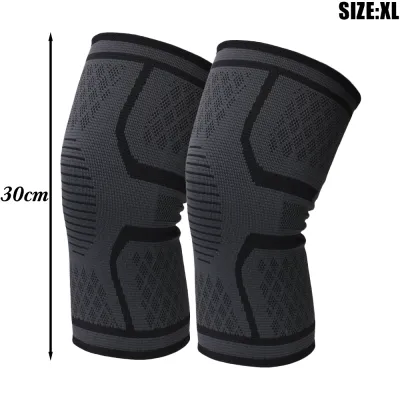
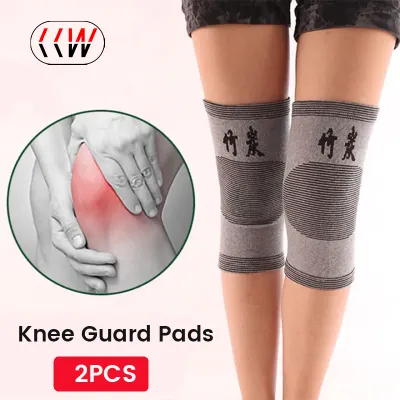
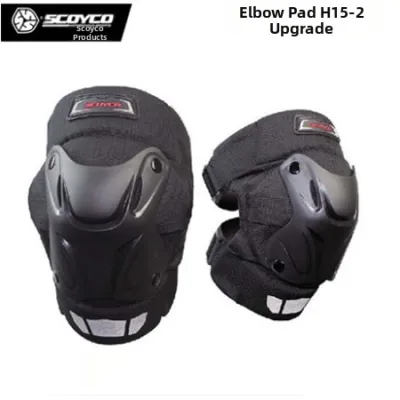
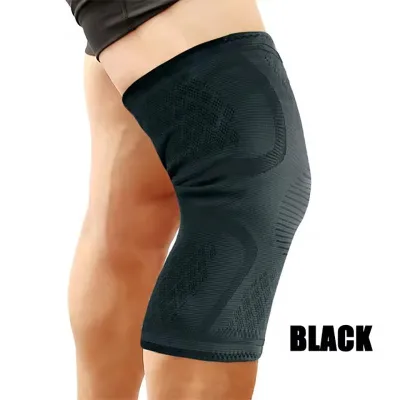
Prices are valid at publication and may change. Please refer to the product page for the latest price.
The following matrix maps these three primary styles to common sports, support levels, and key benefits to help you quickly identify the best option for your routine:
| Knee Support Style | Primary Mechanical Function | Ideal Sports & Activities | Support Level | Key Benefit |
|---|---|---|---|---|
| Knee Sleeve | Uniform compression, heat retention, and proprioception | Weightlifting, powerlifting, gym workouts, running, basketball | Mild | Enhances blood flow, keeps joint fluid loose, and improves movement awareness |
| Patellar Strap | Targeted pressure on the patellar tendon | Volleyball, tennis, badminton, basketball, squash | Moderate (Tendon-specific) | Relieves localized pressure on the tendon during jumps and lunges |
| Hinged Knee Brace | Rigid structural joint stabilization and hyporextension prevention | Downhill skiing, snowboarding, rugby, football, motocross | Maximum | Prevents lateral shifting, medial buckling, and unnatural twisting |
If you experience acute knee pain, sudden swelling, popping sounds, or an inability to bear weight on your leg, stop your activity immediately. These symptoms often indicate structural damage, such as a ligament tear or meniscus injury. Do not attempt to self-treat or rely on any retail brace or sleeve without receiving a professional medical evaluation from a qualified sports doctor or orthopedic specialist.
Knee Sleeves: Best for Compression, Warmth, and Mild Support
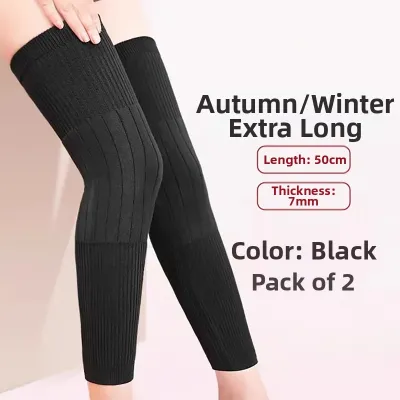
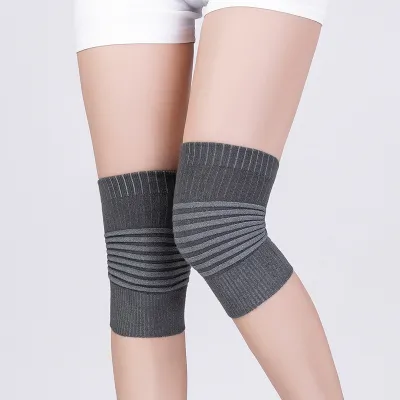
Knee sleeves are popular among gym-goers, runners, and court athletes who require mild joint support without sacrificing their natural range of motion. Made primarily from neoprene or elasticized knit fabrics, these sleeves slide over the leg to cover the entire knee joint. They do not use rigid structures, meaning they allow your knee to bend and flex naturally through its full range of movement.

The primary benefit of a knee sleeve lies in its ability to provide uniform compression and retain joint heat. This compression increases blood flow to the surrounding soft tissues and keeps the synovial fluid—the natural lubricant inside your joint—warm and loose. Additionally, the constant pressure on your skin enhances proprioception, which is your brain’s ability to sense the position, orientation, and movement of your joint. Improved proprioception helps you maintain correct alignment and form during repetitive movements like running or squatting.
Knee sleeves are ideal for sports that demand high mobility and repetitive lower-body movement, such as weightlifting, powerlifting, functional fitness, long-distance running, and basketball. In heavy lifting, a thick neoprene sleeve can also provide a minor physical rebound effect at the bottom of a squat, helping you drive upward while keeping the joint stable.
However, knee sleeves have clear mechanical limitations. They do not provide structural support for unstable joints, torn ligaments (such as the ACL or MCL), or meniscus tears. If your knee is structurally compromised or prone to giving way, a sleeve will not prevent lateral shifting or hyporextension.
When choosing a knee sleeve, consider the thickness and material based on your activity:
- 3mm Thickness: Thin, lightweight, and highly breathable. Best for long-distance running, cycling, or high-cardio workouts where heat dissipation and maximum flexibility are priorities.
- 5mm Thickness: The most versatile option. Provides a balanced mix of compression, warmth, and support, making it ideal for general gym workouts, cross-training, and team sports.
- 7mm Thickness: Stiff, heavy-duty, and highly compressive. Designed specifically for heavy barbell lifting, powerlifting, and strongman training where maximum joint warmth and physical rebound are required.
- Knit vs. Neoprene: Knit fabrics offer superior breathability and moisture management, making them comfortable for long training sessions. Neoprene provides maximum heat retention and structural stiffness but tends to trap sweat.
Patellar Straps: Best for Targeted Tendon Relief in Jumping Sports
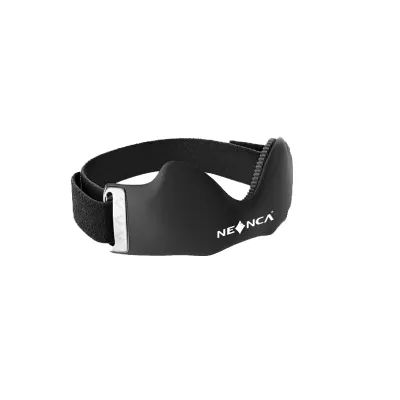
A patellar strap, also known as a patellar band or jumper’s knee strap, is a minimalist support designed specifically to manage localized tendon pain. Unlike a sleeve that covers the entire joint, a patellar strap is a narrow band that wraps tightly around the leg just below the kneecap. It features a built-in gel or foam tube that applies direct, concentrated pressure to the patellar tendon.
This targeted pressure alters the insertion angle of the patellar tendon, which changes how forces are distributed across the kneecap during explosive movements. By dampening vibrations and absorbing a portion of the shock transmitted through the tendon, the strap reduces the mechanical strain on the tendon fibers. This helps alleviate pain and prevents further micro-tearing during high-impact activities.
Patellar straps are highly effective for sports that involve repetitive jumping, rapid deceleration, deep lunging, or sudden changes of direction. Athletes in volleyball, tennis, badminton, squash, and basketball frequently use these straps to manage patellar tendinopathy (jumper’s knee) or Osgood-Schlatter disease. These court sports require explosive vertical jumps and deep, sudden lunges that put immense stress on the anterior knee structures.
It is important to note that patellar straps are highly specialized and offer no benefits for general knee issues. They do not provide lateral stability, they cannot protect sprained ligaments, and they do not reduce swelling or arthritis pain deep within the joint. If your knee pain is located on the sides of the joint, behind the knee, or accompanied by swelling, a patellar strap is the wrong tool.
To get the most benefit from a patellar strap and avoid injury, follow these usage guidelines:
- Correct Placement: Position the strap directly on the soft tendon located just below your kneecap (patella) and above the bony bump on your shin (tibial tubercle).
- Tension Adjustment: Tighten the strap until you feel firm, supportive pressure. It should feel snug but never tight enough to pinch, restrict your blood circulation, or cause numbness down your leg. If your skin turns red or you feel a tingling sensation, loosen the strap immediately. Always check the manufacturer's instructions for specific tension and placement guidelines.
Hinged Knee Braces: Best for Maximum Stability in High-Impact Sports
For athletes recovering from major injuries or participating in high-impact sports where the knee is vulnerable to extreme twisting forces, a hinged knee brace offers the highest level of mechanical protection. These braces combine a fabric or neoprene sleeve with rigid side hinges made of lightweight metal or composite materials. The hinges are secured above and below the knee joint by a system of heavy-duty, adjustable straps.
The primary function of a hinged knee brace is to provide external structural stabilization. The rigid side hinges mimic the natural bending motion of the knee while physically preventing unnatural lateral (side-to-side) shifting, medial buckling, and hyporextension. By absorbing external impact forces and limiting extreme ranges of motion, the brace protects vulnerable or healing ligaments from excessive strain.
Hinged braces are highly recommended for high-risk, high-impact, or alpine sports where the knee is subjected to severe lateral forces or rotational stress. These include downhill skiing, snowboarding, rugby, football, and motocross. They are also standard equipment during the return-to-play phase after major ligament reconstructions, such as ACL, MCL, or LCL surgeries, where the graft is still maturing and requires external protection.
However, these braces come with significant trade-offs. They are heavy, bulky, and deliberately restrict your natural range of motion to protect the joint. They are generally not suitable for sports requiring high agility, rapid footwork, or deep, unrestricted knee flexion unless they are specifically engineered for that activity.
Before relying on a hinged brace, you must establish clear safety boundaries:
- Rehabilitation is Key: A hinged brace is not a substitute for physical therapy. It cannot replace the stability provided by strong, well-conditioned muscles, particularly your quadriceps, hamstrings, and glutes.
- Stop Conditions: Do not use a hinged brace to mask severe pain or to play through an undiagnosed joint instability. Doing so can lead to further joint degradation or secondary injuries.
- Medical Clearance: Always obtain formal medical clearance from your orthopedic specialist or sports physiotherapist before returning to high-risk sports after an injury. Gear cannot compensate for a lack of physical readiness.
Sizing, Fit, and Care Tips for Singapore's Tropical Climate
An ill-fitting knee pad or brace can cause more harm than good. A brace that is too tight can restrict blood flow and cause nerve compression, while a loose one will slide down during movement, failing to provide any meaningful support. To ensure a secure fit, you must measure your leg accurately.
To find your correct size, use a flexible measuring tape while standing with your leg slightly bent at a 30-degree angle. Most manufacturers require you to measure the circumference of your leg at three points: the center of your kneecap (mid-patella), 10 to 15 centimeters above the kneecap (lower thigh), and 10 to 15 centimeters below the kneecap (upper calf). Compare these measurements directly to the manufacturer’s specific sizing chart, as sizing varies significantly between brands.
In Singapore’s hot and humid tropical climate, wearing thick synthetic materials can quickly lead to heavy sweat accumulation, skin irritation, chafing, and heat rash. To maintain skin health and comfort during long training sessions, consider the following climate-specific tips:
- Material Selection: Look for knee pads made with moisture-wicking fabrics, perforated neoprene, or bamboo-charcoal linings. These materials promote airflow, accelerate sweat evaporation, and help regulate skin temperature.
- Skin Protection: If you have sensitive skin or train for extended periods, consider wearing a thin, moisture-wicking under-sleeve liner beneath your brace. Always wash and dry your skin thoroughly immediately after your workout to prevent sweat and bacteria from being trapped against your skin.
- Maintenance Routines: To prevent bacteria growth, salt buildup, and unpleasant odors, clean your gear regularly. Always check the applied product's care label and the manufacturer's instructions before washing. Hand wash your knee pads in cool water using a mild, sports-specific detergent. Avoid fabric softeners or bleach, which can degrade elastic fibers and damage neoprene.
- Drying Instructions: Always air-dry your gear in a well-ventilated, shaded area. Never place your knee pads in a tumble dryer or expose them to direct sunlight, as intense heat can warp plastic hinges, degrade neoprene, and destroy elastic elasticity.
Frequently Asked Questions (FAQ)
Can I wear a knee sleeve and a patellar strap together?
Yes, it is physically possible to wear a patellar strap over a thin knee sleeve to combine general compression with targeted tendon support. However, you must ensure that the strap does not roll, bunch up, or dig into the sleeve material, which can create painful pressure points and restrict blood flow. Monitor your leg closely for excessive heat buildup, skin irritation, or signs of restricted circulation, such as cold toes or tingling. If layering feels uncomfortable or bulky, consider choosing a single, integrated knee sleeve that features a built-in patellar gel pad.
How long can I safely wear a hinged knee brace during a sports session?
A hinged knee brace should generally be worn only during the active portion of your sports session, training, or high-risk activity. Wearing a rigid brace constantly or during low-risk daily activities without medical supervision can lead to muscle atrophy, joint stiffness, and psychological reliance, as your muscles stop working to stabilize the joint. Always follow a sports doctor’s or physiotherapist’s specific weaning protocol. Use the brace as a temporary protective aid while actively working on strengthening your stabilizing muscles.
Community discussion
Share your experience or ask a question. Comments are reviewed before publication.