
Selecting the right knee brace support depends on balancing your need for mobility with the level of structural stability your joint requires. A knee sleeve offers mild compression and warmth, making it ideal for minor aches and daily activities. A knee wrap provides adjustable tension and an easy-to-wear design, which is highly beneficial if you experience fluctuating swelling or have difficulty pulling a sleeve over your foot. A hinged knee brace delivers maximum structural stability using rigid side supports, making it the standard choice for protecting compromised ligaments during recovery or high-impact pivoting sports. Matching the brace design to your specific physical condition ensures you receive adequate joint protection without unnecessarily restricting your natural movement.
Understanding the Structural Differences Between Knee Braces
To make an informed choice, you must first understand how these three brace types differ in their physical construction, materials, and mechanical support systems. Each design targets a different level of joint restriction and user convenience.
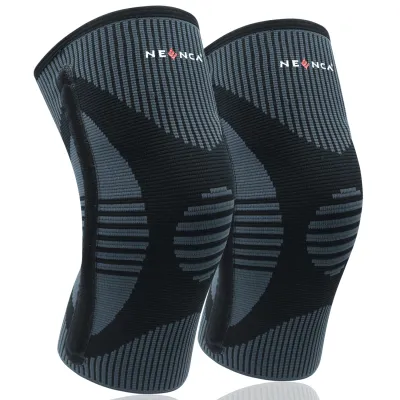
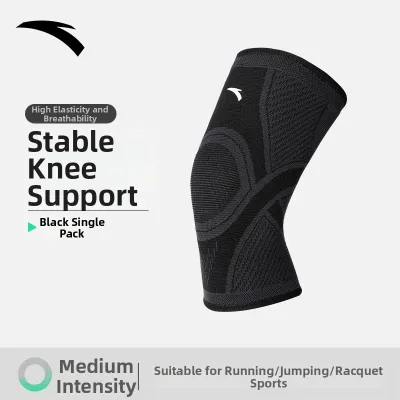
Knee sleeves are slip-on, tubular garments designed to slide up the leg and sit snugly over the joint. They are typically constructed from neoprene or advanced breathable knits, providing uniform compression around the entire knee. Because they lack rigid stays, metal inserts, or complex strapping systems, sleeves rely entirely on the elasticity of their fabric to deliver support. This lightweight construction allows them to fit easily under everyday clothing or sports gear, offering a low-profile solution that does not interfere with your natural range of motion.
Products mentioned in this guide
![[BUNDLE OF 2] TAKAMIZU - Orthocare Knee Support](https://img.lazcdn.com/g/p/358694f2fd4b2405e4e66b4a4bf8105e.jpg_400x400q80.jpg_.webp)
Prices are valid at publication and may change. Please refer to the product page for the latest price.
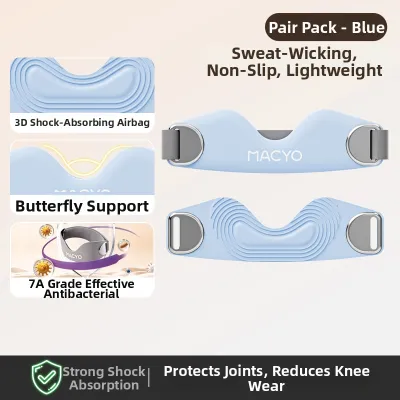
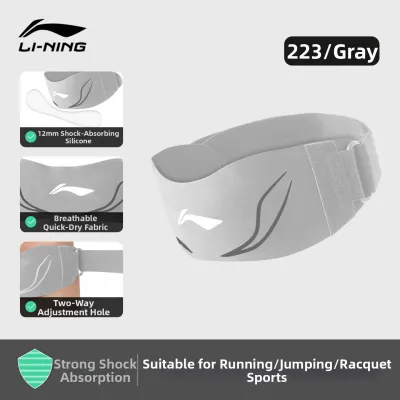
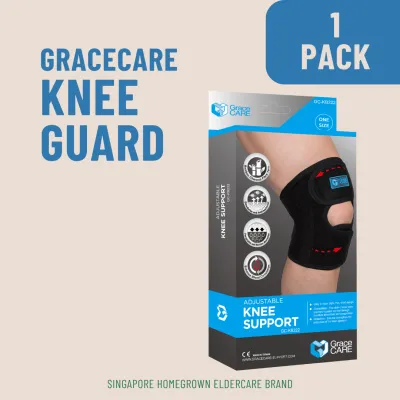
Knee wraps utilize a strap-based closure system, usually featuring hook-and-loop fasteners that allow you to customize the tension across different parts of the joint. Unlike sleeves, wraps do not require you to pull the brace over your foot, which is a major advantage if you have limited mobility, severe pain, or a highly swollen knee. They are available in open-patella designs, which leave the kneecap exposed to reduce direct pressure, or closed-patella designs that offer full coverage. The primary mechanical advantage of a wrap is its adaptability, allowing you to tighten or loosen the support as your comfort levels change throughout the day.
Hinged knee braces represent the most supportive and structurally complex category. These braces incorporate rigid side supports made of lightweight metal or hard plastic, connected by mechanical joints that align with the knee’s natural bending axis. Heavy-duty straps secure the brace firmly above and below the joint, ensuring the rigid components stay in place. This mechanical structure is specifically engineered to restrict lateral (side-to-side) movement and prevent hyperextension, shielding vulnerable ligaments from forces that could cause further injury while still allowing controlled forward and backward bending.
Matching Brace Types to Your Condition and Activity
Selecting a knee brace support requires aligning the structural capabilities of the brace with your specific physical condition, pain levels, and the demands of your chosen activity. Using too much restriction can weaken your muscles over time, while using too little support can expose a compromised joint to further damage.

Mild support from a knee sleeve is generally best suited for managing general joint aches, mild swelling, and the early stages of osteoarthritis. The compression from a sleeve helps promote blood flow and retains therapeutic warmth, which can soothe stiff joints during low-impact daily activities, walking, or light jogging. In warm and humid climates, such as Singapore, choosing a sleeve made from a lightweight, moisture-wicking 3D knit rather than thick neoprene can prevent heat buildup and skin irritation during outdoor exercise.
Moderate support from a knee wrap is highly effective for conditions like patellar tendonitis, mild ligament sprains, and post-workout recovery. Because wraps allow you to adjust the tension manually, they are ideal for situations where swelling fluctuates throughout the day or during an activity. If you participate in sports that involve repetitive linear movements, such as running or cycling, a wrap allows you to secure the kneecap and apply targeted pressure to tendons without the bulk of a rigid frame.
Maximum stability from a hinged knee brace is necessary when dealing with severe joint instability, such as ligament tears (including the ACL, MCL, or LCL) or during post-surgery rehabilitation. High-impact pivoting sports like football, basketball, or netball place extreme lateral stress on the knee, making the rigid mechanical support of a hinged brace essential for preventing dangerous joint shifting. If you are returning to these activities after an injury, a hinged brace provides the physical barrier needed to protect the healing tissues from sudden twists.
While understanding these categories helps narrow down your options, a professional consultation is crucial before using a highly restrictive or medical-grade brace. If you have an undiagnosed injury, sudden swelling, or severe pain, consult a physiotherapist or orthopedic doctor. A professional can assess your joint stability, recommend a specific range of motion limit for a hinged brace, and ensure that your brace usage is paired with appropriate rehabilitation exercises to rebuild your natural muscle strength.
Essential Fit, Comfort, and Safety Checks
Even the most advanced knee brace support will fail to protect your joint if it does not fit correctly or if it is worn improperly. Performing systematic checks on sizing, circulation, and mobility is essential to prevent secondary physical issues and ensure safe usage.
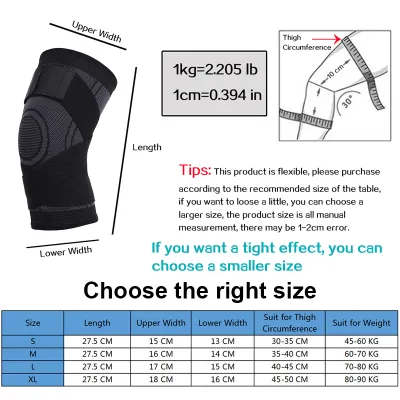
To find your correct size, always use a physical tape measure to record your thigh and calf circumferences at the specific points recommended by the manufacturer, typically a few inches above and below the center of the kneecap. Do not rely on generic S, M, or L clothing labels, as sizing standards vary significantly between sports brands. A brace that is too loose will slip down during movement and fail to provide compression, while a brace that is too tight can restrict blood flow and cause muscle cramping.
Once you apply the brace, perform immediate circulation and skin checks. Look for signs of excessive tightness, such as deep red indentations, chafing, or skin pinching around the edges and straps. Pay close attention to any physical sensations in your lower leg and foot; numbness, a cold sensation, tingling, or blue discoloration below the knee are clear indicators that the brace is restricting your blood flow and must be loosened or removed immediately.
Before engaging in any sport or daily activity, verify your mobility in a safe, controlled environment. Put on the brace and perform a few slow, bodyweight squats, walk in a straight line, and practice gentle side-to-side steps. Ensure that the brace does not force your leg into an unnatural gait or restrict your movement more than intended for your specific recovery stage. If you are using a hinged brace for sports, practice sport-specific movements at a low intensity first to confirm the hinges align correctly with your knee joint.
Be aware of critical stopping conditions that require you to remove the brace immediately and seek professional medical advice. If you experience an increase in joint pain while wearing the brace, notice skin breakdown or blisters, or feel persistent nerve tingling, stop using the support. Remember that a knee brace is an aid to assist your recovery and joint stability; it cannot replace proper physical conditioning, strength training, or professional medical treatment.
Decision Framework: Which Knee Brace Support Should You Choose?
To finalize your selection, use this conditional decision framework to match your physical needs to the correct brace design:
- Choose a knee sleeve if you require lightweight, low-profile, all-day compression to manage mild joint stiffness, minor arthritis, or general muscle fatigue during low-impact daily activities and straight-line sports.
- Choose a knee wrap if you need customizable tension, experience fluctuating joint swelling, have difficulty pulling a tight sleeve over your foot, or require targeted support for conditions like patellar tendonitis.
- Choose a hinged knee brace if you have a diagnosed ligament injury, are recovering from knee surgery, experience severe joint instability, or participate in high-impact pivoting sports that require mechanical protection against lateral forces.
- Verify first with a medical professional if you have complex vascular conditions, severe skin sensitivities to materials like neoprene, or an acute, undiagnosed knee injury accompanied by sudden swelling, popping sounds, or an inability to bear weight.
Frequently Asked Questions (FAQ)
Can I wear a knee brace all day?
You should not wear a knee brace all day unless specifically instructed to do so by a medical professional. While mild compression sleeves can be worn for extended periods during active hours, keeping any brace on continuously can lead to muscle dependency, where the surrounding muscles weaken because they rely on the external support. Prolonged wear also increases the risk of skin irritation, chafing, and restricted circulation. It is generally recommended to wear the brace during physical activities or periods of increased joint stress, and remove it during rest to allow your muscles to engage and your skin to breathe.
Do knee braces prevent injuries during sports?
Knee braces do not guarantee the prevention of sports injuries and should not be viewed as a substitute for physical conditioning. While braces provide valuable structural support for existing joint weaknesses and enhance proprioception—your brain’s awareness of joint positioning—they cannot fully shield a joint from extreme, unexpected forces. The most effective way to prevent knee injuries is through a comprehensive approach that includes targeted strength training for the quadriceps and hamstrings, flexibility exercises, proper warm-ups, and mastering correct sporting techniques.
Community discussion
Share your experience or ask a question. Comments are reviewed before publication.