
Selecting the right hand protection can make or break your boxing journey, directly impacting both your safety and your performance. When deciding between a modern boxing wrap slip on design and a traditional wrap-around bandage, the choice comes down to a fundamental trade-off: convenience versus customizable protection. Traditional wraps offer unmatched wrist stabilization and a tailored fit that adapts to your unique hand anatomy, making them the gold standard for heavy bag work, sparring, and high-intensity training.
Conversely, slip-on wraps—often referred to as quick wraps—prioritize speed and ease of use. They slide on in seconds, making them highly practical for cardio boxing, light focus mitt work, or fitness classes where you frequently transition between boxing and floor exercises. However, they cannot match the rigid joint immobilization of a properly applied traditional wrap. Ultimately, the best choice depends on your specific training intensity, your hand shape, and your willingness to master wrapping techniques.
Feature Comparison: Slip-On vs Traditional Wraps
To help you visualize the core differences, the table below compares these two styles across key performance and usability metrics. Keep in mind that specific experiences may vary based on the manufacturer’s materials, the thickness of the padding, and individual hand shapes.
Products mentioned in this guide
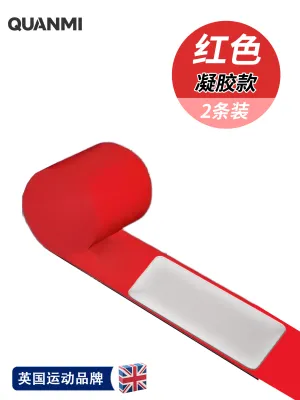
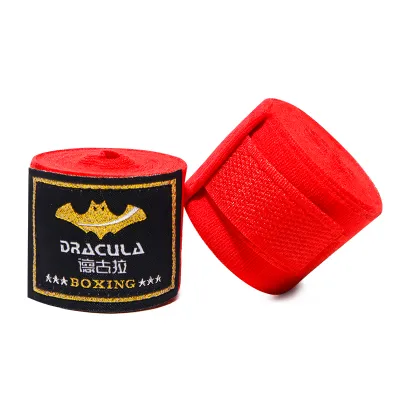
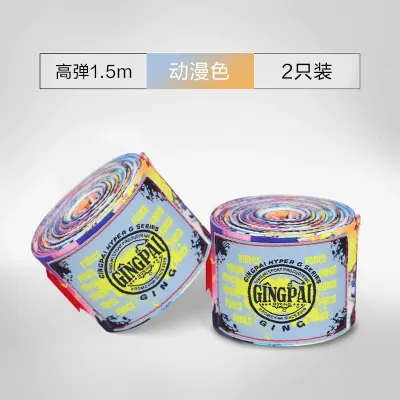
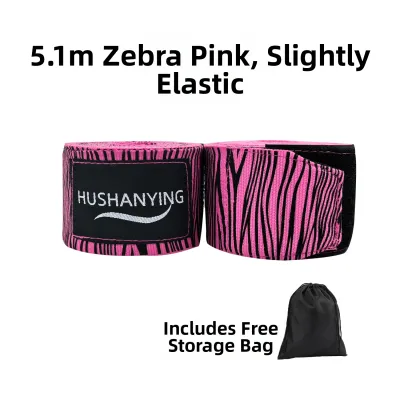
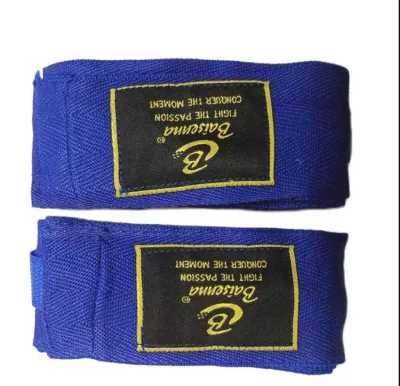
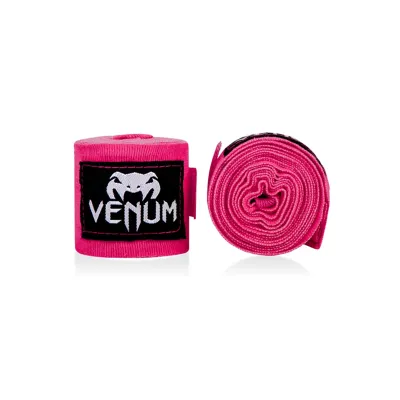
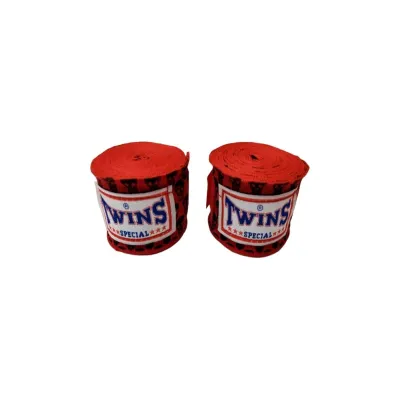
Prices are valid at publication and may change. Please refer to the product page for the latest price.
| Feature | Slip-On Wraps (Quick Wraps) | Traditional Wraps (Bandages) |
|---|---|---|
| Primary Material | Neoprene/polyester sleeve with gel/foam | Woven cotton or semi-elastic nylon blend |
| Application Time | 5 to 10 seconds per hand | 2 to 5 minutes per hand |
| Wrist Support | Moderate (relies on sleeve and short strap) | High (customizable tension and layering) |
| Knuckle Protection | High (pre-molded gel or foam padding) | Customizable (user decides padding thickness) |
| Fit Adjustability | Limited (fixed sizes: S, M, L, XL) | Unlimited (conforms to any hand shape) |
| Best Suited For | Cardio boxing, light pads, quick transitions | Heavy bag work, sparring, competitive training |
| Average Price Range | S$25 to S$60 | S$15 to S$30 |
While slip-on wraps offer a standardized, plug-and-play experience, traditional wraps function as a highly customizable compression system. Traditional wraps are typically available in lengths ranging from 120 inches (approx. 3 meters) for smaller hands or light workouts, up to 180 inches (approx. 4.5 meters), which is the standard for adult boxers seeking maximum joint security.
Wrist Support and Knuckle Protection
Protecting the complex network of 27 small bones in your hand requires a wrap that can absorb impact and prevent joint hyperextension. The two designs approach this challenge from entirely different engineering perspectives.

Traditional Wraps
The primary strength of traditional bandages lies in their ability to bind the hand into a single, solid unit. By wrapping the material in a systematic pattern around the wrist, thumb, and knuckles, you create a rigid support structure.
- Tension Control: You have complete control over how tightly the bandage compresses your hand. This allows you to apply extra tension around the wrist joint to prevent lateral bending upon impact.
- Thumb Anchoring: Traditional wraps utilize a loop that anchors around the thumb, allowing you to secure the thumb close to the fist, reducing the risk of painful sprains.
- Customizable Knuckle Padding: You can fold the wrap back and forth over your knuckles to create a thick cushion before securing the rest of the bandage around your wrist.
Slip-On Wraps
Slip-on wraps replace the manual wrapping process with pre-molded protection.
- Integrated Gel Padding: Most high-quality slip-on options feature a 5mm to 10mm layer of gel or compressed foam directly over the knuckles. This provides excellent, uniform shock absorption that disperses impact forces across the fist.
- Sleeve Construction: Because the padding is sewn directly into the glove-like sleeve, it stays perfectly positioned over your knuckles throughout your workout, never shifting or bunching up.
Limitations and Safety Boundaries
Despite the excellent knuckle cushioning of slip-on wraps, their wrist support is inherently limited. The elastic fabric of the sleeve cannot provide the same rigid immobilization as multiple layers of tightly wound cotton. While many slip-on wraps feature an attached wrist strap to mimic traditional support, this strap is often too short or thin to stabilize the joint under heavy, repetitive impact.
It is vital to remember that no equipment can replace proper punching technique and alignment. Landing a punch with a bent wrist or at an awkward angle can cause injury regardless of the wrap you wear. If you are experiencing persistent joint pain, swelling, or numbness, stop training immediately and seek a professional medical evaluation rather than relying on wraps to mask the issue.
Convenience and Custom Fit
How a wrap feels on your hand during a long, sweaty training session is just as important as how much protection it offers. The user experience differs significantly when it comes to preparation time and long-term comfort.
Speed and Ease of Use
For many fitness enthusiasts, the time required to apply traditional wraps is a significant barrier. If you are attending a high-intensity interval training (HIIT) class or a circuit-based workout, you may only have a few minutes to transition between bodyweight exercises and bag work.
- The Pull-On Advantage: Slip-on wraps can be pulled on and secured in under ten seconds. This makes them incredibly convenient for busy schedules or group classes where every minute counts.
- No Re-Wrapping Mid-Session: If a traditional wrap comes undone during training, you must stop, unroll it, and re-wrap your entire hand. Slip-on wraps eliminate this interruption entirely.
The Learning Curve of Traditional Wraps
Applying a traditional wrap correctly is an art that requires practice. Beginners often struggle with:
- Uneven Tension: Wrapping too tightly can restrict blood flow, leading to numbness, cold fingers, and cramping mid-workout. Wrapping too loosely results in the bandage unraveling inside your glove, offering zero protection.
- Complex Patterns: Learning how to weave the wrap between your fingers (the figure-eight technique) while maintaining a flat, unbunched profile takes time and patience.
Fit Adjustability and Hand Swelling
During an intense workout, your hands naturally swell due to increased blood circulation and heat. Traditional wraps accommodate this physiological change seamlessly; you can simply undo the Velcro strap and loosen the wrap slightly without removing your gloves completely.
Slip-on wraps, however, rely on standardized sizing. Because they are made of elastic materials like neoprene or spandex, a size Medium that fits perfectly at the start of a session may become uncomfortably tight and restrictive as your hands swell. Conversely, if your hands are narrow, a standard size may slip and slide, causing friction burns on your skin.
Durability and Care in Humid Climates
Singapore’s tropical climate, characterized by high humidity and warm temperatures, presents unique challenges for sports gear. Sweat-soaked wraps are a breeding ground for bacteria and unpleasant odors if not cared for correctly.
Material Degradation Over Time
The life expectancy of your wraps depends heavily on their construction materials and how they handle moisture.
- Traditional Wraps: These are highly durable. Made primarily of cotton or cotton-synthetic blends, they can withstand hundreds of wash cycles. Over time, the edges may fray slightly, or the Velcro may collect lint, but the structural integrity of the fabric remains largely intact.
- Slip-On Wraps: The elastic fibers in slip-on sleeves degrade more rapidly when exposed to acidic sweat and frequent stretching. The gel inserts can also break down or shift inside their pockets after prolonged use, reducing their shock-absorbing capabilities.
Hygiene and Washing Guidelines
To maintain hygiene and prevent skin irritation, you must wash your wraps after every single session. Always consult the manufacturer’s care label on your specific product before washing, as instructions can vary.
- Washing Traditional Wraps: To prevent a tangled mess in your washing machine, always place traditional wraps inside a mesh laundry bag. Wash them on a gentle cycle with cold water and mild detergent. Avoid fabric softeners, which can coat the fibers and reduce sweat absorption.
- Washing Slip-On Wraps: Many manufacturers recommend hand washing slip-on wraps to protect the gel inserts and elastic seams. Use cool water and a mild soap, gently squeezing out excess water without wringing the sleeve aggressively.
Climate-Specific Maintenance
In Singapore’s humid air, drying your gear thoroughly is a constant challenge. Leaving damp wraps inside a dark gym bag overnight will guarantee mold growth and sour odors.
- Air-Drying: Hang both types of wraps in a well-ventilated area, preferably near a window or in a service yard with good airflow. Avoid direct, intense sunlight for extended periods, as UV rays can degrade elastic fibers and cause colors to fade.
- The Rotation Strategy: It is highly recommended to own at least two or three pairs of wraps. This ensures you always have a completely dry, clean pair ready for your next session while the other pair is washing or drying.
Final Decision: Which Wrap Should You Buy?
To make your final decision, evaluate your training style, goals, and physical needs against the strengths of each wrap type.
Choose Traditional Wraps if:
- You regularly train on heavy bags, participate in sparring, or practice competitive boxing.
- You require maximum wrist stabilization due to high-impact punching.
- You have unique hand proportions or past minor joint strains that demand a highly customized fit.
- You are willing to spend a few minutes before each session mastering the correct wrapping technique.
Choose Slip-On Wraps if:
- Your workouts consist primarily of cardio kickboxing, shadowboxing, or light focus mitt drills.
- You participate in fast-paced fitness classes where you need to put on and take off your wraps quickly.
- You struggle with the dexterity required for traditional wrapping or find the process frustrating.
- You prioritize immediate knuckle cushioning over rigid wrist support.
Verify First if: If you are recovering from a hand, wrist, or finger injury, do not rely on commercial wraps to self-treat your condition. Before starting or resuming any striking routine, consult a qualified physiotherapist, sports physician, or professional boxing coach. They can evaluate your joint stability and recommend whether you need specialized medical taping, a specific wrap style, or a period of rest before returning to the gym.
Frequently Asked Questions (FAQ)
Can I use slip-on wraps for heavy bag training?
While slip-on wraps provide excellent knuckle cushioning via their gel or foam pads, they are generally not recommended for intense, repetitive heavy bag training. A heavy bag offers significant resistance, and hitting it repeatedly requires rigid wrist stabilization to prevent the wrist joint from buckling or hyperextending. Traditional wraps are much safer for heavy bag work because they allow you to wrap the wrist multiple times, creating a supportive splint that absorbs lateral forces.
Do traditional wraps lose their elasticity over time?
Yes, traditional semi-elastic wraps (often called Mexican-style wraps) will gradually lose their elasticity over time. The elastic nylon fibers woven into the cotton will stretch out and lose their rebound tension after repeated stretching, sweating, and machine washing. Once a wrap loses its elasticity, it can no longer provide a snug, supportive fit and may slip during training. To maintain optimal joint protection, inspect your wraps regularly and replace them when they feel loose or fail to hold their tension.
Community discussion
Share your experience or ask a question. Comments are reviewed before publication.