
If you are planning to explore the shallow waters of a tropical reef or simply want to observe the marine life swimming near a local beach, you might wonder if your standard pool swimming gear is sufficient. The short answer depends entirely on where you go and how deep you intend to go. For basic surface splashing in a highly controlled, shallow environment like a swimming pool or a calm, wave-free resort lagoon, your standard swim goggles and swimsuit are perfectly adequate.
However, if your goal is to dive below the surface, navigate open-water currents, or spend hours observing coral reefs, basic swimming equipment is not only highly inefficient but can also introduce serious safety hazards. Transitioning from a casual pool swim to an open-water environment requires a fundamental shift in how you breathe, see, and move underwater, making dedicated snorkeling gear a necessary investment for true underwater exploration.
Defining "Casual Diving" and Safety Baselines
Before evaluating your equipment options, it is critical to define exactly what “casual diving” means in this context. For the casual adventurer, this term refers to snorkeling, surface swimming with a mask, and skin diving, which involves taking a single breath at the surface and performing shallow breath-hold dives to get a closer look at marine life.
Products mentioned in this guide
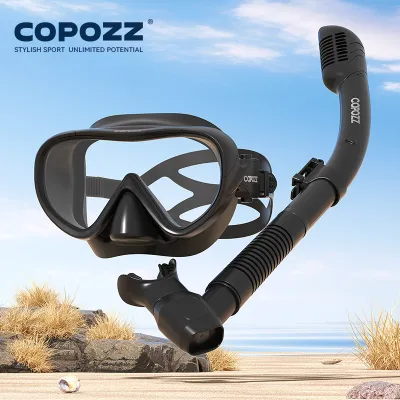
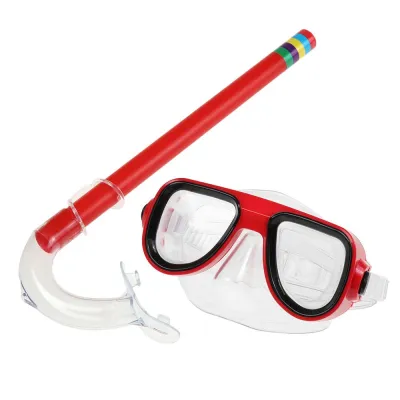
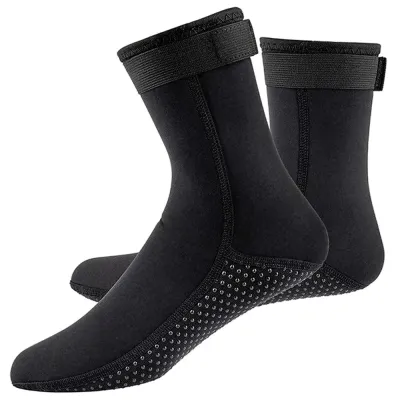
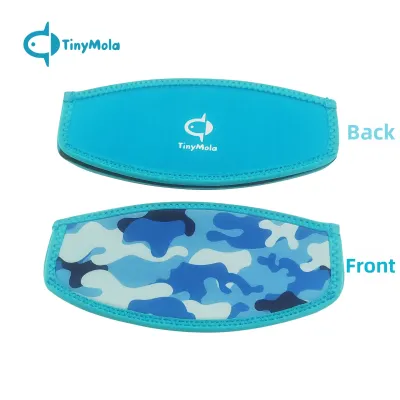
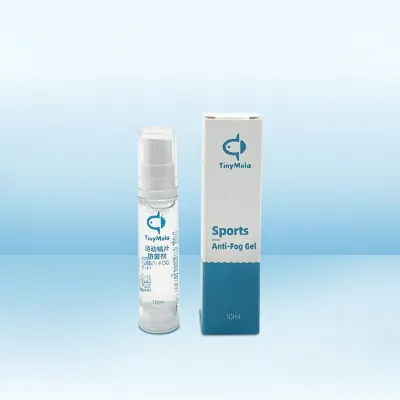
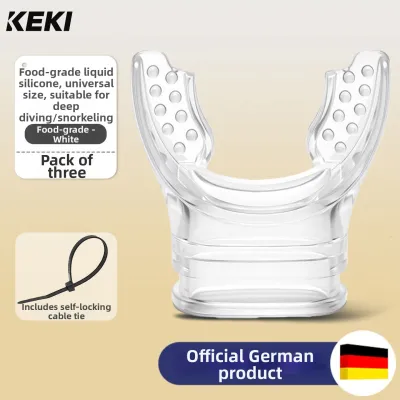
Prices are valid at publication and may change. Please refer to the product page for the latest price.
It is vital to explicitly exclude scuba diving from this definition. Scuba diving is a high-risk activity that requires formal professional certification, specialized life-support equipment—including regulators, buoyancy control devices (BCDs), and pressurized air cylinders—and strict adherence to dive physics and safety protocols. Basic swimming gear or standard snorkeling equipment is never a substitute for certified scuba gear, and attempting to use them as such is incredibly dangerous.
Even within the scope of shallow skin diving and snorkeling, equipment cannot replace physical competence, training, and sound judgment. The foundational safety baseline for any water activity is independent swimming ability and situational awareness. Before entering any natural body of water, you must assess local conditions, including tidal movements, wind directions, hidden currents, and nearby boat traffic.
Furthermore, you should never enter the water alone; the buddy system is your primary safety net, ensuring that someone is always available to assist or call for help if an emergency arises. If you experience physical distress, such as sudden muscle cramps, extreme fatigue, or panic, you must stop, establish positive buoyancy immediately, signal your buddy, and return to safety.
Self-Assessment: Match Your Gear to Your Activity Profile
Choosing the right equipment requires an honest assessment of your physical abilities, your target environment, and how often you plan to explore. By matching your gear to your specific activity profile, you can avoid both the safety risks of under-equipping and the unnecessary expense of over-equipping.

Sheltered Pools and Calm Local Beaches
If your water activities are confined to highly controlled environments, your gear requirements remain minimal. Typical examples include public swimming pools, designated swimming areas at local beaches like Sentosa’s sheltered lagoons, or shallow, wave-protected resort shorelines. In these settings, the water is generally clear, shallow, and free of strong currents, breaking waves, or motorized boat traffic.
For these low-risk scenarios, basic swim goggles and a standard swimsuit are often sufficient for simple surface observation or brief, shallow dips. Because you are never far from a solid footing or a pool wall, the physical demands of staying afloat are low.
However, this minimalist setup has immediate functional limitations. Without a snorkel, you must constantly lift your head or turn your neck to breathe, which disrupts your horizontal body position, increases physical fatigue, and limits your continuous observation time. If you attempt to dive down to touch the bottom of a deep pool or a shallow sandy seabed, the lack of a nose pocket in your goggles will quickly become uncomfortable as pressure increases.
Open Water, Boat Tours, and Reef Exploration
The equipment demands change dramatically when you transition to dynamic open-water environments. This includes organized island-hopping boat tours, snorkeling over deeper reef drop-offs, or exploring natural marine parks such as Sisters’ Islands Marine Park in Singapore. In these locations, you are exposed to unpredictable currents, surface chop, changing tides, and potential boat traffic.
In open water, a dedicated snorkel is a safety necessity rather than a luxury. It allows you to keep your face in the water and breathe continuously, preserving your physical energy and preventing the exhaustion that comes from constantly lifting your head against waves.
A proper dive mask is equally critical; it provides a wide, panoramic field of view to help you maintain situational awareness of your buddy and nearby boats, and its integrated nose pocket allows you to equalize pressure as you dive deeper.
Furthermore, you must wear high-visibility gear, such as a brightly colored snorkel top, a high-visibility rash guard, or a dedicated snorkeling vest. This ensures you remain highly visible to boat operators, jet skis, and kayakers sharing the water. Finally, snorkeling fins are essential for providing the necessary propulsion to swim safely against mild currents without causing rapid leg cramps.
Basic Swim Equipment vs. Dedicated Snorkeling Gear for Your Next Dive
To make an informed decision, you must understand the mechanical and functional differences between standard swimming gear and dedicated snorkeling equipment. These differences directly impact your comfort, safety, and energy expenditure underwater.
Vision and Equalization
The physical design of swim goggles is optimized for surface swimming laps, featuring a low profile and small internal air volume. Crucially, swim goggles do not enclose your nose. When you dive even a few meters below the surface, the ambient water pressure increases, compressing the small pocket of air inside your goggles. Because your nose is outside the goggles, you cannot exhale into them to equalize this pressure, resulting in a painful phenomenon known as “goggle squeeze,” which can cause bruising and burst capillaries in your eyes.
In contrast, a dedicated dive mask encloses your nose within a soft silicone pocket. This design allows you to exhale a tiny amount of air through your nose to equalize the internal pressure as you descend, preventing discomfort and injury. Additionally, dive masks feature tempered glass lenses that resist scratching and shattering under pressure, providing a much wider, clearer field of view.
Breathing Efficiency
Relying on breath-holding while wearing swim goggles forces your body into a cycle of rapid exertion and recovery. Every time you lift your head to breathe, you drop your hips, increase drag, and elevate your heart rate, which causes you to burn through oxygen much faster.
A snorkel breaks this cycle by enabling relaxed, continuous diaphragmatic breathing while your body remains in a streamlined, horizontal position. Modern snorkels often feature semi-dry tops that prevent splashing water from entering the tube, or dry-top valves that seal the tube completely when submerged. They also include a one-way purge valve at the bottom, allowing you to easily clear any water that enters with a simple, sharp exhalation. Before entering the water, always verify that the purge valve membrane is clean and seated flat, and check the silicone mouthpiece for any signs of tearing or wear.
Propulsion and Fatigue
Swimming in open water without fins, or using short, stiff training fins designed for pool laps, is highly inefficient. Pool fins are engineered to build cardiovascular strength through high-cadence kicking in a controlled lane. In contrast, open-water snorkeling fins feature longer, more flexible blades designed to maximize thrust with slow, deliberate kicks. This design allows you to glide effortlessly through the water, conserving oxygen and preventing the sudden, painful calf cramps that can leave you stranded in a current.
When selecting fins, you must match them to your venue and carrying method. Full-foot fins are lightweight and ideal for warm-water boat trips, while open-heel fins worn with neoprene booties offer better grip and foot protection when walking over hot sand or rocky shorelines.
Your Action Plan: Stick, Rent, or Upgrade
Now that you understand the functional differences and safety requirements, you can follow a clear, conditional pathway to determine your next steps.
- Path 1: Stick with Basic Swim Gear
You should stick with your existing swimming goggles and swimsuit if your activities are strictly limited to casual pool dips, shallow wading along calm resort shorelines, or highly supervised lagoon environments. If you do not plan to submerge your face for more than a few seconds at a time and are always within standing depth, investing in specialized snorkeling gear is unnecessary. - Path 2: Rent a Full Snorkeling Setup
If you are preparing for an occasional open-water holiday or a single boat tour, renting gear is the most practical choice. Most reputable tour operators in popular regional destinations provide masks, snorkels, and fins. Renting allows you to participate in reef exploration without a significant upfront financial investment or the hassle of packing bulky gear. However, rental gear is heavily used; always perform a thorough safety check before entering the water. Inspect the mask skirt for tears, ensure the snorkel mouthpiece is sanitized and intact, and verify that the fin straps adjust securely. - Path 3: Upgrade to Personal Gear
If you plan to explore local reefs regularly, such as Singapore’s southern islands, or if you travel frequently for water sports, you should invest in your own gear. Start by purchasing a high-quality, personal dive mask and a dry or semi-dry snorkel. Because mask fit is highly dependent on individual face shape, owning your own mask ensures a reliable, leak-free seal that rental gear rarely provides. To test a mask's fit, place it gently on your face without using the strap, inhale slightly through your nose, and look down; a well-fitting mask should suction to your face and remain in place. You can delay purchasing fins until you determine your travel logistics, as they are bulkier to pack and easier to rent without compromising comfort.
Frequently Asked Questions (FAQ)
Can I use regular swim goggles for snorkeling?
No, you should not use regular swim goggles for snorkeling if you plan to dive below the surface. Swim goggles lack a nose pocket, making it impossible to equalize the air pressure inside them as you descend. This can cause painful eye squeeze and capillary damage even at shallow depths of two to three meters. Additionally, swim goggles offer a restricted field of view and do not provide the secure, watertight seal required to navigate open-water surface chop comfortably.
Do I need a flotation device if I am a confident swimmer?
Yes, wearing a flotation device, such as a high-visibility snorkeling vest, is highly recommended for casual open-water diving, regardless of your swimming proficiency. Open-water environments are unpredictable; sudden muscle cramps, strong currents, or physical fatigue can quickly compromise even a confident swimmer’s safety. A snorkeling vest allows you to rest effortlessly at the surface to clear your mask or catch your breath, while its bright color ensures you remain visible to boat traffic and rescue personnel. Always verify the manufacturer’s maximum load capacity and check the inflation valve before use.
Community discussion
Share your experience or ask a question. Comments are reviewed before publication.