
Direct Answer on Cold Retention
When choosing a sports bottle to combat Singapore’s intense tropical heat, the material and construction of your gear dictate how long your drinks stay cold. If your primary goal is to keep water ice-cold during a long outdoor workout, a standard single-wall Snow Peak titanium bottle will not perform as well as a premium double-wall vacuum-insulated stainless steel bottle. Because single-wall titanium lacks an insulating barrier, it conducts heat rapidly, allowing the ambient tropical temperature to warm your drink quickly.
However, this does not make titanium obsolete for outdoor enthusiasts. The choice between these premium options depends entirely on your specific activity. While vacuum-insulated stainless steel is the clear winner for strict temperature control, a titanium bottle is highly valued for ultralight backpacking, climbing, and trail running, where minimizing pack weight is far more critical than keeping drinks icy.
Understanding Insulation: Titanium vs Vacuum Stainless Steel
To make an informed purchase, you must understand how different bottle structures interact with heat transfer. Single-wall titanium bottles are engineered for minimal weight and maximum durability. Titanium is an exceptionally strong metal, allowing manufacturers to roll the bottle walls incredibly thin. However, this thin, single-layer construction has high thermal conductivity. When you fill a single-wall titanium bottle with cold water, heat from Singapore’s warm air transfers almost instantly through the metal, warming the liquid inside.
Products mentioned in this guide
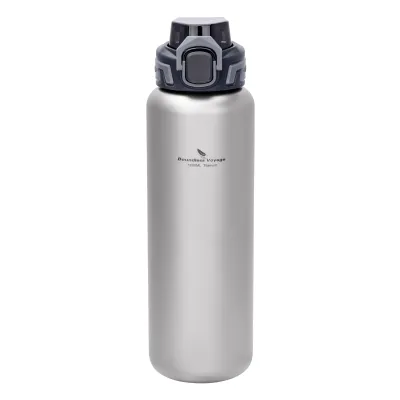
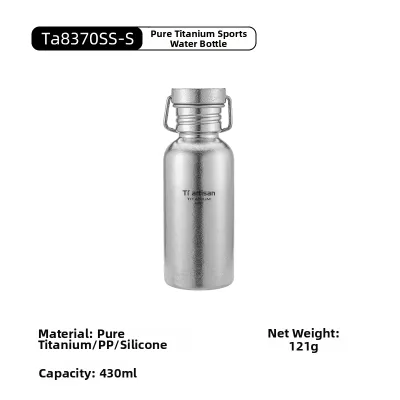
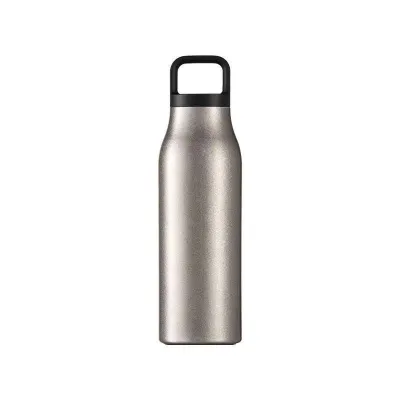
Prices are valid at publication and may change. Please refer to the product page for the latest price.

In contrast, premium vacuum-insulated sports bottles—typically made of double-wall stainless steel—rely on a completely different physical principle. These bottles feature an inner and outer wall with a vacuum gap sealed between them. Because a vacuum contains no air molecules, it prevents heat transfer via conduction or convection. This thermal barrier ensures that the external heat cannot easily reach the cold liquid inside, keeping your beverage chilled for hours even in direct sunlight.
When shopping for a sports bottle, you can verify the insulation capabilities by checking the product labels for specific construction terms. Look for these key indicators on the packaging or manufacturer specifications:
- Single-Wall: Indicates no insulation layer; designed strictly for lightweight transport and durability, not temperature retention.
- Double-Wall Vacuum-Insulated: Confirms the presence of a vacuum barrier, which is essential for long-term cold or hot retention.
- Double-Wall (Non-Vacuum): Some bottles feature two walls but use air or foam instead of a vacuum; these offer moderate insulation but are less effective than vacuum-sealed models.
Performance in Tropical Heat: Condensation, Weight, and Taste
Operating in Singapore’s high relative humidity introduces unique challenges for outdoor gear, particularly regarding condensation. When you put cold water or ice into a single-wall titanium bottle, the exterior surface immediately drops to a freezing temperature. The moisture-laden tropical air makes contact with this cold metal surface, causing rapid and heavy condensation, often referred to as “sweating.” This condensation can make the bottle incredibly slick and difficult to grip during a workout, and it can easily soak the contents of your sports pack unless you use a protective neoprene sleeve. Vacuum-insulated bottles, on the other hand, prevent the outer wall from cooling down, ensuring the exterior remains completely dry and sweat-free.
Weight and packability represent the areas where titanium holds a distinct advantage over stainless steel. For endurance athletes, fastpackers, and cyclists navigating long routes, every gram of gear requires extra energy to carry. A single-wall titanium bottle is remarkably light, often weighing less than half of a vacuum-insulated stainless steel bottle of the same capacity. This weight reduction allows you to move faster and carry less physical burden, which can be a crucial factor during high-exertion sports where thermal performance is secondary to efficiency.
Another critical factor to consider is taste and odor retention. Titanium is highly bio-compatible and chemically inert, meaning it does not react with acidic sports drinks, juices, or electrolyte powders. It leaves absolutely no metallic aftertaste, ensuring your water tastes clean and fresh. While high-quality food-grade stainless steel is also highly resistant to flavor transfer, some users report a subtle metallic taste over time, especially if the bottle is not cleaned immediately after containing flavored beverages.
Which Bottle Fits Your Outdoor Routine?
Selecting the right bottle requires matching the product’s physical properties to your specific outdoor activities and hydration habits.
Choose vacuum-insulated stainless steel if:
- Your primary goal is maximum cold retention, allowing you to enjoy ice-cold water throughout a long day.
- You want to prevent external condensation from wetting your gym bag, office desk, or running pack.
- Your activities involve daily commutes, gym workouts, casual cycling, or stationary outdoor sports where bottle weight is not a limiting factor.
Choose the Snow Peak titanium bottle if:
- You are engaged in ultralight backpacking, multi-day trekking, or climbing where minimizing gear weight is your highest priority.
- You require extreme durability and a bottle that can withstand rugged outdoor drops without losing its structural integrity.
- You are highly sensitive to metallic tastes and demand the purest possible flavor from your drinking water.
Verify first if:
- You are considering a premium double-wall titanium bottle. While rare and often carrying a premium price tag, you must check the manufacturer's specifications to confirm if it is truly vacuum-insulated. A double-wall titanium bottle that lacks a vacuum seal will not provide the same thermal performance as a vacuum-insulated stainless steel model, though it may still offer a slight weight advantage.
Frequently Asked Questions (FAQ)
Can I put ice cubes directly into a single-wall titanium bottle?
Yes, you can place ice cubes directly into a single-wall titanium bottle, but you should prepare for a rapid physical reaction. Because titanium conducts temperature so efficiently, the exterior of the bottle will instantly become freezing cold to the touch. This can cause physical discomfort or mild cold-burns if held with bare hands for extended periods, so using a silicone band or protective sleeve is highly recommended. Additionally, because there is no insulating vacuum barrier, the ice will melt much faster in Singapore’s warm climate than it would in a vacuum-insulated flask.
How do I clean and maintain a titanium sports bottle?
To preserve the non-reactive surface and finish of your titanium bottle, clean it regularly using mild dish soap, warm water, and a soft-bristled bottle brush. Avoid using harsh abrasive pads, steel wool, or chlorine-based bleach, as these can scratch the metal or degrade the natural protective titanium oxide layer. After washing, rinse the bottle thoroughly with clean water and allow it to air-dry completely with the cap off to prevent any moisture or odor buildup.
Community discussion
Share your experience or ask a question. Comments are reviewed before publication.