
Selecting the ideal soccer goal size is a balancing act between the physical constraints of your playing area and the developmental stage of the players. A goal that is too large for a small backyard can lead to damaged property and restricted movement, while an oversized frame for young children can hinder their athletic growth and make goalkeeping frustrating. Conversely, a goal that is too small for older players fails to replicate the realistic angles of a true match. To make an informed decision, you must evaluate your physical space, consult age-appropriate standards, and select a frame design that matches your playing surface and storage capabilities.
Assessing Your Available Space for a Soccer Goal
Before browsing online marketplaces, you must accurately measure the physical footprint of your intended play area. Start by measuring the flat, usable length and width of the ground, as well as the vertical clearance. It is a common mistake to measure only the exact width of the goal frame; you must also account for a mandatory safety run-off zone of at least one to two meters around the perimeter. This buffer zone ensures that players sprinting to save a ball or sliding to score have ample space to slow down safely without colliding with walls, fences, or garden borders.
Additionally, look upward and outward to identify potential hazards and obstacles. Low-hanging tree branches, overhead utility lines, and outdoor lighting fixtures can interfere with high-flying balls and damage both the goal net and your property. Take note of the proximity of fragile structures such as glass windows, sliding doors, neighboring fences, or delicate landscaping. If your playing area is close to a property boundary, a high-powered shot could easily send the ball into a neighbor’s yard, making a smaller goal or a protective backstop net a practical necessity.
Products mentioned in this guide
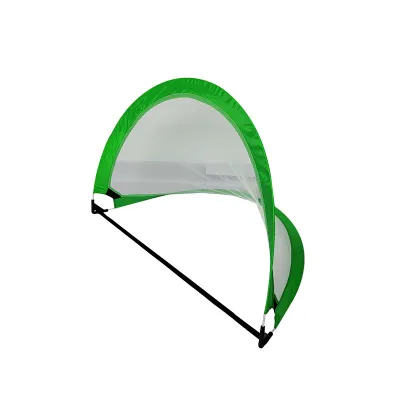
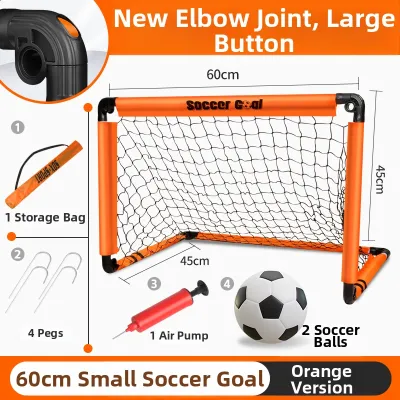
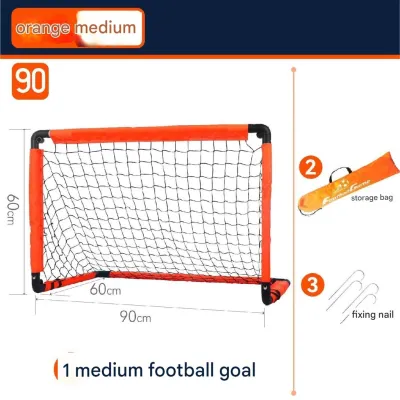
![[MUMof2boys] Kids Portable Mini Football Goal Post – Perfect size Soccer Net for Toddlers & Children](https://img.lazcdn.com/g/ff/kf/S67a9c92319db4d71bfe2ac22af040e573.jpg_400x400q80.jpg_.webp)
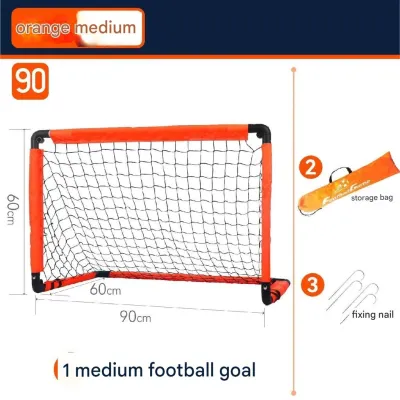
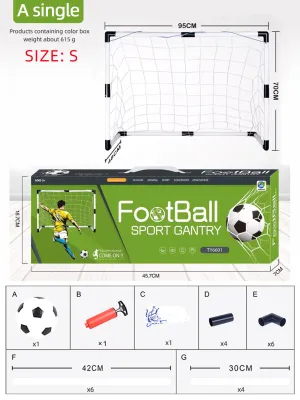
Prices are valid at publication and may change. Please refer to the product page for the latest price.
Finally, consider the topography of the ground and storage logistics. Sloped, uneven, or rocky terrain makes it difficult to set a frame level, which can compromise its structural integrity and increase the risk of tipping. If you do not have a dedicated, secure outdoor area to leave the goal assembled year-round, you must measure your garage, shed, or indoor storage closets to ensure you have enough space to house the collapsed or folded frame when it is not in use.
Matching Goal Dimensions to Player Age Groups
Aligning the size of the soccer goal with the age and skill level of the players is essential for fostering proper technique and maintaining engagement. For toddlers and very young children under the age of six, micro-goals measuring roughly 3 feet by 5 feet (approximately 0.9 by 1.5 meters) are ideal. These small targets encourage short, controlled passing and close-range shooting, helping young players build confidence and basic motor skills without the overwhelming pressure of defending a massive space.

As players transition into organized youth leagues, typically between the ages of seven and twelve, goal sizes scale up gradually to match their physical growth. For these intermediate age groups, goals ranging from 6 feet by 12 feet to 6.5 feet by 18.5 feet are standard. Using scaled-down goals prevents young goalkeepers from feeling helpless against high shots that they physically cannot reach, which helps maintain their interest in the position. It also teaches outfield players to aim for precision and placement rather than simply launching the ball high into an undefended net.
To ensure your home practice aligns with competitive play, always consult the official guidelines of your local football association or national federation. These organizations publish specific dimension charts for each age bracket, which can vary slightly depending on regional league structures. For example, youth development programs often mandate specific goal sizes for 5v5, 7v7, and 9v9 match formats to ensure that the ratio of player height to goal size remains balanced and conducive to tactical learning.
The final transition to full-size adult goals, which measure 8 feet high by 24 feet wide (approximately 2.44 by 7.32 meters), typically occurs around the age of thirteen or fourteen. At this stage, players have developed the physical strength, height, and coordination required to cover a standard goal and shoot from longer distances. Introducing a full-size goal too early can lead to poor shooting habits, as younger players may overcompensate for the distance by sacrificing proper kicking form, which can lead to muscle strain or joint injuries over time.
Evaluating Goal Types: Portable, Folding, and Permanent
The construction material and structural design of a soccer goal dictate its durability, portability, and suitability for different playing surfaces. Lightweight pop-up goals, often made of fiberglass rods and flexible mesh, are excellent for casual backyard play, beach outings, or quick training sessions in public parks. These goals fold flat into compact carrying bags, making them highly portable and easy to store in small apartments or car trunks, though they lack the rigidity needed for powerful shots from older players.
For a more realistic training experience that still offers flexibility, folding goals with PVC or lightweight aluminum frames are a popular middle ground. These frames provide a defined, rigid shape that mimics a professional goal while allowing the hinges to fold flat for storage against a wall or in a shed. When selecting a PVC or aluminum goal, check the manufacturer’s specifications for frame thickness and joint reinforcement, as thinner plastic tubes can crack under high-impact shots or during cold weather storage.
Heavy-duty steel or thick-walled aluminum goals are designed for permanent or semi-permanent installation in dedicated yards, school fields, or sports complexes. These frames offer maximum stability and can withstand powerful shots from adult players without shifting or warping. However, their weight makes them difficult to move without assistance, and they require a dedicated outdoor space where they can remain anchored safely. Before purchasing a heavy-duty frame, verify its compatibility with your playing surface, as some models require ground sleeves cemented into the grass, while others use flat-bottomed bases suitable for turf or hard courts.
Regardless of the type of goal you choose, always review the manufacturer’s guidelines regarding weight limits, weather resistance, and intended use. A goal designed strictly for indoor turf may deteriorate rapidly if left exposed to intense sunlight and heavy rain, while a heavy outdoor goal may scratch or damage indoor flooring if used without protective rubber pads. Matching the goal’s material properties to your specific environment ensures a longer lifespan for the equipment and a safer experience for the players.
Installation, Anchoring, and Safety Checks
Safety must be the primary consideration when installing and using any soccer goal, as unanchored or improperly assembled frames pose a severe tipping hazard that can result in serious injury. Always begin by carefully reading and following the manufacturer’s assembly instructions, ensuring that all bolts, pins, and brackets are fully tightened and secure. Never attempt to modify the frame or use alternative hardware that is not approved by the manufacturer, as this can compromise the structural integrity of the goal.
An unanchored soccer goal is an immediate safety hazard, even if it feels heavy or stable on flat ground. Wind gusts, hard shots hitting the crossbar, or players hanging from the frame can easily cause a goal to tip forward. For grass surfaces, always secure the frame using heavy-duty ground pegs, J-hooks, or auger anchors driven deep into the soil. For hard surfaces such as concrete, asphalt, or indoor courts where stakes cannot be used, utilize specialized sandbags, water weights, or counterweights designed specifically for sports frames, placing them securely over the rear ground bar.
Regular maintenance and visual inspections are essential to keep the goal in safe working condition over time. Before every play session, inspect the frame for signs of rust, cracks, loose joints, or bent tubing, and check the net for tears, fraying, or detached clips. If you discover any structural damage, loose connections, or compromised anchors, establish a strict stop-use condition immediately. Do not allow anyone to play with or near the goal until the damaged parts have been repaired or replaced with official manufacturer-approved components.
Frequently Asked Questions (FAQ)
Can I use a full-size soccer goal for young children if I have a large yard?
While a large yard provides the physical space for a full-size goal, using one for young children is not recommended. A standard 8-by-24-foot goal is far too large for youth players, making it impossible for young goalkeepers to defend and encouraging poor shooting habits, such as lofting the ball aimlessly rather than practicing precise placement. To support proper skill development and keep the game engaging, it is best to use an age-appropriate goal size that matches the players’ physical reach and developmental stage, regardless of how much open space you have.
How do I protect my soccer goal from weather damage in an outdoor space?
To protect an outdoor soccer goal from weather wear, start by checking the manufacturer’s care instructions for specific material limits. If the goal has a steel frame, look for powder-coated or galvanized finishes that resist rust, and periodically inspect the joints for chipped paint where moisture can accumulate. For PVC or fiberglass frames, prolonged exposure to intense sunlight can cause the material to become brittle, so using a UV-resistant protective cover or storing the goal in a shaded area when not in use is highly beneficial. Additionally, high-quality, weather-treated nylon or polyethylene nets should be detached and stored indoors during off-season months or periods of prolonged heavy rain to prevent rot and UV degradation.
Community discussion
Share your experience or ask a question. Comments are reviewed before publication.