
Quick Answer: Matching the Kettlebell to Your Living Space
Choosing between a soft kettlebell and a traditional cast iron kettlebell depends primarily on your living environment and your training goals. If you live in an upper-floor apartment or a high-density housing estate where noise travels easily through concrete floors, a soft kettlebell is often the most practical choice. These pliable, fabric- or vinyl-covered weights cushion impacts, reducing the risk of cracked floor tiles and keeping peace with your downstairs neighbors.
Conversely, if you have a dedicated ground-floor workout space, a garage gym, or are focused on heavy, progressive strength training, traditional cast iron remains the standard. Cast iron offers a consistent, compact size and a reliable grip that soft alternatives struggle to match. The core trade-off lies between environmental protection and classic workout performance.
Grip, Size, and Workout Feel: Core Design Differences
The physical design of these two kettlebell types alters how exercises feel in your hands. Traditional cast iron kettlebells are cast from a single piece of metal, resulting in a solid, rigid structure. This allows for a slim, uniform handle that accommodates both hands comfortably during swings. The texture of cast iron, whether powder-coated or matte, holds gym chalk well, providing a secure grip even when your hands sweat during intense sessions.
Products mentioned in this guide
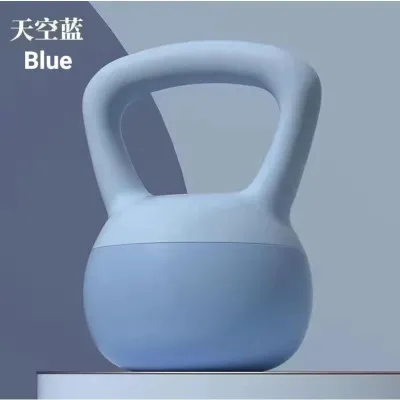
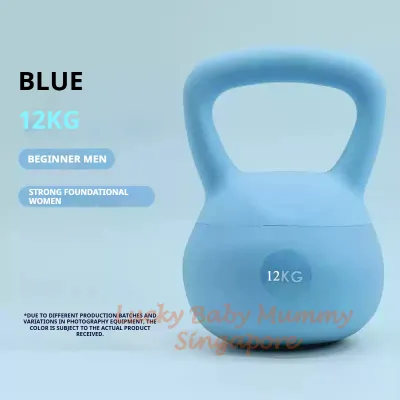
![[SG Ready Stock]Soft Kettlebell Women Fitness Home Software 2-12kg Kettlebell Squat Exercise Hip Strength Training Sand Kettlebell](https://img.lazcdn.com/g/p/586480202c25a4277577e0a05040eaaf.jpg_400x400q80.jpg_.webp)
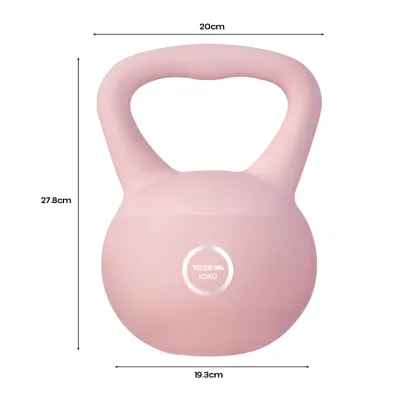
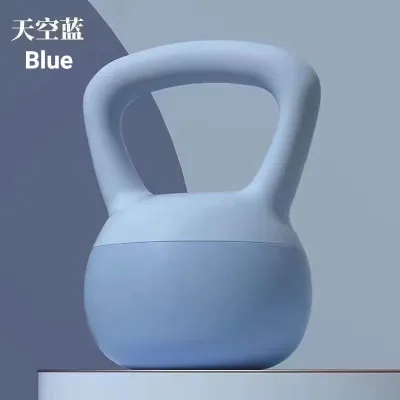
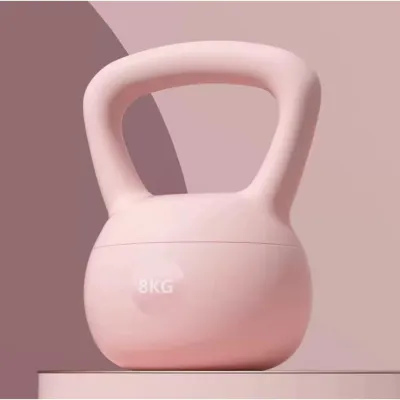
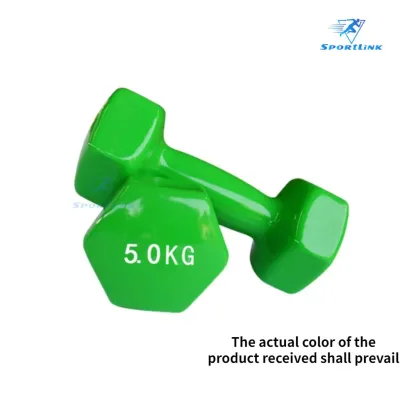
![[SG Stock]Household dumbbells hip exercise equipment soft kettlebell weight training anti-slip sweat-proof sports equipment](https://img.lazcdn.com/g/p/186cc3a2caeca46f8413934b7d88e4a4.jpg_400x400q80.jpg_.webp)
Prices are valid at publication and may change. Please refer to the product page for the latest price.

Soft kettlebells typically feature an outer shell made of neoprene, vinyl, or heavy-duty canvas, filled with iron sand, steel shot, or non-toxic pellets. Because these filling materials are less dense than solid iron, a soft kettlebell is almost always bulkier than a cast iron one of the same weight. This larger volume can alter your movement mechanics. For example, during close-to-body movements like cleans or high pulls, the wider profile of a soft kettlebell may brush against your thighs or knees, requiring you to adjust your stance.
Handle construction also varies significantly among soft models. Some feature a rigid plastic or metal handle wrapped in a soft grip, while others use entirely flexible fabric straps. Rigid handles on soft kettlebells attempt to mimic the feel of cast iron, but they may still feel thicker or less balanced due to the shifting weight of the sand inside. If you perform dynamic movements where the kettlebell must rotate smoothly in your palm, a traditional cast iron handle provides a predictable, low-friction pivot that flexible or vinyl-coated handles cannot easily replicate.
Floor Protection and Noise: The Apartment Living Factor
In high-density residential buildings, such as typical high-rise apartments, floor protection and noise mitigation are paramount. Dropping a solid cast iron kettlebell, even from a height of a few inches, can easily crack ceramic tiles, dent vinyl planks, or splinter hardwood flooring. The sudden impact also sends low-frequency vibrations through the building structure, which can disturb neighbors next door or downstairs.
Soft kettlebells are specifically engineered to absorb these impacts. The pliable outer shell deforms slightly upon contact with the floor, distributing the force over a larger surface area. This significantly lowers the risk of structural floor damage during accidental slips or controlled descents. Furthermore, the dull thud of a soft kettlebell is much quieter than the sharp, metallic clang of cast iron hitting a hard surface.
However, using a soft kettlebell does not eliminate the need for basic precautions. Before starting any home workout, you should verify your flooring type and check any relevant home warranty or tenancy agreements regarding heavy equipment. It is also essential to inspect the outer seams of a soft kettlebell regularly. If a seam begins to fray or split, the internal sand or shot can leak out, creating a mess and rendering the weight unbalanced. Even with a soft kettlebell, placing a dedicated fitness mat down is highly recommended to distribute weight and protect the outer material from abrasive floor surfaces.
Durability and Maintenance: What to Expect Over Time
The lifespan of your fitness equipment depends heavily on its materials and how well it copes with your local environment. Cast iron kettlebells are incredibly durable and can last a lifetime if kept dry. However, in warm, humid tropical climates, bare or chipped cast iron is highly susceptible to rust. Sweat from your hands can accelerate this process. To maintain cast iron, you must wipe it down after every workout and occasionally apply a thin coat of rust-inhibiting oil or touch up chipped paint.
Soft kettlebells require a different maintenance approach. They do not rust, making them highly resilient to humid air. However, their outer fabric, neoprene, or vinyl covers are vulnerable to wear and tear from friction, sweat, and UV exposure. Over time, sweat can seep into fabric seams, leading to odor buildup if not cleaned regularly. You should wipe down vinyl or neoprene covers with a damp cloth and mild soap, avoiding harsh chemicals that can degrade the synthetic material.
To ensure safety during workouts, establish a routine of observable checks. For cast iron, inspect the handle for any rough burrs or rust patches that could tear your skin. For soft kettlebells, check for loose stitching, thinning fabric, or shifting filler material that creates an uneven shape. If you notice any structural compromise, such as a splitting seam or a cracked internal handle core, retire the kettlebell immediately to prevent a sudden failure during dynamic exercises.
Final Decision: Which Kettlebell Should You Buy?
To make your final decision, weigh your physical space constraints against your long-term fitness goals. Use the following guidelines to choose the right equipment for your home setup.
Choose a soft kettlebell if:
- You live in an upper-floor apartment or shared housing where minimizing noise and vibration is a priority.
- Your workout area has delicate flooring, such as ceramic tiles, laminate, or polished timber, and you cannot install thick rubber gym flooring.
- Your routine consists primarily of basic strength movements, such as goblet squats, deadlifts, and basic two-handed swings, where a bulkier design does not hinder your form.
- You are a beginner looking for a less intimidating piece of equipment that feels safer to handle.
Choose a cast iron kettlebell if:
- You have a dedicated ground-floor workout space, a garage, or high-impact rubber flooring designed to handle heavy weights.
- You plan to progress to advanced, dynamic kettlebell exercises like snatches, cleans, and Turkish get-ups that require a smooth, rotating handle and a compact weight profile.
- You want a highly durable piece of equipment that will not wear out, split, or leak filler material over years of heavy use.
- You prefer a consistent, traditional grip and use gym chalk to manage sweat.
Verify first if:
- You have sufficient storage space, keeping in mind that soft kettlebells take up more physical volume for the same weight.
- Your local fitness retailer allows you to test the handle comfort in person, ensuring the grip width matches your hand size.
- Your home workout mat is thick enough to cushion your floor, regardless of which kettlebell type you choose.
Frequently Asked Questions (FAQ)
Can I use a soft kettlebell for advanced movements like snatches?
While you can perform basic snatches with some rigid-handled soft kettlebells, they are generally not ideal for advanced, high-velocity movements. The bulkier size of a soft kettlebell makes it harder to transition smoothly around your wrist, increasing the risk of the weight flopping over and striking your forearm uncomfortably. Additionally, flexible fabric handles do not allow for the quick, precise grip adjustments required during the transition phase of a snatch. For safety, stick to simpler movements with soft designs and save advanced ballistic lifts for compact cast iron models.
Do I still need a gym mat if I buy a soft kettlebell?
Yes, a protective gym mat is still highly recommended when using a soft kettlebell. While the soft exterior protects your floor from immediate cracks, a heavy impact can still compress the flooring underneath, potentially causing subfloor damage over time. A dense rubber mat helps distribute this impact force more evenly. Furthermore, a mat provides a non-slip surface for your feet, absorbs sweat to prevent slipping, and protects the soft kettlebell’s outer fabric or vinyl from abrasive concrete or rough floor surfaces, extending the lifespan of your equipment.
Community discussion
Share your experience or ask a question. Comments are reviewed before publication.