
Quick Answer: Choosing Soft Kettlebells for HDB Flats
Soft kettlebells offer an ideal compromise for strength training in Singapore apartments, resolving the common conflict between high-intensity workouts and home preservation. These specialized fitness tools replace traditional solid cast iron with impact-absorbing materials, providing essential floor protection, noise reduction, and space efficiency.
When browsing online marketplaces, you will primarily encounter three designs: adjustable sand-filled bags, silicone-coated iron cores, and fillable fabric shells. While these soft alternatives significantly lower the risk of cracked tiles and neighbor complaints, they do introduce a trade-off. Soft-sided equipment protects surfaces during accidental drops, but it may offer less structural rigidity and handle stability during advanced, high-velocity movements compared to standard iron weights.
Why Soft Kettlebells Are Ideal for Apartment Living
Training in a high-density Housing & Development Board (HDB) flat requires careful consideration of your immediate environment. Standard HDB flooring materials, such as vinyl tiles, laminate wood, and polished ceramic tiles, are highly susceptible to impact damage. A single dropped cast iron kettlebell can easily shatter ceramic surfaces, gouge laminate, or leave deep, permanent indentations in vinyl. Soft kettlebells utilize flexible outer shells made of neoprene, silicone, or heavy-duty canvas to distribute the force of an impact, preventing localized structural damage to your floors.
Products mentioned in this guide
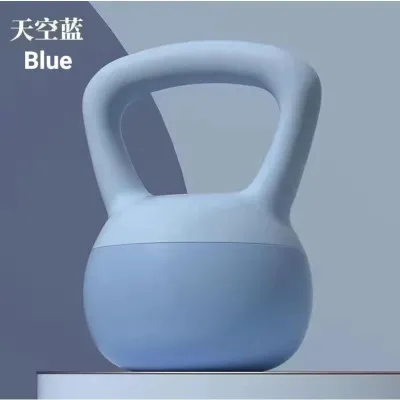
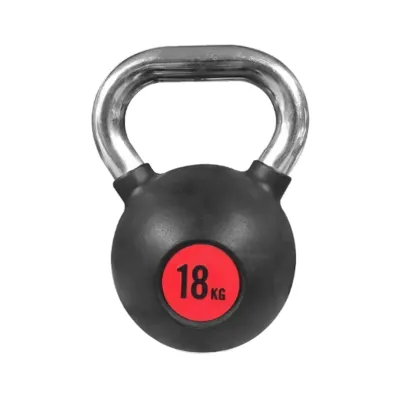
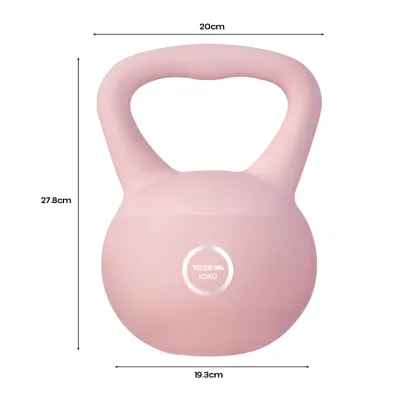
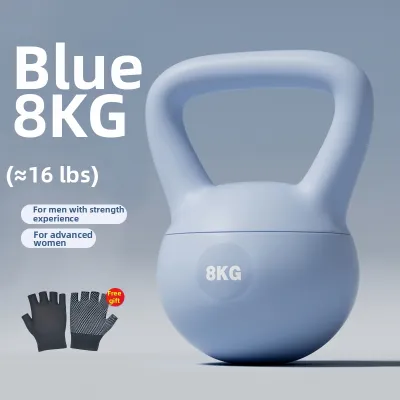
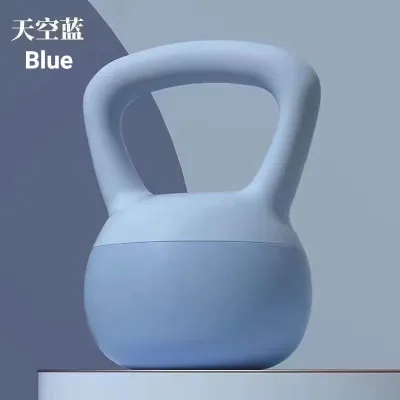
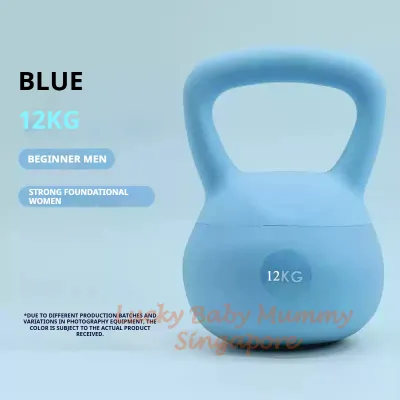
![[SG Stock]Household dumbbells hip exercise equipment soft kettlebell weight training anti-slip sweat-proof sports equipment](https://img.lazcdn.com/g/p/186cc3a2caeca46f8413934b7d88e4a4.jpg_400x400q80.jpg_.webp)
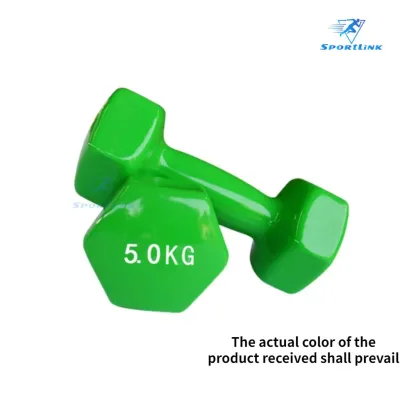
Prices are valid at publication and may change. Please refer to the product page for the latest price.

Acoustic management is another critical factor when exercising in close proximity to neighbors. Concrete floor slabs in high-rise apartments conduct structure-borne noise with high efficiency. The sharp, metallic clang of a traditional kettlebell hitting the floor, or even the vibration of setting it down heavily, can easily telegraph to the unit below. Soft kettlebells damp these vibrations at the point of contact, converting a harsh metallic impact into a muffled, low-frequency thud that is far less likely to disrupt the peace of your residential community.
Space constraints also dictate the type of fitness equipment that is practical for home use. Traditional kettlebell training often requires a full rack of various weights to support progressive strength gains, which can quickly overwhelm a compact living room or household shelter. Many soft kettlebell designs feature collapsible or adjustable configurations. These space-saving alternatives can be emptied, folded, or nested, allowing you to store your entire workout setup inside a standard built-in wardrobe or an under-bed storage bin when not in use.
Key Features to Evaluate Before Buying
Material and Coating
The outer material of a soft kettlebell determines its durability, grip security, and floor-friendliness. Silicone sleeves provide excellent shock absorption and are highly resistant to moisture, making them easy to sanitize after a sweaty session. However, silicone can attract dust and pet hair from the floor. Vinyl coatings offer a smooth, easily cleanable surface, but they can become slippery when wet with sweat, potentially compromising your grip. Heavy-duty fabrics, such as ballistic nylon or Cordura, offer maximum impact reduction and exceptional tear resistance, though they require robust stitching to withstand long-term friction.
Weight Adjustability
For progressive overload, you must decide between fixed-weight and adjustable models. Fixed-weight soft kettlebells offer a highly stable, predictable center of gravity, which is essential for mastering complex movements like the clean and snatch. However, buying multiple fixed weights requires more storage space and a higher overall investment. Adjustable sand-filled or water-filled models allow you to modify the resistance within a single unit, saving both space and money. The trade-off is that the internal filling can shift during movement, altering the balance of the weight mid-exercise.
Handle Ergonomics
The handle is your primary interface with the weight, and its design directly impacts exercise safety. Look for a handle with sufficient clearance—the vertical distance between the underside of the handle and the main body of the bell. Insufficient clearance can cause the soft body of the kettlebell to rub painfully against your wrists during overhead presses. The handle texture should be smooth enough to rotate freely in your palms during high-rep swings, yet textured enough to prevent slipping when your hands are damp.
Base Stability
A flat, rigid bottom is a crucial safety feature for any kettlebell used in a home gym. Many soft-filled kettlebells suffer from rounded or unstable bases that deform under pressure. If you plan to integrate floor-based exercises like renegade rows, push-ups, or plank transfers into your routine, ensure the kettlebell features a reinforced, flat base. An unstable base can cause the weight to tip over unexpectedly during a exercise, risking wrist strain or sudden impact on your fingers.
Soft Kettlebell Types Suited for HDB Workouts
Adjustable Sand Kettlebells
Adjustable sand kettlebells consist of a heavy-duty outer shell that houses multiple individual sandbags. This design allows you to scale the weight up or down by adding or removing the inner bags, making it an excellent tool for progressive strength training. Because the outer shell is soft and fabric-based, it is highly forgiving on vinyl and laminate floors. When selecting this type, it is critical to inspect the closure systems. Look for multi-layered hook-and-loop fasteners combined with heavy-duty zippers to ensure that fine sand particles do not escape onto your living room floor during dynamic swings.
Silicone or Vinyl-Coated Kettlebells
These models feature a traditional solid cast iron or steel core encased in a thick, protective layer of silicone or vinyl. They provide the exact balance, weight distribution, and handle feedback of a professional gym kettlebell, making them the preferred choice for serious lifters who want to practice technical movements. The soft outer coating protects your floors from minor scuffs and dampens the noise of gentle placements. However, because the core remains solid metal, they still carry significant kinetic energy; a high drop from overhead can still crack tiles or dent subfloors despite the protective coating.
Fillable Fabric Kettlebells
Fillable fabric kettlebells are designed for ultimate portability and space savings. Shipped empty, these bags can be filled with dry sand, steel shot, or gravel at home. When emptied, they fold completely flat, making them easy to store in small drawers or pack in travel luggage. While highly convenient, fabric kettlebells have structural limits. The flexible handle can deform slightly under heavy loads, which can make high-velocity movements like snatches feel awkward or unstable. They are best suited for low-to-moderate weight training, static carries, and basic swings.
| Feature | Adjustable Sand Kettlebells | Silicone-Coated Kettlebells | Fillable Fabric Kettlebells |
|---|---|---|---|
| Floor Safety | High (soft outer shell) | Moderate (solid core, soft skin) | High (flexible fabric body) |
| Space Efficiency | High (replaces multiple units) | Low (requires separate units) | Excellent (folds flat when empty) |
| Max Weight Capacity | Moderate (limited by bag volume) | High (solid metal core) | Low to Moderate (limited by fill material) |
| Ideal Skill Level | Intermediate | Advanced / Traditional Lifters | Beginner to Intermediate |
Setting Up a Safe Kettlebell Zone in Your HDB
Flooring Preparation
Even when using a soft kettlebell, you should never perform dynamic exercises directly on bare HDB flooring. Always establish a dedicated workout zone by laying down high-density EVA foam puzzle mats or a thick rubber utility mat. This secondary layer serves multiple purposes: it absorbs residual kinetic energy from accidental drops, provides essential slip resistance for your feet, and acts as a barrier to prevent sweat from dripping onto your floor. Over time, sweat can seep into the seams of vinyl or laminate flooring, weakening the adhesive and causing the edges to warp.
Spatial Clearance
Before beginning any workout, calculate your swing radius to ensure you have adequate clearance. Stand in the center of your designated space, extend your arms fully in front of you, and rotate 360 degrees. You must maintain a clear safety buffer of at least two meters from any built-in furniture, television consoles, glass sliding doors, and walls. Additionally, look upward to check your vertical clearance. In Singapore flats with low ceilings, ensure your overhead movements will not interfere with light fixtures, air conditioning units, or low-hanging ceiling fan blades.
Storage Solutions
Proper storage keeps your living space organized and prevents tripping hazards in high-traffic walkways. Adjustable and fabric kettlebells can be stored in shallow plastic bins with wheels, allowing them to slide easily under bed frames or into the bottom of built-in wardrobes. If you are using heavier, silicone-coated iron kettlebells, store them on the lowest shelf of your storage units or directly on the floor in a designated corner. Placing heavy weights on high shelves poses a severe safety risk, as structural shelves can bow over time, creating a falling hazard.
Pre-Workout Maintenance Checks
Develop a habit of inspecting your equipment before every training session to prevent mid-workout failures. For fabric and sand-filled models, closely examine the stitching along the seams, the integrity of the zippers, and the condition of the handle attachments. Look for any signs of fraying, tearing, or material thinning. For coated models, check for splits or peeling in the silicone or vinyl skin. If you detect any structural compromise, suspend use immediately and contact the manufacturer, as a failure during a high-velocity swing can result in property damage or personal injury.
Frequently Asked Questions (FAQ)
Can I do kettlebell swings on HDB vinyl flooring without a mat?
It is not recommended to perform kettlebell swings directly on bare vinyl flooring, even when using a soft kettlebell. While the soft exterior reduces the risk of deep cracks, the repetitive friction of your feet pivoting and the potential impact of the weight can still scuff, stretch, or discolor the vinyl surface. Furthermore, sweat dripping onto bare vinyl can make the surface slippery and eventually seep into the seams, causing the planks to lift. Always use a high-density exercise mat to protect your flooring, ensure proper traction, and maintain a hygienic workout environment.
Are adjustable sand kettlebells safe for heavy lifts?
Adjustable sand kettlebells are safe for moderate-to-heavy lifting, provided you strictly adhere to the manufacturer’s specified weight limits and closure instructions. Because the weight inside consists of shifting sand, the center of gravity is less stable than that of a solid iron kettlebell. This shifting requires more core and grip stabilization, which can actually enhance functional strength but may make extremely heavy, high-velocity lifts more difficult to control. Always ensure that all internal sandbags are securely sealed and that the outer zippers or straps are fully engaged before attempting any dynamic movements.
How do I clean a fabric or sand-filled soft kettlebell?
In Singapore’s warm and humid climate, fabric fitness equipment can quickly absorb sweat, leading to mold, mildew, and unpleasant odors. To clean a fabric or sand-filled kettlebell, use a damp cloth with a mild, diluted detergent to spot-clean the exterior shell. Avoid submerging the unit entirely in water, as moisture can penetrate the internal filling compartments, ruin the sand, and compromise the structural integrity of the seams. After cleaning, allow the kettlebell to air-dry completely in a well-ventilated indoor area away from direct sunlight, which can degrade synthetic fibers over time.
Community discussion
Share your experience or ask a question. Comments are reviewed before publication.