
Quick Answer: Soft Shell vs Hard Shell Taekwondo Headgear
Choosing between soft shell and hard shell Taekwondo headgear depends primarily on your sparring intensity, competitive goals, and experience level. Soft shell headgear is lightweight, highly flexible, and offers an unobstructed field of vision. This makes it the standard choice for Olympic-style point sparring, beginners, and children. Hard shell headgear features a rigid outer barrier that excels at dispersing high-impact forces and protecting the face from direct contact, making it ideal for heavy contact sparring and self-defense training.
However, you must remember that protective equipment is secondary to proper defensive technique, spatial awareness, and controlled sparring discipline. No helmet can completely prevent concussions or internal head injuries. If you experience dizziness, headaches, or disorientation during training, you must stop sparring immediately and seek medical attention. Additionally, in Singapore’s hot and humid climate, factors like ventilation, sweat management, and ease of cleaning should heavily influence your final decision.
Key Differences Between Soft and Hard Shell Headgear
Understanding the physical and structural differences between these two types of headgear is essential for selecting the right protection. Each design utilizes distinct materials and engineering principles to manage the kinetic energy of an incoming kick or punch.
Products mentioned in this guide
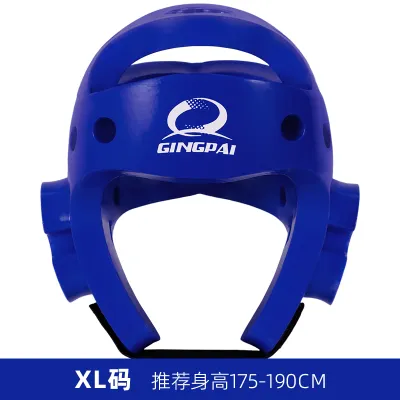
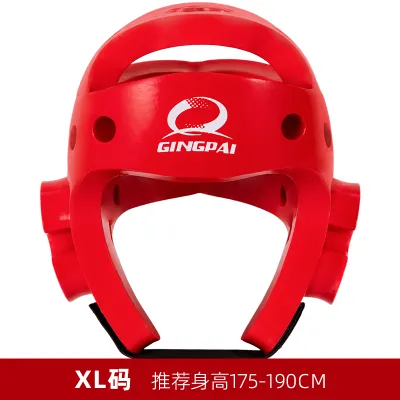
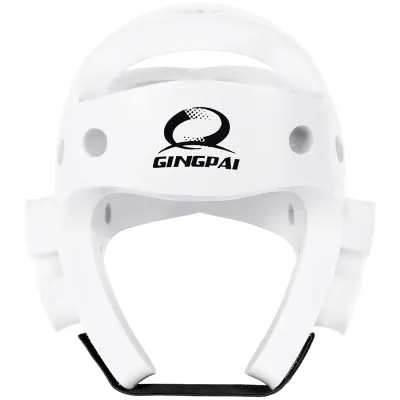
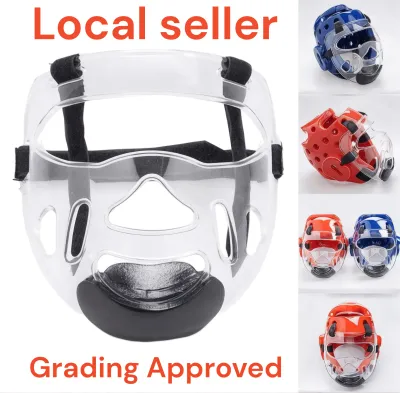
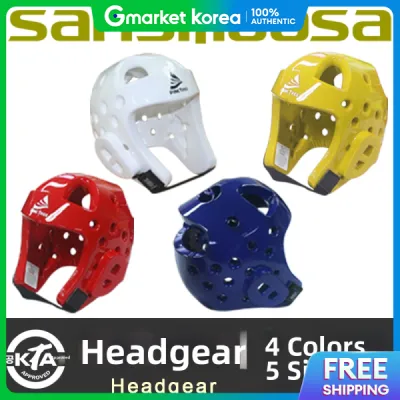
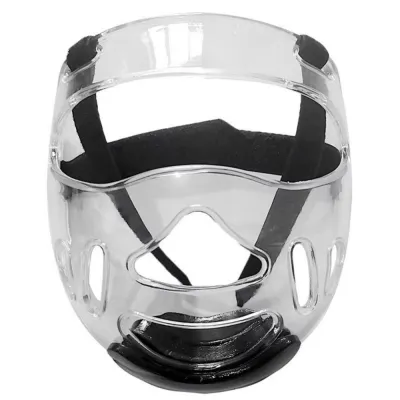
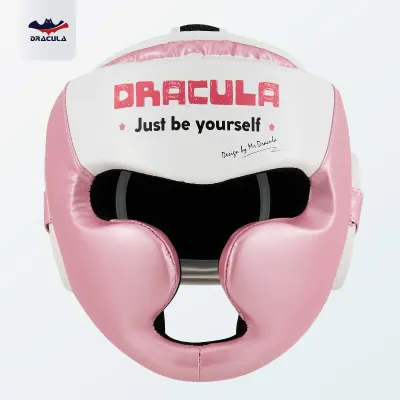
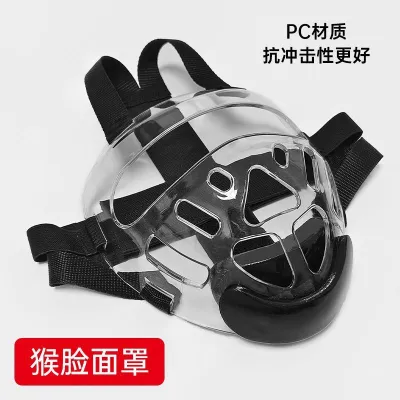
Prices are valid at publication and may change. Please refer to the product page for the latest price.

Material and Impact Absorption
Soft shell headgear is typically constructed from dense, closed-cell foams such as Ethylene-Vinyl Acetate (EVA) or Polyurethane (PU). These foam layers are often coated with a dipped vinyl skin or wrapped in synthetic leather. When a strike lands, the soft shell absorbs energy through localized compression, meaning the foam directly under the point of impact squeezes together to cushion the blow. Because there is no rigid outer layer, the force remains somewhat localized to the impact zone.
In contrast, hard shell headgear features a rigid outer plate—often made of high-impact polycarbonate or Acrylonitrile Butadiene Styrene (ABS) plastic—situated over an inner layer of shock-absorbing foam. When a kick connects with a hard shell, the rigid outer layer disperses the kinetic energy across the entire surface area of the helmet before the underlying foam absorbs the residual force. This dispersion mechanism is highly effective at preventing localized bone trauma, but it does make the helmet structurally stiffer. You should always check the manufacturer’s product label to verify the exact foam density and shell materials used, as these specifications dictate the helmet’s overall protection level.
Weight, Visibility, and Mobility
Weight is a critical factor in Taekwondo, where rapid head movement and quick reflexes are necessary to evade high kicks. Soft shell helmets are exceptionally light, typically weighing only a few hundred grams. This minimal weight reduces neck strain during long training sessions and allows you to bob, weave, and slip punches with minimal resistance. Furthermore, soft shell designs usually feature a low-profile trim around the forehead and cheeks, providing an excellent peripheral field of view so you can easily spot incoming roundhouse or spinning kicks.
Hard shell helmets are inherently heavier and bulkier due to the added plastic plating and face guards. This extra weight can accelerate neck fatigue, particularly for younger practitioners or those with less developed neck musculature. The bulkier profile can also slightly slow down your head evasions. Additionally, the structural frames of hard shell gear, especially those featuring integrated face shields or thick cheek guards, can create minor blind spots in your lower and lateral peripheral vision. You must weigh these mobility and visibility trade-offs against your need for maximum impact protection.
Facial and Ear Protection Coverage
Coverage areas differ significantly between the two styles. Standard soft shell headgear features an open-face design. While some models include slightly extended foam padding around the cheeks, they leave the nose, mouth, and eyes completely exposed to direct contact. They do, however, typically feature dedicated ear guards with ventilation holes. These holes are crucial because they prevent dangerous pressure build-up against your eardrums when a kick lands directly over the ear.
Hard shell headgear often provides comprehensive facial coverage. Many models are designed to accommodate detachable clear plastic face shields, metal cages, or built-in jaw protectors. These rigid barriers prevent an opponent’s foot or glove from making direct contact with your nose, eyes, and teeth. While this offers superior protection against cuts and facial fractures, you must verify whether your dojang or tournament federation permits these attachments, as some organizations restrict them due to the risk of injuring an opponent’s bare foot during a kick.
Matching Headgear to Your Training and Sparring Needs
Your current skill level, age, and training environment will dictate which headgear style serves you best. Matching the equipment to your specific training scenario ensures both safety and performance.
Beginners, Children, and Light Sparring
For those who are new to Taekwondo or buying gear for young children, soft shell headgear is almost always the recommended option. Beginners are still developing their spatial awareness, basic footwork, and defensive blocking reflexes. Wearing a heavy, restrictive helmet can frustrate a novice and hinder their ability to learn proper head positioning and posture.
Furthermore, soft shell gear has a much lower “intimidation factor.” For children, a bulky hard shell helmet with a full face cage can feel claustrophobic and scary, potentially dampening their enthusiasm for sparring. The lightweight comfort of a soft shell allows beginners to focus on technique and controlled, light-contact drills without feeling encumbered by heavy armor. Because light sparring emphasizes control and speed rather than power, the compression-based protection of a soft foam helmet is more than adequate.
Advanced Sparring and Heavy Contact
As you progress to advanced ranks, the velocity and power of sparring exchanges increase dramatically. In high-contact kyorugi sessions, accidental head clashes, heavy spinning back kicks, and stray heels are common risks. For these intense training environments, hard shell headgear is highly advantageous.
The rigid outer shell acts as a shield against direct bone-to-bone contact, which is the primary cause of facial lacerations, broken noses, and orbital fractures. Advanced martial artists who spar at full speed benefit from the peace of mind that a hard shell provides, allowing them to train high-intensity scenarios safely. However, you must never let the robust feel of a hard shell helmet make you overconfident; defensive mastery, proper blocking, and mutual respect between sparring partners remain your primary safeguards against injury.
Competition and Rule Compliance
If you plan to compete in local or international tournaments, your choice of headgear is strictly regulated by governing bodies. In Singapore, official tournaments sanctioned by the Singapore Taekwondo Federation (STF) follow World Taekwondo (WT) rules. Under WT regulations, competitors must wear approved soft shell headgear, typically colored red or blue to match the electronic scoring systems and corner judges’ indicators.
Hard shell helmets, especially those with clear plastic face shields or metal cages, are generally prohibited in standard adult WT sparring divisions. However, they are sometimes permitted or even mandated in specific junior divisions, traditional ITF (International Taekwon-Do Federation) point-sparring events, or local inter-school tournaments to protect younger competitors from facial injuries. Before purchasing any headgear, you must consult your coach and review the official rulebook of your specific competitive circuit to ensure your gear is fully compliant.
Fit, Comfort, and Maintenance Considerations
A helmet can only protect you if it fits correctly and remains securely in place. A loose headgear can slip during a exchange, blocking your vision at a critical moment or exposing the vulnerable base of your skull to an incoming strike.
To find your correct size, follow these steps:
- Measure: Use a flexible measuring tape to measure the circumference of your head. Wrap the tape horizontally around your head, about 2.5 centimeters (one inch) above your eyebrows.
- Compare: Compare your measurement directly to the manufacturer's specific sizing chart, as sizing standards vary significantly between brands like Adidas, Daedo, and Tusah.
- Test: Once the headgear is on, perform a quick "shake test." Shake your head side-to-side and up-and-down. The helmet should not shift or slide across your forehead.
- Adjust: Secure the chin strap and any rear hook-and-loop fasteners. The straps should be snug enough to prevent movement but not so tight that they restrict your breathing, swallowing, or jaw movement.
In Singapore’s hot, humid tropical climate, sweat accumulation inside your headgear is inevitable. Proper maintenance is essential to prevent the buildup of bacteria, mold, and unpleasant odors, as well as to preserve the structural integrity of the materials. After every training session, wipe down both the interior and exterior of the headgear with a damp cloth and a mild soap solution. Never use harsh chemical solvents, bleach, or abrasive pads, as these can degrade the protective foam and cause hard plastic shells to become brittle.
Always allow your headgear to air dry completely in a well-ventilated indoor space. Keep it away from direct sunlight and heat sources, as prolonged UV exposure can warp plastic shells and dry out foam padding, reducing its shock-absorbing capabilities. Finally, make it a habit to inspect your gear weekly. Look for hairline cracks in hard shells, permanently compressed or crumbling foam in soft shells, and weakened stitching or failing grip on the straps. If you detect any of these signs of wear, replace the headgear immediately.
How to Choose: Decision Framework
To simplify your purchasing decision, use this condition-based framework to identify the right headgear for your training needs.
Choose Soft Shell if:
- You are a beginner or buying for a child: You need lightweight, non-intimidating gear that prioritizes comfort and basic technique development.
- You train in WT-style sparring: Your dojang or competitive circuit follows World Taekwondo rules, which mandate soft dipped-foam helmets.
- You prioritize mobility and vision: You rely on rapid head movement, quick footwork, and a wide field of view to evade kicks.
- Your sparring is light-to-medium contact: Your training sessions focus on speed, precision, and point-scoring rather than heavy power strikes.
Choose Hard Shell if:
- You engage in heavy, full-contact sparring: You frequently face high-velocity kicks and punches where maximum impact dispersion is required.
- You require facial protection: You want to shield your nose, teeth, and eyes from accidental direct strikes or head clashes.
- Your dojang or league permits it: Your instructor or tournament rules allow hard outer shells or integrated face shields.
- You have professional or personal commitments: You cannot afford to risk facial cuts, bruises, or minor fractures due to your work or school requirements.
Verify First if:
- You are buying for a growing child: Check the adjustability range of the straps to ensure the helmet can accommodate growth without compromising safety.
- You have a history of head or facial injuries: Consult with a qualified medical professional and your head coach before selecting gear or resuming sparring.
- You plan to compete soon: Double-check the exact equipment guidelines issued by the tournament organizers to avoid disqualification on match day.
Frequently Asked Questions (FAQ)
Do I need headgear for regular taekwondo classes?
You do not need to wear headgear for standard, non-contact Taekwondo training. This includes practicing forms (poomsae), shadow kicking, stretching, board breaking, and target pad drills. Headgear becomes mandatory only when you transition to active sparring (kyorugi) or partner drills where head contact is permitted or highly likely. You must always follow the specific safety protocols and equipment rules established by your dojang’s head instructor.
How often should I replace my taekwondo headgear?
There is no fixed calendar expiration date for Taekwondo headgear, as its lifespan depends on training frequency, sweat exposure, and storage conditions. However, you must replace your headgear immediately if you observe any structural damage. This includes permanently compressed or hardened foam, cracks in a hard plastic shell, peeling outer coatings, or hook-and-loop straps that no longer hold securely. Additionally, if your helmet sustains a single exceptionally severe, high-velocity blow that results in a headache or disorientation, the internal foam may have bottomed out and lost its protective quality, requiring immediate replacement.
Community discussion
Share your experience or ask a question. Comments are reviewed before publication.